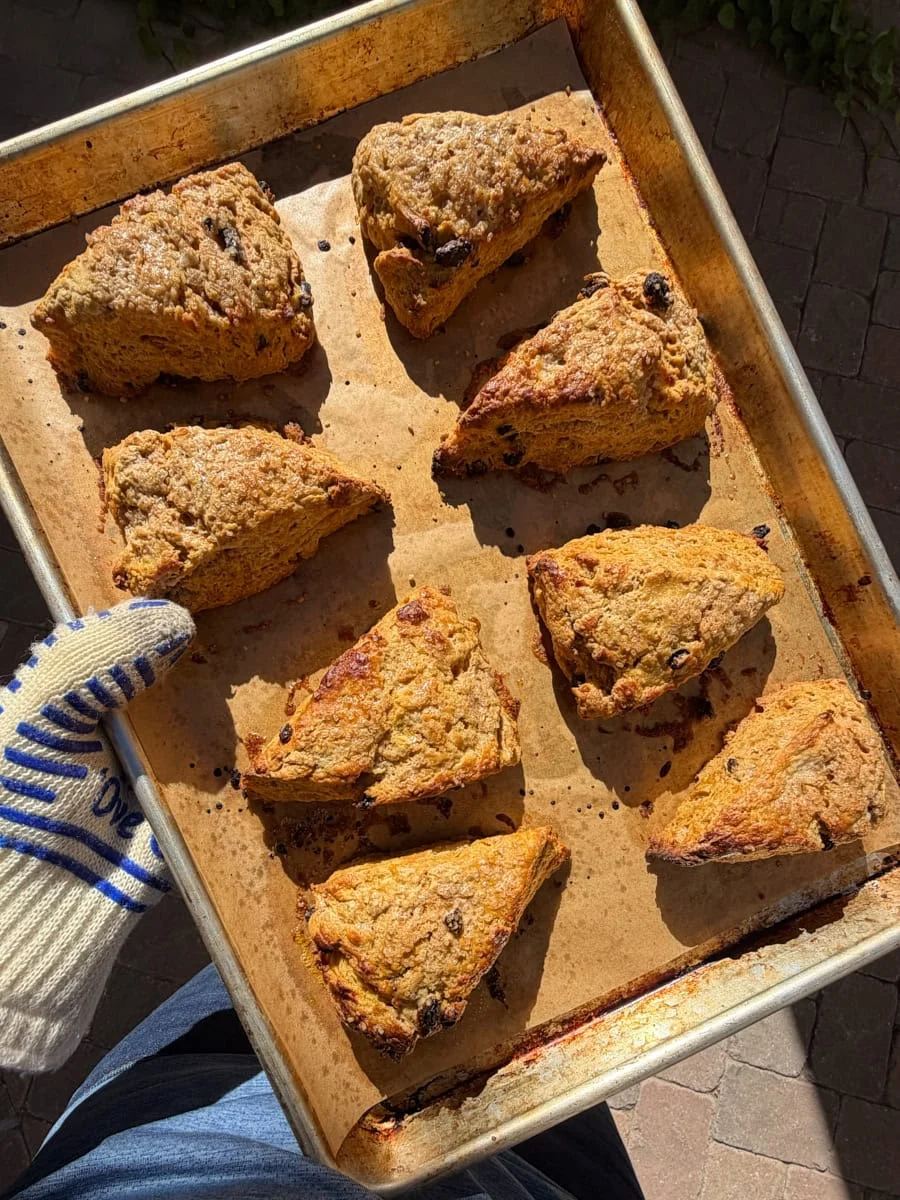

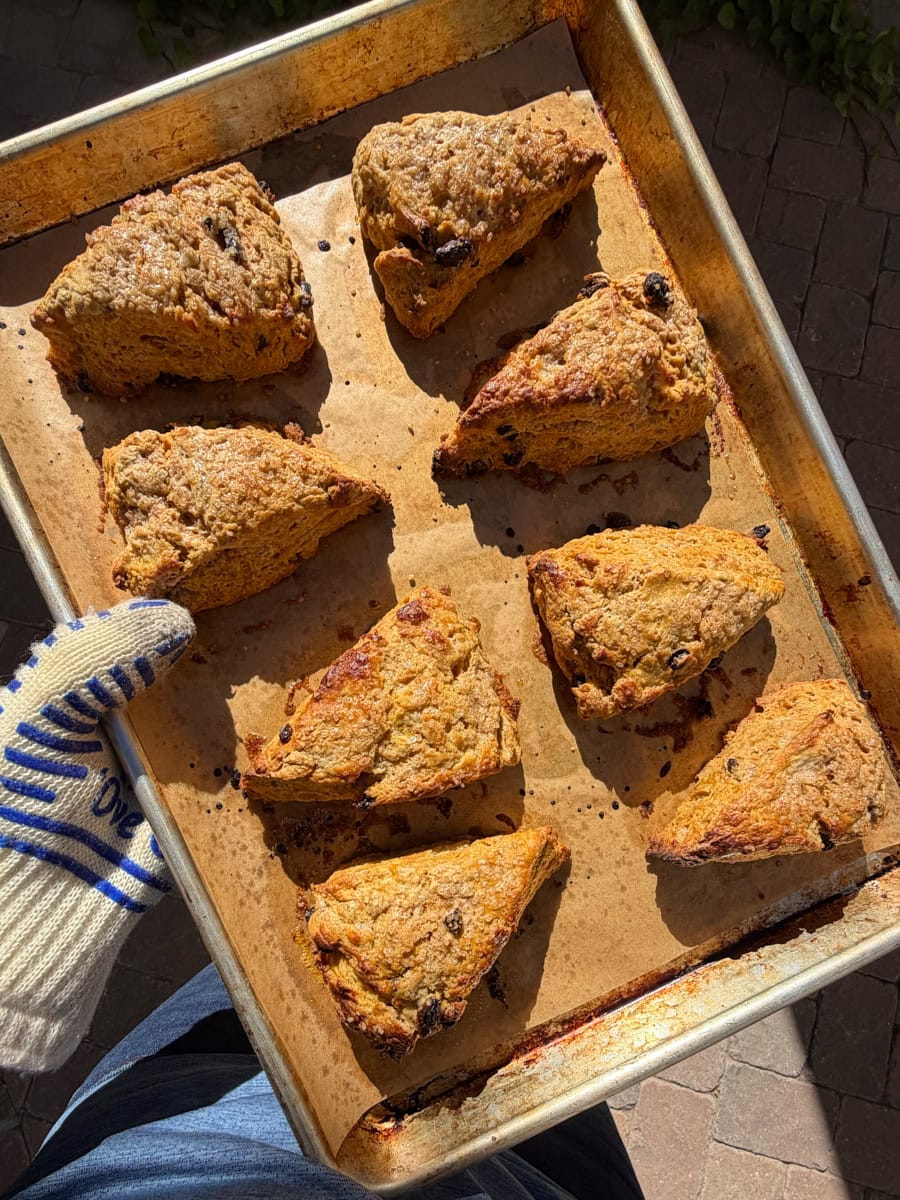
The art of baking, particularly when it involves the nuanced fermentation of sourdough, often presents a delightful challenge, especially when adapting recipes to specific environmental conditions. This is precisely the case with the development of what can be described as a sophisticated sourdough pumpkin scone, a recipe that emerged from a desire to achieve a specific textural profile – a soft interior encased in a craggy, sturdy crust – while also addressing the unique demands of high-altitude baking. The journey to this perfected scone involved a series of culinary experiments, focusing on key ingredients and techniques that influence both flavor and structure.
The Genesis of the Sourdough Pumpkin Scone
The inspiration for these sourdough pumpkin scones stemmed from a perceived deficit of autumnal flavors, specifically pumpkin, and a culinary curiosity to marry the tangy complexity of sourdough with the comforting sweetness of pumpkin. Unlike traditional scones, which often aim for a dry, dense crumb, this particular recipe sought a duality: the airy tenderness of a biscuit with the inherent richness of a scone. This distinction is not merely semantic but speaks to the desired mouthfeel and flavor profile. The creator, a seasoned baker with a passion for sourdough, acknowledges the potential for debate regarding the classification of such baked goods, but firmly situates these creations as scones due to their decidedly sweet inclination.
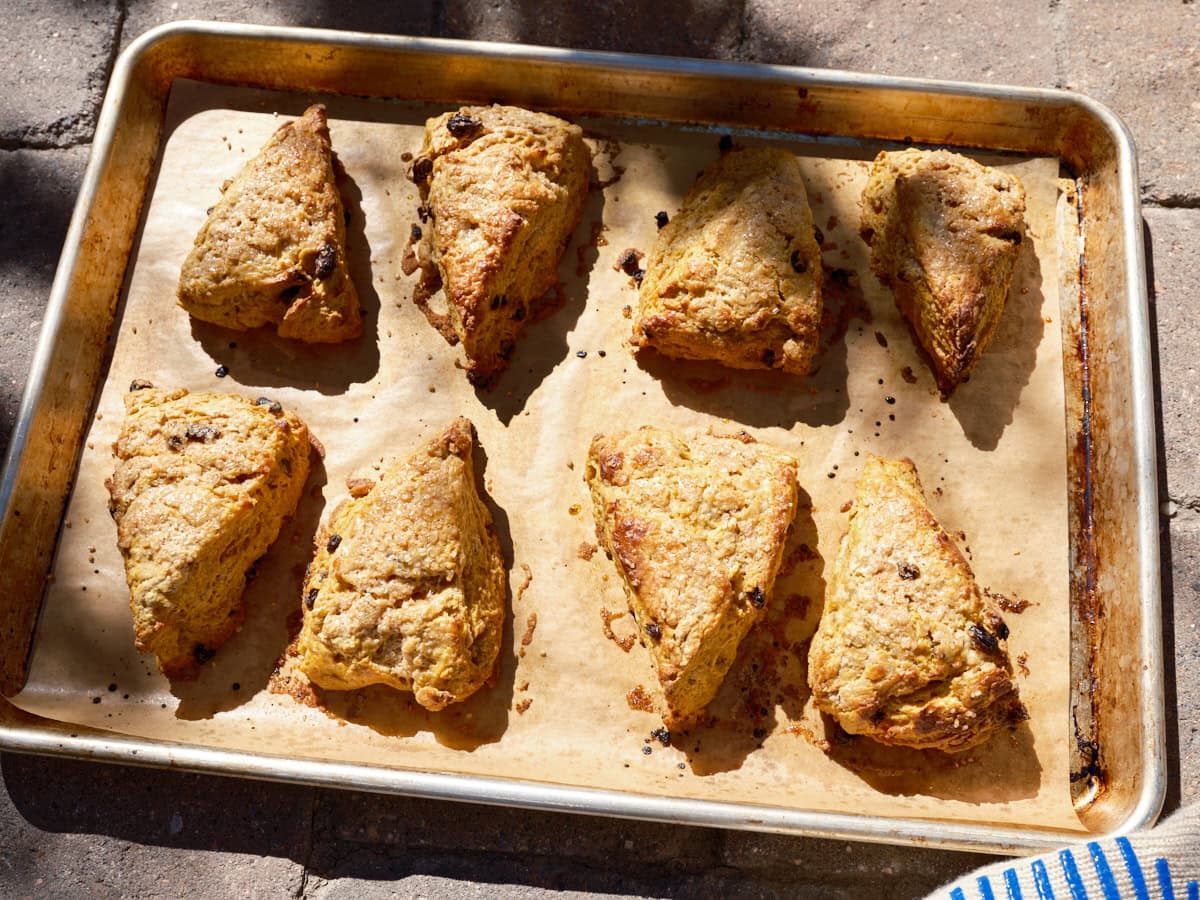
A significant aspect of the development process was the pursuit of a superior rise. Many scones, particularly those incorporating sourdough, can tend towards a flatter, more spread-out form. The objective here was to achieve a visually appealing, vertically oriented scone, characterized by clean lines and a substantial height. This aspiration proved to be particularly relevant for bakers residing at higher altitudes, where atmospheric pressure changes can significantly impact dough behavior.
High-Altitude Baking: A Crucial Consideration
The challenges of baking at high altitudes are well-documented. Reduced atmospheric pressure affects the rate at which leavening gases expand, potentially leading to over-proofing and a collapse of the baked good. Water also boils at a lower temperature, influencing cooking times and moisture retention. For bakers like the creator, who operates in the high desert, these factors are not mere inconveniences but critical variables that demand specific adjustments. The development of these sourdough pumpkin scones highlights the critical need for precise modifications, akin to those required for high-altitude sourdough bread, to transform a potentially flat outcome into a proud, well-risen scone. The recipe’s success in achieving this height is attributed to a few “little tricks” that enhance dough stability and oven spring.
The Role of Einkorn Flour: A Nutty Foundation
A distinctive element of this recipe is the incorporation of einkorn flour. Einkorn, one of the world’s oldest cultivated wheat varieties, offers a unique nutty flavor and a slightly lower gluten content compared to modern wheats. This inherent characteristic can lend a rustic, earthy depth to baked goods. However, for those who may not have einkorn readily available, the recipe provides a practical alternative: substituting any whole wheat flour. The creator specifically suggests heritage wheat varieties such as Red Fife, Butler’s Gold, or Marquis, known for their robust flavors that would further complement the sweet pumpkin and the tang of sourdough. The earthy notes of whole-grain flour are presented as essential in balancing and enhancing the sweetness of the pumpkin, contributing to a complex flavor profile.
Buttermilk: The Acidic Catalyst for Flakiness and Flavor
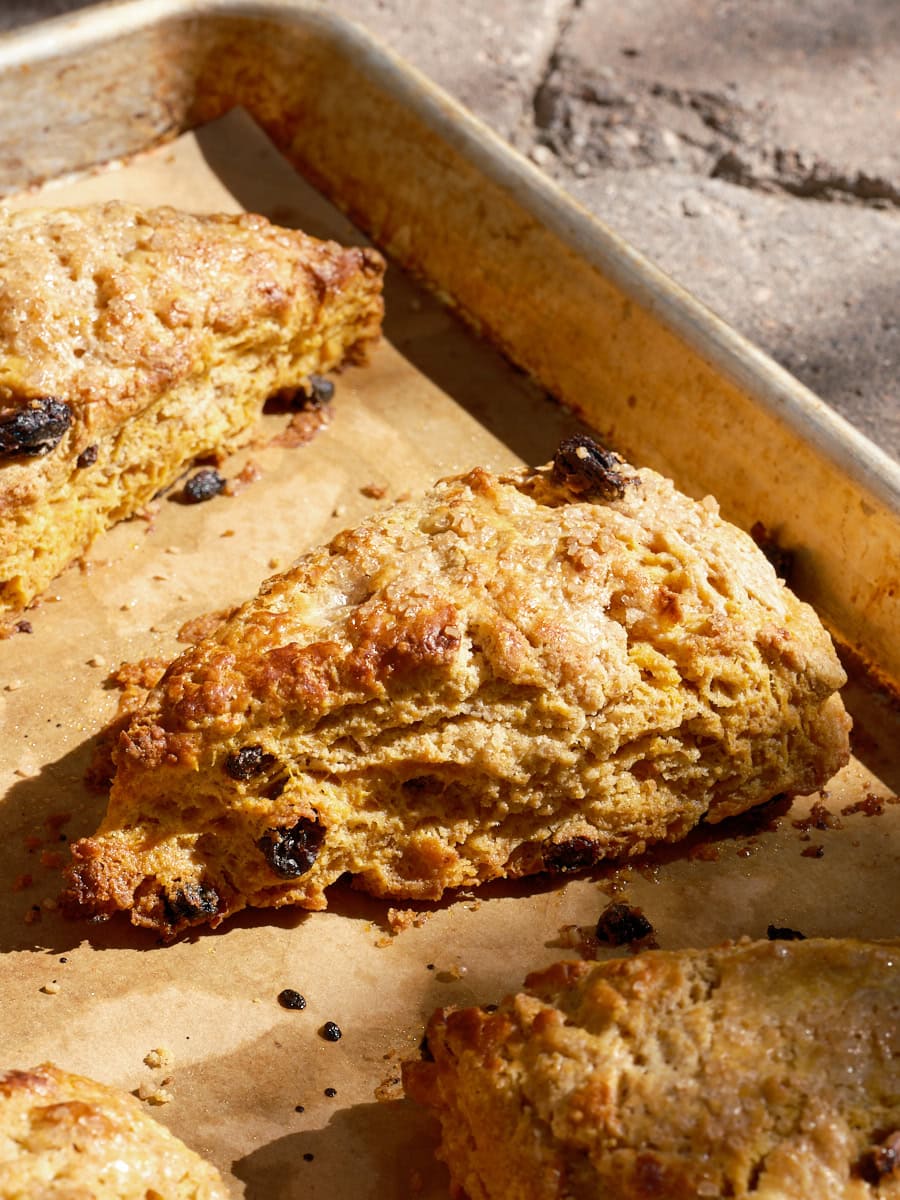
The choice of buttermilk as the liquid component is another cornerstone of this recipe, contributing significantly to both texture and taste. While buttermilk contains a lower fat content than heavy cream (typically 1-2% versus 36%), its acidity is paramount. This acidity plays a crucial role in interacting with the gluten structure. The low pH of buttermilk helps to relax and extend the gluten strands, a benefit particularly pronounced when working with whole-grain flours like einkorn, which can have a more delicate gluten network.
This interaction results in a tender and flaky crumb. The acid works to tenderize the dough, while the acidity of the buttermilk itself harmonizes beautifully with the subtle fermented notes from the sourdough starter discard and the natural sweetness of the pumpkin. This approach contrasts with other scone recipes that might rely on the high fat content of heavy cream to create distinct layers through the coating of flour particles by fat. The creator emphasizes that this is not a matter of superiority but rather a difference in the method employed to achieve a desirable tenderness. The interplay between buttermilk and sourdough starter discard is highlighted as a key differentiator, offering a nuanced flavor profile that is both tangy and comforting.
Convection Baking: A Strategy for Height and Structure
To achieve the desired tall, well-defined scone, the use of convection baking is strongly recommended. Convection ovens, with their circulating hot air, provide an intense and even heat distribution. In the initial stages of baking, this rapid and uniform heat helps to quickly set the outer crust of the scones. This “setting” action is crucial in preventing the dough from spreading outwards, thereby encouraging vertical expansion. The result is a scone that maintains its shape and achieves a desirable height.
For bakers who may not have access to a convection oven, a practical alternative is suggested: increasing the baking temperature by approximately 25°F (about 14°C) for the initial few minutes of the baking process. This temporary elevation in temperature aims to mimic the rapid crust formation achieved by convection, thereby promoting a similar oven spring and preventing excessive spreading. This technical adjustment underscores the baker’s commitment to ensuring successful results across various kitchen setups.
Leveraging Sourdough Starter Discard
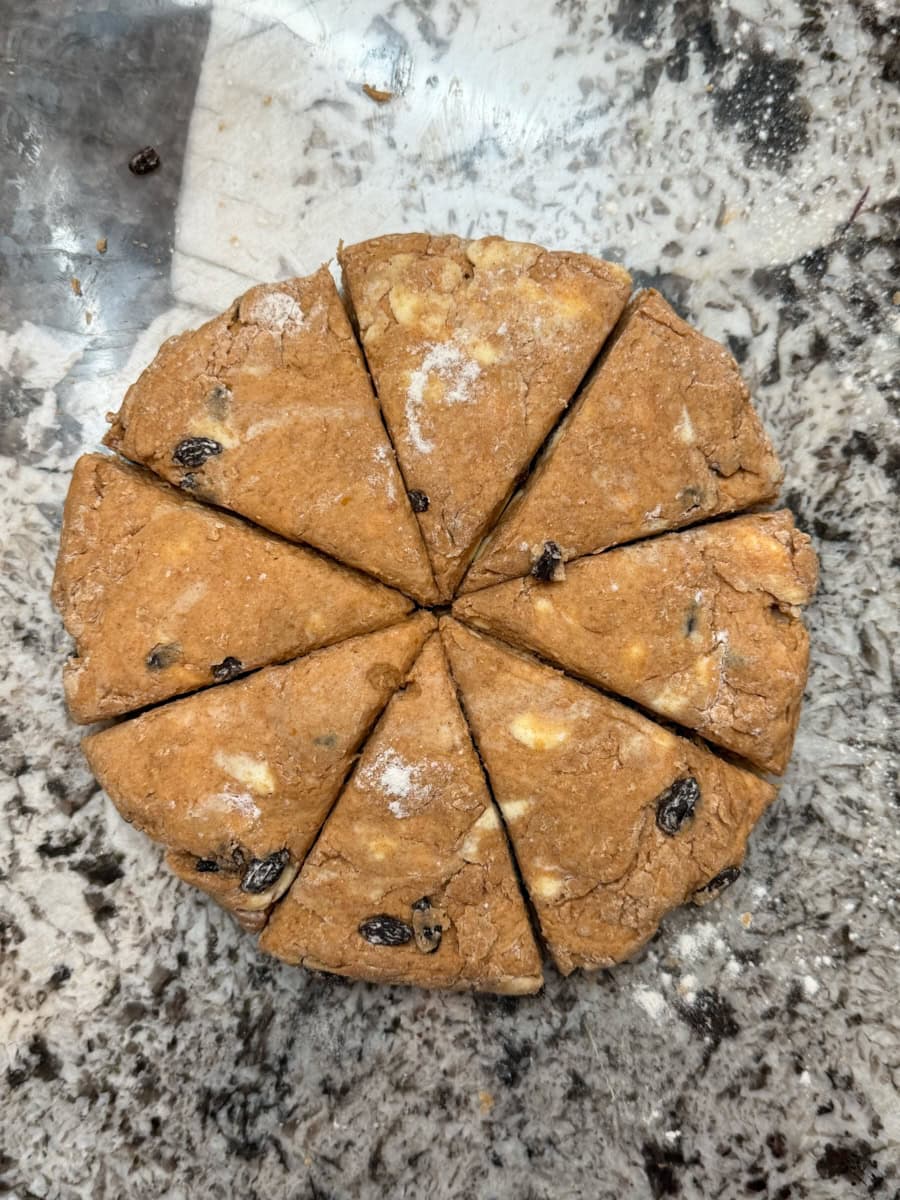
The inclusion of sourdough starter discard in this recipe offers a dual benefit: it contributes to the characteristic tang of sourdough and utilizes a byproduct of sourdough maintenance, aligning with a zero-waste baking philosophy. Sourdough starter discard, while lacking the leavening power of an active starter, still contains active cultures and fermented flour, which impart unique flavors and can influence dough structure. The acidity present in the discard, similar to that in buttermilk, can contribute to a more tender crumb. The recipe’s success hinges on the careful balance of these fermented elements with the sweetness of pumpkin and the richness of the other ingredients.
Recipe Highlights and Variations
The recipe itself, while not fully detailed in the provided text regarding exact measurements, emphasizes key components:
- Pumpkin Puree: The recipe is designed for pumpkin puree, but variations are suggested, including sweet potato or butternut squash puree. These alternatives offer similar moisture and sweetness profiles. Applesauce or mashed banana are also mentioned as options, though they may introduce a slightly higher sweetness.
- Dried Fruits: Raisins are a common inclusion, but the recipe encourages experimentation with dried cranberries or currants for a tart counterpoint. Fresh or frozen blueberries are also proposed as an alternative.
- Spice Profile: While not explicitly detailed in the provided text, the combination of pumpkin and sourdough strongly suggests the use of warm autumnal spices such as cinnamon, nutmeg, and ginger, which are typical accompaniments to pumpkin in baked goods.
Sourdough Pumpkin Scones: Frequently Asked Questions
The provided text also addresses common queries, offering further insights into recipe customization and troubleshooting:
- Pumpkin Substitute: Beyond sweet potato and butternut squash, the recipe clarifies that applesauce or mashed banana can be used, but with a note on their increased sweetness.
- Einkorn Flour Alternative: The straightforward substitution of any whole wheat flour is reiterated for those without einkorn.
- Buttermilk Substitute: For bakers without readily available buttermilk, a simple homemade version is described: combining 1 teaspoon (5g) of white vinegar or lemon juice with 70g of whole milk and allowing it to sit for five minutes until curdled. Kefir is also presented as a direct one-to-one substitute.
- Raisin Alternatives: Dried cranberries are highlighted as a preferred alternative, with blueberries also noted as a potential addition.
Culinary Implications and Future Endeavors
The development of these sourdough pumpkin scones represents more than just a new recipe; it embodies a thoughtful approach to baking that considers environmental factors, ingredient properties, and textural outcomes. The success in achieving a tall, well-structured scone at high altitude with the tang of sourdough and the comforting flavor of pumpkin has broader implications for bakers facing similar challenges. It demonstrates that with careful attention to detail and an understanding of fundamental baking science, even seemingly simple baked goods can be elevated to new levels of complexity and satisfaction.
The creator also suggests complementary uses for any leftover pumpkin puree, pointing towards other autumnal sourdough creations like a Pumpkin Cinnamon Sourdough bread or pumpkin pancakes. This forward-thinking approach encourages bakers to explore further within the realm of sourdough and seasonal flavors, reinforcing the idea that a single recipe can be a gateway to a wider culinary exploration. The recipe, developed over several years with input from fellow bakers, stands as a testament to collaborative culinary innovation and the enduring appeal of well-crafted, flavorful baked goods.