
The art of baking, especially during the festive season, often conjures images of elaborate confections and time-consuming preparations. However, for bakers seeking efficiency without compromising on flavor, the humble slice-and-bake cookie emerges as a champion. These particular Cinnamon Toast Sourdough Discard Cookies, as detailed by The Perfect Loaf, offer a delightful blend of ease, classic taste, and a clever use of sourdough starter discard, making them an ideal addition to any holiday cookie repertoire. This article delves into the nuances of these cookies, exploring their preparation, the science behind their unique texture, and their broader appeal in the contemporary baking landscape.
At its core, the slice-and-bake method is celebrated for its practicality. The dough can be prepared in a single bowl, and the process can be divided into manageable stages, allowing bakers to spread the workload over several days. This method bypasses the need for meticulous scooping or the laborious task of rolling dough, yet a single batch yields a substantial number of cookies. The appeal is amplified when the dough itself offers a subtle complexity, as is the case with the incorporation of sourdough starter discard.
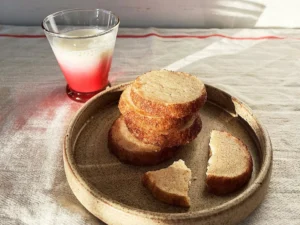
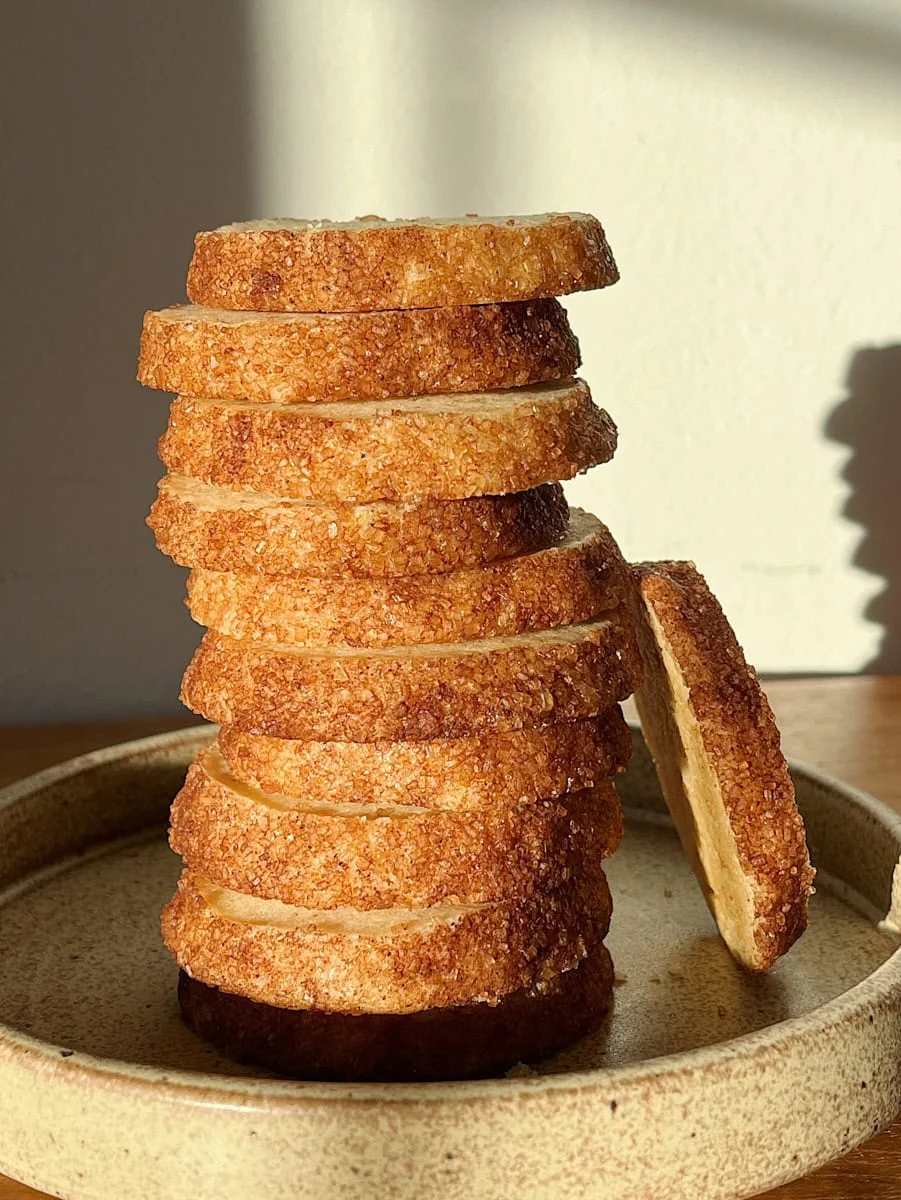
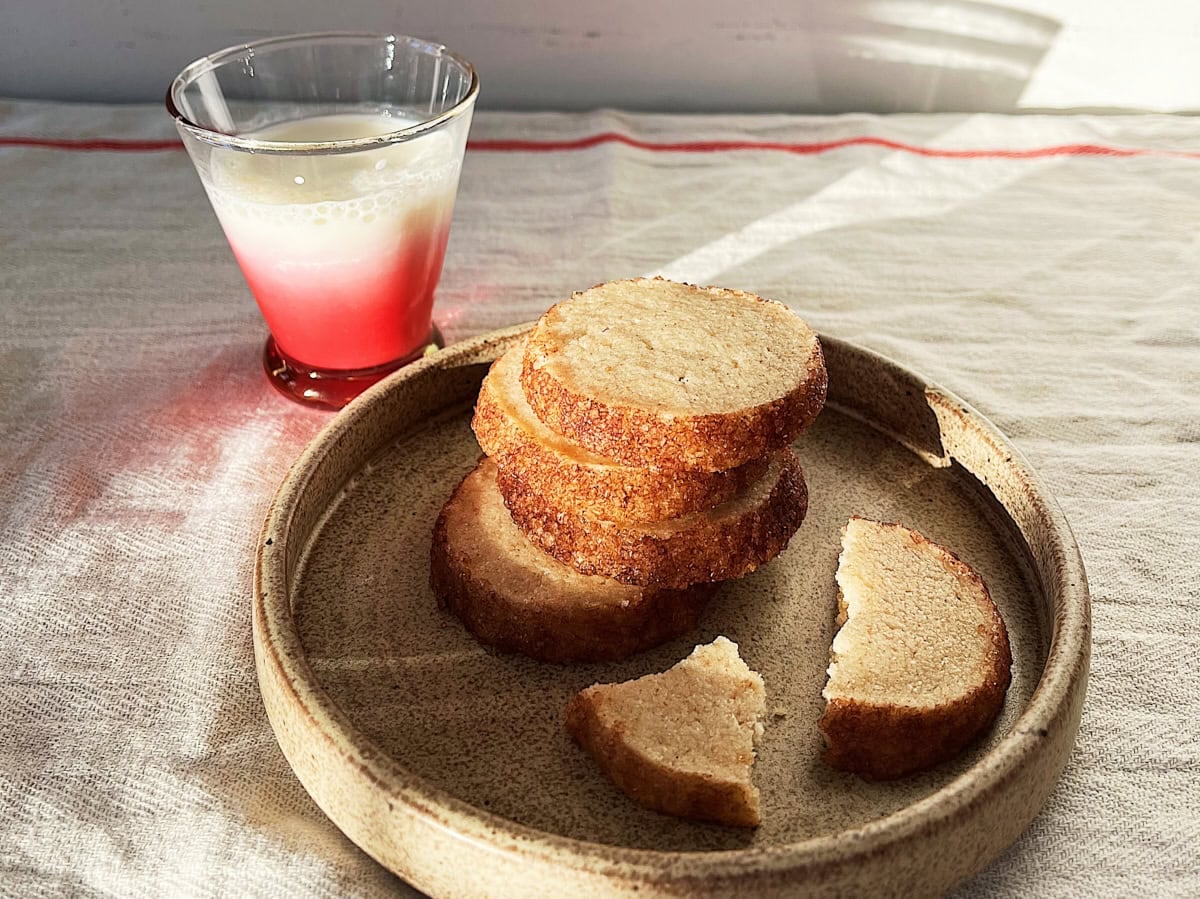
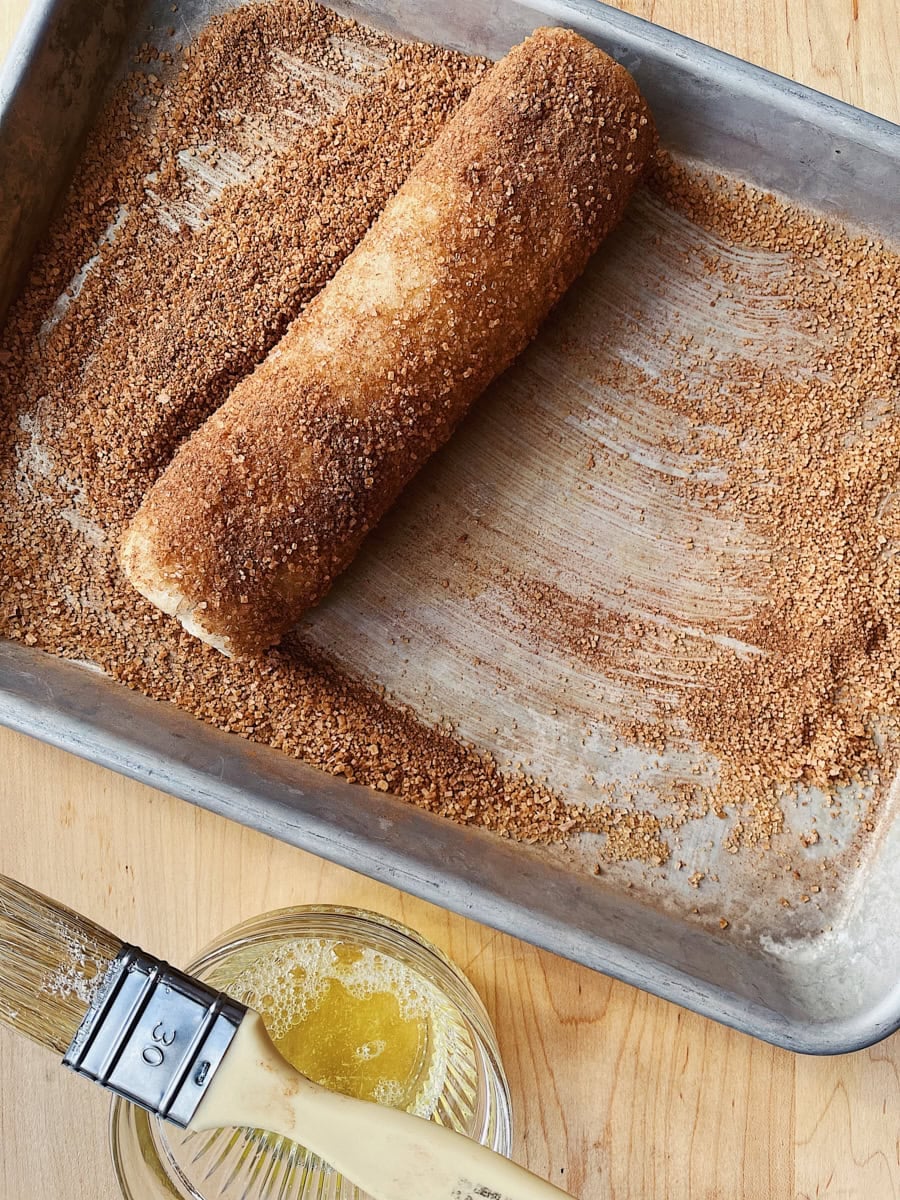
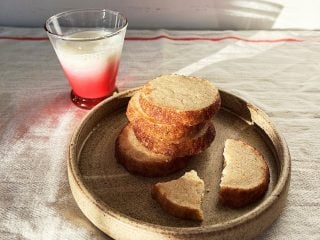
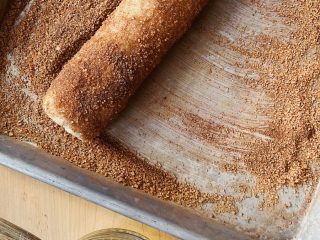
The distinctive "cinnamon toast" moniker for these cookies is derived from their delightful coating of Demerara sugar and cinnamon. This sweet, slightly coarse exterior provides a textural contrast to the buttery, subtly tangy dough. While they may not boast the visual flair of heavily decorated cookies often seen on holiday platters, their comforting, familiar flavor profile is sure to win over even the most discerning palates. The simplicity of their adornment, eschewing flashy toppings like colorful sanding sugar or crushed candy canes, allows the inherent quality of the ingredients to shine through, a testament to the adage that sometimes, less is more.
The Art of Balancing Flour and Flavor
A key insight into the success of these cookies lies in the deliberate deviation from the standard cookie ratio of one part sugar, two parts butter, and three parts flour by weight. This conventional ratio, while reliable for many cookie types, can result in a texture that is overly stiff and floury, particularly in slice-and-bake varieties that lack the richness of eggs or the inherent chewiness derived from higher sugar content.
The recipe thoughtfully adjusts this balance. By employing 250 grams (approximately 2 cups) of all-purpose flour, augmented by an additional 35 grams derived from sourdough starter discard, the ratio of sugar (150 grams) to butter (226 grams) to flour is recalibrated to approximately 1 : 1.5 : just under 2. This adjustment is crucial. It ensures that the cookies remain tender and melt-in-your-mouth, avoiding the dense, crumbly texture that can sometimes plague flour-forward baked goods. The inclusion of sourdough discard not only contributes to the flour quantity but also imparts a subtle tang that elevates the overall flavor profile, preventing the cookies from being cloyingly sweet.
The Unsung Hero: Quality Butter
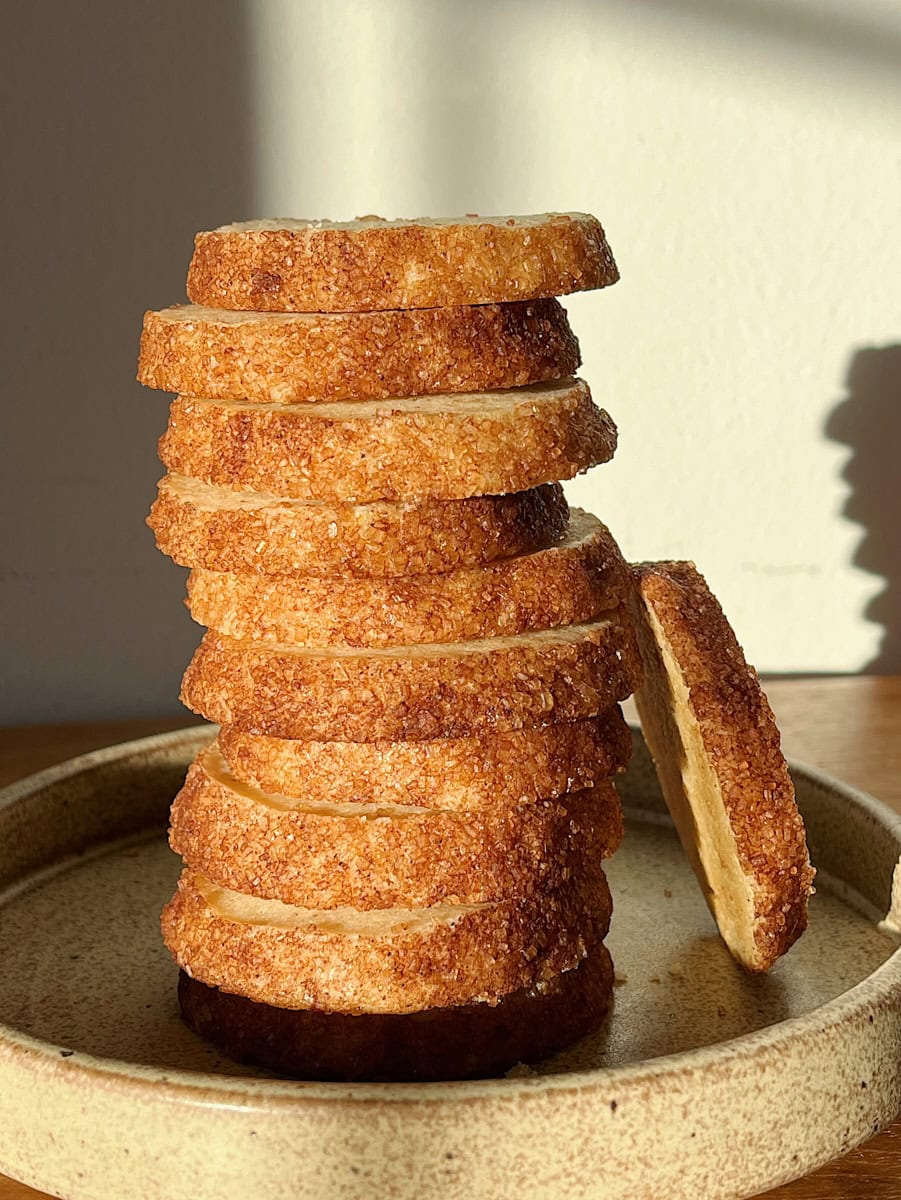
In recipes where the ingredient list is concise, the quality of each component becomes paramount. For these cinnamon toast cookies, the butter plays a starring role. The recipe explicitly recommends using high-quality butter, ideally a European-style butter, which typically boasts a higher fat content and a richer flavor. This distinction is not merely a matter of preference; the superior fat content contributes to a more tender crumb and a more pronounced buttery essence that permeates the entire cookie. The subtle differences in flavor and texture imparted by premium butter can significantly elevate a simple cookie from good to exceptional.
The Sourdough Starter Discard Advantage
The incorporation of sourdough starter discard is a practice increasingly embraced by home bakers, not only for its ability to reduce food waste but also for the unique characteristics it lends to baked goods. In the context of these cookies, the discard contributes moisture and a mild acidity that balances the richness of the butter and sugar.
Traditionally, shortbread-style cookies, which share some textural similarities with these slice-and-bakes, often omit water. While browning the butter is a technique commonly employed to achieve a deeper, nuttier flavor and to reduce moisture content in other cookie recipes, such as sugar cookies, chocolate chip cookies, and oatmeal raisin cookies, it is not deemed necessary here. The inherent moisture from the sourdough starter discard provides sufficient hydration, eliminating the need for additional liquids or water-evaporating techniques like browning the butter. This simplifies the process and allows the natural flavors of the butter and sourdough to be the primary focus.
Enhancing Flavor: A Playground for Creativity
While the classic cinnamon and Demerara sugar coating is undeniably appealing, the recipe offers a wealth of suggestions for those who wish to explore further flavor dimensions. The dough itself can be a canvas for various additions. Citrus zest, such as lemon, grapefruit, or orange, can introduce a bright, zesty counterpoint to the sweetness. Alternative extracts like rose water, orange flower water, or almond extract can be used in place of or in conjunction with vanilla, offering more complex aromatic profiles. A hint of toasted sesame oil can introduce subtle roasty-toasty undertones, adding an unexpected layer of depth.
For textural variation, chopped chocolate or toasted nuts can be incorporated directly into the dough. For a more sophisticated flavor profile, instant coffee or espresso, powdered teas like matcha and hojicha, or even finely ground tea leaves such as Earl Grey, can be added. The FAQ section provides specific guidance on measurements for these additions, empowering bakers to customize the cookies to their individual preferences.
Similarly, the sugar coating can be adapted. Ground cardamom or sumac can serve as intriguing alternatives to cinnamon, offering different spice profiles. Toasted white or black sesame seeds can provide a nutty crunch and visual appeal alongside the sugar.
The Role of Equipment in Baking Efficiency
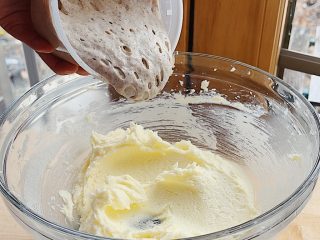
The preparation of the cookie dough is made significantly easier with the use of an electric mixer, whether it be a hand-held beater or a stand mixer. These appliances efficiently cream the butter and sugar, forming the foundational structure of the dough. However, for those with strong arms and a preference for a more hands-on approach, the dough can certainly be prepared by hand. The mention of specific, highly-regarded baking tools, such as "Maurizio’s all-time favorite hand mixer, the Breville Handy Mixer," highlights a community’s shared appreciation for quality equipment that enhances the baking experience.
The Crucial Step: Chilling the Dough
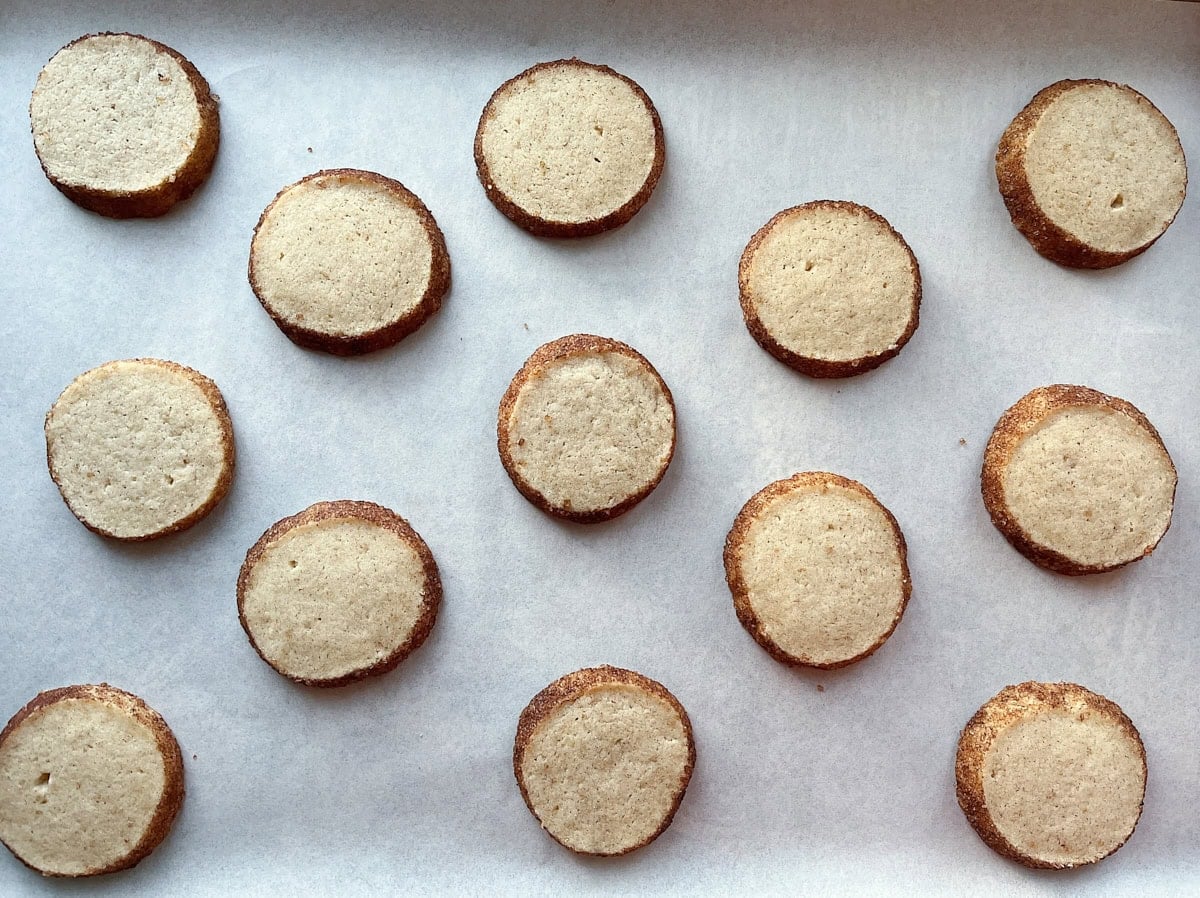
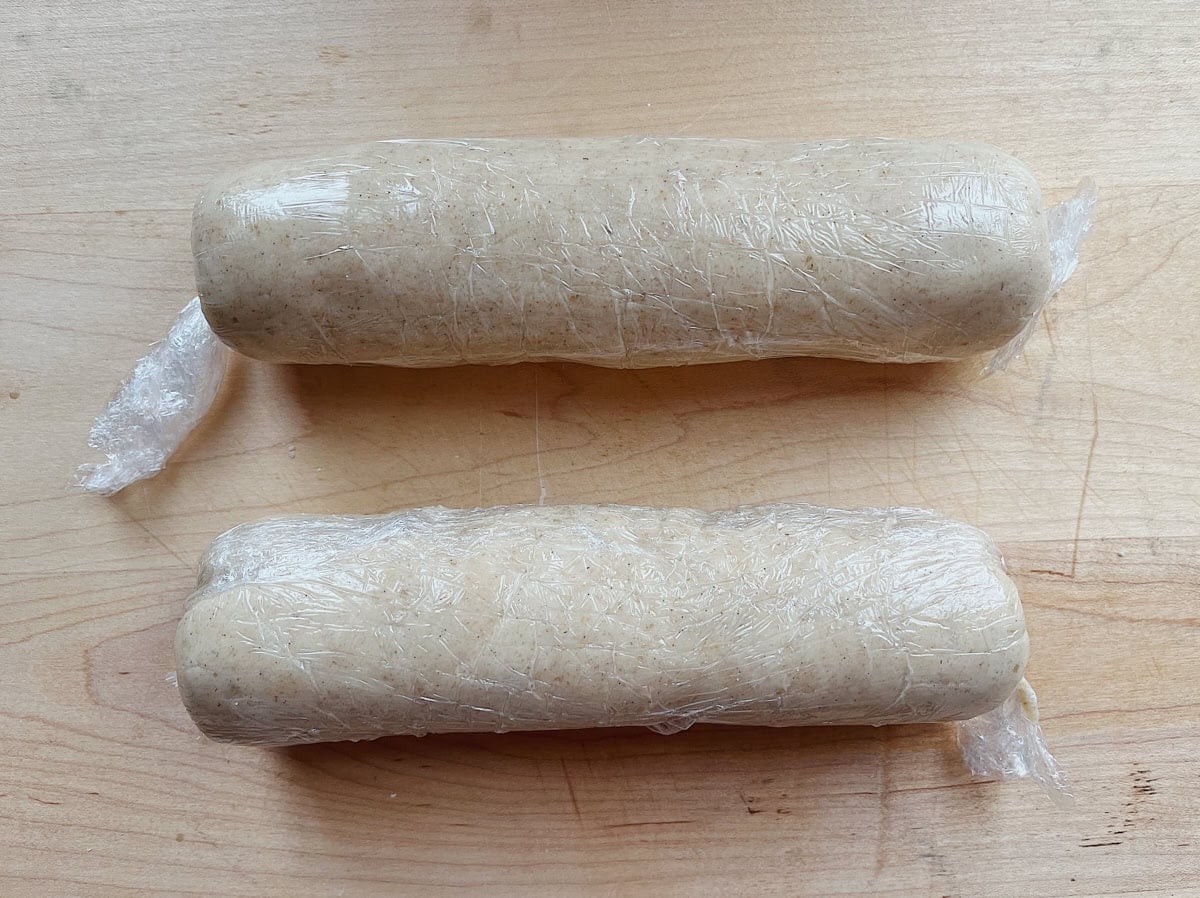
Given the higher ratio of butter to flour in this recipe, the dough is inherently soft and pliable. This characteristic, while contributing to a tender cookie, can also lead to excessive spreading during baking if the dough is not properly chilled. Therefore, refrigerating the dough for at least two hours is a critical step. This period allows the butter to re-solidify, which in turn controls the spread of the cookies, ensuring they maintain their intended neat, round shape. The visual evidence provided in accompanying images often illustrates the difference chilling makes, showcasing perfectly formed cookie rounds.
Baking for Perfection: Patience and Observation
The presence of water within the sourdough starter means that these cookies possess a higher hydration level than many other cookie types. This can make it challenging to gauge doneness, as the tops may not develop a deep brown color. The true indicator of a properly baked cookie often lies in its bottom. A slightly underbaked cookie can be less desirable than its perfectly baked counterpart, especially when compared to the forgiving nature of a gooey chocolate chip cookie. The recommendation to bake for a minimum of 14 minutes serves as a practical guideline, encouraging bakers to err on the side of slightly longer baking times to ensure the cookies are fully set and cooked through.
A Culinary Chronology of the Cinnamon Toast Cookie
The concept of the slice-and-bake cookie has roots in early 20th-century American baking, gaining popularity as a time-saving alternative to traditional methods. The incorporation of sourdough starter discard into recipes, while having ancient origins in bread making, has seen a resurgence in recent years, driven by the growing interest in artisanal baking and waste reduction. This particular recipe represents a modern fusion, combining a time-tested technique with a contemporary ingredient and flavor profile. The development of this recipe likely involved iterative testing, as evidenced by the detailed explanations regarding flour ratios and baking times, aiming to achieve the perfect balance of texture and taste.

Broader Implications and the Future of Baking
The popularity of recipes like these Cinnamon Toast Sourdough Discard Cookies reflects several broader trends in the culinary world. Firstly, there’s an increasing appreciation for "ugly delicious" food – items that prioritize flavor and comfort over elaborate presentation. Secondly, the zero-waste movement continues to inspire creative uses for common kitchen byproducts, such as sourdough discard. Finally, the enduring appeal of classic flavors, reinterpreted with a modern twist, ensures that traditional favorites remain relevant and exciting.
The adaptability of this recipe, with its numerous flavor variations, also speaks to a growing desire among home bakers to personalize their creations. As bakers become more confident and experimental, recipes that offer a solid foundation and encourage creative input are highly valued. The inclusion of FAQs further democratizes the baking process, providing answers to common questions and troubleshooting potential issues, making sophisticated baking techniques more accessible to a wider audience.
In conclusion, these Cinnamon Toast Sourdough Discard Cookies are more than just a recipe; they are a celebration of simplicity, resourcefulness, and deliciousness. They embody the spirit of holiday baking – offering comfort, joy, and a delightful taste of home, all with a practical approach that fits seamlessly into busy schedules. Their success lies in the thoughtful balance of ingredients, the clever use of sourdough discard, and the timeless appeal of a well-executed classic, elevated by a subtle, yet impactful, cinnamon sugar embrace.