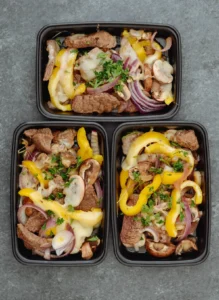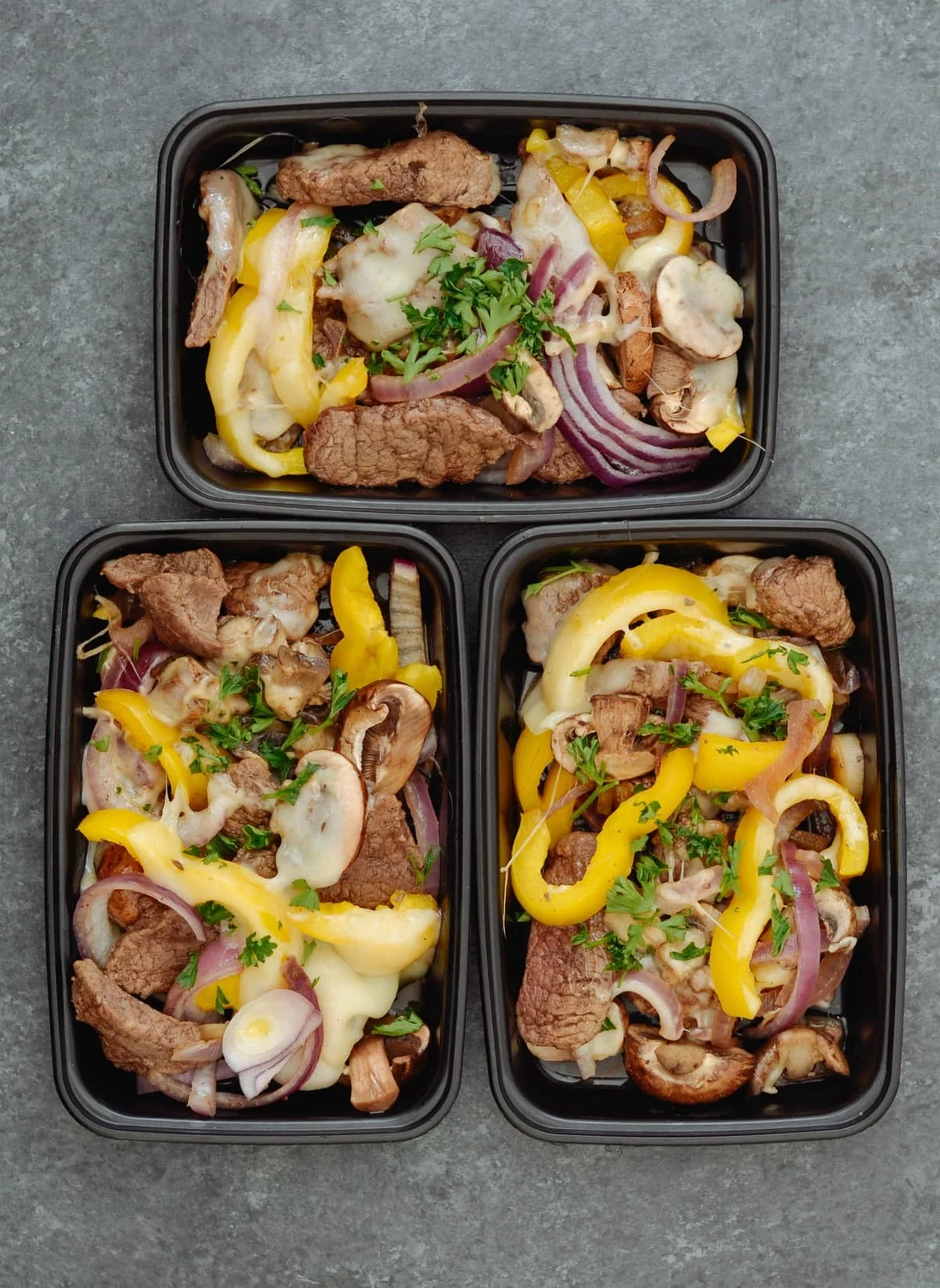

The Philadelphia cheesesteak, a staple of American regional cuisine, has undergone a significant transformation within the meal preparation industry. Originally conceived as a localized street food, the dish has been adapted to meet the growing consumer demand for high-protein, low-carbohydrate nutritional solutions. This adaptation involves a fundamental shift in preparation techniques—moving away from traditional griddles toward skillet and flat-top methodologies—while maintaining the core flavor profile that defined the dish in the 1930s.
Historical Context and Culinary Origins
The origins of the cheesesteak are traced back to the early 1930s in South Philadelphia. According to historical records provided by Visit Philadelphia, the dish was popularized by Pat and Harry Olivieri. The brothers, who operated a hot dog stand, reportedly experimented with thinly sliced beef and sautéed onions on a roll, replacing their standard inventory. The sandwich gained rapid traction among local laborers and cab drivers, leading to the establishment of Pat’s King of Steaks. This location remains a permanent fixture in the city’s culinary landscape, operating on a 24-hour basis and serving as the benchmark for the original product.
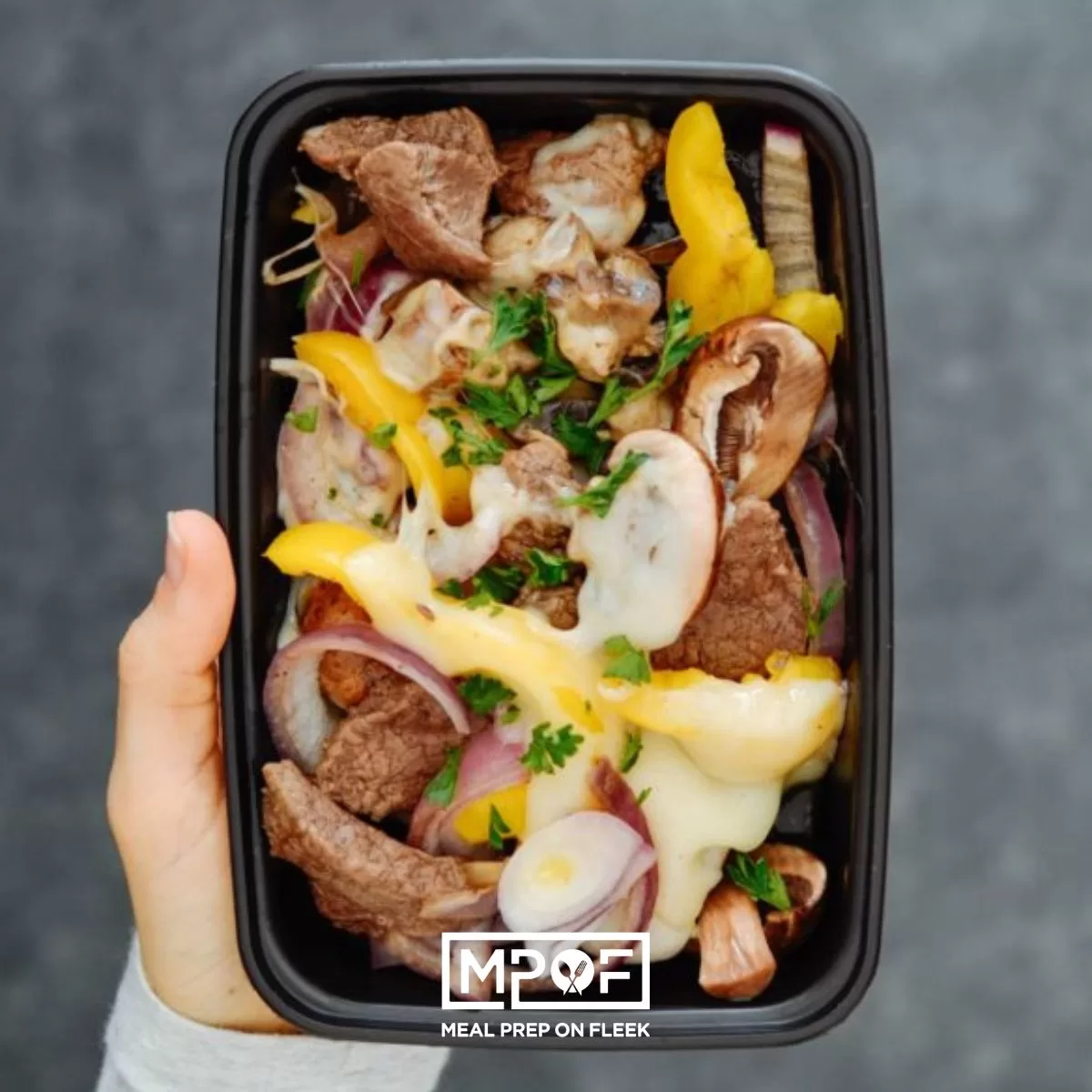
For decades, the cheesesteak was synonymous with the high-carb, high-calorie profile of a traditional hoagie. However, the rise of the meal preparation movement—a sector that saw a global market valuation increase significantly throughout the 2010s—necessitated a reevaluation of such classic recipes. Nutritionists and meal prep strategists have identified the cheesesteak’s primary components—ribeye or sirloin steak, onions, and melted cheese—as inherently compatible with low-carb dietary frameworks, provided the bread component is removed or replaced.

The Shift to High-Efficiency Cooking Methods
The transition from a restaurant-style sandwich to a scalable meal-prep dish has sparked a debate over cooking surfaces. Professional culinary experts emphasize that the choice between a skillet and a griddle is not merely a matter of convenience but a tactical decision regarding the Maillard reaction—the chemical process that gives browned food its distinctive flavor.
The griddle offers a superior surface area, allowing for higher heat retention and more uniform distribution. When cooking thinly sliced ribeye, the griddle facilitates the development of crispy edges while preventing the meat from stewing in its own juices, a common pitfall of smaller, deeper skillets. This technical nuance is particularly critical for meal prep, where the final product must maintain its texture after being refrigerated and subsequently reheated.
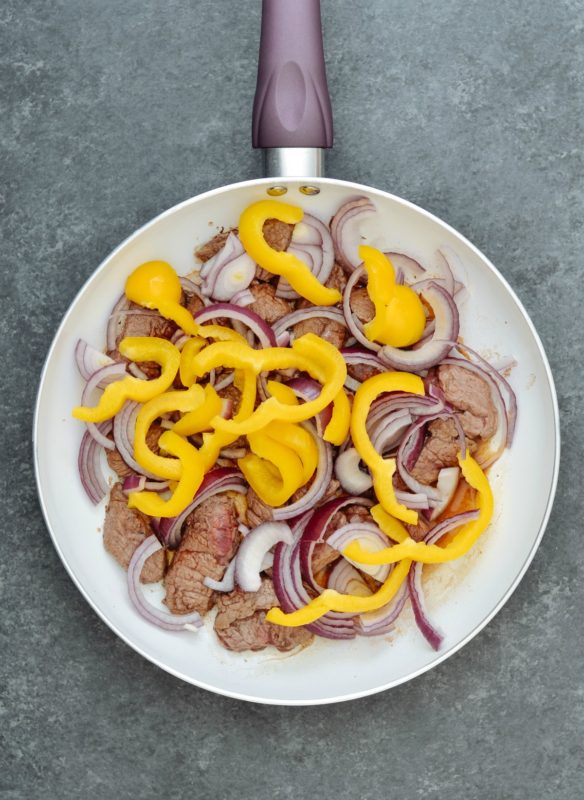
Data from food science laboratories suggests that the surface-area-to-volume ratio in griddle cooking increases the rate of protein browning by approximately 22% compared to standard sauté pans. This efficiency is a primary driver for why high-volume meal preppers have shifted toward residential flat-top attachments.
The Hatch Chile Variation: A Regional Fusion
In recent years, the integration of regional produce—specifically Hatch chiles from New Mexico—has introduced a new dimension to the standard cheesesteak recipe. The Hatch chile, prized for its smoky flavor and variable heat, provides an acidic balance to the high-fat content of ribeye and provolone cheese.
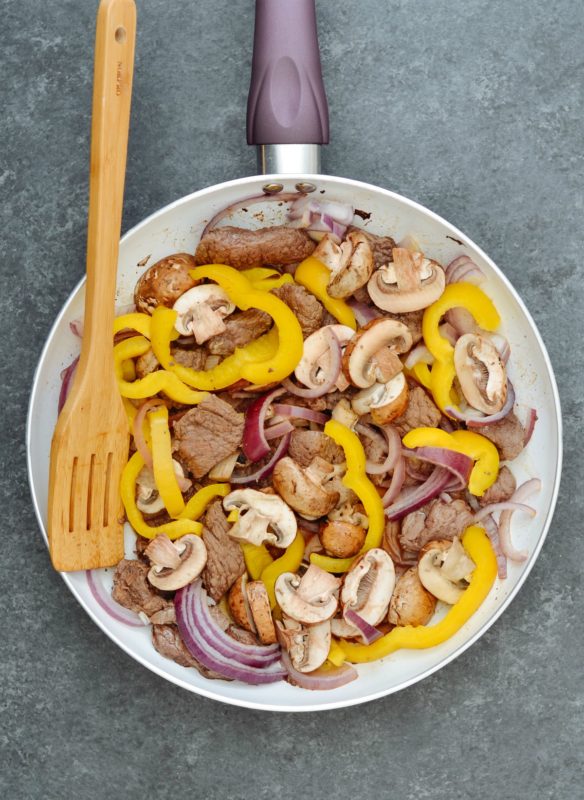
Culinary analysts note that this shift reflects a broader trend of "regional fusion" in American cooking, where traditional East Coast staples are being modified with Southwestern flavor profiles. While traditionalists in Philadelphia may view the addition of peppers as a deviation from the established "Philly style," market data indicates that such variations are highly sought after by younger demographics who prioritize flavor complexity and "gourmet-style" meal prep.
Nutritional Data and Dietary Implications
For the modern consumer, the transition to a low-carb cheesesteak model offers a specific nutritional profile. A standard serving of a deconstructed, bun-less cheesesteak typically provides:
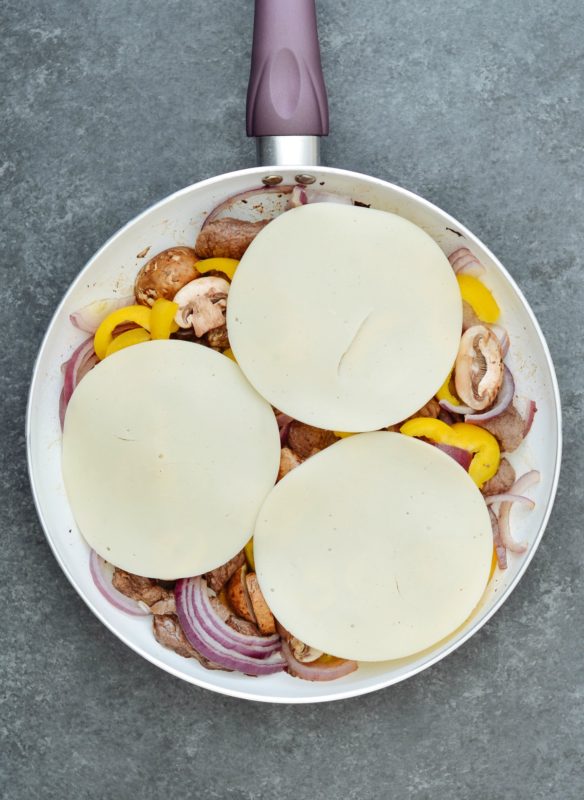
- Calories: 310–410 kcal
- Protein: 35g–38g
- Carbohydrates: 10g
- Fat: 14g–24g
This profile positions the dish as a high-protein option suitable for muscle recovery and metabolic management. By eliminating the hoagie roll—which typically contributes 200 to 300 empty calories and 40–50 grams of simple carbohydrates—the meal becomes a viable option for those adhering to ketogenic or low-glycemic index diets.
Logistical Considerations for Long-Term Storage
The effectiveness of any meal prep strategy relies heavily on food safety and structural integrity during the storage phase. Professional culinary guidelines recommend that cheesesteak components be stored in airtight containers at temperatures below 40°F (4°C). The recommended storage duration is limited to four days to ensure the quality of the beef remains consistent.
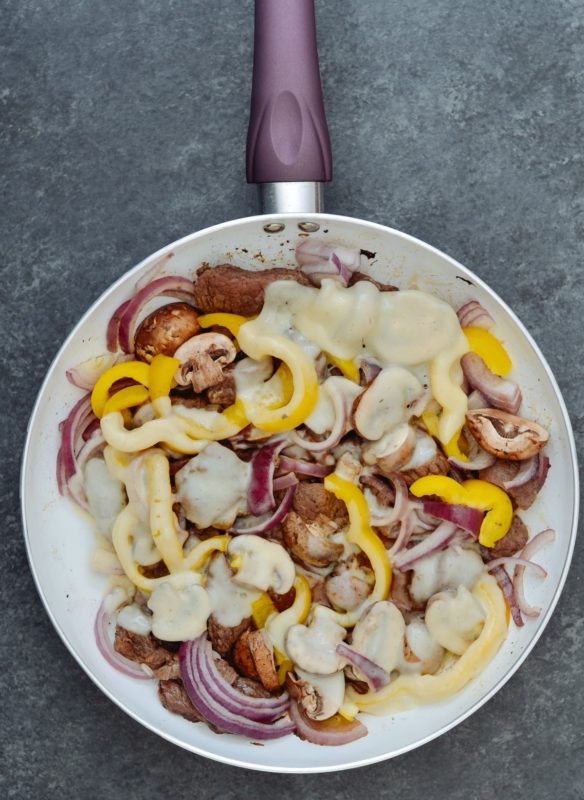
A critical challenge in meal prepping cheesesteaks is the prevention of "soggy" textures. Experts advise against pre-assembling sandwiches with bread, as the moisture from the steak and onions will compromise the structural integrity of the roll. Instead, the "deconstructed" method—where the protein and vegetable base is stored separately from the carbohydrates—is the industry standard for maintaining quality. Reheating should be performed at moderate temperatures to prevent the protein from becoming overcooked or rubbery.
Market Impact and Future Outlook
The adaptation of the cheesesteak into the meal prep sphere is indicative of a broader shift in consumer behavior. With the growth of remote work and the subsequent increase in home-based lunch preparation, consumers are increasingly seeking "restaurant-quality" meals that can be prepared in bulk.
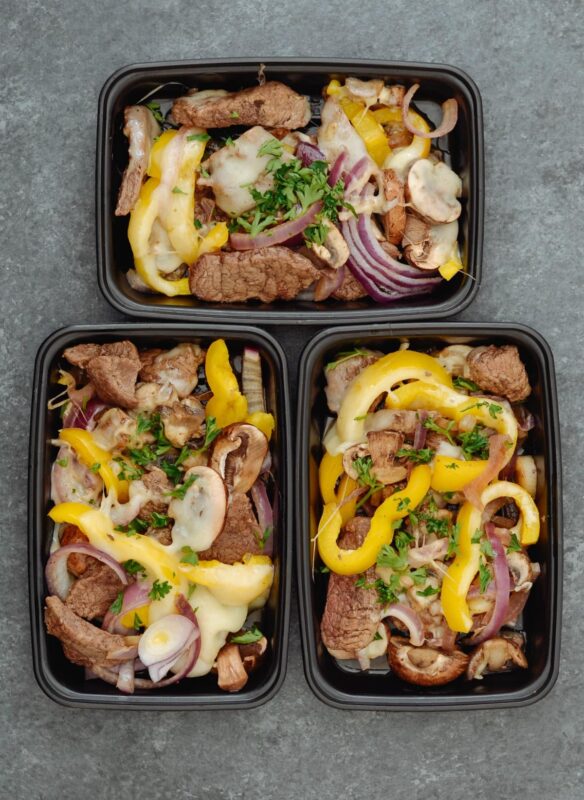
Industry observers suggest that the "professionalization" of home meal prep—utilizing tools like restaurant-grade griddles and precise protein selection—will continue to grow. The use of ribeye, once considered a luxury item, is becoming more common in home meal prep as consumers shift their grocery spending toward higher-quality proteins and away from processed convenience foods.
Furthermore, the flexibility of the recipe allows for significant scalability. Whether a home chef is cooking for one or a family of five, the core mechanics of the dish—sautéing onions, searing protein, and melting cheese—remain consistent. This simplicity, combined with the dish’s high satiety factor, suggests that the cheesesteak will remain a permanent fixture in the meal prep canon for the foreseeable future.
Conclusion
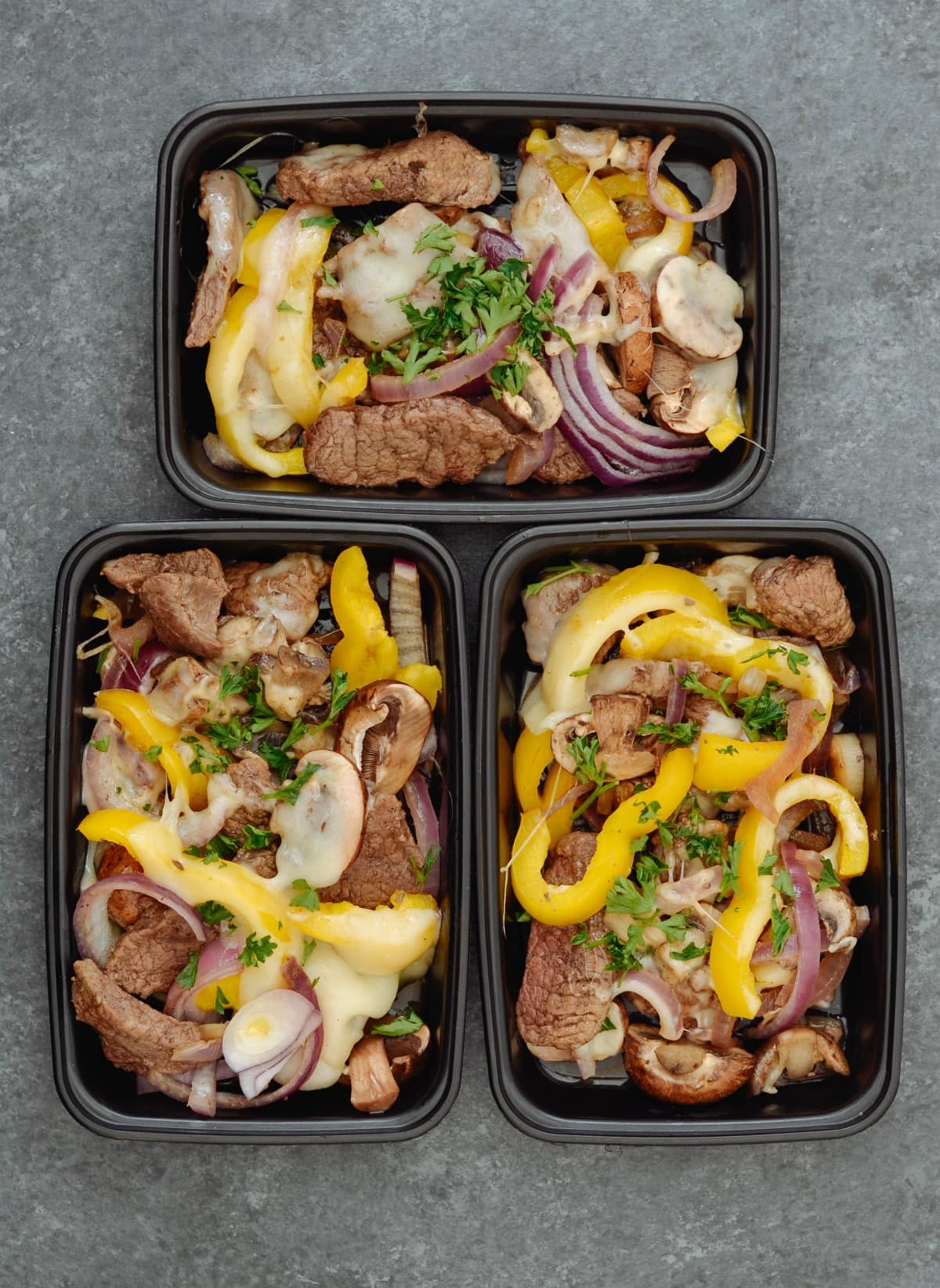
The evolution of the Philly cheesesteak from a 1930s street-food innovation to a cornerstone of modern meal preparation demonstrates the resilience and adaptability of American regional cuisine. By prioritizing high-quality ingredients, utilizing efficient cooking technologies like the griddle, and adapting to modern nutritional requirements, the cheesesteak has successfully transcended its origins. Whether prepared with traditional ingredients or modified with contemporary additions like Hatch chiles, the dish offers a robust, protein-dense solution for the modern, time-conscious consumer, ensuring its continued relevance in the evolving culinary landscape.