
The modern household pantry often harbors a silent surplus: rows of home-canned fruit preserves from a previous season’s gardening windfall, slowly gathering dust as breakfast habits shift away from morning toast. Culinary experts and home-economists are now highlighting an innovative, rapid-response solution to this common domestic issue, turning forgotten jars of homemade jam into warm, artisanal fruit crumbles in a matter of minutes. This culinary trend bridges the gap between waste reduction and home-style baking, offering an efficient method to repurpose preserved fruit yields without the need to start a dessert from scratch.
Background and Context of Pantry Preservation

The practice of home canning and fruit preservation has experienced a significant cultural and economic renaissance over the past decade. Driven by a renewed interest in self-sufficiency, sustainable living, and local agriculture, millions of households regularly engage in preserving seasonal gluts of berries, stone fruits, and orchard harvests. However, a frequent logistical challenge accompanies this hobby: the math of preservation rarely matches the daily consumption rates of an average family.
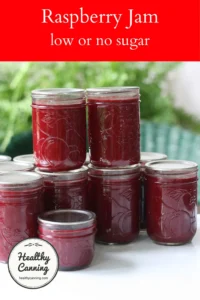
A single productive summer fruit tree can yield dozens of half-pint or pint jars of strawberry, blackberry, peach, or plum jam. While preserved fruit boasts an impressive shelf life—often remaining safe and palatable for years when properly sealed—households frequently cycle through their preferences, leaving certain flavors neglected at the back of the pantry shelves. Culinary analysts note that these aging preserves maintain their structural integrity and concentrated flavors long after their initial canning date, making them an ideal, pre-sweetened, and pre-thickened fruit filling for baked goods. Rather than allowing these preserved assets to degrade in quality or face eventual disposal, modern home cooks are adopting a zero-waste philosophy that re-engineers pantry staples into fresh evening desserts.
The Mechanics of the Instant Jam Crumble Concept
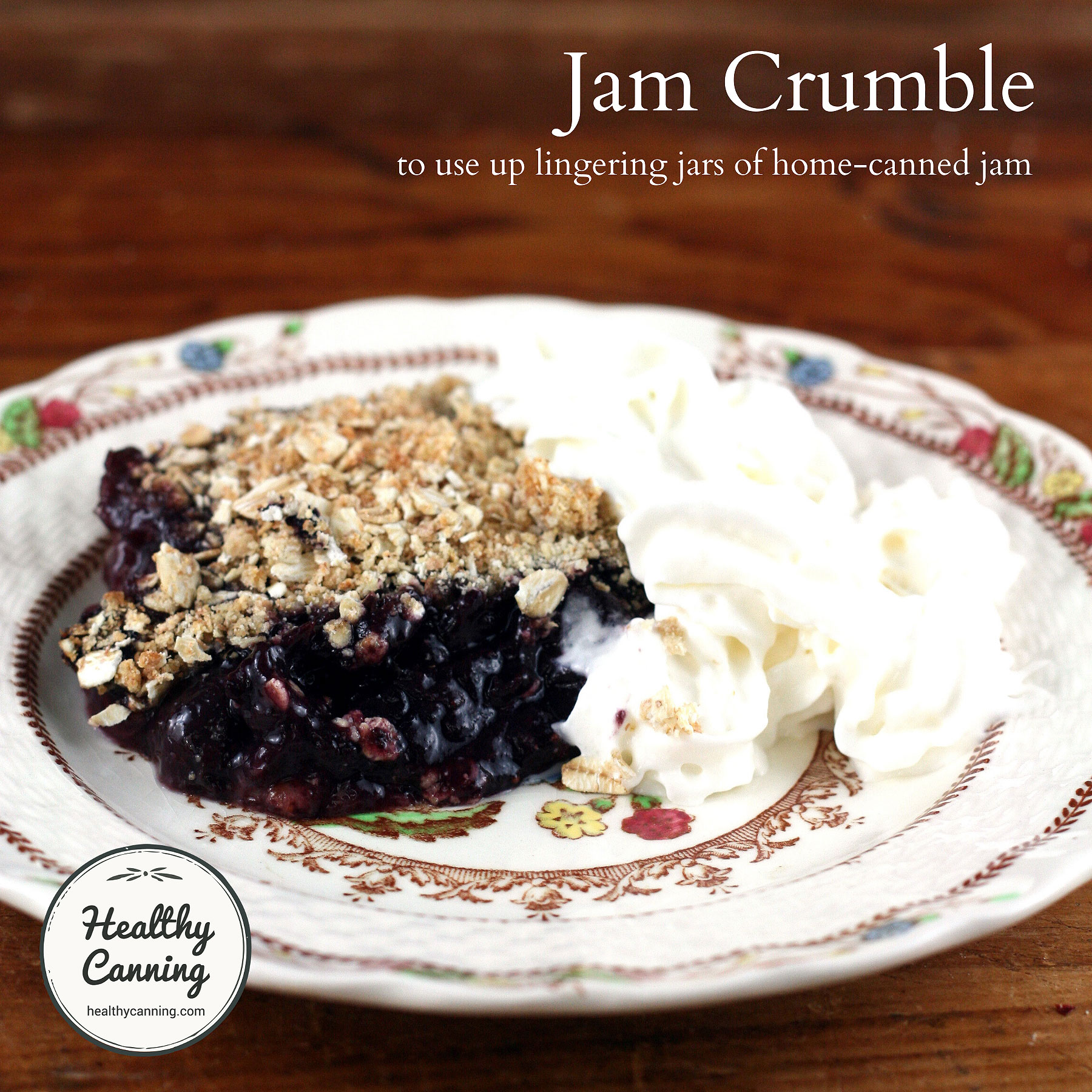
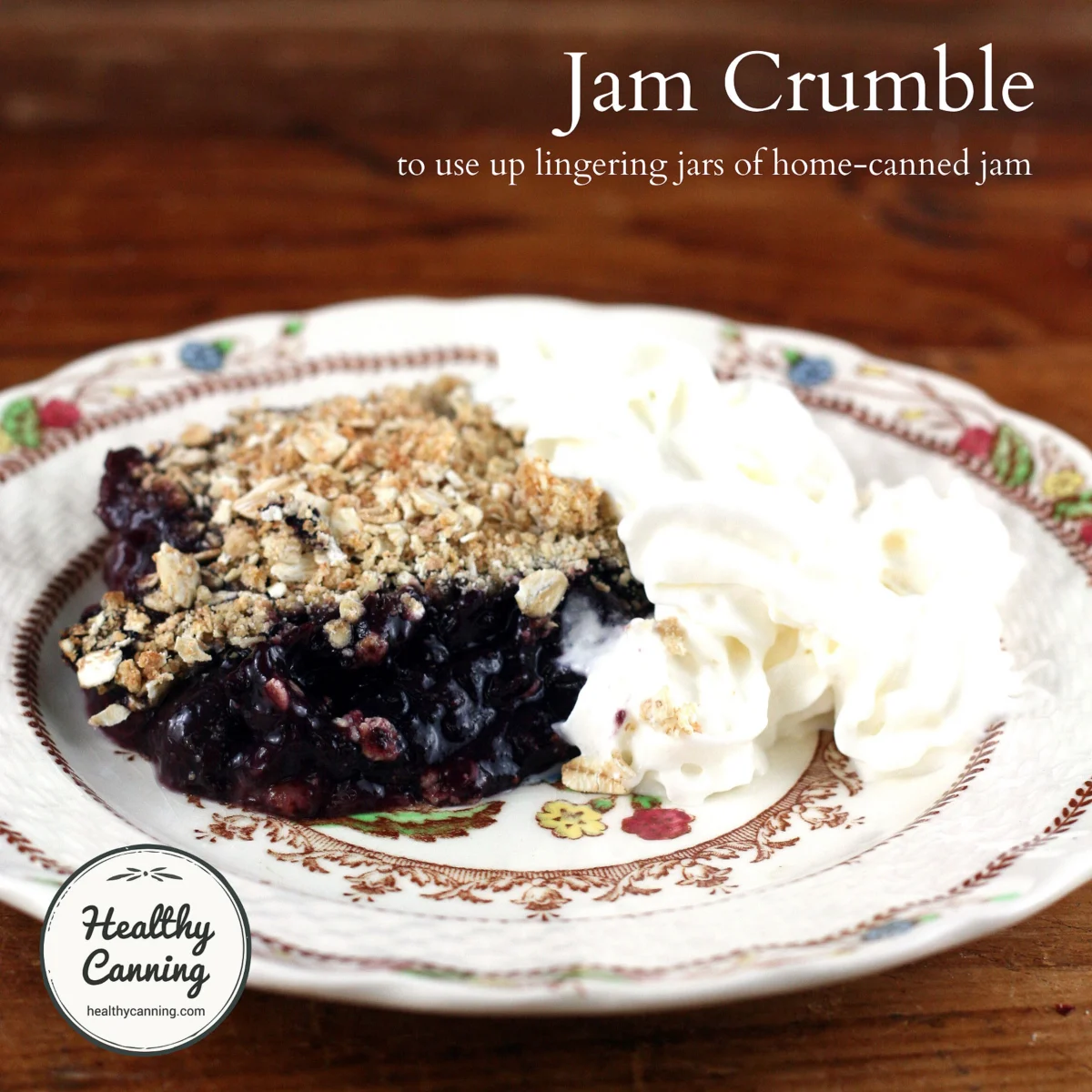
Unlike traditional fruit crumbles, which require extensive preparation—including washing, peeling, chopping, macerating, and pre-cooking fresh or frozen fruit with thickeners and sugar—the jam crumble concept bypasses the labor-intensive prep phase entirely. The core mechanics of the dish rely on the chemical and physical properties already present in the preserved jar. Because jam is already cooked down to a stable gel with adjusted sugar levels and natural or added pectin, it acts as an instant, uniform fruit base when transferred directly into a baking vessel.
To execute a standard two-cup yield dessert, home cooks require minimal intervention. The preparation timeline is remarkably compressed:
- 0 to 5 Minutes: Selection and extraction of one pint (500 ml) or two half-pint (250 ml) jars of jam. The contents are emptied directly into a greased baking dish. Culinary variations allow for dual-flavor layering—such as pairing a tart raspberry jam with a sweet apricot preserve—to create complex flavor profiles without additional ingredients.
- 5 to 10 Minutes: Assembly of the crumble topping. Utilizing a quick oatmeal pancake mix, or combining foundational dry goods consisting of one-half cup of rolled oats, two tablespoons of all-purpose flour, one tablespoon of granulated sugar, and a pinch of salt, followed by cutting in two tablespoons of cold butter until the mixture resembles coarse crumbs.
- 10 to 45 Minutes: Thermal processing. The assembled dessert is placed into a preheated oven set to 175 degrees Celsius (350 degrees Fahrenheit) and baked for approximately 35 minutes, or until the topping is golden brown and the underlying jam bubbles at the edges.
Economic and Nutritional Implications
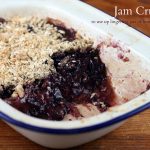
From a nutritional and economic standpoint, repurposing home-canned preserves offers notable flexibility. Food economists point out that utilizing pre-made ingredients significantly reduces kitchen prep time and lowers the cognitive load associated with meal planning on weeknights. Furthermore, the adaptability of the crumble topping accommodates various dietary requirements.
Health-conscious consumers and participants in structured dietary programs, such as Weight Watchers, have increasingly turned to low-sugar or sugar-free home-canned jams to minimize caloric density while retaining rich fruit flavors. By pairing these specialized preserves with a modest, fiber-rich oat topping, the resulting dessert can fit comfortably within calorie-restricted nutritional frameworks. Conversely, traditional preparations can be enhanced with supplementary butter, spices such as cinnamon and nutmeg, or extra sweeteners depending on individual preference and caloric goals.
Scalability and Long-Term Storage Strategies
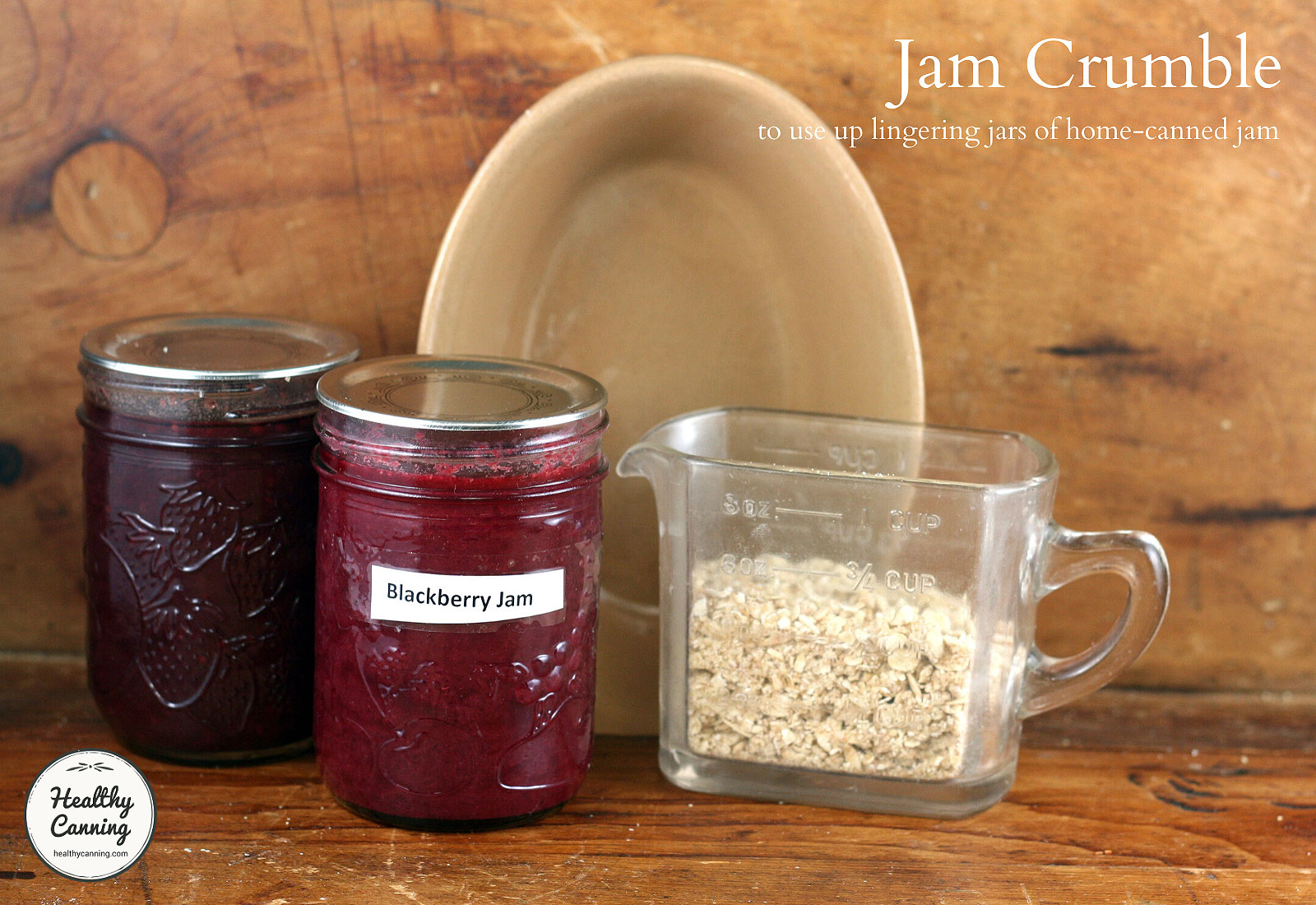
To maximize kitchen efficiency, culinary specialists recommend batch-preparing and preserving the dry components of the dessert. Tripling or quadrupling the crumble topping mixture allows cooks to store the excess in airtight containers within household freezers. This dry-mix storage method reduces future dessert preparation times to under two minutes: a home cook simply retrieves a jar of jam from the pantry, scoops out frozen or pre-chilled crumble topping from the freezer, combines them in a dish, and applies heat.
Industry experts emphasize that this methodology aligns with broader consumer shifts toward resourceful home cooking, minimizing food waste, and maximizing the utility of home-grown or bulk-purchased agricultural goods. As domestic kitchens continue to navigate economic pressures and a desire for comforting, scratch-made meals with minimal effort, the integration of pantry preserves into rapid-assembly desserts offers a practical blueprint for sustainable home economics.