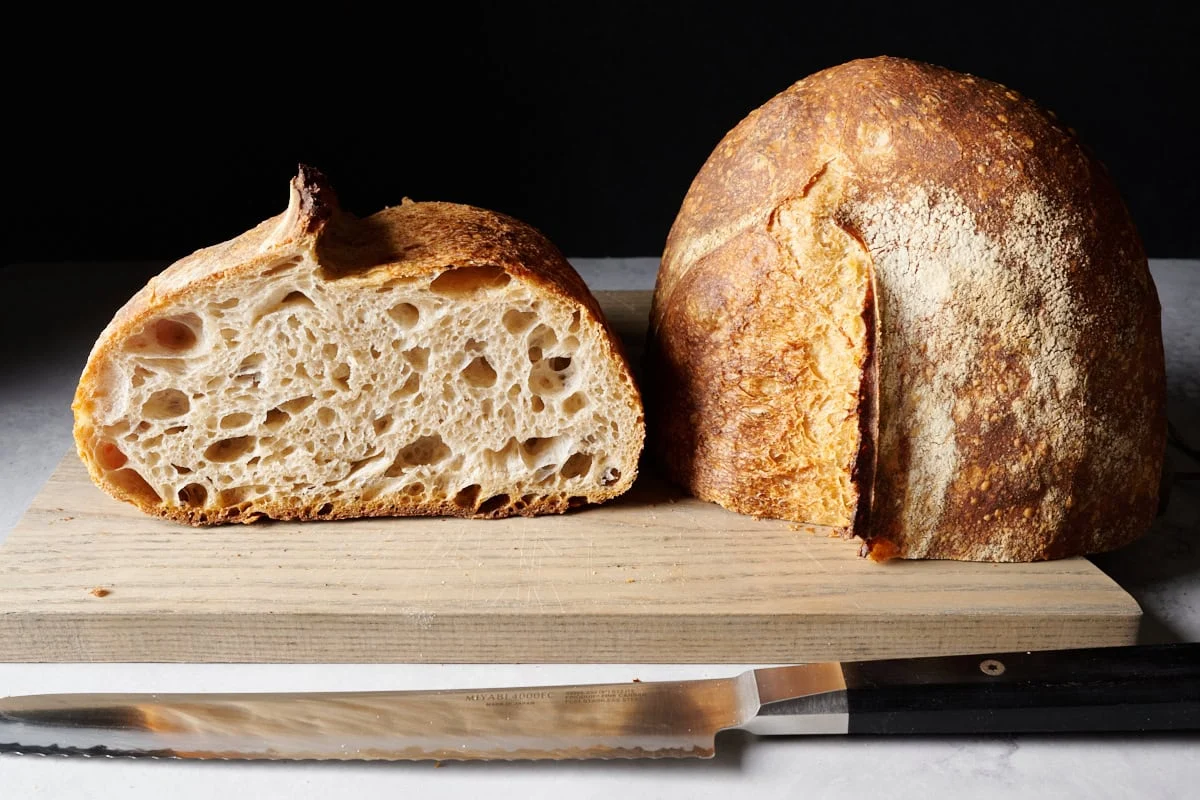

The definitive characteristic of artisanal sourdough bread—its distinct acidity—is frequently the subject of debate among both commercial bakers and home culinary enthusiasts. While some consumers actively seek an assertive, mouth-puckering tang, others prefer a milder, more nuanced flavor profile where acidity merely complements the rich, grain-forward notes of the loaf. Recent insights from baking scientists and master bread-makers indicate that this flavor profile is not a matter of chance, but the predictable outcome of precise biological and chemical manipulations throughout the breadmaking lifecycle.
For decades, the mechanisms governing sourdough fermentation remained largely intuitive, driven by generational knowledge rather than empirical science. However, contemporary culinary research has demystified the process, revealing that the distinct sourness of a loaf is the direct result of an intricate biological interaction between time, temperature, flour composition, and the microorganisms inhabiting the starter culture. By understanding these variables, bakers can systematically calibrate their processes to achieve exact flavor specifications ranging from mild and buttery to intensely pungent.
Chemical Foundations of Sourdough Acidity
At the microscopic level, the characteristic sour profile of sourdough is governed primarily by two organic compounds produced during microbial fermentation: lactic acid and acetic acid. Lactic acid bacteria (LAB), which live symbiotically within the sourdough starter alongside wild yeasts, generate these acids in varying ratios depending on their surrounding environment.
Lactic acid yields a smooth, mild, yogurt-like sourness, contributing a creamy depth to the crumb. Conversely, acetic acid is sharper, more pungent, and volatile—sharing its chemical identity with vinegar. Because acetic acid possesses a significantly higher vapor pressure than lactic acid, it is the primary compound detected by human olfaction when evaluating a sharp starter culture.
The production of these acids is intrinsically linked to the pH levels of the dough. As LAB metabolize available carbohydrates, they excrete organic acids, causing the pH to drop steadily. Eventually, this acidic threshold reaches a point where bacterial activity is naturally suppressed, acting as a self-limiting biological mechanism. Consequently, any intervention that extends the window of bacterial activity prior to reaching this pH floor—such as increased mineral buffering from whole grains or prolonged fermentation timelines—yields a higher total acid concentration and a more pronounced sour flavor.
Chronology and Operational Levers for Flavor Control
Bakers manipulate this biochemical process through deliberate interventions at distinct stages of production, spanning starter maintenance, bulk fermentation, and final proofing.
To systematically increase acidity, practitioners often utilize a starter or levain that has progressed past its peak ripeness. A collapsed, highly frothy starter with a loose consistency and a sharp vinegar aroma indicates that the resident microorganisms have exhausted their immediate food supply and accumulated significant acid levels. Incorporating this over-ripe culture into a dough transfers the elevated baseline acidity directly into the final product.
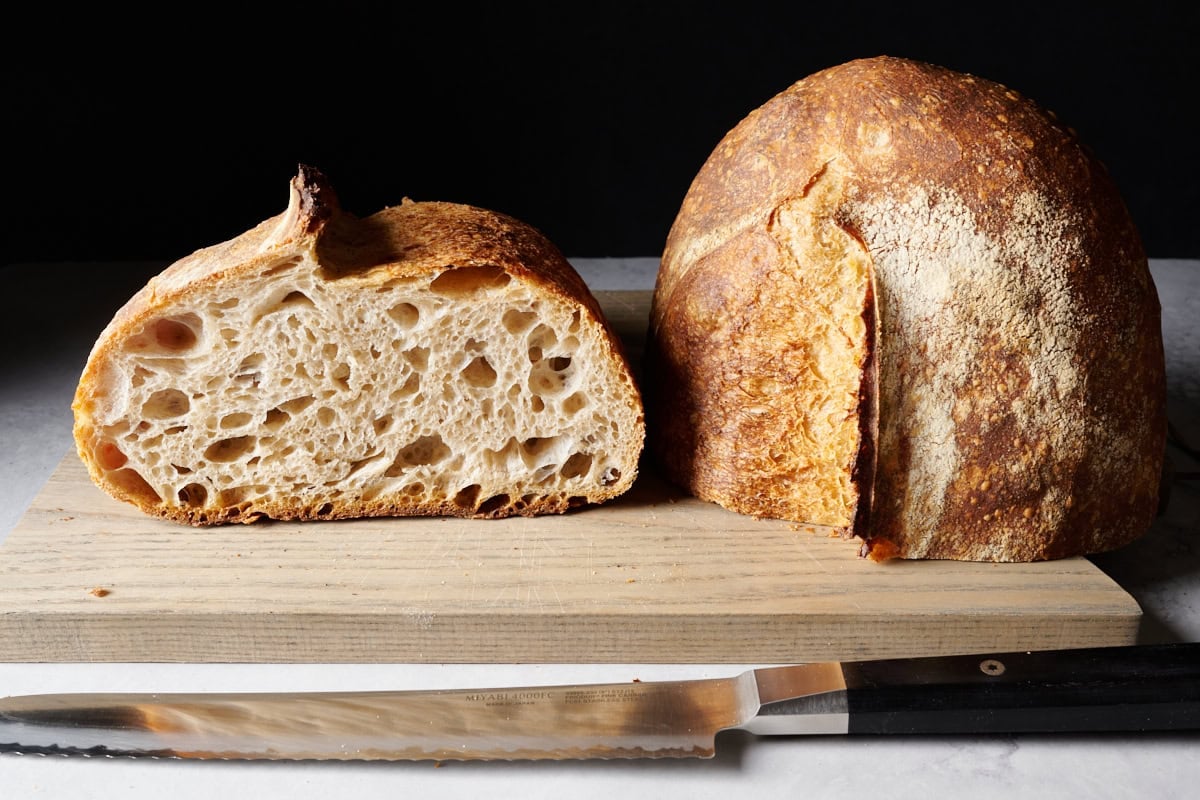
Temperature management serves as another critical chronological lever. Fermenting dough at warmer ambient temperatures—typically between 78°F and 82°F (25°C to 28°C)—accelerates overall microbial metabolism, maximizing total acid production. However, shifting to cooler environments during final proofing alters the ratio of acid types. Extended cold fermentation, commonly referred to as retarding, slows yeast activity less severely than bacterial activity. This imbalance encourages a higher proportion of acetic acid accumulation over extended periods, ranging from 24 to 48 hours. While this method successfully intensifies the sharp tang favored by enthusiasts of extra-sour bread, prolonged exposure to cold temperatures and high acidity can eventually degrade gluten structures, demanding careful oversight to prevent structural collapse during baking.
Conversely, bakers aiming to suppress acidity implement a contrasting set of protocols. Maintaining a vigorously fed starter prevents the excessive accumulation of residual acids. Utilizing a "young" levain—harvested just as it reaches its initial peak of activity rather than letting it degrade—introduces robust yeast populations while minimizing pre-fermented acid levels. Furthermore, employing a liquid levain with a 100% hydration ratio (equal parts flour and water by weight) favors the production of smooth lactic acid over sharp acetic acid, yielding a mild, harmonious crumb.
Impact of Flour Selection and Mineral Buffering
Beyond time and temperature, the choice of grain significantly influences the final flavor profile. Whole-grain flours, particularly rye and whole wheat, contain high levels of ash—the mineral residue remaining after combustion. These minerals act as a natural buffering system within the dough matrix.
Higher ash content raises the chemical ceiling for acidity, allowing bacteria to continue producing acids for a longer duration before the falling pH halts their metabolism. Refined white flours, which possess lower ash content, lack this robust buffering capacity, naturally limiting the total accumulation of acid and resulting in a milder taste profile. Even marginal inclusions of rye flour within a predominantly white flour formula can noticeably elevate the tangible tang of the final loaf.
Implications for Commercial and Artisanal Production
The ability to finely tune sourdough acidity carries significant implications for commercial bakeries and independent artisans striving for consistency. Flavor consistency has historically been one of the primary challenges in natural fermentation, given the living and variable nature of wild cultures. By standardizing variables such as dough hydration, pre-fermented flour percentages, and thermal schedules, producers can eliminate batch-to-batch variance.
Furthermore, consumer market trends show an increasing appreciation for specialized flavor profiles, separating traditional rustic loaves into distinct culinary categories. Understanding the mechanics of acidification allows bakers to meet these market demands accurately, designing products optimized for specific culinary applications—such as mild, grain-forward loaves for sandwich construction or intensely tangy crusts paired with rich charcuterie.
As the intersection of food science and culinary arts continues to evolve, the historical mystique surrounding wild fermentation is steadily being replaced by empirical methodology. Sourdough baking remains an intricate balance of art and science, wherein precise control over microscopic organisms empowers bakers to dictate the sensory experience of every loaf that emerges from the oven.