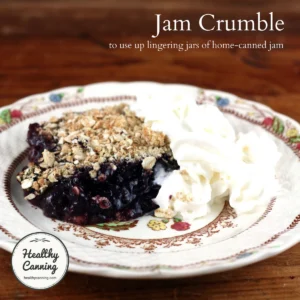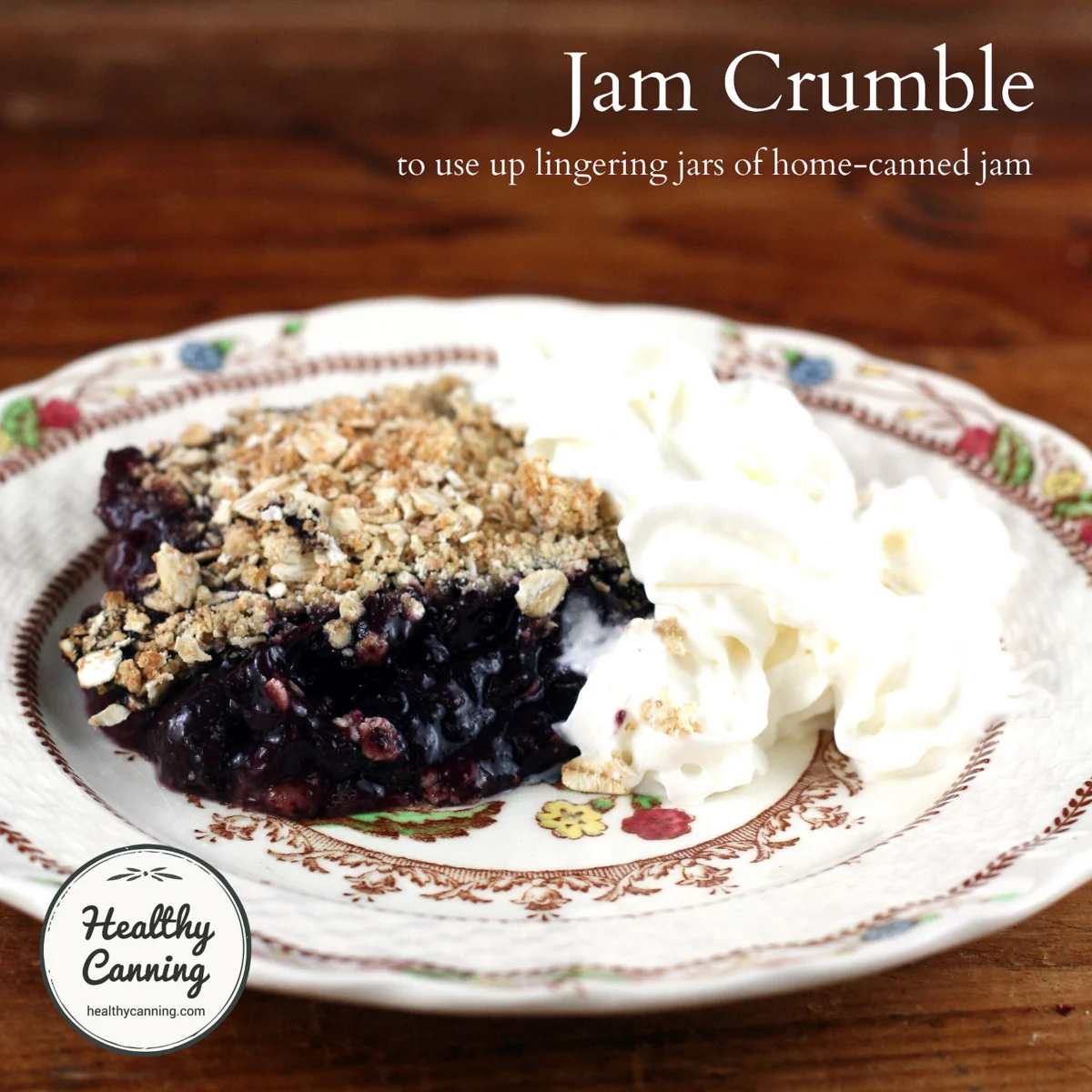

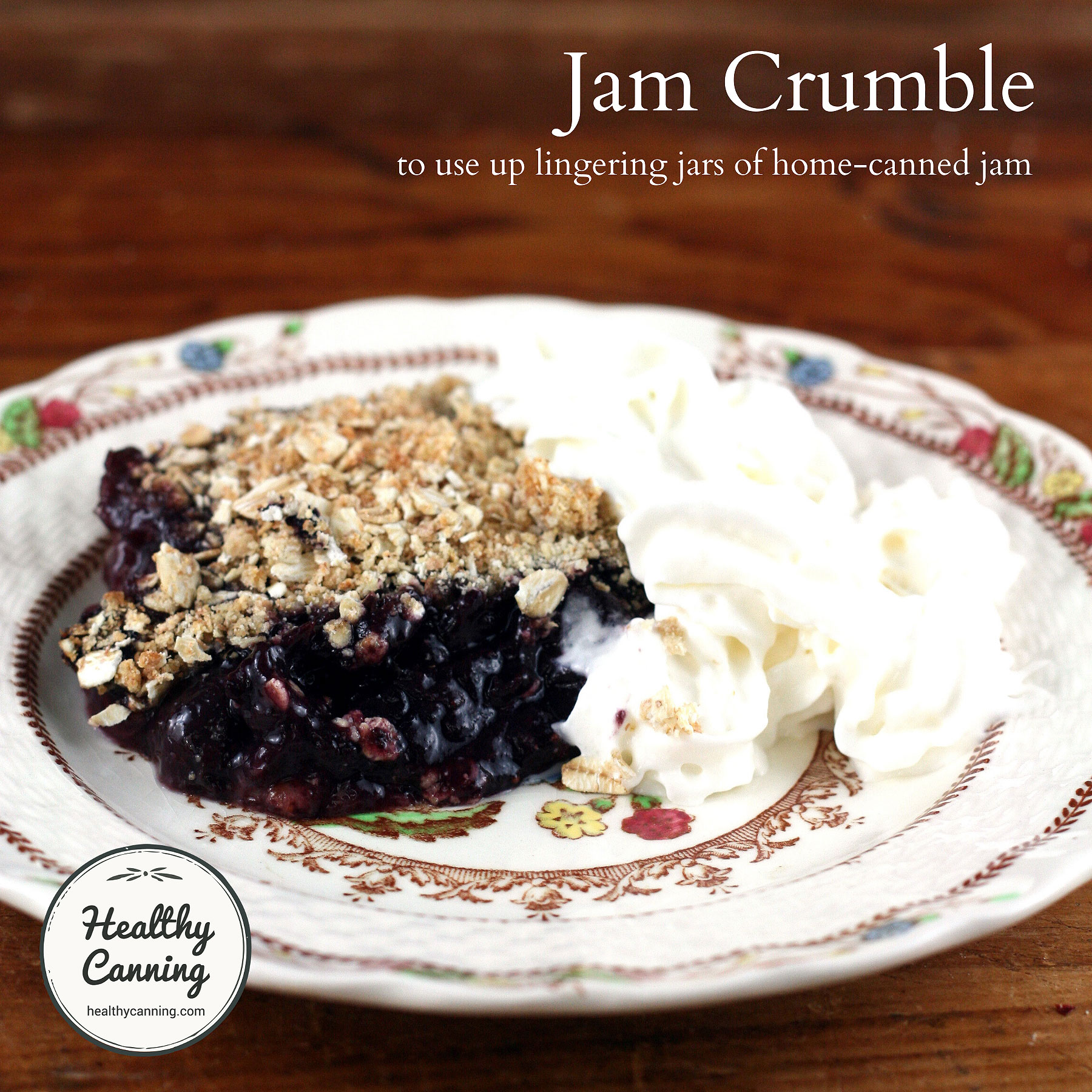
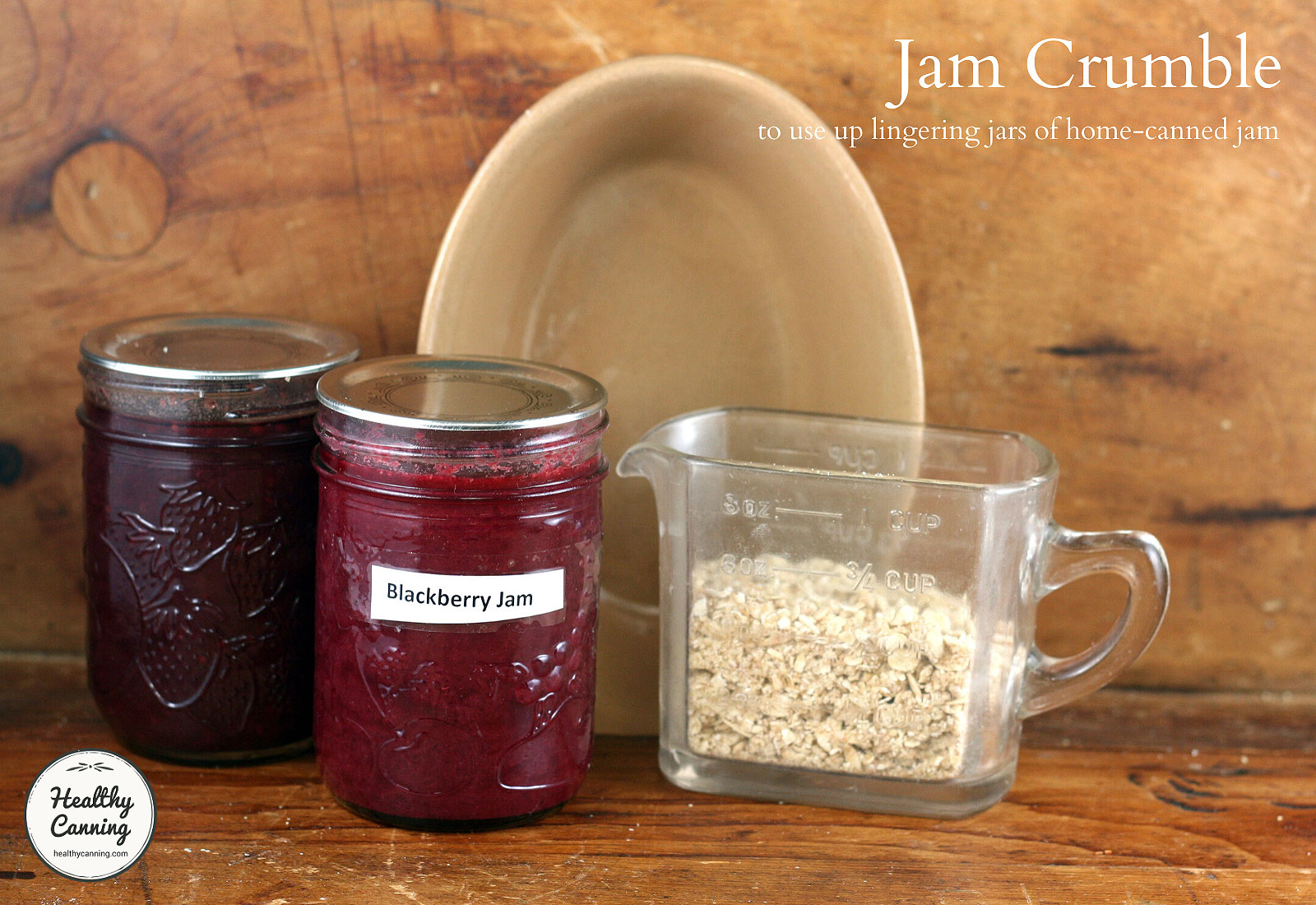
The contemporary household pantry often serves as a silent archive of past culinary ambitions, frequently accumulating rows of preserved fruit that outlast their daily utility. Whether generated by an exceptional seasonal fruit harvest or a shifting household preference away from traditional breakfast spreads, jars of homemade jam frequently migrate to the back shelves, where they sit indefinitely. In response to this widespread domestic phenomenon, culinary efficiency experts and home economists have popularized a streamlined dessert concept: transforming lingering, ambient-stored preserves into rapid fruit crumbles. This approach bridges the gap between long-term food preservation and immediate, low-effort meal preparation, offering a functional strategy for inventory reduction within modern domestic kitchens.
The mechanics of this culinary transition are rooted in the basic chemistry and composition of fruit preserves. Standard jams and jellies, whether commercially produced or home-canned, consist of concentrated fruit solids, sugars, and natural or added pectin. When subjected to baking temperatures, these preserved fruits behave similarly to fresh or macerated fruit fillings, softening and bubbling to create a rich, viscous base for baked desserts. By bypassing the traditional preparation stages of washing, pitting, peeling, and sweetening fresh fruit, home cooks can reduce dessert preparation time to approximately ten minutes, with a standard baking duration of thirty-five minutes at 175 degrees Celsius (350 degrees Fahrenheit).

Economic and Environmental Implications of Pantry Management
Food waste remains a critical challenge within residential sectors globally. According to national food consumption studies, preserved goods are frequently overlooked in favor of fresh produce, leading to localized spoilage or long-term stagnation in cupboards. While home-canned jams are chemically designed for extended shelf life—often remaining safe for consumption for years—their sensory quality and flavor profiles can diminish over extended periods. Utilizing these jars in baked applications such as crumbles provides a dual benefit: it clears valuable storage space for new preserves while diverting edible food from premature disposal.
Culinary analysts note that repurposing pantry items aligns closely with broader sustainability movements emphasizing circular kitchen practices. Rather than discarding older preserves or allowing them to crystallize on storage shelves, consumers can integrate them into standard baking workflows. This method requires no specialized culinary training, relying instead on basic pantry staples such as oats, flour, butter, and spices to construct a contrasting textural topping over the sweet, concentrated fruit base.
Evolution of the Quick-Crumble Concept
The traditional fruit crumble originated in British domestic kitchens during the Second World War, conceived as a practical alternative to pastry-heavy pies when rationing severely limited supplies of fat and flour. Over subsequent decades, the recipe evolved into a global staple, traditionally built upon a foundation of fresh apples, berries, or stone fruits topped with a crumbly mixture of fat, flour, and sugar.
The adaptation of this historic recipe to incorporate preserved fruit marks a contemporary evolution driven by convenience and resourcefulness. Culinary historians observe that as home food preservation experienced a resurgence during economic downturns and periods of renewed interest in self-sufficiency, the volume of home-canned goods in private households increased significantly. Consequently, secondary recipes designed to consume these preserved stores—such as jam tarts, thumbprint cookies, and jam crumbles—have gained prominence within household recipe collections.
Technical Execution and Customization Parameters
The operational framework of the jam crumble concept is characterized by its adaptability. A standard two-cup yield, designed to serve approximately six individuals, can be constructed using standard half-pint (250 milliliter) or single pint (500 milliliter) jars. Culinary professionals recommend several technical variations to optimize flavor and texture:
- Flavor Layering: Combining contrasting fruit profiles—such as pairing a tart berry jam with a sweeter stone fruit preserve like peach or apricot—adds complexity to the final dessert without requiring additional ingredients.
- Alternative Topping Construction: In the absence of specialized pre-made baking mixes, a conventional topping can be rapidly synthesized using one-half cup of rolled oats, two tablespoons of all-purpose flour, one tablespoon of granulated sugar, and a pinch of salt, bound together by rubbing in two tablespoons of chilled butter.
- Enhancement and Spice Integration: Basic crumble toppings can be elevated through the addition of aromatic spices such as ground cinnamon or nutmeg, alongside supplementary butter or sweetener depending on the baseline sweetness of the jam utilized.
- Batch Preparation and Freezing: To maximize efficiency, home cooks frequently scale up the dry crumble topping components by a factor of three or four, sealing the excess mixture in airtight containers for frozen storage to expedite future dessert preparation.
Nutritional Profile and Dietary Adaptability
Because the jam crumble functions more as a culinary blueprint than a rigid formula, its nutritional impact varies significantly based on the specific ingredients selected. Traditional preparations utilizing high-sugar preserves and butter-heavy toppings yield a dense, energy-rich dessert comparable to standard baked goods. However, the framework readily accommodates alternative dietary requirements.
The incorporation of low-sugar or sugar-free fruit spreads allows consumers to substantially reduce the overall carbohydrate and caloric load of the dish. This flexibility has drawn favorable notice from commercial weight management programs, including Weight Watchers, which frequently incorporate modified fruit crumbles into structured meal plans. Furthermore, substituting standard wheat flour with certified gluten-free alternatives and utilizing plant-based lipid spreads enables the recipe to conform to specialized dietary restrictions without compromising the structural integrity of the dessert.
Industry Response and Master Food Preserver Guidance
Agricultural extension services and food preservation authorities have increasingly addressed the management of stored preserves in their public outreach programs. Master Food Preserver networks, which operate educational hotlines and advisory services across multiple jurisdictions, frequently field inquiries regarding the safety and usability of older canned goods.
Official guidance from these bodies emphasizes that while properly sealed and processed home-canned jams remain safe indefinitely under optimal storage conditions, their physical properties may change over time, resulting in crystallization or separation. Extension agents routinely recommend culinary repurposing—such as incorporation into crumbles, glazes, or baked fillings—as an optimal method for utilizing preserves that have lost their visual appeal for direct table use, provided the jar seal remains intact and no signs of microbial spoilage are present.
Broader Impact on Household Food Economy
The mainstream adoption of pantry-clearing recipes reflects a broader economic shift among consumers navigating inflationary pressures on grocery pricing. By maximizing the utility of existing household inventories, families can reduce supplementary food expenditures while maintaining varied meal preparation standards. Culinary economists project that educational initiatives focused on scrap-cooking and pantry utilization will continue to gain traction as households prioritize financial efficiency and waste reduction in their daily routines.
Ultimately, the transformation of overlooked jam into a warm, textured dessert demonstrates how traditional comfort foods can be adapted to meet contemporary demands for speed, economy, and sustainability. As domestic kitchens continue to balance busy schedules with the desire for wholesome, scratch-made meals, versatile concepts like the jam crumble offer an enduring template for efficient resource management.