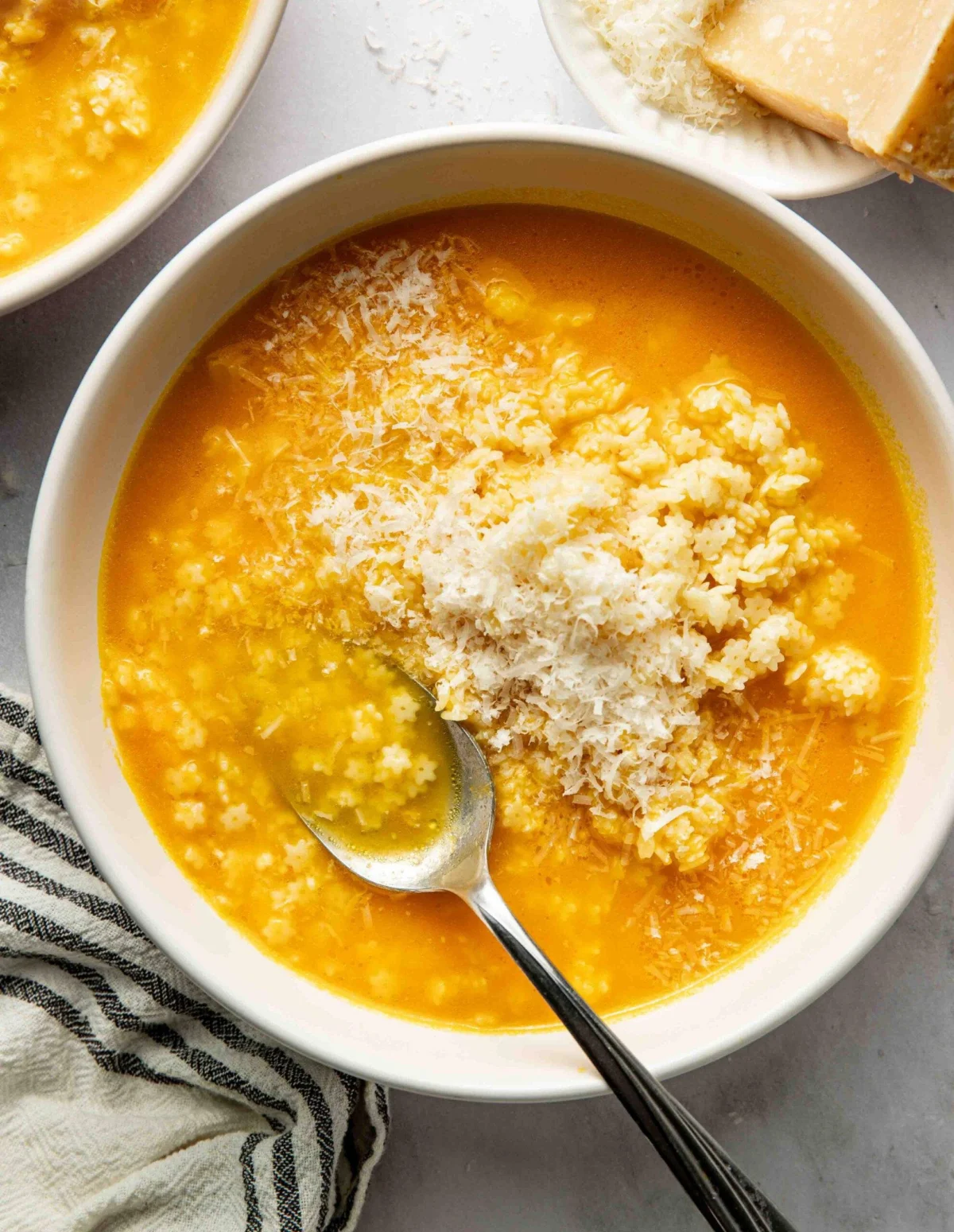

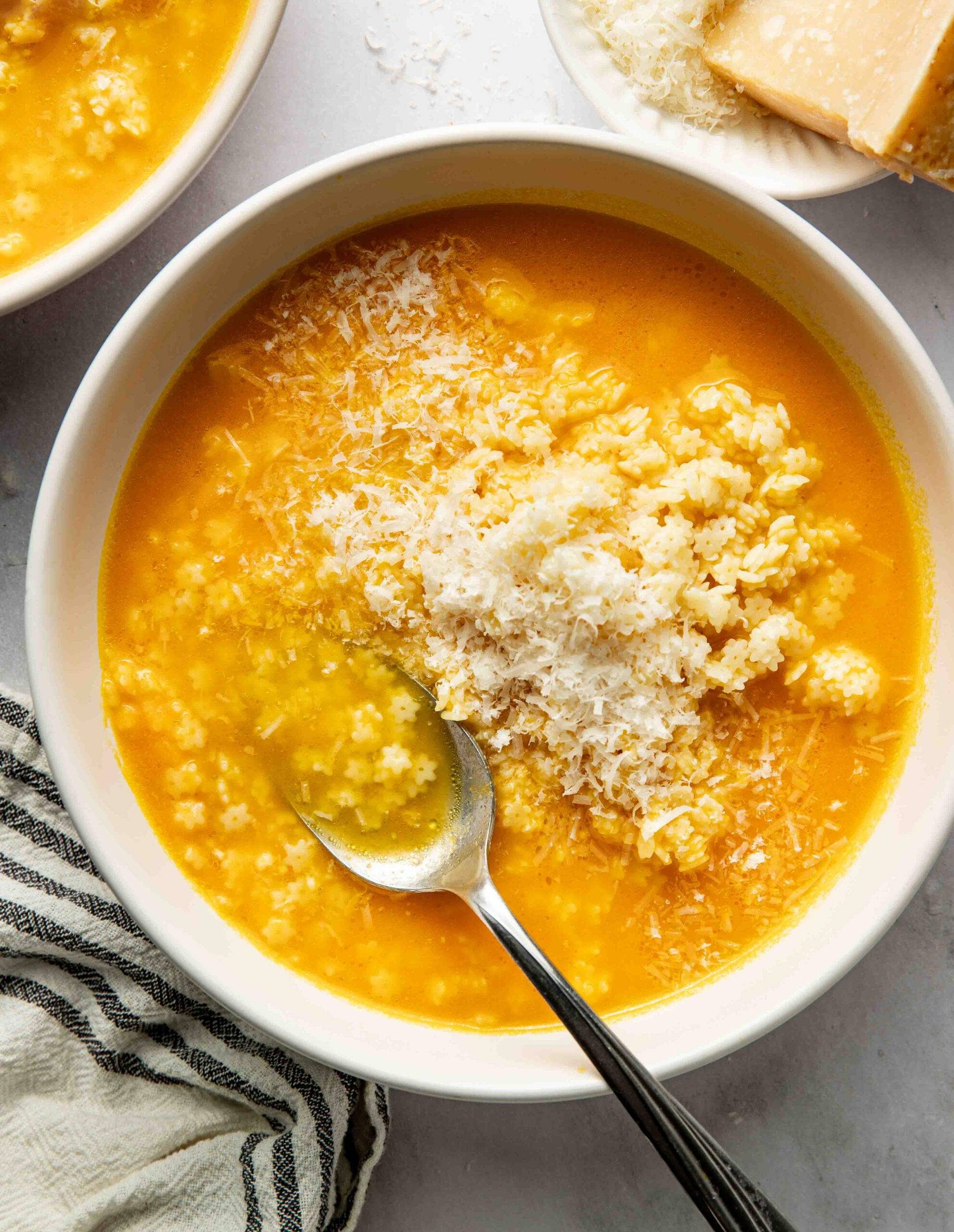
The culinary world has seen a significant resurgence in the popularity of "pastina," a traditional Italian soup composed of tiny, star-shaped pasta cooked in a savory, nutrient-dense broth. Often referred to colloquially as "Italian Penicillin," this dish has transitioned from a localized cultural staple to a viral wellness trend. While its roots are deeply embedded in Italian family traditions as a go-to remedy for malaise and seasonal illness, its recent elevation on digital platforms has highlighted a broader shift toward nostalgic, accessible, and nourishing "comfort cooking" in the post-pandemic era.
Historical Context and Cultural Significance
The term "pastina" refers to a specific category of tiny pasta shapes, including stelline (little stars), anellini (little rings), and orzo. For generations, particularly in Southern Italy, these pasta varieties were considered essential pantry items, favored for their rapid cooking time and ease of digestion. The moniker "Italian Penicillin" gained traction as a domestic metaphor for the soup’s perceived healing properties. Much like the chicken noodle soup tradition in the United States, pastina soup is viewed as an ideal restorative meal for individuals suffering from common colds, the flu, or general fatigue.
The dish’s cultural endurance is attributed to its simplicity. It typically consists of a high-quality broth—often enhanced with vegetables or meat-based bouillon—combined with the pasta and finished with olive oil and grated Parmesan cheese. This combination provides a balance of hydration, easily digestible carbohydrates, and fats, making it a reliable choice for those with a diminished appetite.

The Digital Resurgence
In the last three years, pastina has experienced a dramatic increase in visibility. Social media platforms, particularly TikTok and Instagram, have played a pivotal role in reintroducing the dish to a global audience. Content creators have documented their own versions of the soup, emphasizing its role in family care during times of illness.
This digital movement has been characterized by a collective desire for "nurturing" food. Food writers and home cooks alike have noted that as families faced successive waves of seasonal respiratory illnesses, the demand for simple, low-effort, high-comfort meals spiked. This trend aligns with broader consumer data indicating a preference for "back-to-basics" cooking, where ingredients are minimal but the quality of the base—the broth—is prioritized.
Culinary Methodology: The Professional Approach
While the preparation of pastina is inherently simple, professional and experienced home chefs emphasize specific techniques to maximize the nutritional and flavor profile of the dish. The process generally follows a standardized professional sequence:
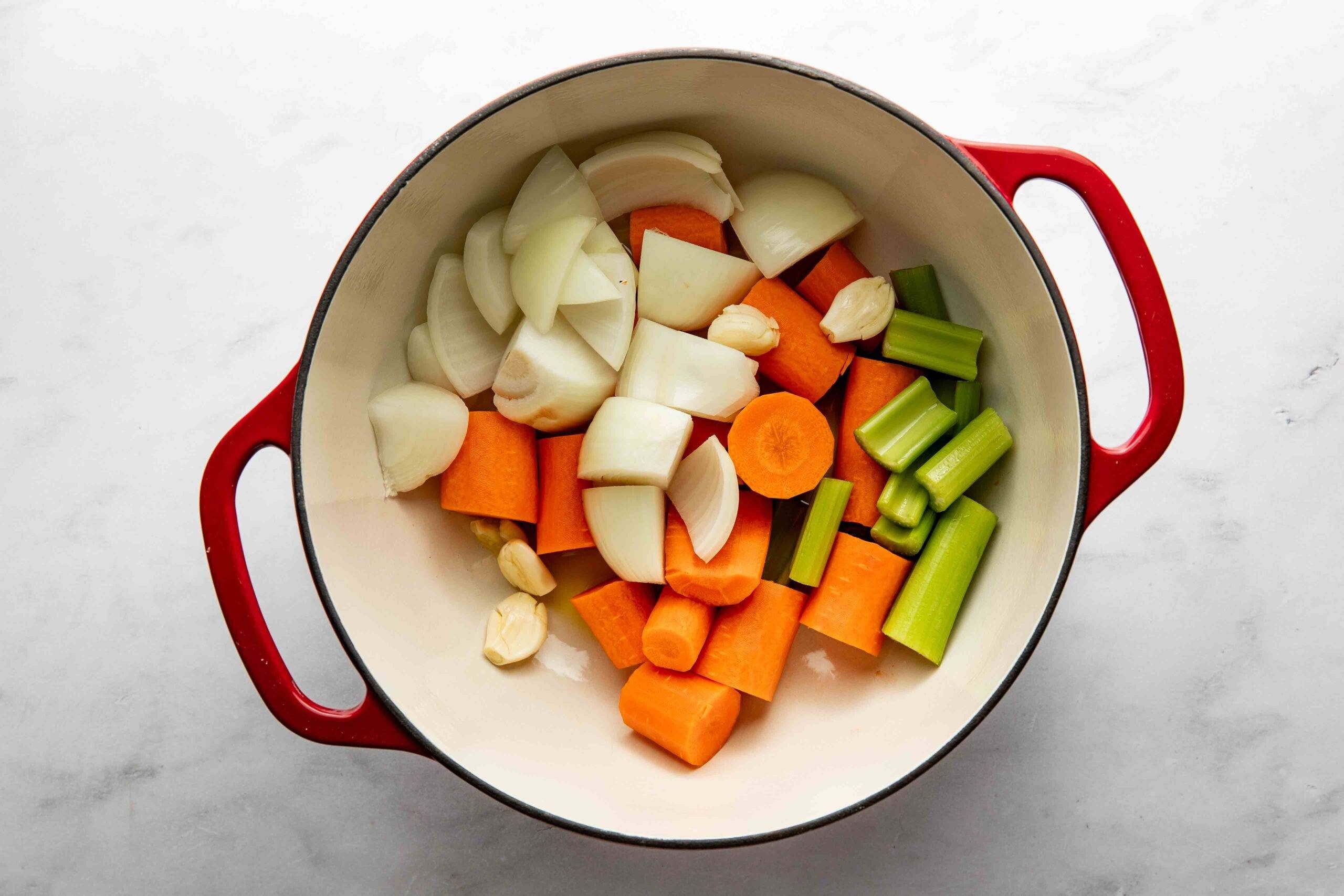
- Aromatic Base Preparation: The foundational step involves sautéing aromatics—typically onions, carrots, and celery—in olive oil. This step is critical for extracting flavor compounds that will eventually permeate the broth.
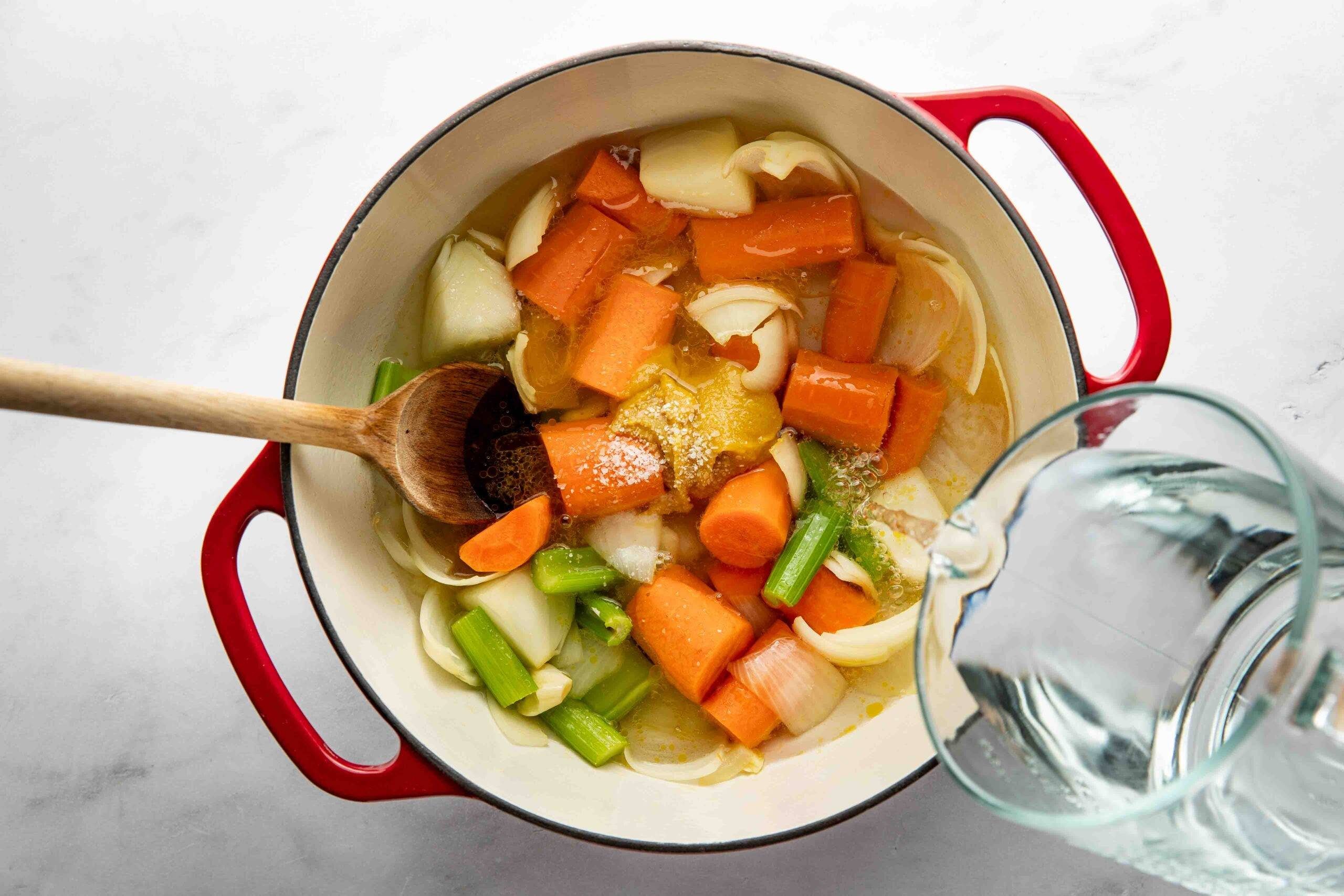
- Broth Extraction: The liquid component, often enhanced by high-quality bases such as "Better Than Bouillon" or homemade stocks, is brought to a simmer. The goal is a clear, flavorful liquid that provides the primary nourishment.
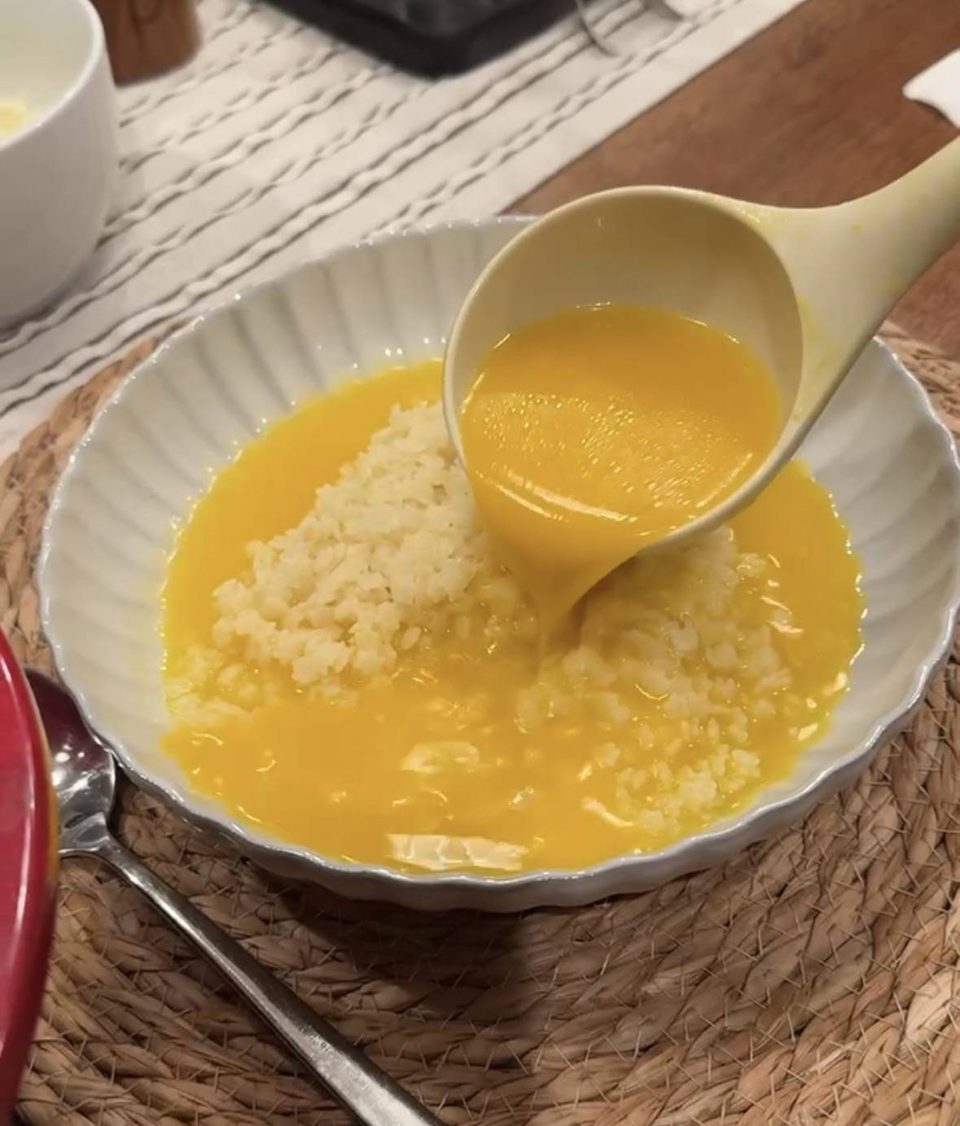
- Refinement: A common professional variation involves removing the solid vegetables after they have imparted their flavor into the liquid. These vegetables are then blended and reintroduced to the broth, providing a thicker, more velvety texture without the need for heavy creams or starches.
- Pasta Integration: The pastina is cooked directly in the broth, allowing the starches from the pasta to thicken the soup slightly, creating a cohesive, "luscious" consistency.
Supporting Data and Nutritional Implications
From a dietary perspective, the appeal of pastina is supported by nutritional logic. During illness, the body requires hydration and electrolytes. The sodium content in the broth assists in fluid retention, while the pasta provides a steady, gentle energy source.

Market research into consumer food trends during the 2023–2024 winter season showed a marked increase in sales for "tiny pasta" varieties and high-quality broth concentrates. Retailers, including major chains like Target, have observed that these items are frequently purchased together, reflecting a conscious effort by consumers to maintain a "sick-day pantry" stocked with ingredients specifically intended for restorative soups.
Official and Expert Perspectives
Nutritionists often categorize pastina as an "easily tolerated food." Dr. Elena Rossi, a specialist in dietary medicine, notes that while the dish is not a pharmaceutical replacement for actual medicine, its psychological and physical benefits are significant. "When a patient is ill, the primary objective is to maintain hydration and caloric intake. Foods that are warm, mild in flavor, and easy to consume are essential. Pastina ticks all these boxes, providing a sense of comfort that can improve a patient’s overall disposition," Dr. Rossi explains.
Furthermore, culinary historians view the popularity of pastina as a reaction to the complexity of modern "foodie" culture. As professional cooking has become increasingly complex, many consumers are finding relief in the "low-stakes" nature of traditional recipes. The ability to prepare a meal that is both authentic and deeply satisfying with less than 20 minutes of active work is a powerful value proposition in a busy, high-stress society.
Broader Impact and Future Trends
The persistence of the pastina trend suggests that comfort foods are moving beyond mere indulgence and are being integrated into a modern wellness routine. This shift has implications for the food industry:
- Product Innovation: Food companies are increasingly marketing broth concentrates and heritage-grain pasta varieties as "wellness essentials" rather than mere ingredients.
- Home Cooking Patterns: The "sick-day soup" model is likely to influence how families plan their grocery lists, with a greater focus on modular ingredients that can be quickly assembled into a meal when time and energy are limited.
- Culinary Nostalgia: There is a growing appreciation for regional dishes that have historically been passed down orally. The documentation of these recipes online ensures their survival and adaptation for future generations.
As of early 2024, the search volume for "pastina recipes" remains elevated compared to historical averages. This indicates that the dish is not a passing fad, but rather a staple that has successfully transitioned into the modern, digitized culinary lexicon.
Conclusion
The evolution of pastina from an Italian grandmother’s remedy to a global viral sensation underscores the fundamental human need for nourishment that is both simple and deeply restorative. Whether it is labeled as "Italian Penicillin" or simply a bowl of star-shaped pasta in broth, the dish serves as a testament to the enduring power of traditional cooking. By focusing on high-quality ingredients and a straightforward, methodical preparation, individuals are reclaiming a piece of culinary history that offers comfort during times of vulnerability. As the trend continues to mature, it serves as a reminder that the most effective solutions to life’s challenges are often those that have stood the test of time.