
When the first wave of glucagon-like peptide-1 (GLP-1) receptor agonists, such as semaglutide, entered the commercial weight management market in 2017, health and fitness professionals were largely caught off guard. For several years, these medications remained a niche medical intervention, primarily reserved for patients with type 2 diabetes. However, the landscape shifted dramatically by 2026, as data indicated that more than one in ten American adults had begun utilizing these pharmacotherapies for weight loss and metabolic health management. This rapid integration of medical weight loss into the broader public consciousness has forced a fundamental recalibration of the role of the personal trainer and nutrition coach.
The initial industry reaction was one of existential anxiety. Many professionals questioned whether pharmaceutical intervention would render lifestyle coaching obsolete. Yet, as the prevalence of these drugs has grown, the perspective within the health and fitness community has evolved from defensive skepticism to a pragmatic model of collaborative care. Coaches are increasingly positioning themselves not as competitors to medical intervention, but as essential support systems for patients navigating the complexities of pharmacological weight loss.
A Chronology of the GLP-1 Transformation
The trajectory of GLP-1 usage mirrors a rapid shift in medical and societal norms regarding obesity. Following the 2017 approval of semaglutide, adoption was slow, hampered by high costs and limited insurance coverage. By 2021, increased clinical trial data demonstrating significant body mass index (BMI) reductions led to broader off-label usage. By 2024, the surge in demand created global supply chain constraints, forcing manufacturers to ramp up production to unprecedented levels.
As of early 2026, the medical community has largely moved toward treating obesity as a chronic, relapsing condition rather than a temporary aesthetic concern. This shift has necessitated long-term management strategies. While the drug provides the physiological mechanism for reduced caloric intake, the "support world" of coaching now focuses on the secondary effects of rapid weight loss, such as sarcopenia—the loss of muscle mass—and the psychological adjustment to a new physical reality.
The Challenge of Muscle Sarcopenia and Metabolic Integrity
One of the most pressing concerns for health professionals regarding GLP-1 users is the composition of weight lost. Clinical observations suggest that without structured resistance training and high-protein nutrition, up to 40 percent of total weight loss in patients on GLP-1 medications can be attributed to lean body mass, specifically skeletal muscle. This poses a significant long-term health risk, as muscle tissue is the primary driver of metabolic rate and functional mobility in aging populations.
Data indicates that patients who fail to integrate resistance training during their medication cycle are at a heightened risk for metabolic "rebound" once the drug is discontinued. The current coaching consensus emphasizes that while the medication controls the appetite, it does not dictate the quality of the tissue being lost. Coaches are now tasked with implementing "nutritional architecture"—a term used to describe the precise distribution of protein intake (typically 25–40 grams per meal) and resistance training protocols designed to preserve muscle mass even when total caloric intake is significantly suppressed.

Categorizing the Modern Client
To effectively address the diverse needs of this population, coaches have developed a triage framework to categorize the readiness and requirements of their clients. These classifications help ensure that interventions remain within the scope of practice for non-medical fitness professionals.
- The Honeymooner: Often in the early stages of medication, these clients experience high satisfaction with minimal effort. The coaching imperative here is "watchful waiting," as the lack of struggle often masks the lack of structural habit formation.
- The Ambivalent Candidate: These individuals are often caught between medical advice and personal fear. Coaches assist by providing data-driven, neutral perspectives, often utilizing decision-making tools like the "Four Crazy Questions" to help clients weigh the risks of inaction versus intervention.
- The Symptomatic User: Many users experience significant side effects, including nausea, fatigue, and gastrointestinal distress. The coaching role involves helping these clients identify patterns—such as meal timing or macronutrient composition—that may exacerbate these symptoms, always in conjunction with medical guidance.
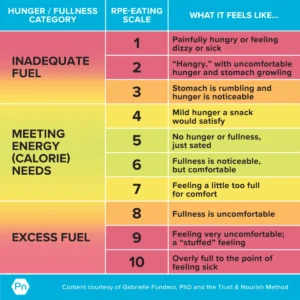
- The Under-Fueler: Perhaps the most critical category, these clients experience a complete loss of appetite, leading to dangerous caloric deficits. Coaches in this space focus on the "show me" approach, using food logs to illustrate the severity of the deficit and implementing rigid eating schedules to ensure baseline nutritional requirements are met.
- The Transitioning Graduate: As patients choose to taper off medication, they face the challenge of maintaining results without pharmacological appetite suppression. The success rate for weight maintenance after discontinuation is four times higher among those who established robust exercise and nutrition habits while on the medication.
The Legal and Ethical Boundaries of Coaching
A central tenet of the modern coaching model is the strict adherence to scope of practice. Fitness professionals are explicitly cautioned against offering medical advice, adjusting dosages, or prescribing medications. Instead, the professional’s responsibility lies in the "support layer." This includes facilitating communication between the client and their physician, recognizing "red flags" (such as severe vomiting, signs of pancreatitis, or disordered eating behaviors), and fostering a sustainable lifestyle that outlasts the duration of the prescription.
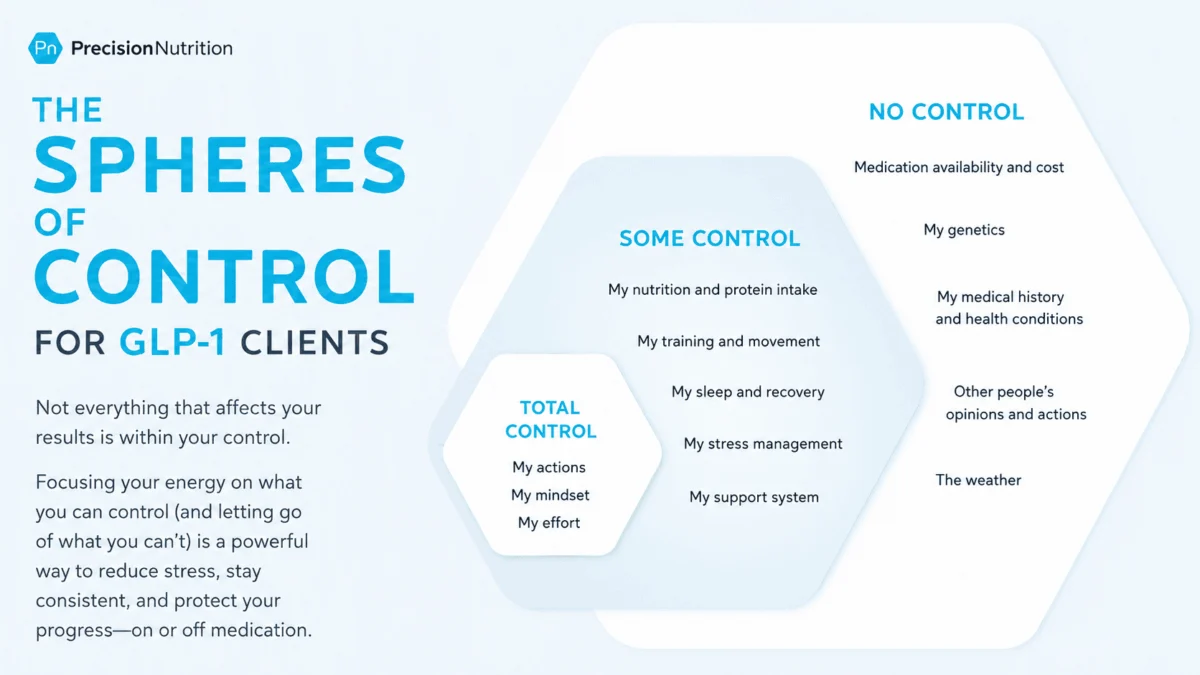
The industry has moved toward the "Spheres of Control" model, which delineates what a client can influence versus what they cannot. The medication itself, insurance coverage, and genetic predispositions remain in the outer sphere—factors beyond the client’s control. The inner sphere, which includes sleep hygiene, strength training frequency, protein intake, and stress management, is where the coach provides the most value. By focusing on these controllable factors, coaches provide the stability that prevents the "finish line" of weight loss from becoming the starting line of weight regain.
Broader Implications for the Health Industry
The integration of GLP-1s into the public health framework has permanently altered the fitness industry’s business model. Coaches are no longer merely "personal trainers" in the traditional sense; they are becoming partners in a multidisciplinary team. This shift is reflected in the increasing demand for certifications that emphasize nutritional science and behavioral psychology over simple exercise prescription.
Furthermore, the economic dimension cannot be ignored. As the "priced-out" demographic grows—those who lose access to the medication due to insurance changes or cost—the role of the coach becomes a stabilizing force. Providing clients with the skills to maintain a baseline of health in the absence of pharmaceutical support is perhaps the most significant contribution the fitness industry can make to long-term public health.
The "Oregon Trail" analogy often cited by industry experts—the idea that coaching is about creating deep ruts of habit that will guide the client even after the "wagon" of medication is gone—serves as the current gold standard for success. It suggests that while the medical community focuses on the pathology of obesity, the coaching community focuses on the mechanics of identity. When a client transitions from seeing themselves as a "patient on a drug" to an "athlete in training," the probability of sustained health outcomes increases significantly.
Ultimately, the rise of GLP-1 medications has not destroyed the fitness industry; it has refined it. It has demanded a higher level of education, a deeper empathy for the complexities of metabolic disease, and a more rigorous approach to habit formation. The future of coaching lies in the ability to bridge the gap between the pharmaceutical reality of the present and the long-term lifestyle requirements of the future. As the data continues to mature, the collaborative model—where medicine manages the biology and coaching manages the behavior—appears to be the most viable path forward for the millions of individuals navigating this new era of weight management.