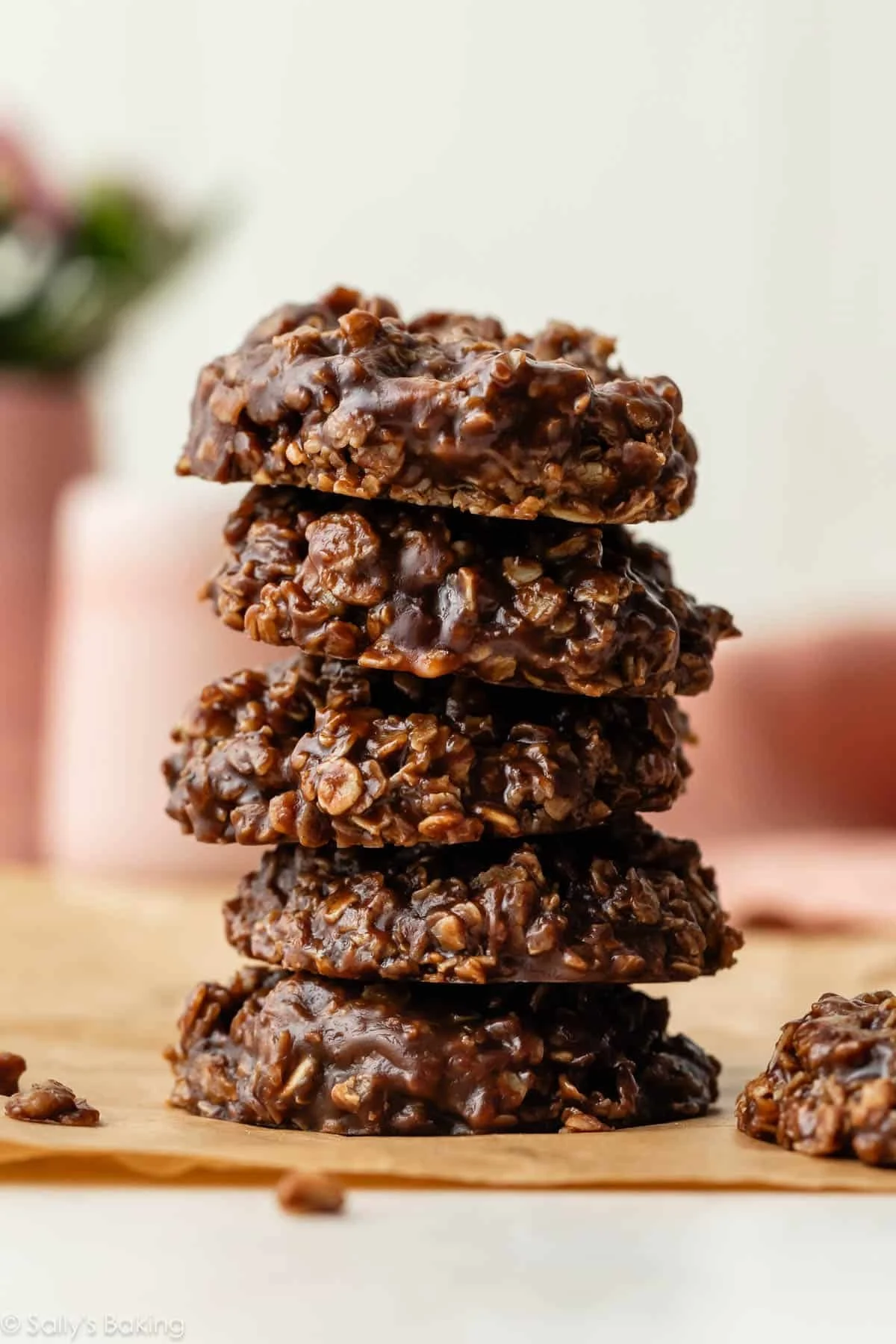

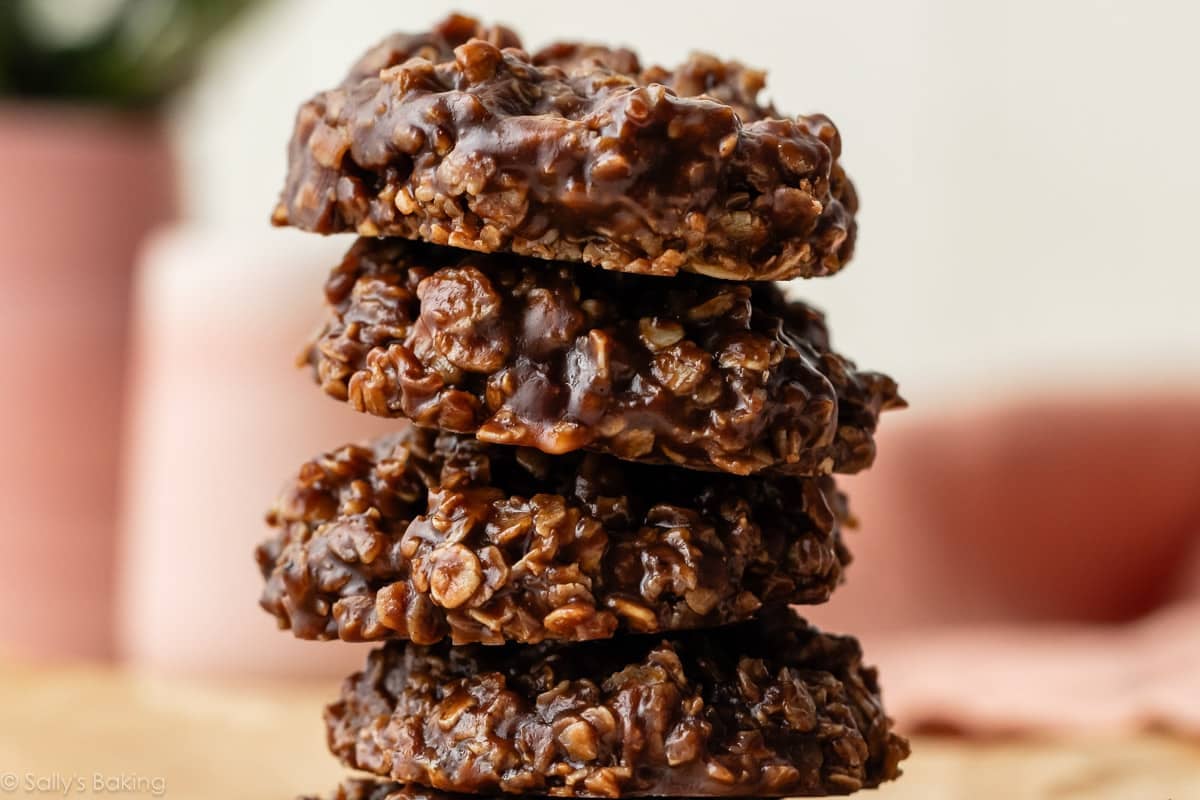
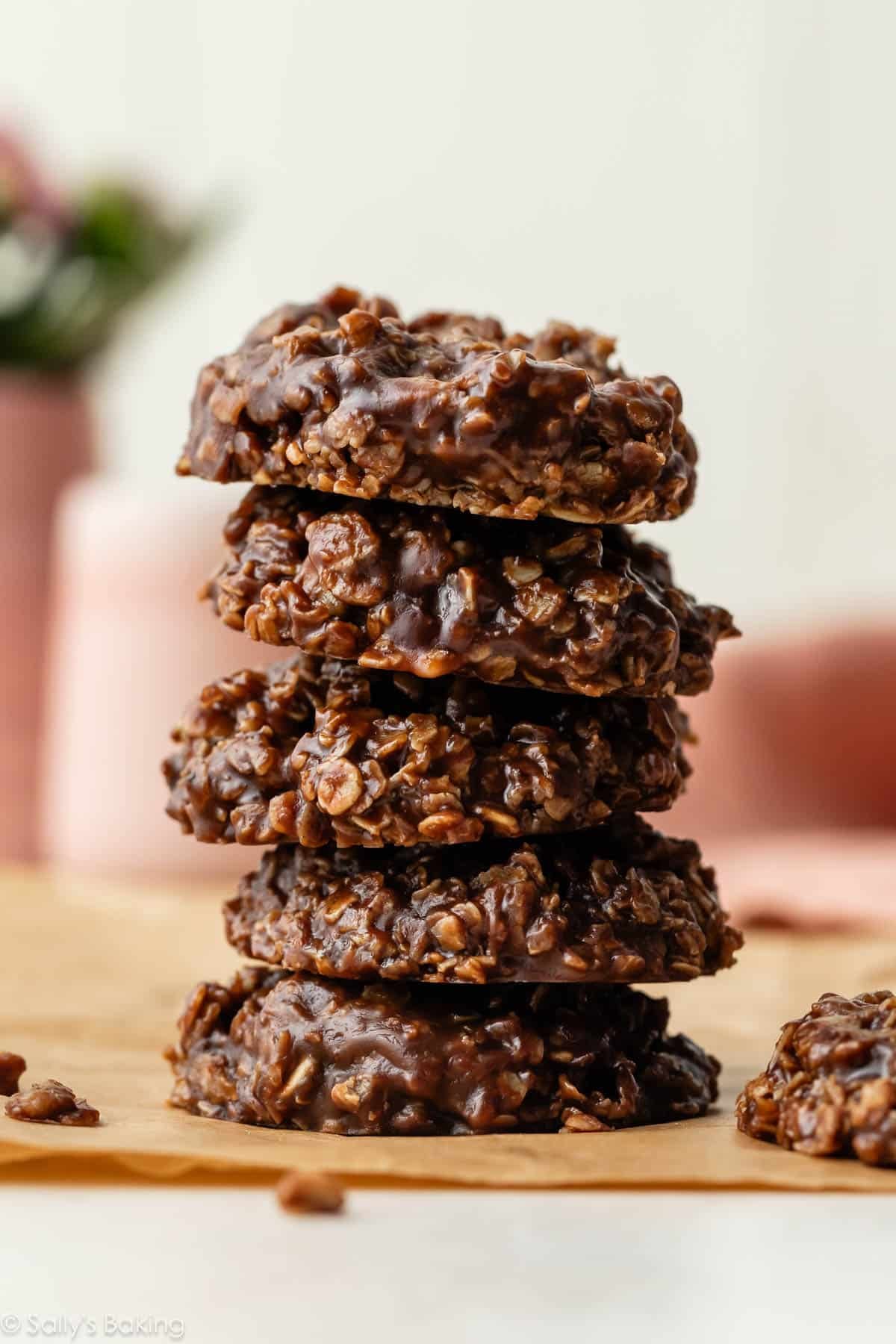
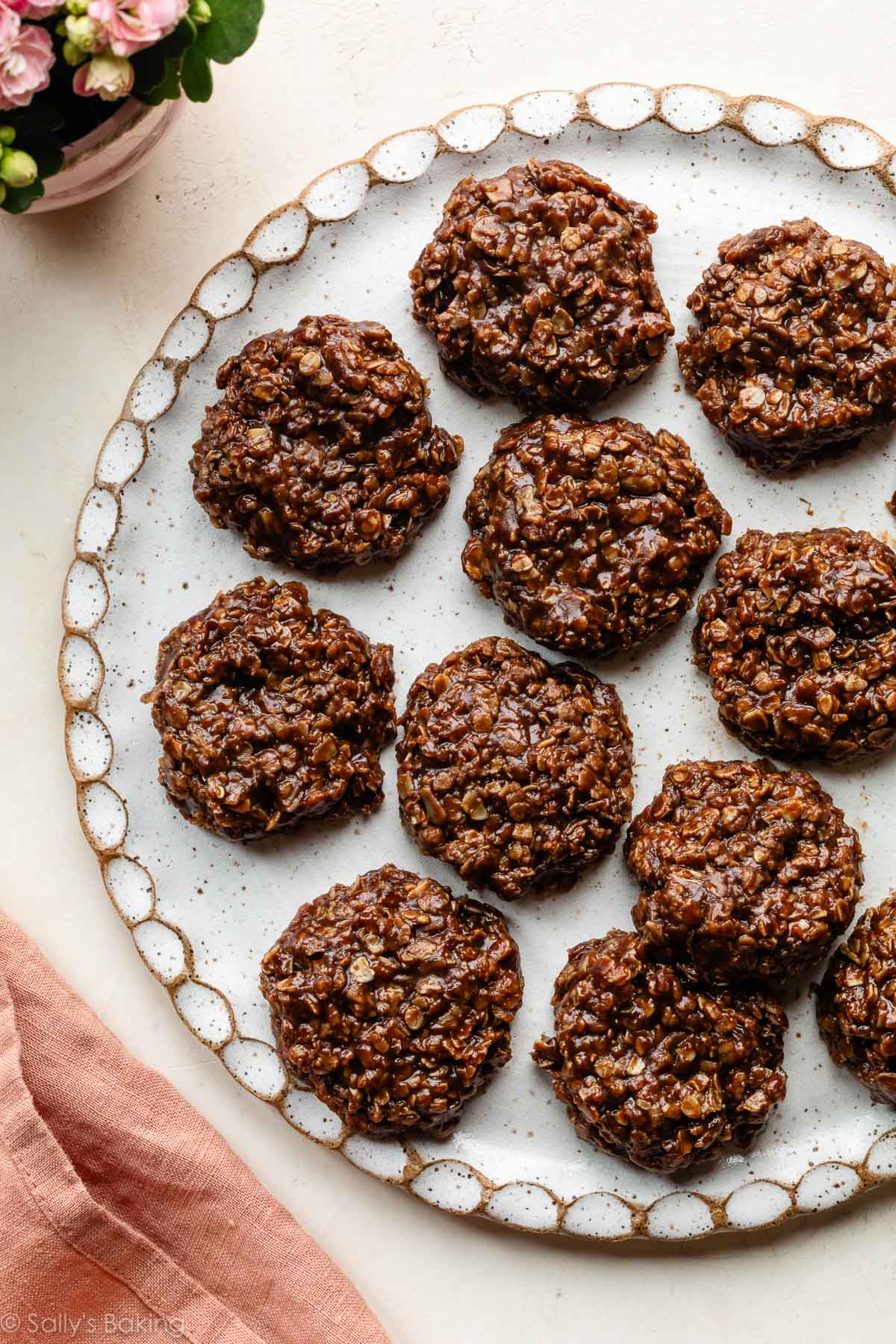
The emergence of simple, satisfying dessert options continues to captivate home bakers and culinary enthusiasts alike. Among these, the 8-ingredient chocolate peanut butter no-bake cookie stands out as a testament to efficiency and timeless flavor. Requiring no oven and ready for consumption after merely 30 minutes of refrigeration, this recipe embodies convenience without compromising on taste, delivering a rich, fudgy, and chewy texture that has secured its place as a family favorite across countless households.
The Enduring Appeal of No-Bake Desserts
The concept of no-bake desserts is far from new, with historical roots tracing back to periods when ovens were less common or when conserving fuel was paramount. Early versions often relied on simple preparations combining ingredients like crushed biscuits, condensed milk, and cocoa, which would then be chilled to set. The mid-20th century saw a significant surge in their popularity, particularly in warmer climates or during summer months when turning on an oven was undesirable. This era coincided with the rise of processed foods and the increasing demand for quick, easy recipes that fit into burgeoning busy lifestyles. No-bake cookies, specifically, offered a simple solution for families seeking sweet treats without the complexities and time commitment of traditional baking. Their appeal has persisted, evolving with modern culinary trends to become a staple for quick gratification and accessible dessert creation.
Recipe Evolution and Refinement
The specific chocolate peanut butter no-bake cookie recipe, initially published in 2015, has undergone thoughtful refinement to ensure consistently excellent results. This iterative development process is common in culinary publishing, where recipes are continuously tested, evaluated, and improved based on feedback and enhanced understanding of ingredient interactions. Key updates to this particular recipe have included the incorporation of new photographic documentation, providing clearer visual guidance, and the addition of "extra success tips" aimed at demystifying common pitfalls. Notably, a slight increase in the amount of butter was implemented, a modification often made to enhance texture, richness, and mouthfeel, ensuring the final product achieves its signature fudgy consistency more reliably. Such adjustments reflect a commitment to culinary precision and user satisfaction, transforming a popular concept into a perfected formula.
The Science Behind the Set: Achieving Fudgy Perfection
The success of a no-bake cookie hinges on a precise chemical and physical transformation, predominantly occurring during the stovetop cooking phase and subsequent chilling. Unlike baked goods, which rely on gluten development and protein coagulation for structure, no-bake cookies derive their form from the controlled crystallization of sugar and the solidification of fats.
The initial step involves bringing butter, sugar, milk, and cocoa powder to a rolling boil. The critical element here is not just the boiling itself but the duration and temperature reached. The mixture must boil for exactly one minute, ideally reaching a temperature of 225°F (107°C). This temperature is crucial for two reasons:
- Sugar Dissolution and Crystallization: At this temperature, the sugar fully dissolves into the liquid. As the mixture cools, the dissolved sugar molecules begin to recrystallize in a controlled manner, forming a matrix that provides structure and firmness to the cookie. If the mixture doesn’t reach this temperature or boil long enough, the sugar won’t dissolve sufficiently, leading to a softer, unset cookie. Conversely, over-boiling can lead to excessive water evaporation, resulting in a dry, crumbly product due to overly concentrated sugar crystals.
- Moisture Reduction: The boiling process reduces the water content in the mixture, concentrating the sugars and fats. This concentration is essential for achieving the desired fudgy, chewy texture rather than a sticky or liquid one.
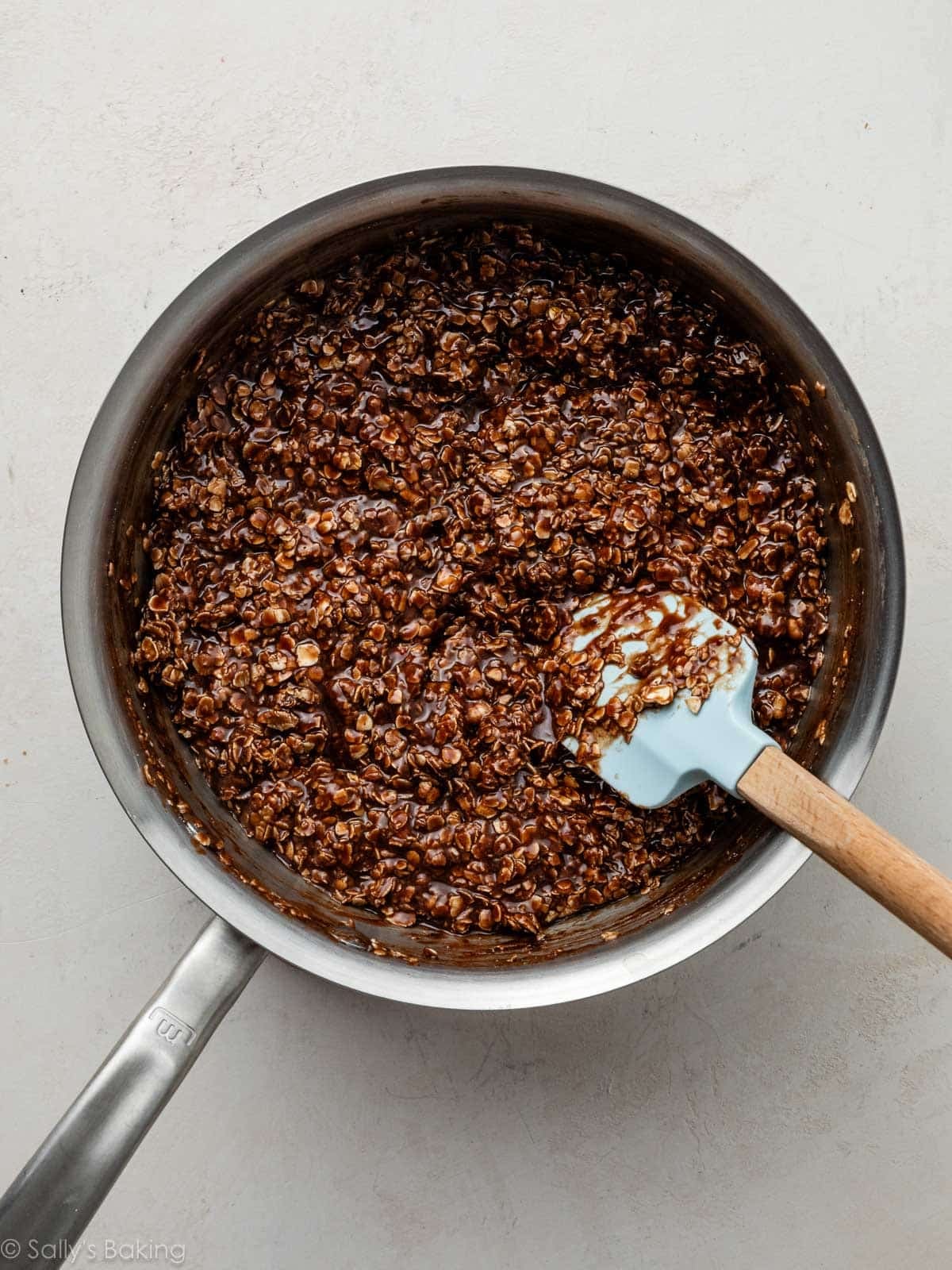
Immediately after boiling, the mixture is removed from the heat, and peanut butter, vanilla extract, oats, and salt are incorporated. The residual heat from the sugar mixture helps to melt the peanut butter, ensuring it integrates smoothly and contributes its binding properties and distinctive flavor. Oats, typically quick-cooking or rolled oats, play a vital role in absorbing the liquid, further firming the mixture and providing the characteristic chewiness. A brief cooling period of 5-10 minutes post-mixing allows the oats adequate time to hydrate and absorb the liquid, making the subsequent scooping and shaping process considerably easier and preventing the cookies from spreading excessively. Finally, refrigeration accelerates the setting process by rapidly cooling the fats (butter and peanut butter), causing them to solidify and effectively "glue" all the ingredients together into a cohesive, stable cookie.
Ingredients and Their Roles: A Pantry Powerhouse
The efficacy and popularity of these no-bake cookies are largely attributable to their reliance on readily available pantry staples. Each of the eight core ingredients plays a distinct and essential role in achieving the desired taste and texture:
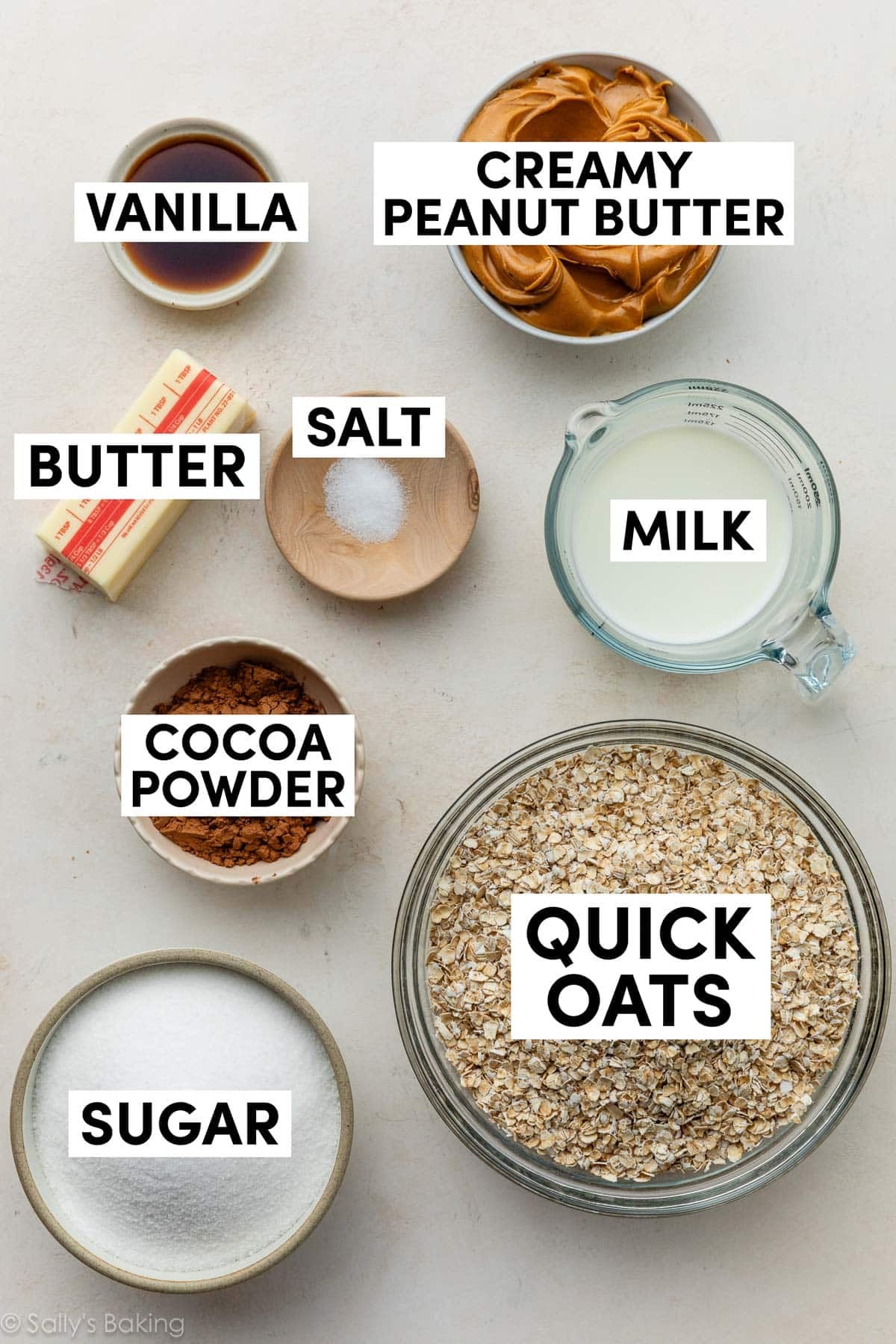
- Butter: Provides richness, flavor, and crucial fat content that solidifies upon chilling, contributing to the cookie’s structure. The increased butter in the updated recipe enhances both mouthfeel and setting consistency.
- Granulated Sugar: The primary sweetener and structural component. Its controlled crystallization during the boiling process is fundamental to the cookie’s ability to set.
- Milk: Acts as the liquid medium, dissolving the sugar and cocoa powder and providing moisture for the oats to absorb.
- Unsweetened Cocoa Powder: Delivers the essential chocolate flavor. The quality of cocoa powder can significantly impact the depth of chocolate taste.
- Peanut Butter: A critical flavor component, it also contributes fat, protein, and emulsifiers that aid in binding the ingredients. Creamy, standard peanut butter is generally recommended for consistent results, as natural-style peanut butter, with its varying oil separation, can sometimes affect setting time and texture, potentially requiring a longer chill.
- Quick-Cooking or Rolled Oats: These are the primary dry bulk ingredient, absorbing liquid, providing chewiness, and contributing to the cookie’s fibrous texture. Using certified gluten-free oats allows the recipe to cater to individuals with gluten sensitivities.
- Vanilla Extract: Enhances the overall flavor profile, adding a warm, aromatic note that complements both chocolate and peanut butter.
- Salt: Balances the sweetness of the sugar and enhances the flavors of both chocolate and peanut butter, preventing the cookies from tasting overly saccharine.
The simplicity of this ingredient list underscores the recipe’s accessibility, making it an ideal choice for impromptu desserts or for engaging younger cooks in the kitchen.
Streamlined Preparation: The No-Oven Advantage
The procedural simplicity of these no-bake cookies is a significant draw. The entire cooking process, aside from chilling, occurs on the stovetop, circumventing the need for preheating, baking time, and oven monitoring. The method can be broken down into a few straightforward steps:
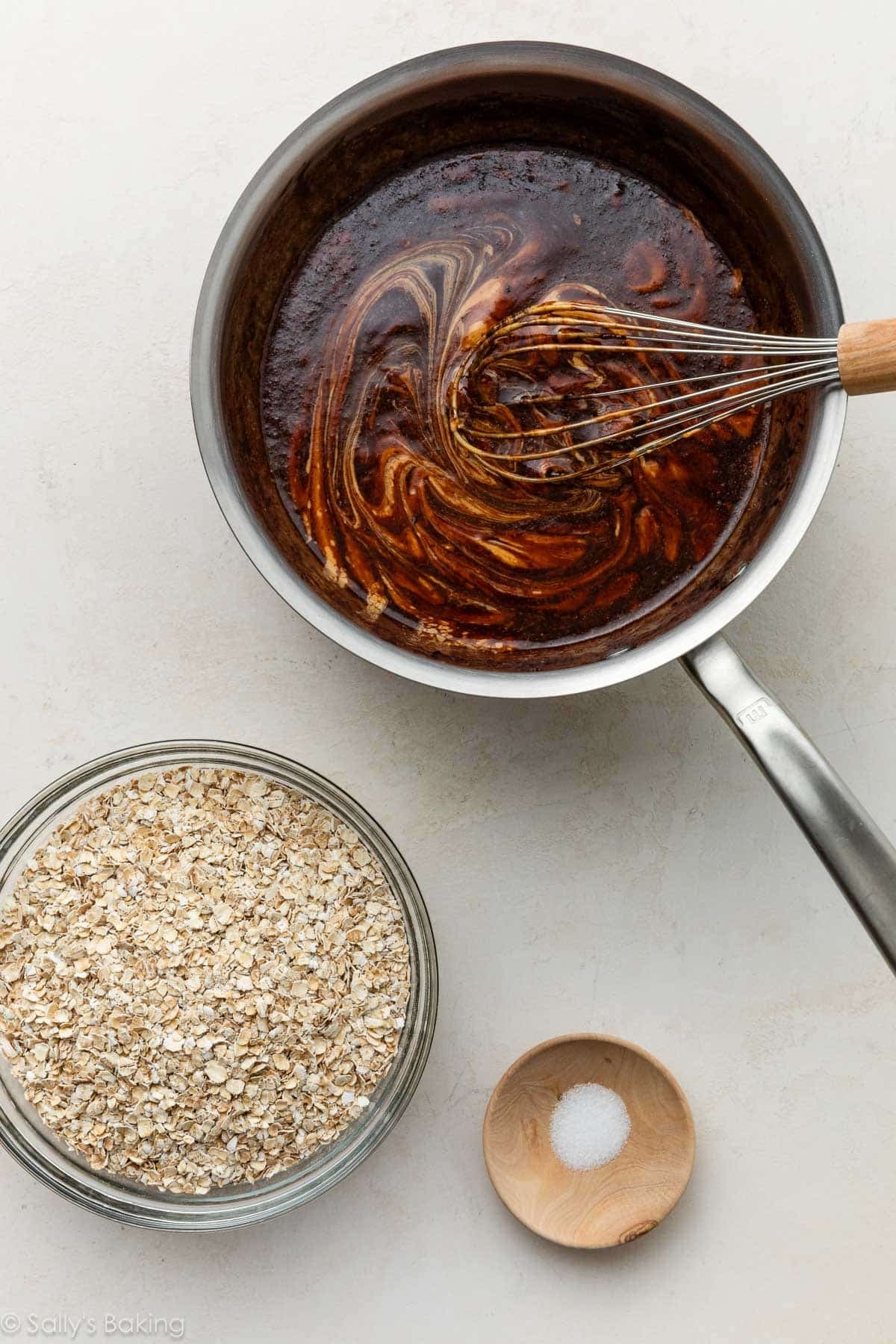
- Initial Boil: Butter, sugar, milk, and cocoa powder are combined in a medium pot and heated until the butter melts and the mixture reaches a rolling boil. This stage is crucial for dissolving the sugar and reaching the optimal temperature.
- Timed Boil: Once boiling, the mixture is allowed to continue boiling undisturbed for precisely one minute. The use of an instant-read thermometer to confirm a temperature of 225°F (107°C) is highly recommended for accuracy, ensuring proper sugar crystallization.
- Flavor and Texture Integration: Immediately after the timed boil, the pot is removed from the heat. Peanut butter and vanilla extract are stirred in until fully incorporated, followed by the addition of oats and salt.
- Cooling for Structure: The mixture is then allowed to cool for approximately 5 minutes. This cooling period is not merely passive; it allows the oats to begin absorbing the hot liquid, making the mixture more pliable and less sticky for scooping. For recipes using thinner, natural peanut butter, extending this cooling time to 10 minutes can be beneficial.
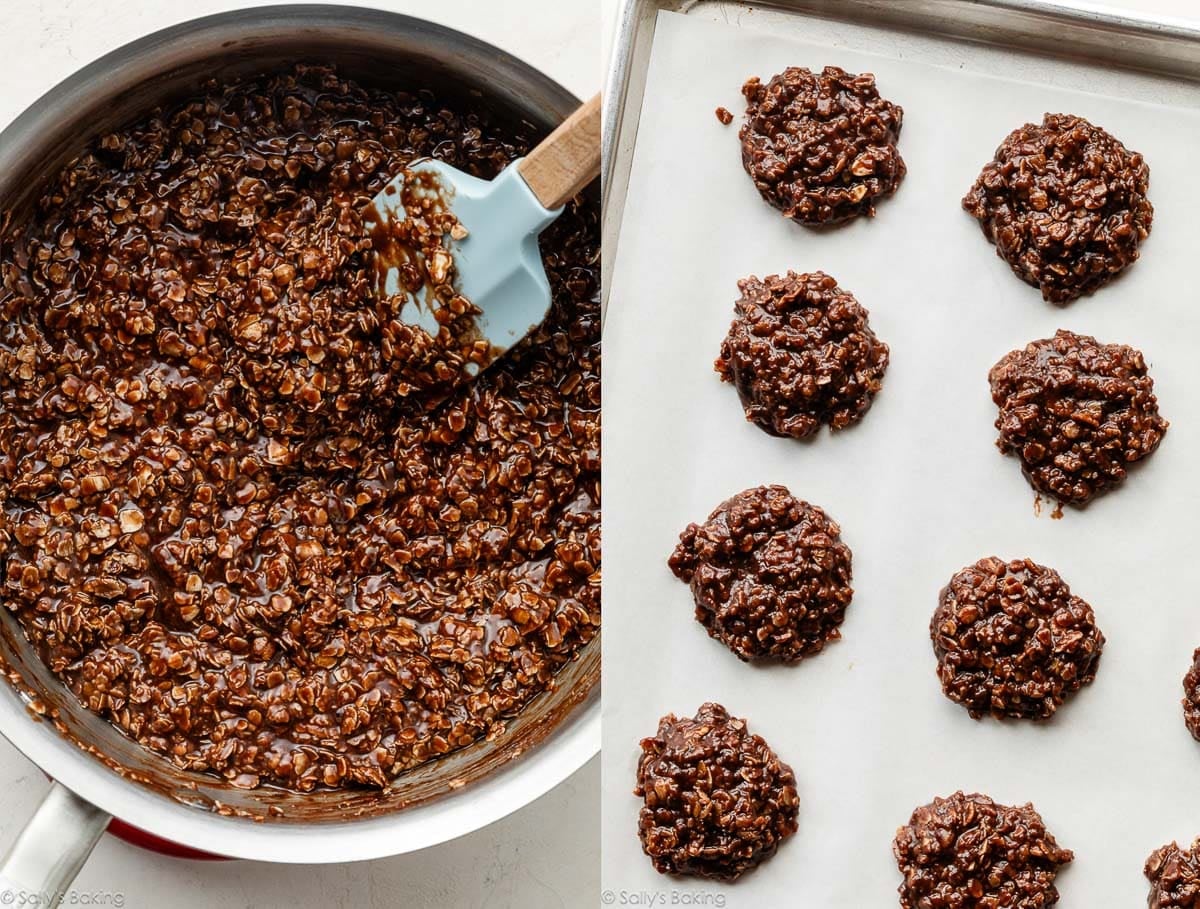
- Portioning and Chilling: Tablespoon-sized mounds of the mixture are dropped onto lined baking sheets. A slight flattening with the back of a spoon can achieve a more uniform cookie shape. The cookies are then transferred to the refrigerator for 30-60 minutes to fully set.
This method is particularly advantageous during warmer months, as it eliminates the heat generated by an oven, keeping the kitchen cooler. It also offers a practical solution for individuals whose ovens are occupied with other dishes, making it a versatile option for holiday meal preparations or large-scale baking projects.
Addressing Common Challenges: Expert Tips for Consistent Results
Despite their apparent simplicity, no-bake cookies can present common challenges that, if understood, are easily overcome. Culinary experts and seasoned bakers emphasize precision and adherence to key steps to ensure consistent quality:
- Cookies Not Setting: The most frequent issue encountered is cookies failing to firm up adequately. This almost invariably indicates that the stovetop mixture did not boil long enough or did not reach the critical temperature of 225°F (107°C). The sugar requires sufficient heat and time to fully dissolve and then recrystallize into a stable matrix upon cooling. Insufficient boiling results in a syrup that remains too fluid. Utilizing an instant-read thermometer is the most reliable method to confirm the correct temperature, negating guesswork.
- Dry and Crumbly Texture: Conversely, cookies that are dry and crumbly typically point to either an over-measurement of dry ingredients (oats or peanut butter) or an over-cooking of the stovetop mixture. Over-boiling causes excessive moisture evaporation, leading to an overly concentrated sugar solution that, upon cooling, becomes too brittle. Accurate measurement, ideally with a kitchen scale for precise ingredient ratios, and strict adherence to the one-minute boiling time are crucial preventative measures.
- Using Natural Peanut Butter: While possible, natural peanut butter (which often separates into oil and solids) can introduce inconsistencies. Its thinner, oilier consistency may require the cookies to chill for a longer duration to achieve the desired firmness. It is imperative to stir natural peanut butter thoroughly before use to recombine the oils and solids, ensuring a more uniform texture in the final cookie.
- Refrigeration Necessity: No-bake cookies are designed to firm up through chilling. While they may eventually set at room temperature, refrigeration accelerates this process significantly and ensures they maintain their shape and fudgy texture. The cold environment solidifies the fats, providing the structural integrity needed for a perfect bite.
Culinary Versatility and Dietary Adaptations
Beyond its classic appeal, the no-bake cookie recipe offers a canvas for various culinary explorations and dietary accommodations. For instance, the base recipe can be customized by incorporating different flavor extracts, such as almond or peppermint, to create seasonal variations. The addition of mix-ins like mini chocolate chips, chopped nuts (e.g., pecans or walnuts), or even a drizzle of white chocolate post-setting can introduce new textures and flavor dimensions. For those seeking an extra layer of indulgence, a sprinkle of flaky sea salt on top before chilling can provide a delightful contrast to the sweetness.
Crucially, with the use of certified gluten-free oats, this recipe becomes an accessible dessert option for individuals adhering to a gluten-free diet. This broadens its appeal and makes it a versatile choice for gatherings where diverse dietary needs may be present. The inherent simplicity of the ingredients also means that substitutions for certain components, while altering the final product, can be explored to suit various preferences or ingredient availability.
Broader Impact and Consumer Trends
The sustained popularity of recipes like the chocolate peanut butter no-bake cookie reflects several overarching trends in contemporary culinary culture. Firstly, it underscores the ongoing consumer demand for convenience and efficiency in food preparation. In an increasingly fast-paced world, recipes that deliver maximum flavor with minimal effort and time investment are highly valued. Secondly, it speaks to the power of nostalgia and comfort food. These cookies often evoke childhood memories and a sense of warmth, making them a perennial favorite that transcends fleeting food fads.
Furthermore, the "no-bake" category contributes significantly to the democratization of baking. By removing the complexities associated with oven temperatures, rise times, and precise baking techniques, these recipes empower novice cooks and individuals with limited baking experience to create delicious desserts successfully. This accessibility fosters confidence in the kitchen and encourages more people to engage in home cooking. The reliance on common pantry staples also makes such recipes economically appealing, reducing the need for specialized ingredients and contributing to cost-effective meal planning. In essence, the chocolate peanut butter no-bake cookie is more than just a dessert; it is a culinary phenomenon that skillfully marries simplicity, science, and widespread appeal, cementing its status as a beloved and enduring treat.