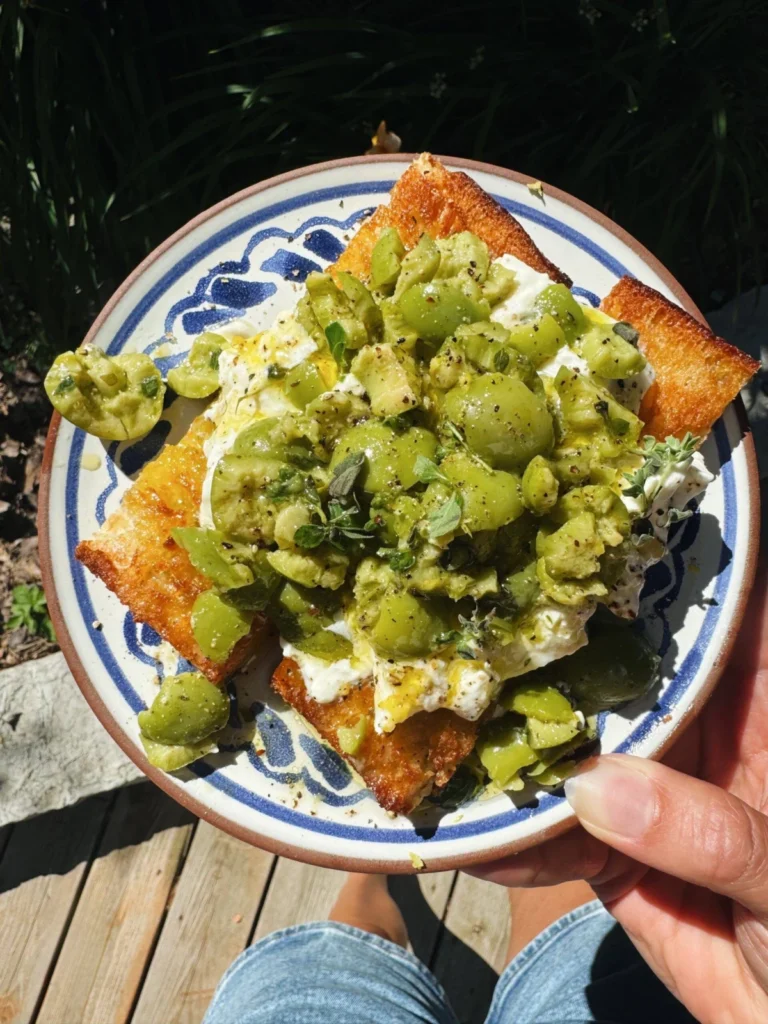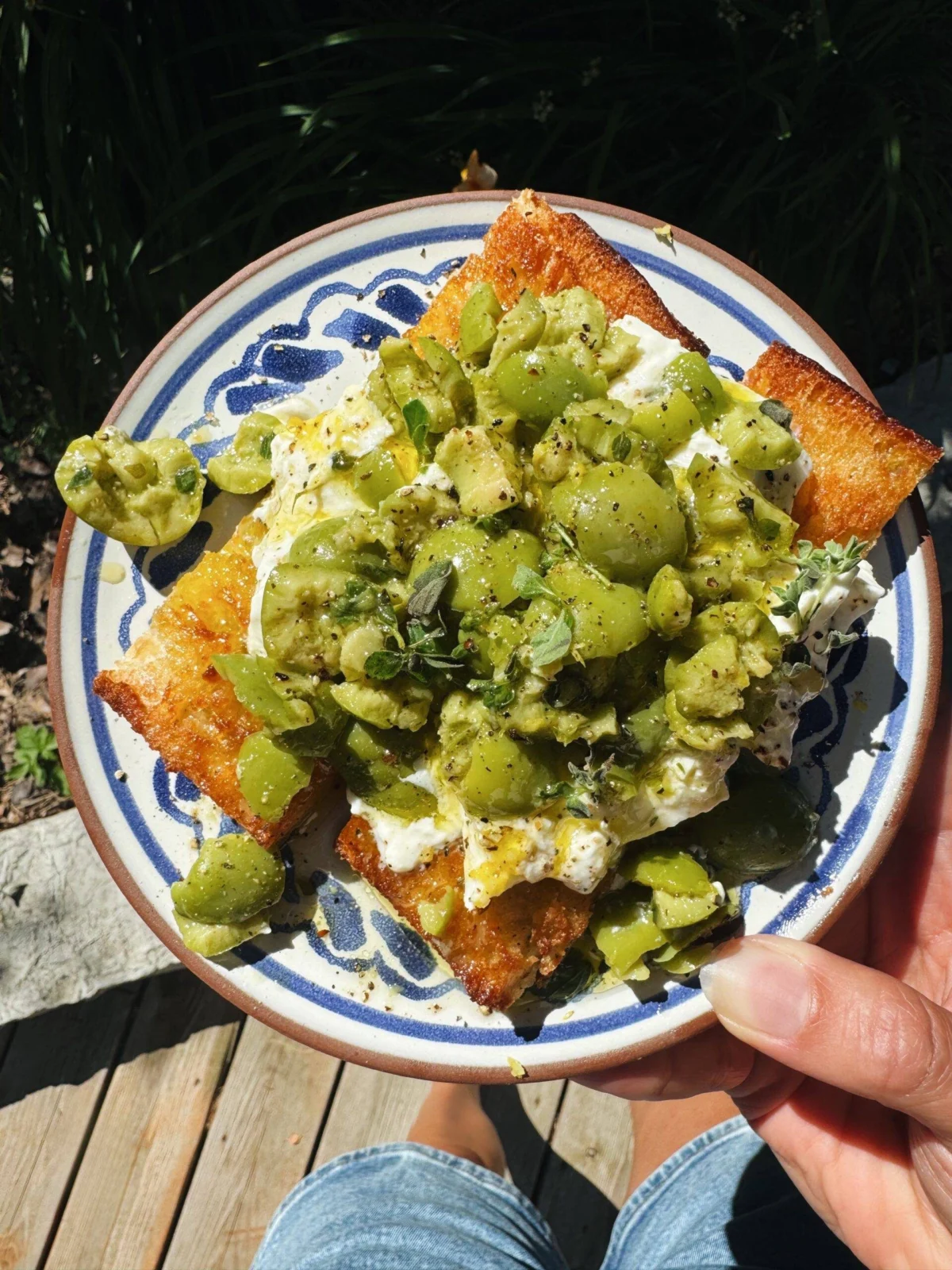

The contemporary culinary landscape is currently witnessing a significant shift in home-dining trends, characterized by the emergence of "low-effort, high-impact" appetizers that emphasize high-quality, minimal ingredients. Among these, the dish colloquially referred to as "smashed olives with burrata" has surged in popularity, becoming a staple in domestic kitchens and social media food circuits. This dish, which marries the briny, firm texture of Castelvetrano olives with the delicate, cream-filled structure of Italian burrata cheese, represents a broader movement toward elevated Mediterranean-inspired grazing boards.
The Origins and Evolution of the Trend
The surge in interest surrounding this specific flavor combination can be traced to a synthesis of viral social media influence and a growing consumer demand for Mediterranean dietary patterns. The concept gained significant traction through digital content creators, most notably Courtney of the Instagram account "Cheese Gal." Her presentation of the dish—emphasizing the tactile process of smashing olives to release their oils and essence—resonated with a broad audience seeking accessible gourmet experiences.
The methodology is straightforward yet effective. Castelvetrano olives, prized for their buttery texture and mild flavor profile, are physically crushed to increase surface area, allowing them to better absorb a marinade of high-grade olive oil, citrus zest, and aromatic herbs. This mixture is then paired with torn burrata and served alongside toasted, pan-fried sourdough or rustic bread. The resulting contrast in temperature, texture, and flavor—balancing the salinity of the olives with the rich, lactic sweetness of the cheese—has positioned the dish as a versatile centerpiece for both casual lunches and formal social gatherings.
Chronology of Market Adoption
The ascent of this dish follows a distinct timeline common to modern food trends. In early 2024, the initial concept was shared via short-form video platforms, where the visual appeal of "tearing" the burrata against the vibrant green of the olives drove high engagement metrics. By mid-summer, culinary influencers and recipe developers, such as Lindsay Ostrom of Pinch of Yum, began adopting and adapting the recipe.
Ostrom’s contribution helped institutionalize the dish within the home-cooking community by standardizing the preparation method. Through iterative testing, developers determined that while fresh basil is the traditional aromatic choice, dried oregano or other woody herbs can provide a deeper, more robust Mediterranean profile. This phase of development transformed a singular social media "hack" into a repeatable, scalable recipe that fits within the framework of modern meal-planning.
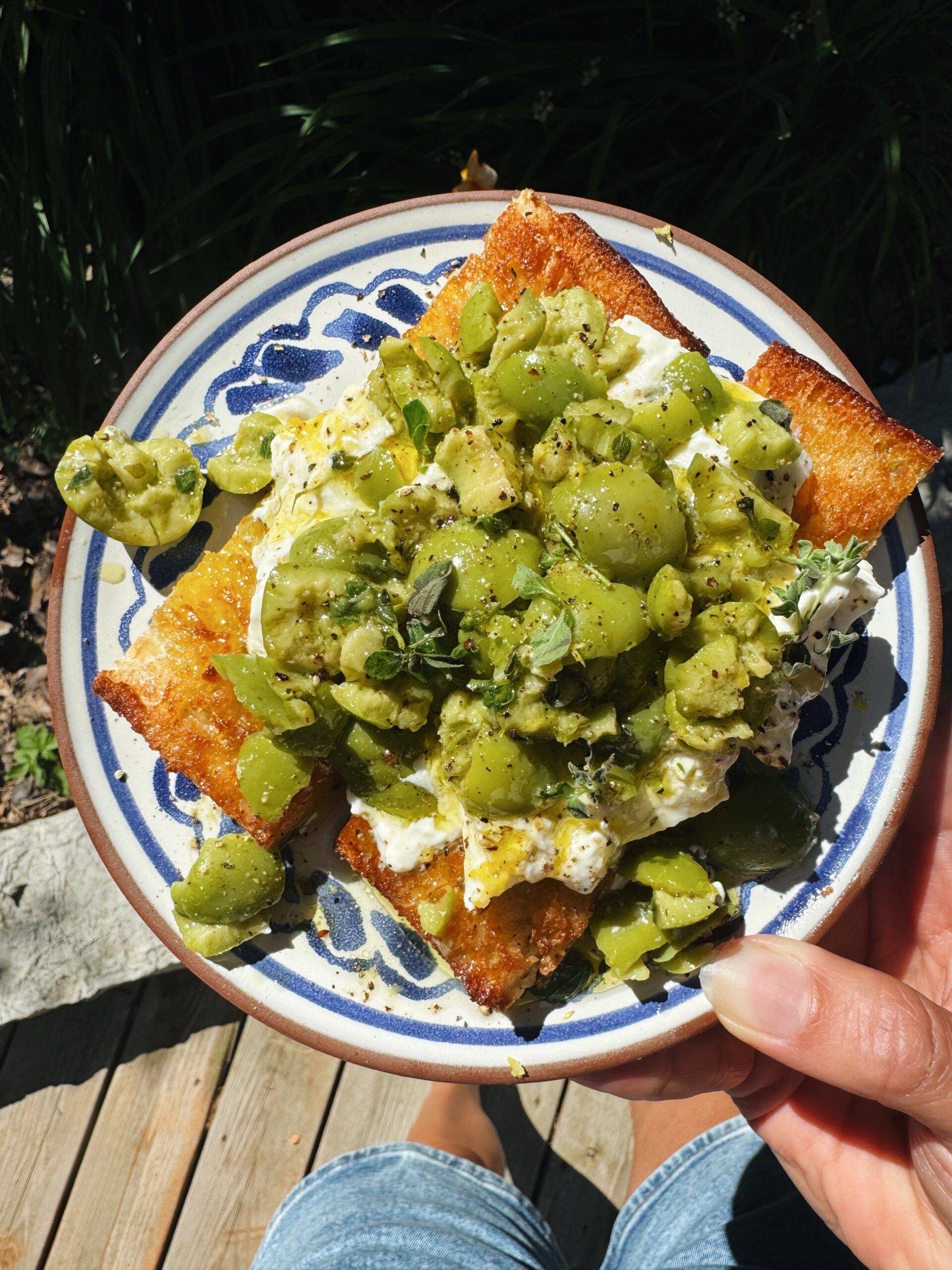
Nutritional and Culinary Analysis
The ingredients central to this dish are rooted in the Mediterranean diet, which has been widely studied for its cardiovascular and metabolic health benefits. Castelvetrano olives are a rich source of monounsaturated fatty acids and antioxidants, particularly oleuropein. Burrata, while calorie-dense due to its high fat content from the cream-filled center, serves as a significant source of protein and calcium.
When analyzed from a culinary perspective, the dish functions on the principle of sensory contrast. The "smashing" technique is essential; it breaks down the fibrous cell walls of the olive, facilitating a more immediate release of flavor compounds. When combined with the acidity of lemon—a common addition in professional renditions—the fat from the olive oil and cheese is effectively balanced, preventing the palate from experiencing flavor fatigue.
Data from recent food industry reports indicate that sales of specialty cheeses, particularly burrata and mozzarella di bufala, have seen a year-over-year increase of approximately 12% in urban markets. Industry analysts suggest this is directly linked to the "small plate" movement, where consumers prefer purchasing high-quality, singular components to construct "snack-style" meals rather than preparing traditional, multi-course dinners.
Professional Perspectives on Ingredient Selection
Culinary experts emphasize that the success of the dish is heavily dependent on the quality of the raw materials. The Castelvetrano olive, harvested in Sicily, is distinct from other varieties due to its early picking and curing process, which preserves its characteristic vibrant green hue and firm, "meaty" texture. Substitutions with canned or mass-produced black olives are generally discouraged by culinary professionals, as the chemical profile of these alternatives lacks the requisite buttery mouthfeel necessary to complement the delicate nature of burrata.
Regarding the aromatic component, chefs suggest that the choice between basil and oregano is not merely a matter of preference but one of regional intent. Basil offers a bright, herbaceous note that complements the summer season, whereas oregano provides a grounded, earthy undertone that pairs effectively with the fermentation notes found in high-quality olive oils.
Broader Economic and Social Implications
The popularity of this dish reflects a significant shift in consumer behavior toward "Girl Lunches" and similar concepts, where the focus is on curated, low-prep, nutrient-dense snacking. This trend is an economic indicator of a demographic that prioritizes convenience without sacrificing the luxury of artisanal ingredients.

Furthermore, the "smashed" technique has broader implications for food preparation, encouraging a more hands-on approach to home cooking. By deconstructing the ingredients—tearing the cheese, smashing the olives, and frying the bread—the cook engages in a sensory-rich process that creates a stronger emotional connection to the meal. This phenomenon is increasingly recognized by behavioral economists as a factor in the "IKEA effect" of home cooking, where individuals place higher value on meals they have personally assembled.
The widespread adoption of this recipe also benefits the supply chain of artisanal food producers. As home cooks seek out higher-quality olives and specialty cheeses, retailers are expanding their inventory to meet this demand, leading to greater visibility for smaller, independent agricultural operations that produce authentic Mediterranean goods.
Future Outlook
As the culinary world moves toward the final quarters of the year, it is expected that the "smashed olives" concept will continue to evolve. Variations incorporating roasted garlic, chili flakes, or preserved lemon are already appearing in culinary blogs and restaurant menus, suggesting that the core concept has sufficient versatility to remain relevant beyond the current season.
While trends in the food industry are notoriously ephemeral, the fundamental appeal of this dish—combining accessible luxury with minimal labor—suggests it may achieve a status similar to the charcuterie board or the avocado toast: a permanent fixture in the modern repertoire of hosting and casual dining. The dish succeeds because it occupies the space between a simple ingredient list and a sophisticated gastronomic experience, a duality that continues to define the modern culinary zeitgeist.
Ultimately, the phenomenon of smashed olives with burrata serves as a case study in how digital media can rapidly disseminate culinary techniques, transforming regional preferences into global trends. Whether served as a summer appetizer or an impromptu lunch, the dish encapsulates a modern approach to dining that favors quality, texture, and the tactile enjoyment of food.