
The Evolution of the Cobb Salad in Meal Prep Culture
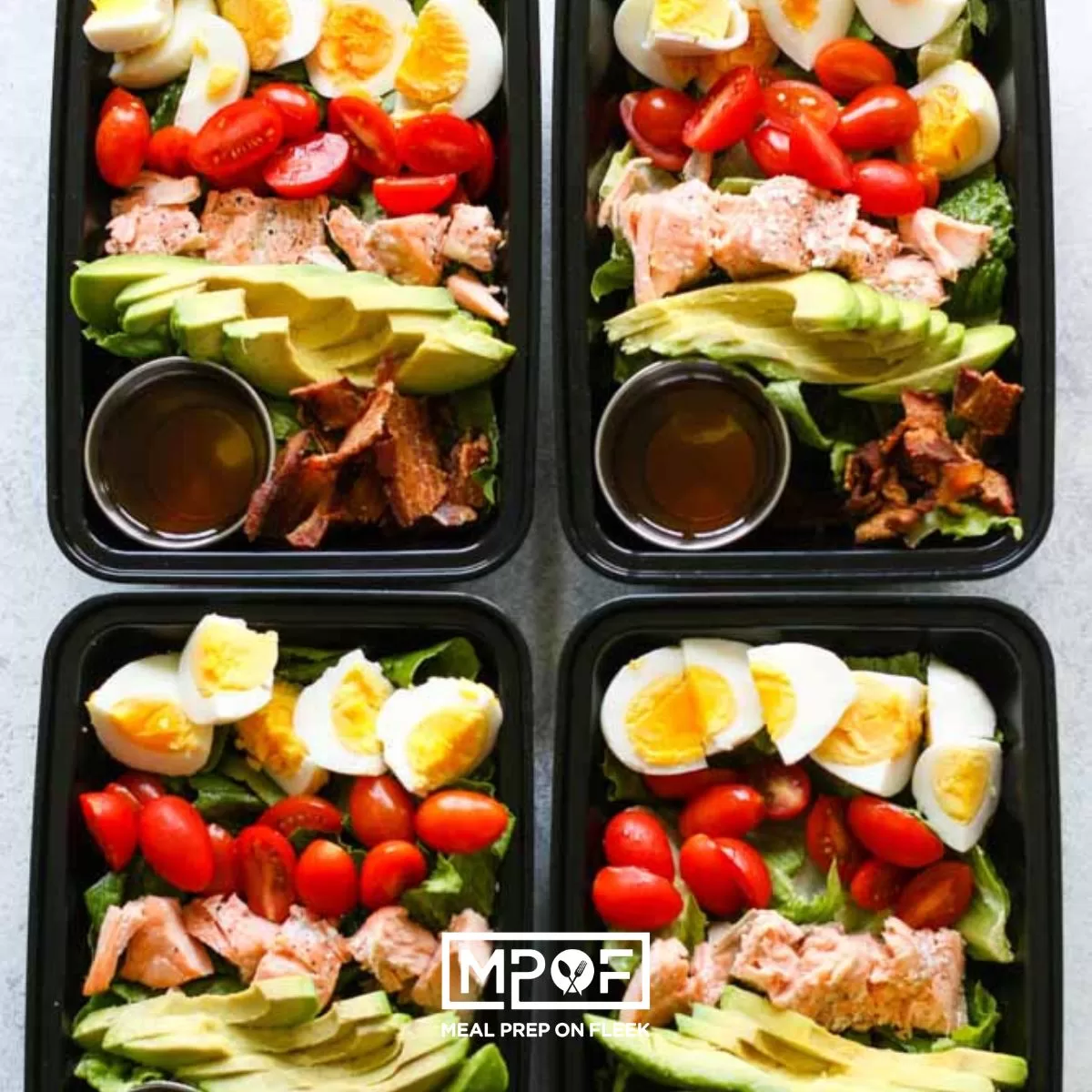
The Cobb salad, which traces its roots back to the 1930s at the Brown Derby restaurant in Hollywood, was originally designed as a "kitchen sink" salad, utilizing leftover ingredients to create a satisfying, protein-heavy meal. In the modern context of meal preparation, the Cobb salad has been reimagined as a cornerstone of the "grab-and-go" lifestyle. The transition from poultry to salmon in this specific preparation reflects a broader trend in culinary nutrition, where the inclusion of oily fish—rich in eicosapentaenoic acid (EPA) and docosahexaenoic acid (DHA)—is viewed as a superior alternative to conventional proteins for supporting cardiovascular and cognitive health.
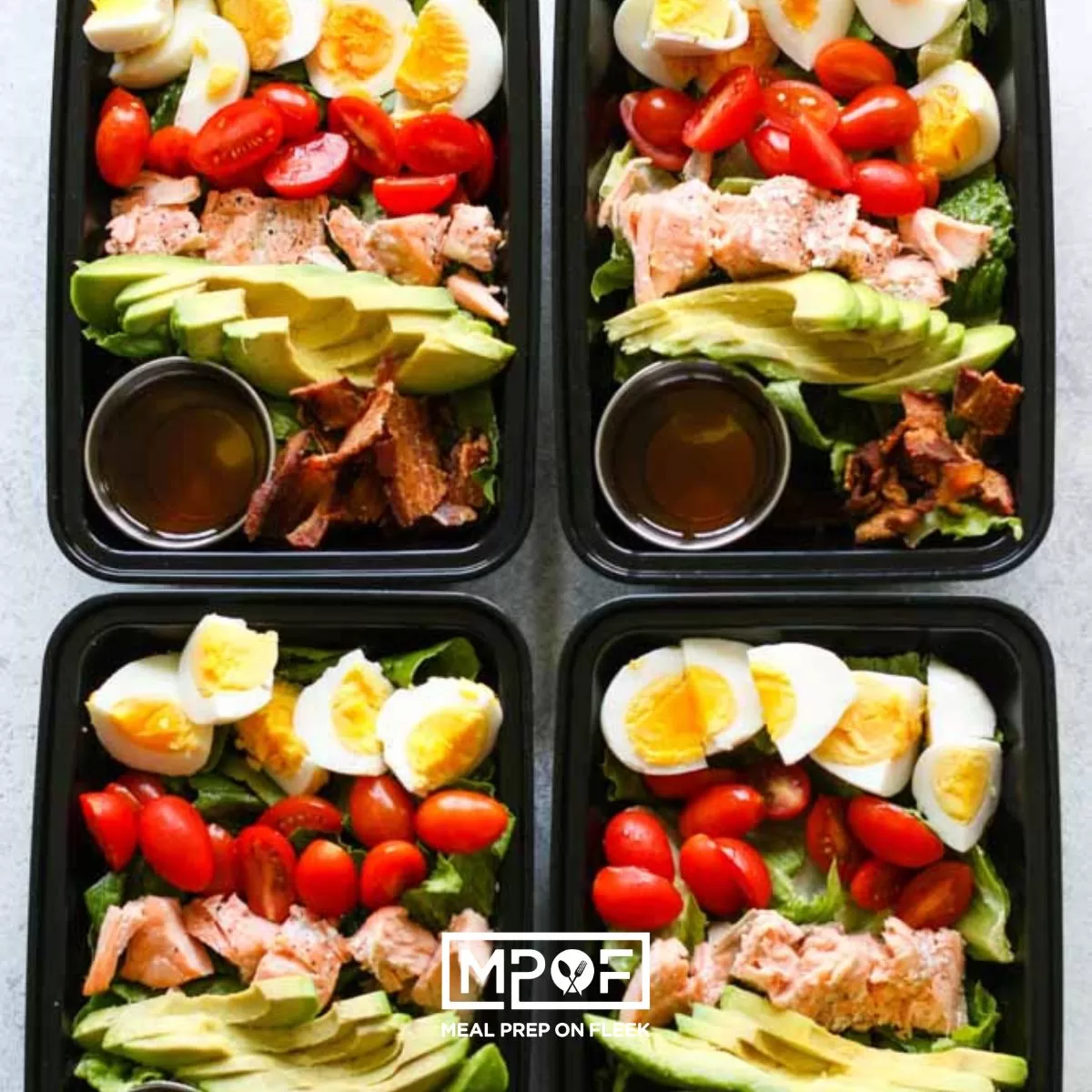
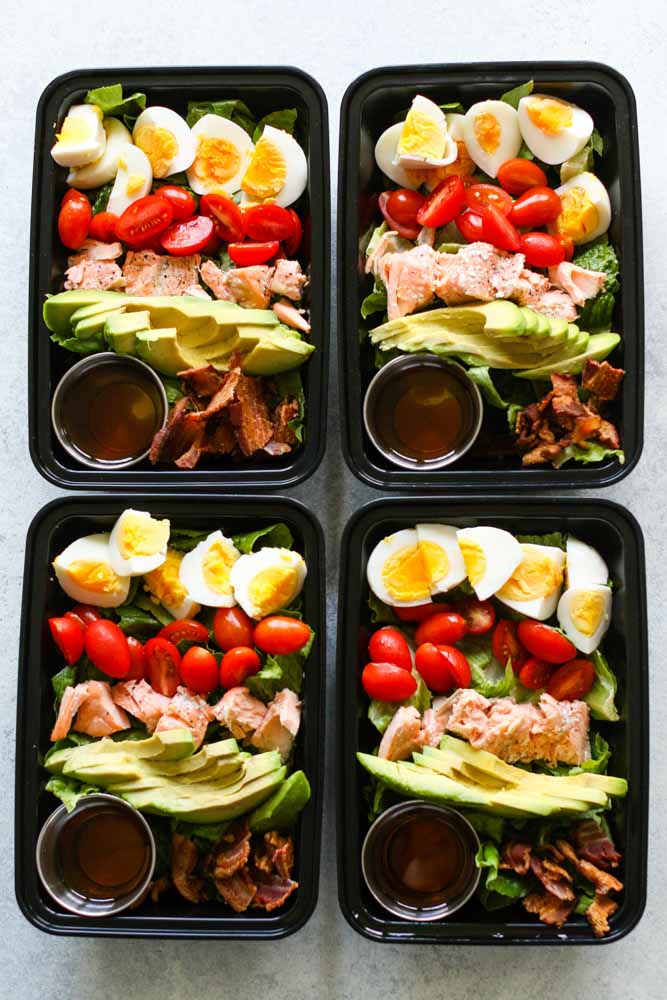
This specific meal prep protocol involves a methodical approach to component cooking. Rather than preparing a singular, homogeneous dish, the salmon-based Cobb salad relies on the assembly of distinct, high-quality ingredients that remain stable over a four-day refrigeration period. This strategy mitigates the common pitfalls of meal prep, such as ingredient degradation, texture loss, and flavor fatigue, which often discourage individuals from maintaining a consistent, healthy eating schedule.
Nutritional Profile and Macro-Nutrient Composition
From a quantitative perspective, the Salmon Cobb Salad is engineered to meet the demands of a high-protein, low-carbohydrate dietary framework. Each serving provides approximately 24.8 grams of protein, 29.6 grams of healthy fats, and 12.1 grams of carbohydrates, resulting in a calorie count of roughly 427 kcal per portion. This distribution is particularly effective for blood glucose management, as the high fiber content—derived from the romaine lettuce and vegetables—paired with the protein from the salmon and eggs, promotes satiety and reduces the likelihood of post-meal energy slumps.
The inclusion of salmon introduces essential micronutrients that are often lacking in standard lunch preparations. These include Vitamin D, which is vital for bone density and immune function; Vitamin B12, essential for nerve function; and selenium, a trace mineral with potent antioxidant properties. The synergy between the healthy fats found in the avocado and the omega-3s in the salmon facilitates the absorption of fat-soluble vitamins, making this meal not only filling but also nutritionally optimized.
Chronological Workflow for Efficient Preparation
To achieve the best results, the preparation process is best executed in a staged, chronological order. This "component-based" workflow is designed to maximize time efficiency and minimize the physical footprint in the kitchen.
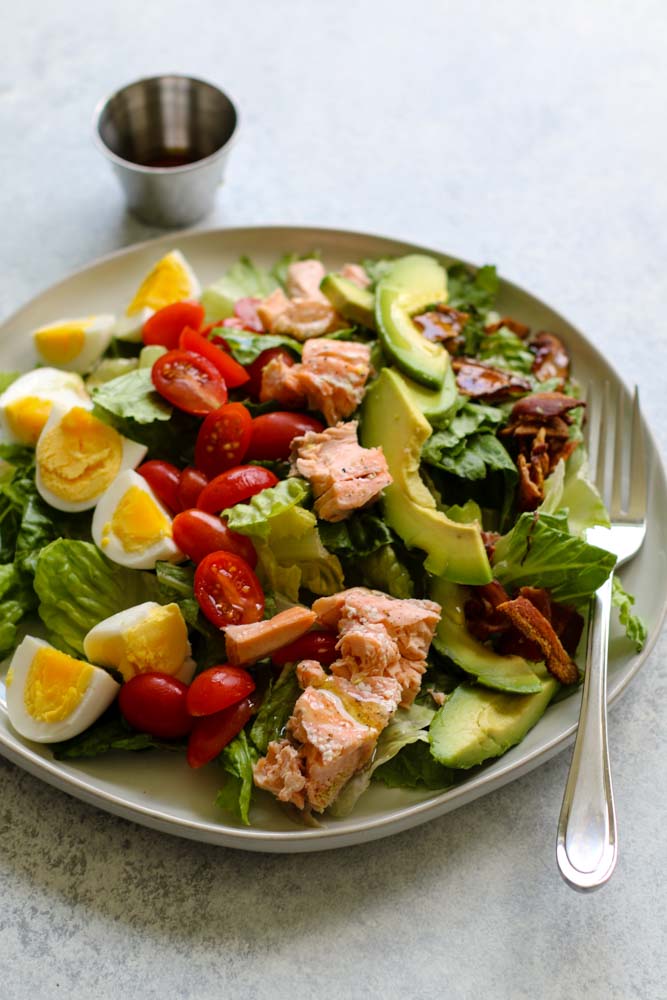
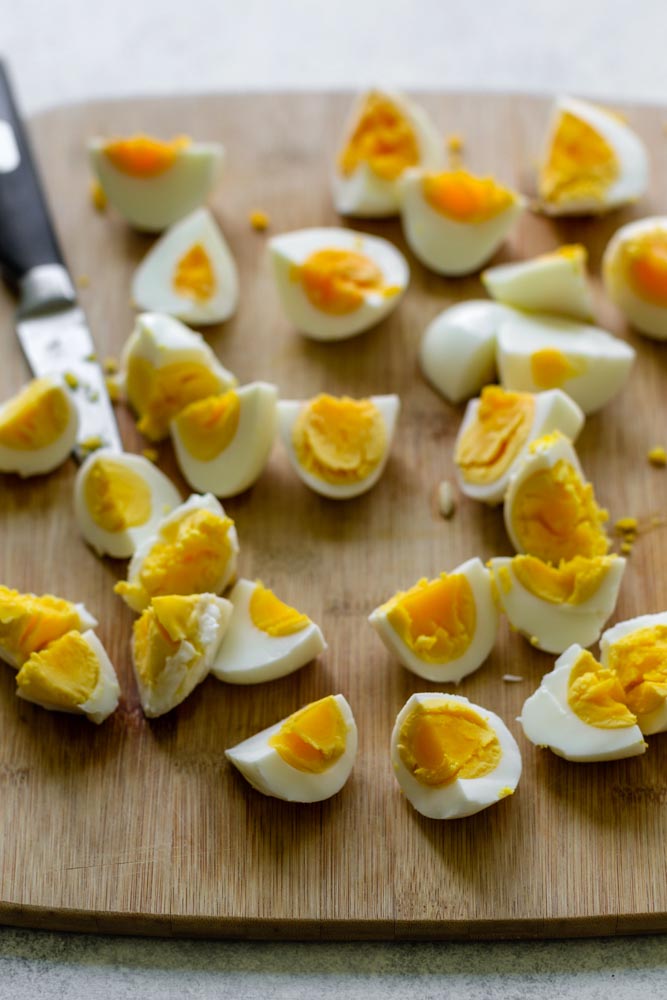
- Protein Thermal Processing: The process begins with the eggs and the salmon. Hard-boiling eggs can be accomplished 24 hours in advance, allowing for complete cooling and easier peeling. The salmon, seasoned with minimal Himalayan sea salt and black pepper, should be baked at 350°F. The goal is to reach an internal temperature that ensures the fish is cooked through while maintaining moisture, which is critical for preserving quality during refrigeration.
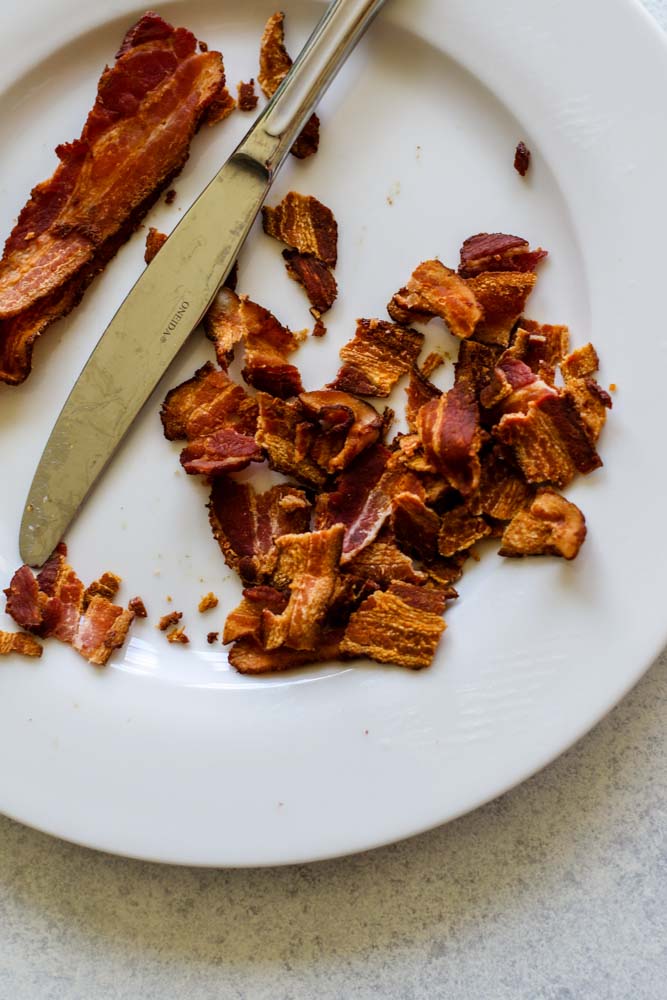
- Bacon Crisping: The bacon is prepared separately to ensure it maintains a firm texture. By cooking the bacon until it reaches a high level of crispness, the risk of it becoming chewy or soggy after exposure to the moisture of the vegetables is significantly reduced. Post-cooking, the bacon must be thoroughly drained and crumbled to ensure even distribution across the portions.
- Vegetable Preparation: The romaine lettuce must be washed, dried, and chopped into bite-sized segments. The removal of surface moisture is the most critical step in preventing the "soggy salad" phenomenon that plagues many meal-prepped lunches. The grape tomatoes and avocados are then processed; while avocado is prone to oxidation, the use of airtight, sealed containers helps maintain its aesthetic and structural integrity for the duration of the four-day cycle.
- Emulsification of Dressing: The red wine vinaigrette serves as the flavor anchor for the dish. By whisking together red wine vinegar, high-quality olive oil, and complementary spices, the acidity of the dressing provides a necessary contrast to the richness of the salmon and the bacon. It is imperative that this component is stored in separate, smaller vessels to avoid premature wilting of the lettuce leaves.
Operational Standards for Food Safety and Quality
When scaling this recipe for a full week, adherence to food safety standards is paramount. The primary risk factor in salad-based meal prep is the combination of wet and dry ingredients over an extended period. To maintain quality, the final assembly should involve layering the heavier, more durable ingredients at the bottom of the container, while the delicate greens are placed on top.
Experts in food storage suggest that utilizing high-quality glass or BPA-free plastic containers with airtight seals can extend the shelf life of the components. Furthermore, the practice of keeping the dressing entirely separate until the moment of consumption is not merely a preference for texture, but an essential step in maintaining the freshness of the romaine lettuce. If the avocado’s appearance is a priority, individuals may opt to store the avocado in a separate, small, sealed container and incorporate it into the salad on the morning of consumption, though for most, the slight oxidation associated with two to three days of storage is considered a negligible aesthetic trade-off for the added convenience.
Broader Implications of Meal Prep Strategies
The widespread adoption of structured meal prep, as exemplified by the Salmon Cobb Salad, signals a move toward consumer-driven preventive healthcare. By taking control of the ingredient list—specifically the source of the salmon and the quality of the bacon—individuals are effectively reducing their intake of processed additives, refined sugars, and inflammatory vegetable oils common in store-bought salads.
From an economic standpoint, the upfront cost of purchasing wild-caught salmon and fresh produce is often offset by the reduction in frequency of dining out. A prepared lunch costs significantly less than a comparable meal purchased at a fast-casual restaurant, while also providing a higher density of nutrients. Furthermore, the reduction in food waste is a notable, albeit secondary, benefit. By purchasing exactly the amount of produce and protein required for four servings, the consumer is able to manage household inventory more effectively, contributing to a more sustainable consumption model.
The rise of high-protein, low-carb meal planning also reflects the evolving requirements of the modern workforce. With sedentary office work becoming the norm for a large segment of the population, the ability to control one’s caloric intake without sacrificing the quality or flavor of the meal is an essential skill. The Salmon Cobb Salad serves as a prime example of how traditional, indulgent comfort foods can be successfully adapted to fit modern metabolic needs.
Ultimately, the success of this meal prep strategy hinges on the discipline of component preparation and the adherence to storage protocols. By treating lunch as a vital component of the day’s performance rather than an afterthought, individuals can leverage this Salmon Cobb Salad recipe to ensure consistent, high-quality nutrition throughout the busiest parts of the week. As research continues to link diet directly to cognitive and physical performance, the trend toward deliberate, home-prepared meals is expected to maintain its momentum in the broader wellness landscape.