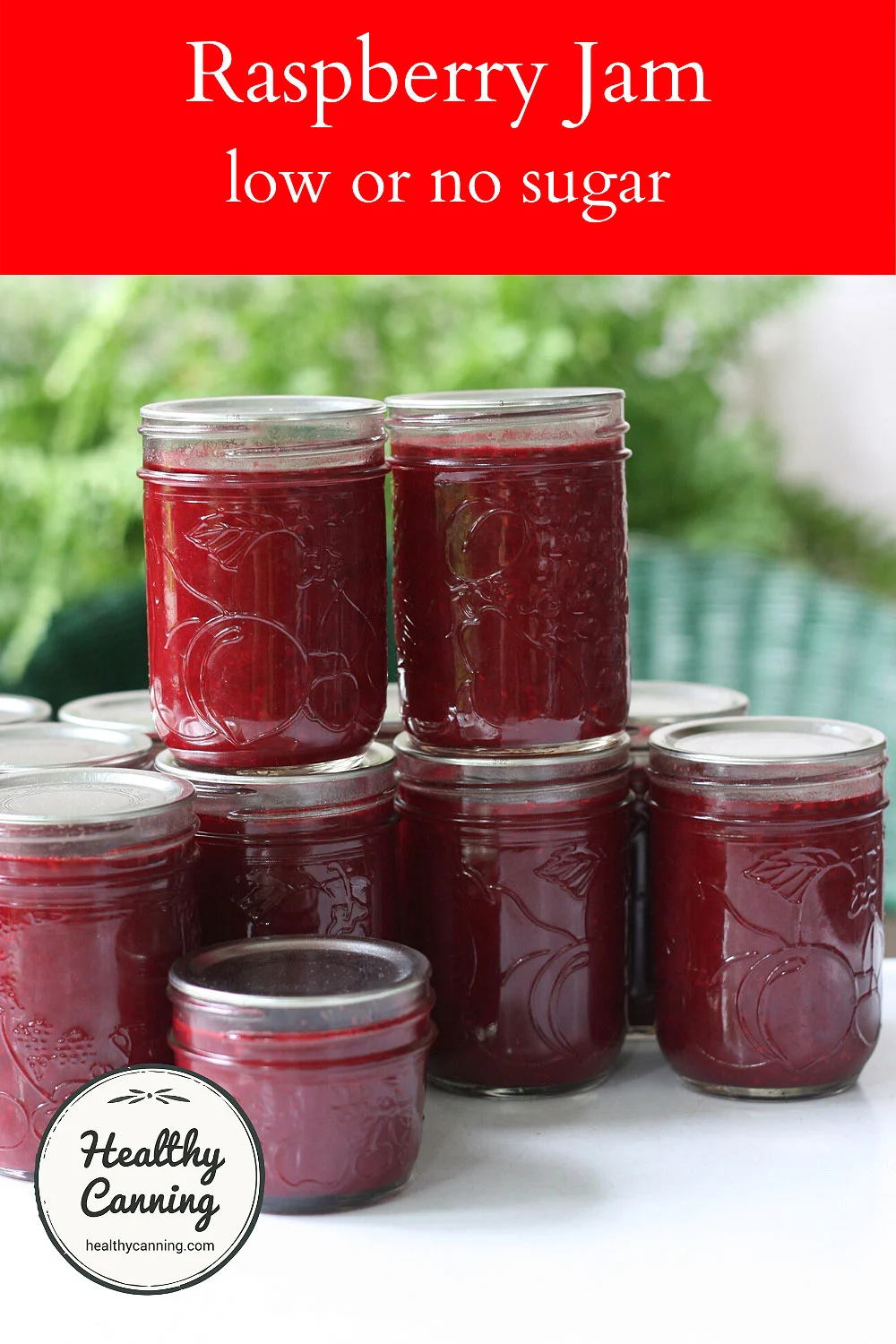

The art of home food preservation has experienced a significant resurgence in contemporary domestic kitchens, driven by consumer interest in locally sourced produce, dietary customization, and sustainable living practices. Among the most popular seasonal preservation projects is raspberry jam, a staple condiment valued for its vibrant color and balanced tart-sweet flavor profile. Recent culinary developments, particularly utilizing specialized gelling agents like Pomona’s universal pectin, have transformed how home canners approach traditional recipes. By allowing jams to set successfully with low sugar, alternative sweeteners, or honey, modern preserving methods cater to health-conscious demographics without sacrificing traditional textures or shelf-stability.
Background Context of Low-Sugar Canning and Pectin Innovation
Traditionally, high sugar content was not merely a matter of taste in jam-making; it was a structural necessity. Conventional commercial pectins require high concentrations of sugar—often equal parts fruit and sugar by weight—to create the chemical bonds necessary for a proper gel. This high-sugar requirement historically posed challenges for diabetics, individuals managing caloric intake, and consumers seeking to experience the unmasked, natural flavor of fresh fruit.
The introduction of low-methoxy citrus pectin, commercially popularized under brands such as Pomona’s Universal Pectin, fundamentally altered this dynamic. Pomona pectin is activated by calcium rather than sugar, enabling home canners to formulate stable, safely processed jams using little to no sugar, honey, agave nectar, or artificial sweeteners like granulated Splenda and liquid stevia. This technological advancement aligns with broader public health trends favoring reduced sugar consumption, offering a scientifically validated method for preserving seasonal fruits like raspberries while maintaining adherence to rigorous home-canning safety standards.
Chronology and Preparation Workflow
Producing a safe, shelf-stable batch of low-sugar raspberry jam requires a precise sequence of preparation, cooking, and thermal processing. The standard workflow typically spans approximately 35 minutes of active kitchen time, divided into 15 minutes of preparation and 20 minutes of cooking, followed by atmospheric thermal processing.
The culinary process begins with ingredient selection and fruit preparation. Home canners may utilize either freshly harvested raspberries or thawed frozen fruit. Depending on textural preferences, cooks can pass the fruit through a food mill or fine mesh strainer to remove the seeds—a technique frequently employed during seasons of high fruit yield when an abundance of produce allows for luxury modifications.
Once the fruit base is prepared, the procedural timeline follows these structured phases:
- Pectin and Calcium Integration: The calcium water (provided in Pomona pectin kits) is thoroughly mixed directly into the fruit puree or crushed raspberries, while the powdered pectin is meticulously blended with a small quantity of sweetener or water to prevent clumping before being stirred into the fruit mixture.
- The Heating Phase: The combined mixture is brought to a rolling boil over medium-high heat, activating the gelling agents. If utilizing sugar, honey, or alternative sweeteners, they are incorporated at specific intervals according to the precise formulation requirements.
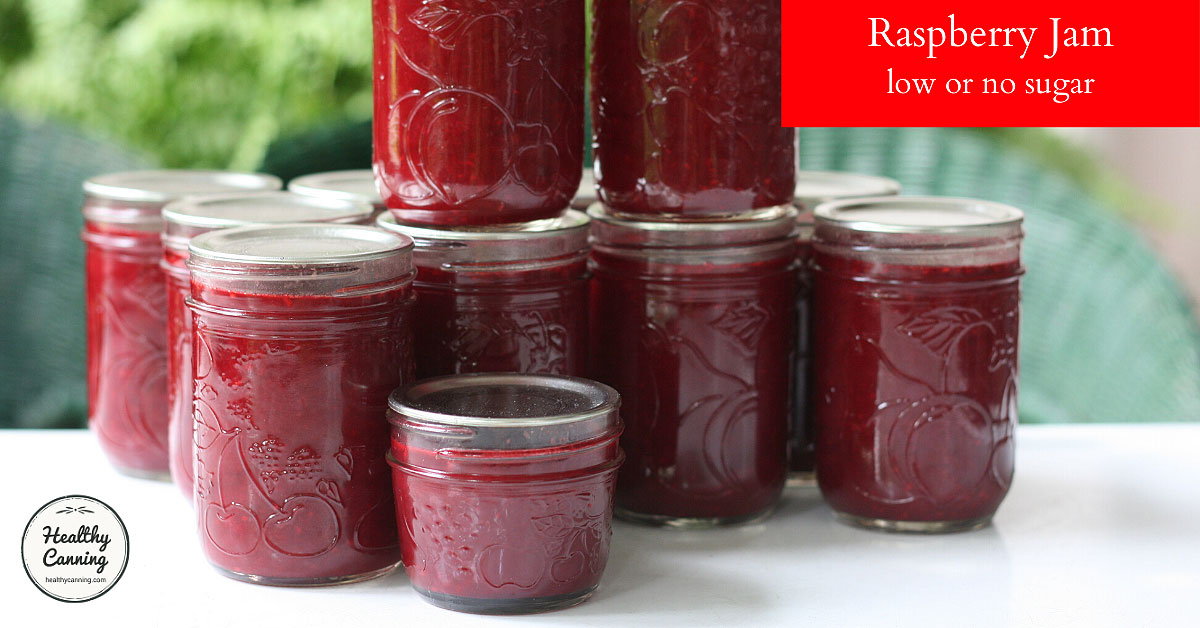
- Jar Filling and Headspace Management: The hot jam is ladled into sterilized 125 ml (half-cup) or quarter-litre (half-US pint) jars, ensuring a precise headspace of 1 centimeter (one-quarter inch) is maintained to allow for proper vacuum seal formation during processing.
- Thermal Processing: Filled jars are processed using either a boiling water bath or a steam canner for a standardized duration of 10 minutes, adjusted upward for elevation to account for atmospheric pressure changes at higher altitudes.
Supporting Data and Nutritional Profiles
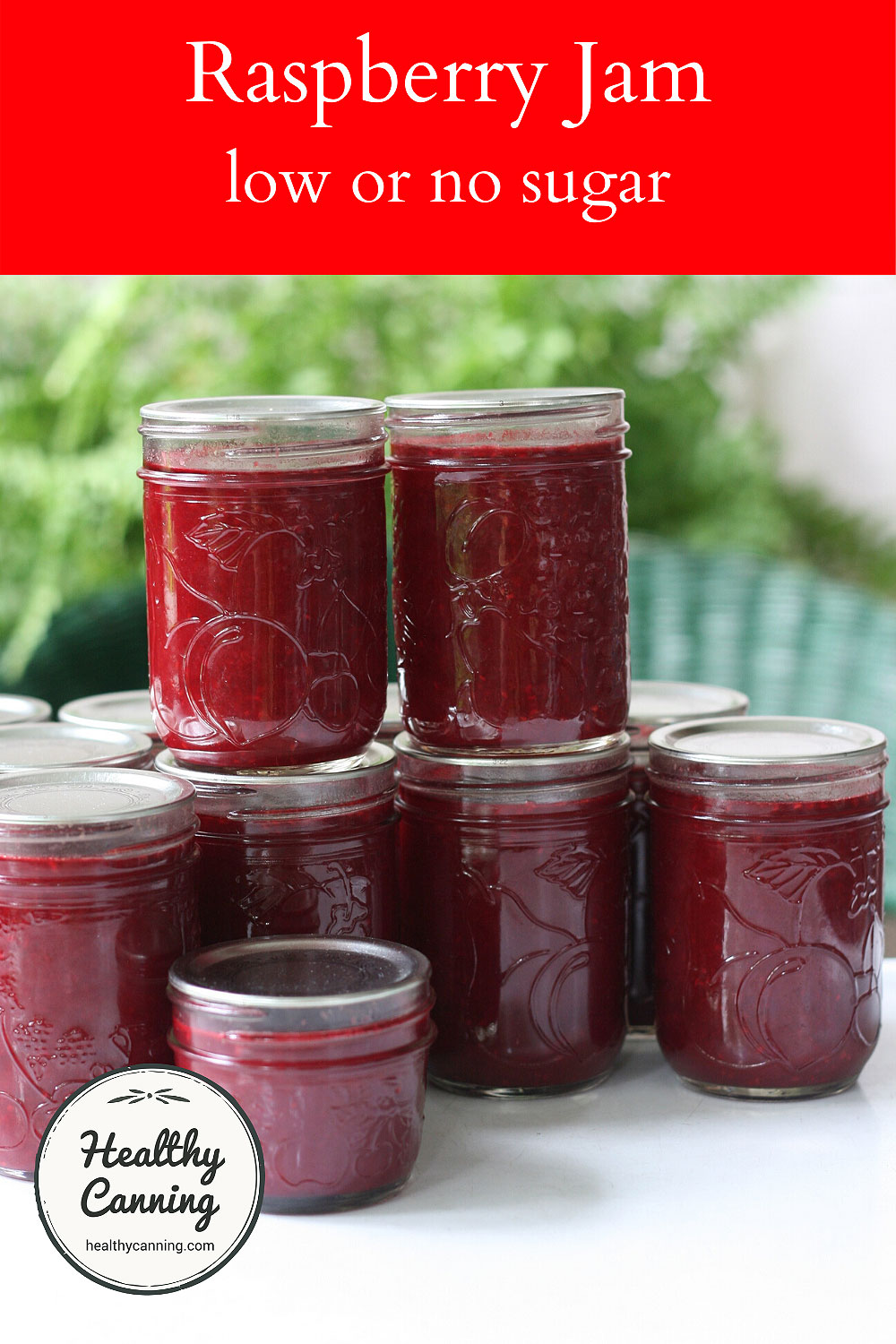
Nutritional analyses of home-canned raspberry jam demonstrate significant variance depending on the chosen sweetener, offering flexibility for diverse dietary needs. When formulated using traditional cane sugar at a ratio of one cup (200 grams) of sugar per batch, a standard one-tablespoon serving yields approximately 21 calories, 5 grams of carbohydrates, 1 gram of dietary fiber, and 4 grams of sugar.
Conversely, adapting the recipe to utilize granulated Splenda alters the nutritional profile substantially. A one-tablespoon serving prepared with alternative sweeteners reduces the caloric load to approximately 10 calories and lowers carbohydrate content to 2 grams, making the preserve accessible to individuals adhering to strict carbohydrate-restricted diets. Micronutrient traces remain consistent across both variations, contributing modest amounts of Vitamin C, potassium, and calcium per serving.
Official Guidelines and Food Safety Protocols
Home food preservation authorities, including university extension offices and master food preserver networks, emphasize that low-sugar jam recipes must still adhere to strict acidification and processing guidelines to prevent microbial contamination, specifically from Clostridium botulinum. While raspberries possess natural acidity, recipes utilizing low-sugar pectins often incorporate measured amounts of lemon juice, citric acid, or ascorbic acid to ensure the final product maintains a safe pH level below 4.6.
Master Food Preserver organizations operate seasonal telephone hotlines and regional assistance groups to guide novice and experienced canners through altitude adjustments, equipment calibration, and proper sealing techniques. Industry guidelines dictate that water-bath and steam canning processing times must be strictly observed and modified based on local elevation above sea level to guarantee the destruction of heat-resistant spores. Furthermore, properly sealed jars stored in cool, dark environments typically maintain optimal quality and safety for up to one year, though quality degradation may occur thereafter.
Broader Impact and Culinary Implications
The widespread availability of low-sugar pectin and standardized home-canning recipes reflects a broader shift toward domestic self-reliance and culinary customization. By decoupling jam preservation from excessive sugar reliance, home cooks can celebrate the distinct, tart flavor profile of raspberries without dietary compromise. As urban agriculture and backyard gardening continue to produce seasonal gluts of fruit, accessible preservation methods ensure that surplus harvests are efficiently utilized, minimizing food waste while extending the culinary availability of seasonal produce throughout the year.