In an era defined by the rise of "biohacking," the pursuit of extreme longevity has transitioned from the fringes of scientific research into the mainstream consumer consciousness. From cold plunges and hyper-specific dietary protocols to the use of controversial pharmaceuticals, the modern landscape of health optimization is saturated with advice from influencers, venture-backed startups, and self-proclaimed longevity experts. Yet, as the industry grows, a critical question remains: are these high-intensity, often expensive protocols necessary for the average individual, or are they diminishing the quality of life they claim to extend?
The current trend toward "health optimization" represents a departure from traditional public health guidelines, which have historically focused on moderate exercise, balanced nutrition, and preventative screenings. Today, the conversation has shifted toward the concept of "healthspan"—the period of life spent in good health—versus lifespan, the total number of years lived. While the goal of reducing the burden of chronic disease is universally supported by the medical community, the methodology currently championed by the longevity movement often involves significant financial, temporal, and psychological trade-offs.
The Evolution of the Longevity Industry
The pursuit of extended life is as old as civilization, but the modern iteration began to take shape in the early 2010s with the convergence of Silicon Valley wealth and advancements in genomic research. By the early 2020s, the "longevity economy" had exploded. According to market research firm Global Market Insights, the longevity and anti-aging market was valued at over $25 billion in 2022, with projections estimating sustained growth through the end of the decade.
This growth has been driven by a shift in how health is quantified. Wearable technology, such as continuous glucose monitors (CGMs), smart rings, and heart-rate variability trackers, has allowed individuals to monitor biomarkers once reserved for clinical settings. While this data can be empowering, experts in public health note a rising trend in "orthosomnia" and "orthorexia"—obsessive behaviors surrounding sleep and diet metrics—which suggest that the pursuit of optimal health can inadvertently trigger psychological distress.
The Financial and Temporal Burden of Optimization
A primary concern regarding modern health protocols is the barrier to entry. Many popular longevity strategies, such as frequent functional medicine blood panels, specialized supplement stacks, and access to private hyperbaric oxygen chambers or infrared saunas, require substantial financial investment.
For the average household, these costs are prohibitive. A recent audit of popular "longevity kits" suggests that a person following an advanced, influencer-recommended regimen could easily spend upwards of $10,000 to $50,000 annually. This creates a two-tiered system of health, where longevity is increasingly framed as a luxury product rather than a fundamental outcome of sustainable lifestyle choices.
Beyond the financial cost is the investment of time. Many high-level protocols demand hours of daily commitment—meal prepping specific macro-nutrient profiles, rigorous multi-stage exercise routines, and daily meditation or mindfulness sessions. For working parents, individuals with demanding careers, or those living in food deserts, these requirements are not only difficult to achieve but may contribute to chronic stress, which is itself a known driver of biological aging.
Scientific Perspectives on Sustainability
Clinical research consistently demonstrates that the most effective interventions for longevity are the least expensive and most accessible: regular physical activity, a diet rich in whole foods, adequate sleep, and strong social connections.

The "Blue Zones" research, which studied populations with the highest concentrations of centenarians—such as those in Sardinia, Italy, and Okinawa, Japan—highlights that extreme, individualized protocols were absent in these communities. Instead, these populations thrived due to environmental factors, moderate physical movement integrated into daily life, and a community-centric approach to living.
The current trend toward "hyper-optimization" often ignores the Law of Diminishing Returns. While a sedentary person will see massive health gains from 30 minutes of walking, a person who already exercises regularly will see exponentially smaller returns from adding hours of high-intensity training or experimental supplements. The trade-off, therefore, is an increase in effort that does not necessarily equate to a proportional increase in life expectancy.
The Role of Coaching and Professional Guidance
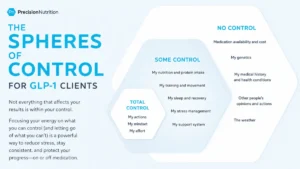
As the public becomes overwhelmed by conflicting health advice, the role of certified nutrition and health coaches has become increasingly vital. The objective of professional coaching is to shift the focus from "optimization" to "sustainability."
The industry is moving toward a model that emphasizes habit formation over the pursuit of perfection. By focusing on fundamental pillars—such as consistent protein intake, hydration, and stress management—coaches help clients build a lifestyle that is sustainable over decades, rather than weeks. This approach is rooted in the understanding that the best health protocol is the one an individual can actually stick to long-term.
Broader Implications for Public Health
The medical community is currently divided on the long-term implications of the longevity movement. On one hand, the increased focus on biomarkers has led to earlier detection of metabolic issues. On the other hand, there is a risk that the medicalization of daily life could lead to unnecessary anxiety and the over-prescription of treatments for conditions that do not yet exist.
Official bodies, such as the World Health Organization and the Centers for Disease Control and Prevention, continue to emphasize that the biggest gains in global life expectancy will come from structural improvements in access to primary care, clean air, and nutritional education, rather than individual "hacks."
Conclusion: Defining Your Personal Baseline
For those interested in longevity, the path forward requires a shift in perspective. Instead of chasing the latest trends, experts recommend an assessment of current lifestyle factors. The goal is to move from a state of reactive health management—where one seeks to "fix" their body—to a proactive model that supports natural biological function.
As individuals look to refine their health strategies, they must weigh the potential benefits against the true cost. Clarity is key: understanding what is backed by rigorous clinical data versus what is driven by marketing or trends. By prioritizing the "big rocks"—sleep, movement, nutrition, and stress management—individuals can achieve significant improvements in their healthspan without the need for extreme or unsustainable protocols.
Ultimately, the most successful strategy for longevity is one that integrates seamlessly into a life that is worth living. Whether one aims to reach age 90 or 115, the most valuable asset in the journey is consistency, not perfection. As the industry continues to evolve, the emphasis must remain on accessibility, education, and the empowerment of individuals to make informed, realistic choices that prioritize their long-term well-being above the pursuit of temporary, high-effort trends.