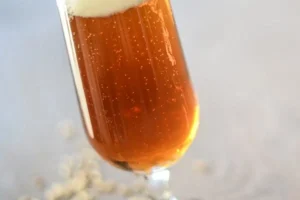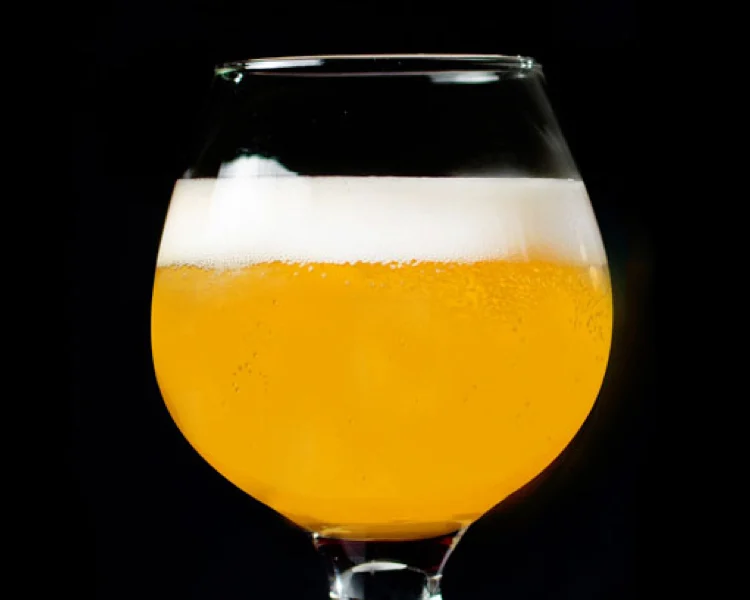

The art of craft beverage fermentation reached a high-water mark for the state of Colorado this season as Nelson Crowle, a dedicated resident of Foxfield and an active member of the Indian Peaks Alers homebrewing club, claimed the prestigious gold medal in Category 40: Strong and Specialty Cider and Perry at the final round of the 2026 National Homebrew Competition. Crowle’s exceptional concoction rose to the top of an intensely competitive field, securing the gold out of 69 distinct, highly rated entries from across the nation. This victory not only underscores Crowle’s meticulous approach to crafting fermented fruit beverages but also highlights the growing sophistication, talent, and regional prominence of home-fermenters operating within the American craft beverage community.
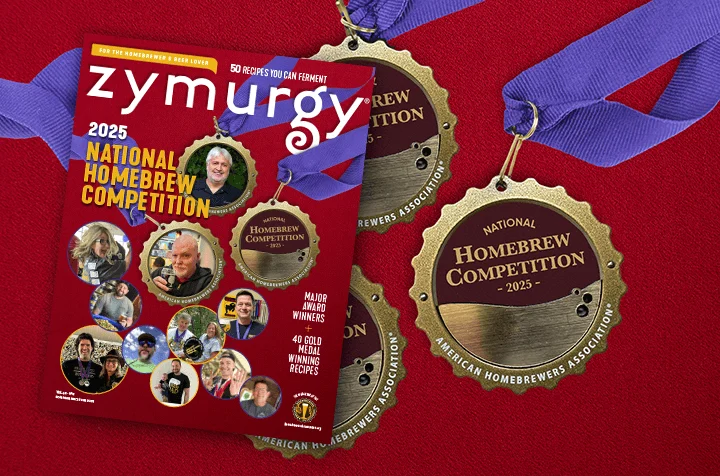
The National Homebrew Competition, organized annually by the American Homebrewers Association (AHA), represents the pinnacle of amateur brewing achievement worldwide. Every year, thousands of passionate brewers submit their finest beers, meads, ciders, and perries to regional competitions, hoping to advance to the ultimate judging tier: the National Homebrew Competition Final Round. Winning a medal in this esteemed event requires navigating a rigorous multi-tier evaluation process led by the Beer Judge Certification Program (BJCP). Judges evaluate entries based on strict stylistic guidelines, looking for perfection in aroma, appearance, flavor, mouthfeel, and overall technical execution. Within this high-stakes environment, Category 40—which encompasses strong and specialty ciders and perries—is widely recognized as one of the most technically challenging divisions due to the complex biochemistry of high-gravity apple and pear fermentations, aging variables, and the integration of specialty adjuncts or barrel aging.
Background Context of the National Homebrew Competition
To understand the magnitude of Nelson Crowle’s victory, it is essential to examine the history and scale of the National Homebrew Competition. Established in the late 1970s alongside the modern homebrewing renaissance in the United States, the competition has evolved from a small gathering of hobbyists into the largest annual international beer, cider, and mead competition in the world.
The event serves several vital functions within the broader fermentation industry. First, it validates the recipes and techniques of amateur brewers, many of whom eventually transition into professional brewing, founding some of the most celebrated craft breweries, cideries, and meaderies in operation today. Second, the competition acts as a massive educational platform. By releasing medal-winning recipes and organizing judging feedback loops, the American Homebrewers Association fosters a culture of continuous learning and quality improvement among its members.
Cider and perry categories, in particular, have experienced a dramatic renaissance over the past decade. As consumer tastes shift toward artisanal, gluten-conscious, and orchard-driven beverages, home winemakers and cider makers have invested heavily in sourcing heritage apple varieties, experimenting with wild yeasts, and mastering the fine balance of tannin, acid, and residual sugar. Crowle’s success in Category 40 reflects this broader industry trend, proving that amateur producers are pushing the boundaries of what fermented fruit can achieve.
The Journey to Gold: Chronology and Regional Club Culture
The path to the 2026 National Homebrew Competition podium is a grueling, year-round endeavor that begins months before the final judging tables are set. For Nelson Crowle, the journey started in the local orchards and home workshops of Colorado, deeply supported by the community framework provided by the Indian Peaks Alers.
Regional homebrewing clubs play a foundational role in the success of competitors like Crowle. These organizations provide constructive peer reviews, collaborative brew sessions, and shared technical knowledge regarding water chemistry, yeast management, and fermentation temperature control. The Indian Peaks Alers, a prominent Colorado-based club, has a long-standing tradition of fostering technical excellence and competitive drive among its members.
- Phase One: Recipe Development and Sourcing (Late Autumn to Early Winter): Crafting a gold-medal-winning strong cider requires careful selection of fruit. Whether utilizing traditional bittersweet and bittersharp cider apples or expertly blending table fruit with high-tannin adjuncts, the process begins months in advance. Fermentation profiles must be meticulously managed to preserve delicate aromatics while achieving the higher alcohol content mandated by the "strong" classification.
- Phase Two: Fermentation and Aging (Winter to Early Spring): Category 40 entries often demand extended maturation periods. Controlling oxidation, managing sulfur compounds, and ensuring proper clarification without stripping away vital character require expert patience and scientific precision.
- Phase Three: First-Round Submissions (Spring): Brewers submit their bottled or kegged creations to localized first-round judging sites. Only the highest-scoring entries are permitted to advance to the national level.
- Phase Four: The National Final Round (Mid-2026): Evaluated by a panel of elite, highly certified BJCP judges, the surviving entries undergo rigorous sensory analysis. Out of 69 elite contenders in Category 40, Crowle’s cider successfully satisfied every stringent requirement of the style guidelines, balancing alcoholic warmth with complex fruit tannins and crystal-clear execution to capture the gold medal.
Supporting Data and the Competitive Landscape of Category 40
The statistics surrounding the 2026 National Homebrew Competition highlight the sheer depth of talent competing in amateur fermentation circles. With 69 entries in Category 40 alone, the competition ratio was fierce. Each entry represents dozens of hours of labor, precise chemical measurements, and artistic interpretation of style parameters.
| Competition Metric | Detail |
|---|---|
| Organizing Body | American Homebrewers Association (AHA) |
| Event Tier | 2026 National Homebrew Competition Final Round |
| Target Category | Category 40: Strong and Specialty Cider and Perry |
| Field Size | 69 competitive entries |
| Winner | Nelson Crowle (Foxfield, Colorado) |
| Affiliation | Indian Peaks Alers |
In the world of professional and amateur cider making, "Strong Cider" typically refers to beverages with an elevated alcohol-by-volume (ABV) percentage, often exceeding standard table ciders, while "Specialty" allows for the inclusion of non-traditional ingredients such as spices, wood aging, or other fruits. Managing the fermentation kinetics of high-sugar musts without creating harsh solvent-like alcohols or stripping away natural apple character is notoriously difficult. Crowle’s ability to navigate these chemical complexities under the scrutiny of master judges speaks volumes about his technical craftsmanship.
Statements and Reactions from the Fermentation Community
While individual reactions from Nelson Crowle remain focused on the quiet satisfaction of a well-executed brew, leaders within the homebrewing community have been vocal about the significance of regional achievements in specialized categories like cider.
Industry analysts and veteran judges noted that the 2026 competition showcased an unprecedented level of refinement in non-beer categories. Representatives of the American Homebrewers Association have repeatedly emphasized that the growth of cider and mead entries points to a diversifying hobby. Where the competition was once dominated entirely by ale and lager styles, contemporary homebrewers are increasingly exploring the rich agricultural heritage of pomology and vinification.
Colleagues within the Indian Peaks Alers expressed immense pride upon the announcement of Crowle’s gold medal. Within tight-knit regional clubs, a national win is shared collectively. Club members frequently participate in group tastings, troubleshooting off-flavors and refining yeast attenuation rates together. Crowle’s triumph serves as validation for the collaborative spirit that defines Colorado’s vibrant craft beverage ecosystem.
Broader Impact and Implications for Craft Cider
The implications of Nelson Crowle’s victory extend far beyond the walls of his home workshop in Foxfield. As consumer interest in artisanal, locally sourced craft beverages continues to expand, the innovations and recipes perfected by award-winning homebrewers frequently serve as the R&D lab for the commercial industry.
- Inspiration for Commercial Scaling: Many commercial cideries across the United States trace their corporate origins back to amateur competitions. Award-winning recipes developed in home kitchens often form the foundational flagship products of newly established micro-cideries.
- Elevating Consumer Expectations: As amateur makers produce world-class strong and specialty ciders, consumer palate sophistication rises. Drinkers increasingly demand complex, wine-like ciders with nuanced tannins and dry finishes rather than overly sweet, mass-produced commercial alternatives.
- Strengthening Regional Identity: Colorado has long been celebrated as a powerhouse for craft beer. Crowle’s success on a national stage reinforces the narrative that the state’s fermentation talent is equally formidable when applied to orchards, apples, and specialty perries.
Ultimately, Nelson Crowle’s gold medal at the 2026 National Homebrew Competition Final Round is a testament to the dedication, science, and artistry required to transform simple agricultural ingredients into world-class liquid art. As the American Homebrewers Association continues to archive and share medal-winning recipes through its member networks, aspiring cider makers across the globe will undoubtedly look to Crowle’s triumph as a masterclass in style execution and fermentation excellence.