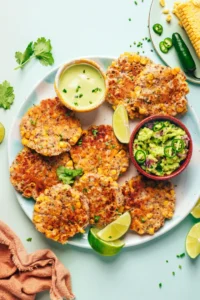

The culinary landscape for plant-based condiments has undergone a significant transformation in recent years, moving from niche health food store offerings to mainstream gastronomic staples. A new entry in this competitive sector, the Cheesy Jalapeño Cashew Dressing, has emerged as a formidable challenger to traditional dairy-based dressings such as Ranch. This preparation, characterized by its creamy texture, savory profile, and subtle heat, represents a broader shift toward "clean label" cooking, utilizing nine fundamental ingredients and a five-minute preparation window to achieve a high-fidelity flavor profile that appeals to both vegan and omnivorous consumers.
The Evolution of the Plant-Based Condiment Market
The rise of the Cheesy Jalapeño Cashew Dressing is situated within a global trend where consumers are increasingly seeking out dairy-free alternatives that do not compromise on mouthfeel or "umami"—the savory fifth taste. Market research indicates that the global vegan dressing market is projected to see a compound annual growth rate (CAGR) of over 6% through the next decade. This growth is driven by a combination of dietary restrictions, environmental concerns, and a general consumer preference for whole-food ingredients.
Traditional dressings, particularly Ranch, have long relied on buttermilk and mayonnaise for their structure. However, the use of cashews as a base offers a nutritionally dense alternative that mimics the emulsification properties of dairy. By leveraging the high fat content and neutral flavor of raw cashews, home cooks and professional chefs alike are able to create a blank canvas for complex flavor additions such as miso, nutritional yeast, and fresh jalapeños.

Culinary Chemistry: The Role of the Cashew Base
The structural integrity of this dressing is rooted in the biochemical properties of the raw cashew. Unlike other nuts, cashews possess a unique ratio of starch and fat that, when blended with water, creates a smooth, velvet-like emulsion without the need for additional oils or chemical stabilizers. This process, often referred to as "cashew cream," has become the backbone of modern vegan dairy substitutes.
In this specific formulation, the preparation involves combining raw cashews with water, lime juice, and a selection of savory agents. The absence of a required soaking period for the cashews highlights advancements in high-speed blender technology, which can pulverize the cell walls of the nuts into a liquid state in under 120 seconds. For consumers with standard blending equipment, the option to soak the nuts remains a viable technique to ensure a grit-free consistency, demonstrating the recipe’s adaptability to different kitchen environments.
Ingredient Synergy and Flavor Profile
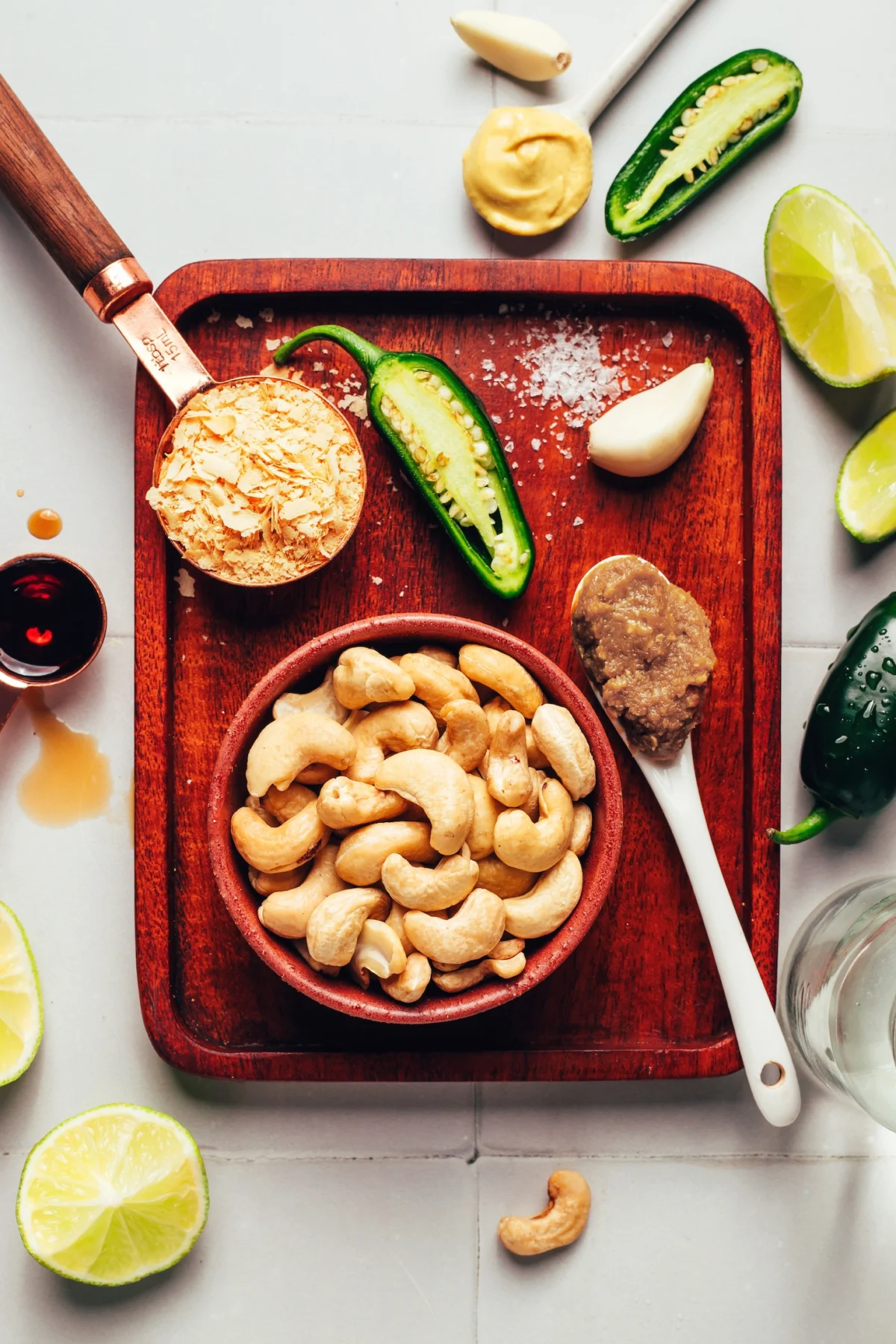
The Cheesy Jalapeño Cashew Dressing achieves its "cheesy" descriptor through a strategic combination of nutritional yeast and white or yellow miso paste. Nutritional yeast, a deactivated yeast often fortified with B vitamins, provides a nutty, salty, and savory flavor reminiscent of Parmesan or cheddar. When paired with miso—a fermented soybean paste—the dressing gains a fermented depth that replicates the complexity of aged cheese.

The flavor architecture is further balanced by:
- Acidity: Fresh lime juice provides a bright, citrusy top note that cuts through the richness of the cashews.
- Sweetness: A small measure of maple syrup acts as a flavor enhancer, rounding out the sharp edges of the acid and heat.
- Aromatics: Fresh garlic and Dijon mustard add pungency and a slight emulsifying boost.
- Heat: The inclusion of fresh jalapeño provides capsaicin, which offers a controlled heat that lingers on the palate without overwhelming the other savory elements.
Preparation Chronology and Technical Execution
The production of the dressing is categorized by its efficiency, following a strict timeline that emphasizes the "minimalist" approach to modern cooking.
- Assembly (0-2 Minutes): Ingredients are measured and added to the blender carafe. This stage includes the selection of white or yellow miso to maintain a light color and the de-seeding of the jalapeño if a milder heat profile is desired.
- Emulsification (2-4 Minutes): The blender is operated at high speed for 60 to 120 seconds. The mechanical friction during this phase can slightly warm the dressing, which helps the flavors of the garlic and jalapeño to bloom.
- Consistency Adjustment (4-5 Minutes): The technician or home cook assesses the viscosity. If the dressing is intended for a salad, a thinner consistency is achieved by adding water in tablespoon increments. For use as a dip for vegetables or chips, a thicker consistency is maintained.
Nutritional Data and Health Implications
From a nutritional standpoint, the Cheesy Jalapeño Cashew Dressing offers a profile that contrasts sharply with traditional processed dressings. A standard 2-tablespoon serving contains approximately 70 calories, with 4.9 grams of fat primarily derived from heart-healthy monounsaturated and polyunsaturated fats found in cashews.

The sodium content, recorded at 171 mg per serving, is largely contributed by the miso and sea salt, providing an essential electrolyte balance. Furthermore, the inclusion of nutritional yeast contributes to the protein content (2.8g per serving) and provides trace amounts of iron and potassium. Unlike dairy-based counterparts, this dressing is naturally free of cholesterol and trans fats, making it a viable option for individuals managing cardiovascular health or those adhering to a strictly plant-based diet.
Broader Impact on Home Cooking and Food Sustainability
The emergence of high-quality, homemade dressings like the Cheesy Jalapeño Cashew Dressing has broader implications for food sustainability and consumer behavior. By producing condiments at home, consumers significantly reduce their reliance on single-use plastics and decrease the carbon footprint associated with the transportation of bottled goods.
Furthermore, the versatility of the dressing—which is recommended for use in taco salads, wraps, and as a condiment for "cauliflower wings"—encourages the consumption of plant-centric meals. The ability to create a "craveable" sauce is often cited by dietary experts as the most critical factor in the long-term success of individuals transitioning to a more plant-heavy diet. By providing a rich, "cheesy" experience without animal products, this recipe lowers the barrier to entry for plant-based eating.

Culinary Applications and Serving Suggestions
Experts in the field of plant-based gastronomy suggest that the Cheesy Jalapeño Cashew Dressing is particularly effective when paired with high-fiber ingredients. Its richness complements the earthiness of roasted sweet potatoes and the protein-heavy profile of chickpeas, as seen in contemporary "Taco Salad" variations.
Additionally, the dressing serves as a functional replacement for traditional sauces in sandwich construction, such as Chickpea Shawarma, where its creamy texture provides a necessary moisture barrier against bread. Its stability at room temperature also makes it a preferred choice for outdoor dining and social gatherings, where dairy-based dressings may pose a higher risk of spoilage.
Analysis of Consumer Response and Troubleshooting
Initial responses to the formulation have highlighted the importance of equipment quality. While high-speed blenders produce the optimal "silky" result, users with standard blenders have reported success by incorporating a pre-soak of the cashews in hot water for 15 to 30 minutes. This extra step, while extending the timeline, ensures that the structural integrity of the dressing remains consistent.

Another point of analysis involves the "nut-free" demand. While the cashew is central to this specific recipe, culinary innovators have begun experimenting with sunflower seeds or hemp hearts as a substitution to accommodate those with nut allergies. Although these variations alter the flavor profile slightly, the fundamental ratios of acidity, salt, and heat remain a successful blueprint for condiment design.
Conclusion: The Future of the Condiment Aisle
The Cheesy Jalapeño Cashew Dressing represents more than just a recipe; it is a reflection of a changing food culture that prioritizes speed, health, and flavor complexity. As consumers continue to move away from highly processed, shelf-stable products, the demand for "5-minute" solutions that utilize whole-food ingredients is expected to rise.
This dressing, with its balance of heat and creaminess, serves as a benchmark for what modern plant-based cooking can achieve. It demonstrates that with a few well-chosen ingredients and basic kitchen technology, it is possible to recreate—and perhaps even surpass—the sensory experiences traditionally reserved for dairy-heavy cuisine. As the culinary world continues to innovate, the Cheesy Jalapeño Cashew Dressing stands as a testament to the power of plant-based fats and the enduring appeal of the "cheesy" flavor profile in the global diet.