
The traditional perception of the hotel restaurant as a mere convenience for weary travelers has undergone a radical transformation over the last decade. Once characterized by uninspired buffets and generic club sandwiches, hotel-based dining has evolved into a sophisticated sector where world-class chefs, innovative design, and high-level operational strategies converge. In today’s hospitality landscape, these establishments often serve as the primary draw for a property, acting as "destination dining" hubs that attract both international guests and local residents. From the wood-fired grills of North Carolina to the luxury steakhouses of Napa Valley and the Caribbean coast of Mexico, executive chefs are navigating a complex environment that requires a delicate balance between culinary artistry and rigorous business management.
The Operational Shift: From Independent Kitchens to Multi-Concept Hubs
For many seasoned chefs, the transition from running a standalone restaurant to managing a hotel’s food and beverage (F&B) program is a lesson in scale and complexity. Jacob Sessoms, the founder and chef-partner at Perfectly Ad Hoc Hospitality Group, illustrates this shift through his work at The Radical, a boutique hotel in Asheville, North Carolina. Sessoms, who gained acclaim with his independent restaurant Table in 2005, now oversees three distinct concepts within the 70-room hotel: Golden Hour, a wood-fired chophouse; Afterglow, a café and bar; and a high-capacity rooftop lounge.

Sessoms describes the experience of launching multiple concepts within a single property as "giving birth to triplets." While there are inherent efficiencies in shared inventory and labor pools, the coordination required to ensure all "moving parts" align is immense. The operational reality involves managing diverse stakeholders, from interior designers in New York and Miami to on-site contractors. This evolution from a pure chef to a "turnkey restaurateur" requires a shift in mindset. Sessoms emphasizes the necessity of intentionality and slowing down to maintain profitability and prevent burnout, a departure from the high-velocity, high-stress environment typically associated with younger chefs.
This operational complexity is mirrored across the industry. According to data from the American Hotel & Lodging Association (AHLA), food and beverage departments now account for approximately 25% to 30% of total hotel revenue at full-service properties. This financial weight places immense pressure on chefs to deliver consistent results across breakfast, lunch, dinner, and late-night services, all while maintaining the brand standards of the parent hotel.
The Psychology of the Menu: Approachability vs. Esotericism
One of the most significant challenges in a hotel setting is crafting a menu that satisfies a diverse clientele. Unlike a niche standalone restaurant, a hotel restaurant must cater to adventurous "foodies" while remaining accessible to guests who may simply want a familiar, high-quality meal after a day of travel.

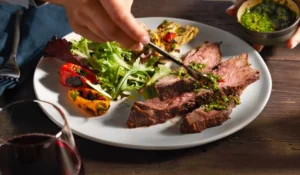
Sessoms notes that the language used on a menu can drastically influence sales. He argues that "writing words on a menu that nobody knows" is often a sign of professional immaturity rather than culinary prowess. At Golden Hour, the menu utilizes straightforward descriptions—such as pork chops with salsa verde or whole Sunburst trout—to bridge the gap between innovation and comfort. This strategy ensures that the restaurant remains a viable business while still serving what Sessoms calls "the coolest food in town."
In Napa Valley, Executive Chef Cary Roy of Ember Steak at The Meritage Resort and Spa echoes this sentiment. Roy highlights the importance of reimagining classics to satisfy the masses. By taking a staple like a shrimp cocktail and subtly altering its texture and sensory presentation, he maintains the dish’s familiarity while elevating the guest experience. This flexibility is vital in a luxury resort setting, where guest expectations for "genuine hospitality" are exceptionally high.
Elevating Guest Experience Through Personalization and Design
In the luxury and boutique segments, the guest experience is no longer limited to the plate. It encompasses the entire sensory environment and the level of personalized attention provided. Ashley Cannon, executive pastry chef at Oak Steakhouse within the Skyline Lodge in Highlands, North Carolina, emphasizes that hotel guests expect a higher tier of service than they might at a standalone establishment.

At Skyline Lodge—a mid-century modern property revitalized by The Indigo Road Hospitality Group—the team uses digital platforms like OpenTable to track guest preferences from the moment of check-in. This data-driven approach allows for "above and beyond" gestures, such as placing personalized tokens in a room if a guest had a minor issue during dinner.
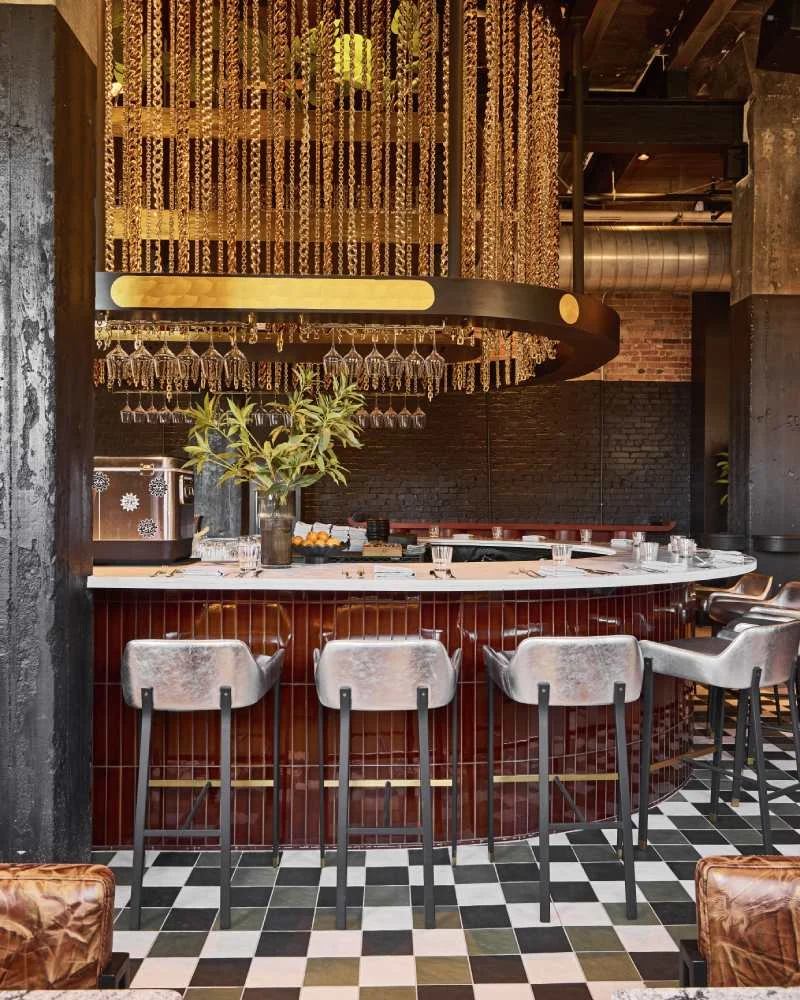
The physical design of the space also plays a critical role. Cannon points to the use of leather-bound menus, warm fireplaces, and "mountain luxury" aesthetics that create an intimate, cabin-like feel. Furthermore, interactive elements, such as tableside chocolate soufflé service or torching marshmallows for a peach semifreddo, provide the "magic" and entertainment that modern travelers seek. These experiential touches are backed by industry trends: a 2023 report by Skift Research indicated that 67% of luxury travelers are willing to spend more on unique, personalized dining experiences than on room upgrades.
Establishing Identity: The Concept of Destination Dining
A recurring theme among successful hotel chefs is the drive to create an identity that exists independently of the hotel brand. Chef Cary Roy explains that the goal is for locals and visitors to say, "I’m going to this restaurant," rather than "I’m going to the restaurant in that hotel." By competing with independent local businesses in terms of reviews, check averages, and cover counts, hotel restaurants can shed the "amenity" label and become true destination hubs.

This is particularly evident at Diplomat Prime in South Florida’s Diplomat Beach Resort. Newly appointed Executive Chef Jorge Negron aims to position the award-winning steakhouse as a leader in "gastronomic trends and sustainable practices." By integrating Puerto Rican and Caribbean influences into the menu—such as a Curried Florida Corn Chowder inspired by Balinese flavors—Negron creates a distinct culinary narrative that sets the property apart from regional competitors.
Similarly, Hugo Goodwin, executive chef at The Wild Sage in Jackson Hole’s Rusty Parrot Lodge & Spa, faced the challenge of reopening a local institution after a five-year hiatus. To honor the restaurant’s legacy while modernizing its appeal, Goodwin engaged with former staff and local producers to ensure the "vibe" remained authentic. His focus on "simple elegance," such as a lamb dish featuring a laminated pasta veil, reflects a commitment to sourcing from local ranches and farms, reinforcing the restaurant’s connection to the Teton mountain region.
Human Capital: Managing People and Extending Hospitality Inward
The success of any high-volume hotel restaurant is ultimately dependent on the team. Miguel Estrada, overseeing culinary programming at Canopy by Hilton Cancun La Isla, highlights the importance of "internal hospitality." To keep his staff engaged and inspired, Estrada organizes outings to other local restaurants, fostering a collaborative environment that translates into better service for the guests.

The philosophy that "it’s all about the people" is shared by Hugo Goodwin, who encourages chefs to be open to criticism and dedicated to the personal growth of their team members. In an industry currently grappling with labor shortages—with the U.S. Bureau of Labor Statistics reporting a high turnover rate in the hospitality sector—investing in staff development and mental well-being has become a business necessity rather than a luxury.
Industry Analysis and Future Outlook
The insights provided by these chefs reflect a broader trend in the global $1.2 trillion hospitality industry: the professionalization and "premiumization" of hotel dining. Data suggests that hotels with highly-rated restaurant concepts see a correlated increase in their Revenue Per Available Room (RevPAR), as dining excellence enhances the overall perceived value of the property.
However, the sector remains vulnerable to external shocks. The recent devastation caused by Hurricane Helene in Western North Carolina serves as a sobering reminder of the fragility of the hospitality ecosystem. Chef Jacob Sessoms’ Golden Hour and The Radical were forced into temporary closure following the storm, highlighting the need for resilience and community support in the face of natural disasters.

For aspiring chefs, the advice from these industry leaders is clear: mastery requires persistence, a lack of ego, and a willingness to embrace the business side of the kitchen. As the boundary between "hotel food" and "fine dining" continues to blur, the chefs who succeed will be those who can marry culinary innovation with the rigorous operational demands of the modern hospitality environment. The future of the industry lies in these multi-functional spaces where storytelling, local sourcing, and guest-centric service create lasting memories—or, as Chef Ashley Cannon puts it, "making magic for your guests."