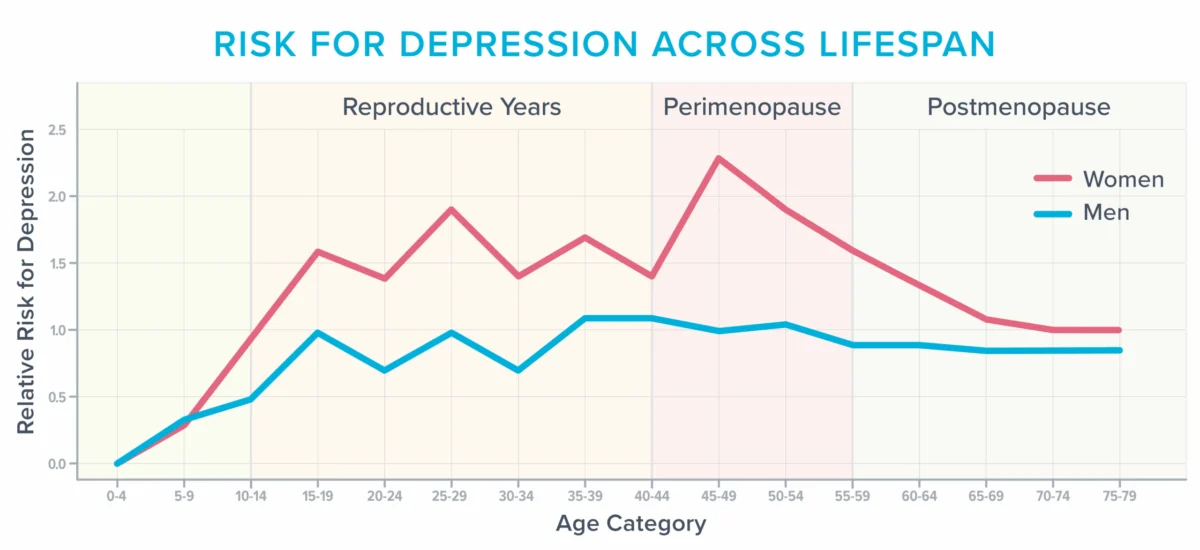

The transition into menopause—a life stage defined by the cessation of menstruation for 12 consecutive months—is frequently misdiagnosed as clinical depression or generalized anxiety, leading to a cycle of ineffective medical interventions for millions of women globally. As women reach their late 40s and early 50s, a period often coinciding with the zenith of their professional careers and peak domestic responsibilities, the physiological shifts associated with fluctuating estrogen and progesterone levels can manifest as profound cognitive "fog," debilitating fatigue, and emotional instability. Emerging research now suggests that the vasomotor symptoms of menopause, specifically hot flashes and night sweats, are not merely transient inconveniences but physiological markers that may correlate with long-term vascular and neurological changes.
The Diagnostic Dilemma: Menopause vs. Clinical Depression
For many women, the onset of menopausal symptoms is characterized by a "sludginess" of thought—an inability to recall proper nouns, a decline in executive function, and a pervasive mental haze. In clinical settings, these symptoms are often conflated with depression. Healthcare providers frequently utilize the Patient Health Questionnaire (PHQ-9) to screen for depressive disorders. However, the diagnostic criteria for depression—which include fatigue, sleep disturbances, difficulty concentrating, and psychomotor changes—heavily overlap with the symptoms of the menopausal transition.
Data from the American College of Obstetricians and Gynecologists (ACOG) indicates that approximately 40 percent of women report increased irritability, mood swings, and cognitive difficulties during this phase. Despite this, a significant gap remains in medical education; surveys have shown that up to 80 percent of medical residents report feeling inadequately trained or uncomfortable discussing menopause. This lack of specialization often leads to "defensive medicine," where practitioners prescribe antidepressants or sleep aids to address symptoms, rather than identifying the root cause: the endocrine fluctuations of the menopausal transition.
The Physiology of Vasomotor Symptoms
The hallmark of the menopausal transition is the vasomotor symptom (VMS), encompassing hot flashes and night sweats. These events are triggered by a dysregulated hypothalamus—the body’s internal thermostat—which becomes sensitive to falling estrogen levels. During a hot flash, the body experiences a sympathetic nervous system surge, characterized by elevated norepinephrine and cortisol, increased heart rate, and peripheral vasodilation.
Recent neuroscientific inquiries have moved beyond viewing these events as cosmetic or socially uncomfortable. A landmark study involving 226 women utilized magnetic resonance imaging (MRI) and sleep tracking to observe the correlation between frequent hot flashes and brain health. Researchers identified an increased presence of "white matter hyperintensities"—patchy lesions in the brain that were once dismissed as standard aging. Current evidence suggests that these lesions are predictive of future cognitive decline, doubling the risk of dementia and tripling the risk of stroke. Furthermore, the vascular impact of frequent hot flashes includes an impaired ability of blood vessels to dilate, suggesting a broader systemic issue with circulation that affects the brain’s oxygenation and metabolic health.
Sleep Disruption and Cognitive Degradation
The connection between menopause and cognitive fatigue is significantly mediated by sleep architecture. Many women experience frequent, repetitive awakenings throughout the night, often without the sensation of being "sweaty" or hot. These micro-awakenings occur because the surge in cortisol and norepinephrine causes the brain to enter a state of hyperarousal before the physical sensation of the hot flash fully peaks.
Even a few nights of interrupted sleep impair the brain’s glymphatic system, which is responsible for metabolizing toxins and consolidating memories. Over a duration of years, this chronic sleep fragmentation leads to reduced connectivity in the hippocampus—essential for memory—and hyper-reactivity in the amygdala, which governs emotional regulation. This physiological feedback loop explains why many women report increased anxiety, irritability, and a diminished capacity to handle stressors that were previously manageable.

Addressing the "Defensive Medicine" Paradigm
The hesitation among clinicians to prescribe Menopausal Hormone Therapy (MHT) stems largely from the legacy of older, misinterpreted studies from the early 2000s that linked hormone use to increased risks of breast cancer and cardiovascular events. However, modern clinical consensus has shifted. According to experts such as Dr. Jerrold H. Weinberg, the risk profile of MHT is highly dependent on the timing of initiation.
For women under the age of 60, or those who are within 10 years of the onset of menopause, the benefits of hormone therapy often significantly outweigh the risks. These benefits include the maintenance of bone mineral density, protection against osteoporosis, and, according to emerging data, a potential reduction in the risk of Alzheimer’s disease. Despite this, many practitioners remain cautious, often opting for SSRIs (antidepressants) as a safer, albeit less targeted, intervention for vasomotor symptoms.
Strategic Advocacy and Lifestyle Interventions
For patients seeking effective care, the onus of advocacy often falls upon the individual. Experts recommend a structured approach to medical consultations:
- Specialized Care: Patients are encouraged to utilize databases from organizations like the Menopause Society to find certified practitioners.
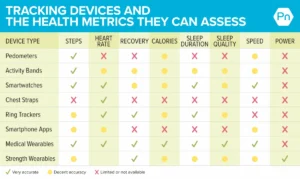
- Data Documentation: Utilizing smartwatches and symptom diaries provides clinicians with objective, longitudinal data regarding sleep patterns, the frequency of vasomotor events, and mood shifts.
- Shared Decision-Making: Patients should engage in frank discussions regarding the absolute versus relative risks of hormone therapy, moving the conversation away from outdated generalizations and toward personalized risk assessments.
Beyond clinical intervention, lifestyle adjustments remain a critical pillar of management. While there is no "menopause-specific diet," evidence-based nutrition—such as the Mediterranean or MIND diets—promotes cardiovascular and cerebrovascular health, which indirectly supports cognitive function. Furthermore, the inclusion of 5 to 7 grams of daily creatine monohydrate has shown promise in mitigating mental fatigue and supporting muscle preservation.
Strategic modifications to physical activity are also necessary. As the body’s recovery capacity shifts, high-intensity training must be balanced with moderate-intensity "Zone 2" cardio and restorative movement, such as yoga, to avoid triggering further cortisol spikes. Cognitive Behavioral Therapy for Insomnia (CBT-I) serves as a gold-standard non-pharmacological treatment for managing the sleep disruptions that fuel cognitive decline.
The Broader Implications: Re-evaluating Professional and Personal Capacity
The menopausal transition serves as a forced inflection point, compelling many women to reassess their allocation of mental and emotional bandwidth. The realization that "doing it all" is not only unsustainable but physiologically taxing leads many to downsize professional or domestic obligations.
From a public health perspective, the failure to address menopause as a systemic medical issue results in significant economic and personal costs. As women continue to occupy critical roles in the workforce, the normalization of menopause support—ranging from flexible workplace policies to informed clinical care—is essential. By treating the symptoms of menopause with the same urgency as other chronic, life-altering conditions, society can preserve the health, cognitive longevity, and professional contributions of a vital demographic. The transition, while challenging, is not an endpoint, but a stage that, with the right medical and lifestyle management, allows for a shift in focus toward the priorities that define sustainable, long-term health.