
For millennia, human beings navigated their physical performance and health primarily through the internal feedback loop of the nervous system. Our ancestors relied on subjective sensations—the labored breath of a sustained run, the dull ache of muscle fatigue, and the clarity of a rested mind—to gauge their physiological state. Today, this traditional reliance on intuition is increasingly supplanted by the cold, precise metrics of wearable technology. From heart rate variability (HRV) and sleep stages to caloric burn and blood oxygen saturation, modern devices offer a bridge between subjective experience and objective data. While this technological integration provides unprecedented insights, it has also sparked a debate regarding the erosion of bodily awareness and the potential for decision-making paralysis.
The rise of the quantified self-movement represents a significant shift in how individuals approach personal health. In the past decade, the market for wearable sensors has expanded from niche athletic tools to ubiquitous lifestyle accessories. According to recent market analysis, global shipments of wearable devices exceeded 500 million units in 2023, driven by consumer demand for granular health data. This surge reflects a societal desire to optimize performance, yet it raises a fundamental question: to what extent can a device accurately reflect the complex, nuanced state of human biology?
The Calibration Gap: Accuracy and Limitations
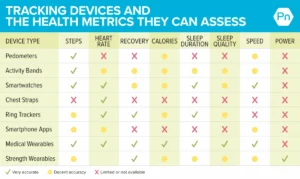
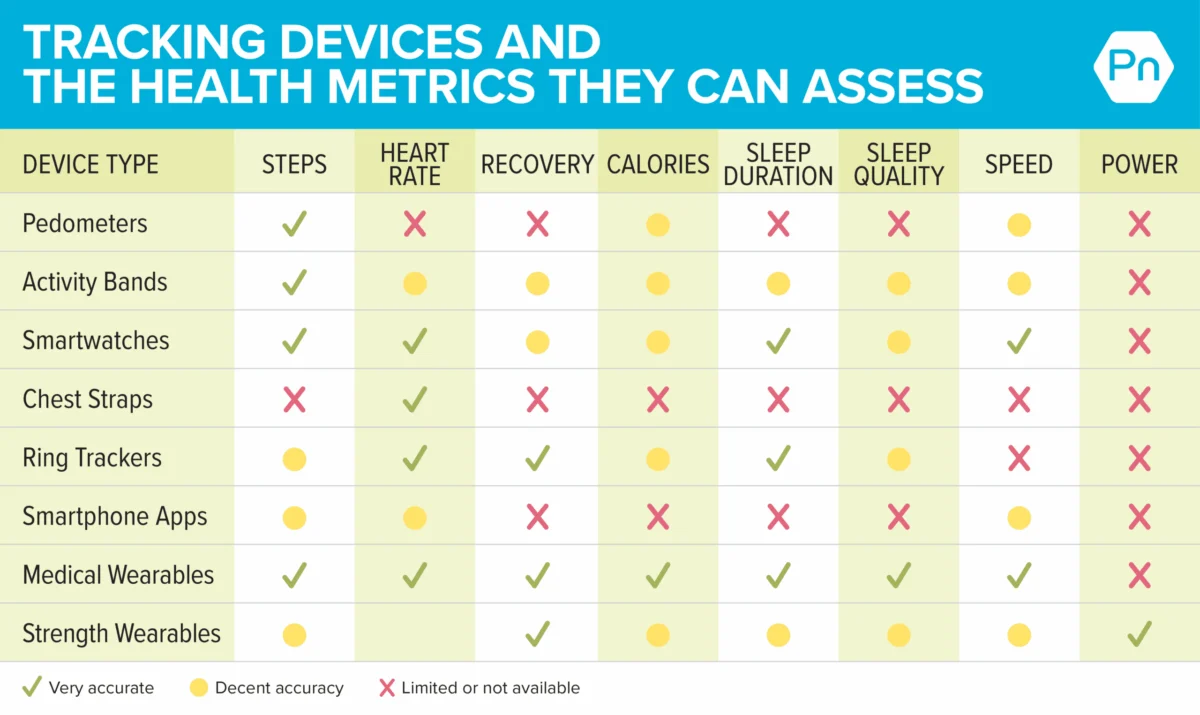
Not all metrics captured by wearable devices carry the same level of clinical validity. Medical researchers generally categorize data accuracy based on the sensor technology employed. Photoplethysmography (PPG), the optical sensor technology common in most wrist-worn trackers, is highly reliable for measuring resting heart rate. However, when those same devices attempt to extrapolate caloric expenditure or precise sleep architecture, the margin of error widens considerably.
The distinction between data and actionable insight is critical. For instance, a colleague who meticulously tracked their diet believed they were maintaining a specific caloric deficit, yet they remained stagnant in their weight loss goals. Upon closer inspection, it was revealed that an unmonitored intake of high-calorie condiments—specifically barbecue sauce—contributed an additional 500 calories daily. In this instance, the tracking software failed to capture the nuances of dietary habits, highlighting that technology is only as effective as the input provided.
Conversely, there are rare instances of "outlier performance" where human intuition mirrors biological data with startling precision. Historical accounts of world-class athletes, such as Canadian sprinter Ben Johnson, suggest that elite performers can sometimes estimate their output within a fraction of a second. While this degree of internal calibration is exceptional, it demonstrates that humans are capable of profound sensory accuracy when trained. The challenge for the average user is to determine how technology can be used to cultivate this internal sense, rather than replace it.

The Paradox of Choice and Information Overload
The integration of constant health monitoring brings with it the risk of "analysis paralysis." Computer scientist Samantha Kleinberg, who specializes in behavioral decision-making, has noted that even minor amounts of superfluous information can have a detrimental effect on executive function. This creates an inverted U-shaped curve in decision-making: at the lower end, a lack of data makes informed choices difficult; at the peak, the "sweet spot" of information provides clarity; but at the higher end, an abundance of data leads to cognitive overload.
This phenomenon is evident in daily life. Just as a consumer might feel overwhelmed by the sheer volume of reviews for a local restaurant, an individual tracking their recovery metrics may become paralyzed by conflicting data points. If a wearable device indicates a "low recovery score" while the individual feels physically energized, they are forced to choose between trusting their sensory feedback or the algorithmic output. When the data does not align with the felt experience, it often leads to unnecessary anxiety or the abandonment of intuitive health practices.
Clinical Implications of Tracking: Stress and Motivation
The impact of tracking on psychological well-being is multifaceted. For some, data serves as a vital validation tool. Consider the case of an athlete skeptical of "Zone 2" cardio—a training method characterized by low intensity. Despite the physiological logic, the athlete may doubt the effectiveness of the workout because it does not trigger the expected sensation of exertion. However, seeing a consistent decline in resting heart rate and a faster recovery time provides the empirical evidence needed to trust the process. In this scenario, technology acts as an objective validator, reducing the stress associated with uncertainty.
Conversely, for other demographics, constant tracking can become a source of profound psychological strain. A notable example is the new parent monitoring sleep quality. When a tracker provides a poor score for a night of interrupted sleep caused by an infant, the data provides no actionable path forward. Instead, it serves as a persistent reminder of fatigue, potentially exacerbating the stress of the situation. Here, the data is not a tool for optimization but a catalyst for unnecessary performance anxiety.
Similarly, the use of continuous glucose monitors (CGMs) by non-diabetic individuals has become a trend in the health-optimization space. While some users find value in identifying blood sugar spikes associated with specific foods, medical experts caution that for the general population, this level of monitoring may be excessive. Without a clinical need, the focus on glycemic variability can transform the act of eating into a clinical task, potentially fostering disordered eating patterns or irrational fear of carbohydrates.
Strategies for Mindful Data Integration
To maintain a healthy relationship with wearable technology, experts recommend a three-tiered approach to self-assessment:

-
The Pre-Check Method: Before consulting a device, an individual should pause to assess their own internal state. Ask: How is my energy level? What is my perceived exertion? How is my mood? By articulating these feelings first, the user creates a baseline. When they later compare this to the device’s data, they are effectively calibrating their internal sensors against an external standard. Over time, this practice narrows the gap between subjective feeling and objective reality.
-
Developing Heuristics: Rather than relying on constant data, users can develop mental shortcuts. For instance, in resistance training, instead of viewing every metric, one might use the Rate of Perceived Exertion (RPE) scale. By periodically checking the tracker to see if the RPE matches the output, the individual learns to identify their limits without needing to consult a screen for every set.
-
Valuing Sensory Input: The human nervous system is an unparalleled information processor, capable of integrating proprioception, hunger, fullness, and emotional cues. Technology should serve as a consultant to this system, not the director. If a device’s output consistently contradicts the body’s internal signals—such as feeling exhausted despite a "high recovery" score—it is vital to prioritize the lived experience.
Conclusion: The Future of Health Optimization
The ultimate goal of using fitness technology should be the development of a more resilient and intuitive practice. When motivation is based solely on extrinsic metrics like steps or calories, it becomes fragile; if the device breaks, or the battery dies, the motivation evaporates. However, individuals who focus on mastery, mindfulness, and the enjoyment of the process build a sustainable, long-term approach to health.
The future of health optimization lies in the synthesis of human awareness and technological assistance. By using trackers as a tool for calibration—rather than a substitute for self-awareness—individuals can enjoy the benefits of precision data while remaining deeply connected to their own physiology. In a world of increasing complexity, the most advanced technology remains the one we were born with: the ability to listen to, understand, and respond to the signals of the body.