
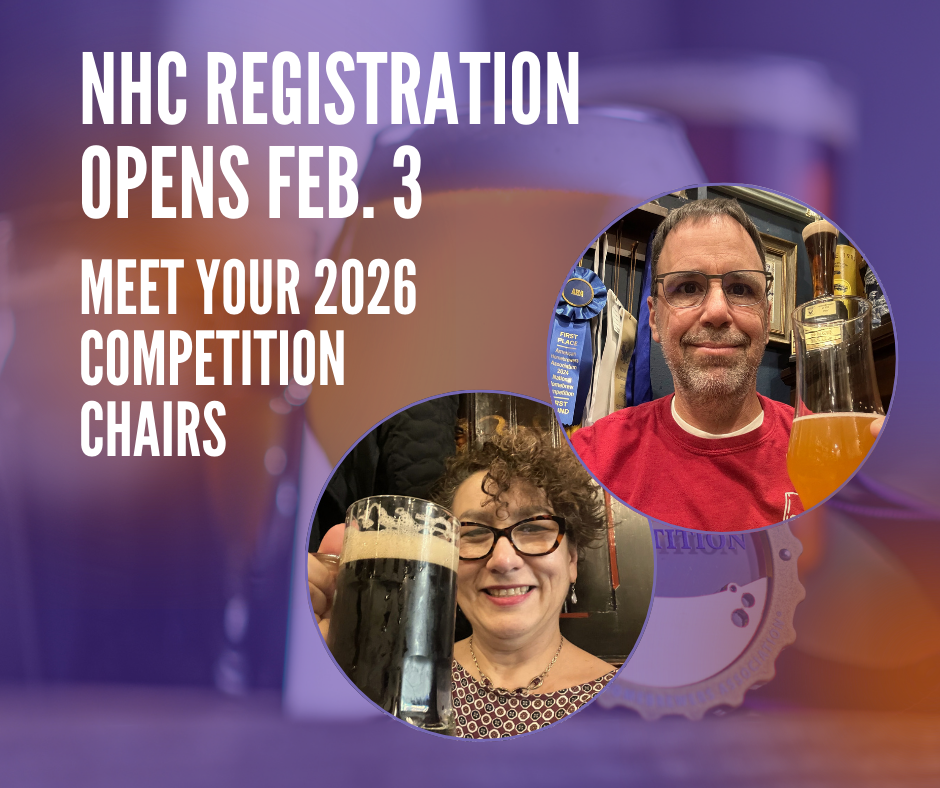
The American Homebrewers Association (AHA) has officially announced a transition in the leadership of the National Homebrew Competition (NHC), the world’s most prestigious and expansive competitive event for amateur brewers, cidermakers, and meadists. Charlie Harr has been designated as the NHC Chair, while Jen Pereira will assume the role of Deputy Chair. This strategic appointment comes at a pivotal moment for the association as it prepares for the 2026 competition cycle, with the entry window scheduled to open on February 3, 2026.
As a member-driven organization, the AHA’s selection of Harr and Pereira reflects a commitment to technical excellence and operational robustness. The NHC serves as the definitive benchmark for homebrewing quality globally, and the new leadership is tasked with maintaining the integrity of a judging process that evaluates thousands of entries across dozens of style categories.
Profiles in Excellence: The New Leadership Team
The appointment of Charlie Harr as Chair brings a wealth of logistical and operational expertise to the NHC. With over two decades of experience in event management and operations, Harr is well-positioned to oversee the complex infrastructure required to execute a global competition. His background is deeply rooted in the Virginia brewing scene, where he serves as the head judge for the Virginia Craft Brewers Guild. In this capacity, Harr has managed large-scale competitions sanctioned by the Beer Judge Certification Program (BJCP), overseeing judge recruitment, volunteer coordination, and the intricate logistics of entry management. Currently pursuing his BJCP National Judge certification, Harr represents the bridge between technical brewing knowledge and the organizational discipline necessary to manage an event of this scale.
Supporting Harr is Jen Pereira, whose appointment as Deputy Chair adds significant academic and sensory depth to the leadership team. Pereira’s career in beverage education and competition leadership spans more than 25 years. As an associate professor at Johnson and Wales University, she has dedicated over two decades to the formal study of beverage sciences. Her credentials include being a BJCP National Beer Judge, a Certified Cicerone®, and a holder of the WSET (Wine & Spirit Education Trust) Diploma. Pereira is also the founder of the Ocean State Home Brew Competition and the Rhode Worthy Cup, demonstrating a long-standing commitment to fostering local brewing communities. Her dual perspective as both an educator and a seasoned judge is expected to enhance the educational feedback loop that remains a cornerstone of the NHC’s value to its entrants.
The Evolution of the National Homebrew Competition
To understand the significance of this leadership change, one must look at the historical trajectory of the NHC. Founded in 1979, just one year after the American Homebrewers Association was established by Charlie Papazian and Charlie Matzen, the first competition featured only 34 entries. At the time, homebrewing had only recently been legalized at the federal level in the United States following President Jimmy Carter’s signing of H.R. 1337 in 1978.
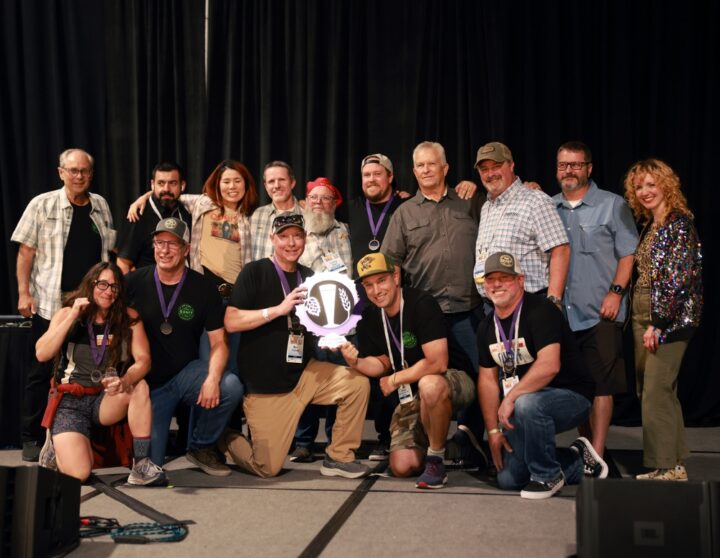
From those humble beginnings, the NHC has grown into a massive international endeavor. Over the decades, the competition has evaluated a cumulative total of nearly 170,000 entries. It has evolved from a small gathering of enthusiasts into a multi-stage gauntlet that identifies the best amateur fermenters in the world. The competition’s influence extends far beyond the amateur realm; many of the most successful professional craft brewery founders in the United States began their careers by winning medals at the NHC.
The 2026 competition marks a continued era of modernization for the event. The AHA has emphasized that the leadership of Harr and Pereira, supported by the NHC Subcommittee—led by veteran members Sandy Cockerham and Amanda Burkemper—will focus on the association’s mission as a member-driven entity. This involves not only the management of the competition itself but also the refinement of the style guidelines and the training of the judges who provide the critical feedback entrants rely on to improve their craft.
Chronology of the 2026 Competition Cycle
The roadmap for the 2026 National Homebrew Competition is strictly defined to accommodate the logistical challenges of shipping, sorting, and judging thousands of perishable samples.
- February 3, 2026: Official opening of the entry application window. This period is historically competitive, as the AHA often implements caps on the total number of entries to ensure judging quality.
- February 25, 2026: Closing of the entry window. Following this date, the AHA begins the process of regional assignments and logistical coordination for shipping.
- Spring 2026: The preliminary round of judging typically occurs during this window. Regional sites across the United States host judging sessions where BJCP-certified judges evaluate entries based on the specific style guidelines for beer, mead, and cider.
- Summer 2026: The final round of judging and the awards ceremony. Traditionally held in conjunction with Homebrew Con (the annual AHA conference), this event sees the best-in-show winners announced across all categories, culminating in the prestigious Homebrewer of the Year award.
Official Responses and Strategic Vision
The leadership transition has been met with enthusiasm from the highest levels of the AHA. Julia Herz, the Executive Director of the American Homebrewers Association, emphasized the collaborative nature of the competition’s success. Herz noted that the organization is "fortunate" to have Harr and Pereira at the helm, highlighting the synergy between the new chairs and the broader network of volunteer judges, organizers, and subcommittee members.
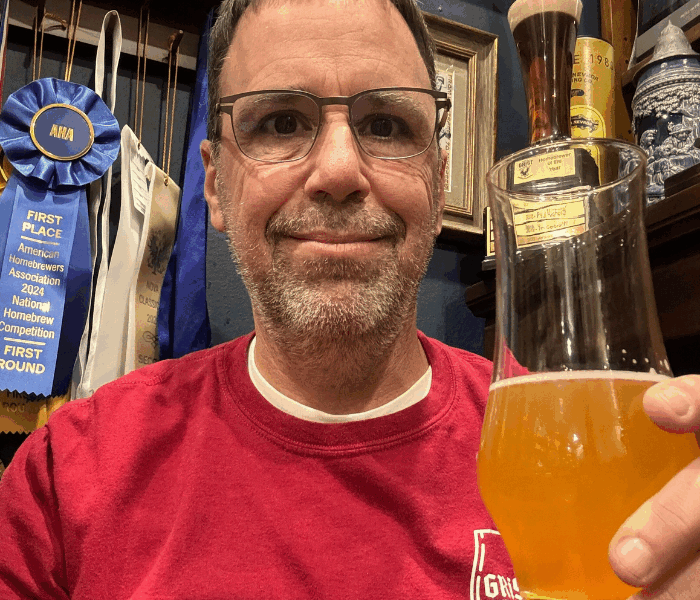
Charlie Harr expressed a deep sense of responsibility in his new role, stating that his primary goal is to support the advancement of homebrewing education. He characterized the chairmanship as an ideal opportunity to merge his professional background in operations with his personal passion for the brewing community.
Jen Pereira echoed these sentiments, framing her role as a way to "give back" to a community that has shaped her professional and personal life for 25 years. Her focus is expected to remain on the growth of the NHC’s impact, particularly in ensuring that the competition remains a viable and respected platform for diverse fermentation styles, including the increasingly popular categories of mead and cider.
Technical Analysis of the Judging Framework
The NHC is unique because of its reliance on the Beer Judge Certification Program (BJCP). Unlike many commercial competitions that may rely on industry panels, the NHC utilizes a rigorous, standardized scoring system. Each entry is evaluated by a minimum of two judges who provide a detailed scoresheet covering:
- Aroma: Evaluation of malts, hops, esters, and other fermentation byproducts.
- Appearance: Assessment of color, clarity, and head retention.
- Flavor: Analysis of the balance between sweetness, bitterness, and fermentation profile.
- Mouthfeel: Review of body, carbonation, and warmth.
- Overall Impression: A subjective yet informed assessment of how well the beverage represents the intended style.
The appointment of two National-level judges (or candidates) like Harr and Pereira ensures that the high standards of the BJCP are upheld. This is critical for the NHC’s reputation; a medal from this competition is considered the "Gold Standard" because of the objectivity and depth of the feedback provided.
Broader Implications for the Brewing Industry
The leadership of the NHC carries implications that resonate throughout the broader craft beverage industry. Homebrewing serves as the research and development (R&D) wing of the craft beer world. Trends such as the resurgence of West Coast IPAs, the rise of Hazy IPAs, and the exploration of ancient grain gruit ales often find their footing in the homebrew community before being scaled by commercial breweries.
By maintaining a robust and professionally managed competition, the AHA ensures a steady pipeline of talent and innovation. Furthermore, the NHC provides a structured environment for the development of sensory skills among judges, many of whom also work in quality control and production for professional breweries.
The focus on "member-driven" leadership also reflects a broader trend in the hobbyist world toward community-led governance. In an era where many organizations are becoming increasingly corporate, the AHA’s decision to place seasoned volunteers and educators in charge of its flagship event reinforces the grassroots spirit of homebrewing.
Conclusion and Outlook
As the February 3 entry date approaches, the homebrewing community is expected to see a surge in activity. The AHA continues to encourage its tens of thousands of members to utilize resources such as Zymurgy Magazine and the association’s extensive recipe database to prepare their entries.
The tenure of Charlie Harr and Jen Pereira will likely be defined by their ability to navigate the evolving landscape of homebrewing, which now includes a heightened interest in non-traditional ingredients and sustainable brewing practices. With a combined 45 years of experience, the new leadership team is well-equipped to guide the National Homebrew Competition into its next chapter, ensuring it remains the most iconic and competitive global stage for fermented beverages.