
For those seeking the perfect accompaniments to the beloved Polish dumpling, pierogi, a culinary journey awaits. Drawing on a rich heritage of Polish cuisine and extensive professional experience, this guide explores a spectrum of side dishes designed to complement the diverse fillings of pierogi, from classic potato and cheese to savory sauerkraut and sweet fruit varieties. Each suggestion prioritizes practicality and ease of preparation, making them accessible to cooks of all skill levels. The key to a successful pierogi pairing lies in understanding the dumpling’s filling, ensuring a harmonious balance of flavors and textures.
The Foundation of Flavor: Classic Accompaniments
The simplicity of pierogi often calls for equally straightforward yet impactful side dishes. These foundational pairings are time-tested and universally appealing, forming the bedrock of a satisfying pierogi meal.
1. The Enduring Appeal of Sour Cream
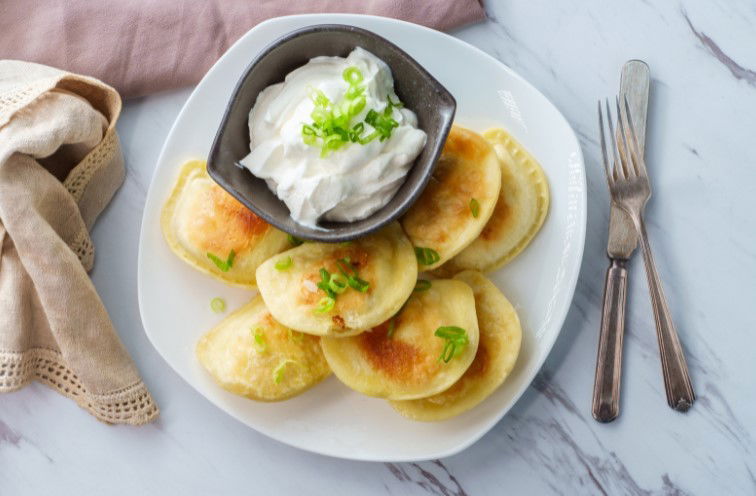
Sour cream stands as an undisputed champion in the realm of pierogi pairings, its creamy tang offering a refreshing counterpoint to the rich dough and savory fillings. A dollop of cool sour cream atop a warm, pan-fried pierogi can transform a simple dish into a complete and utterly satisfying experience. Its versatility extends beyond a mere topping; it serves as an excellent dipping sauce, providing a creamy richness that enhances every bite. For those who appreciate the nuanced flavors of pierogi, a generous spoonful of sour cream is often considered non-negotiable, a testament to its enduring popularity and essential role in the traditional serving of this Polish delicacy. The cooling sensation of the sour cream also provides a delightful contrast to the often-fried exterior of the pierogi, creating a pleasing textural interplay.
2. The Sweet and Savory Allure of Sautéed Onions
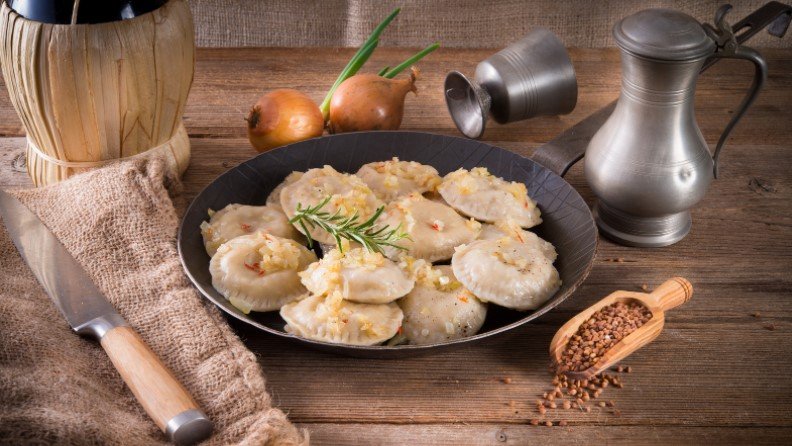
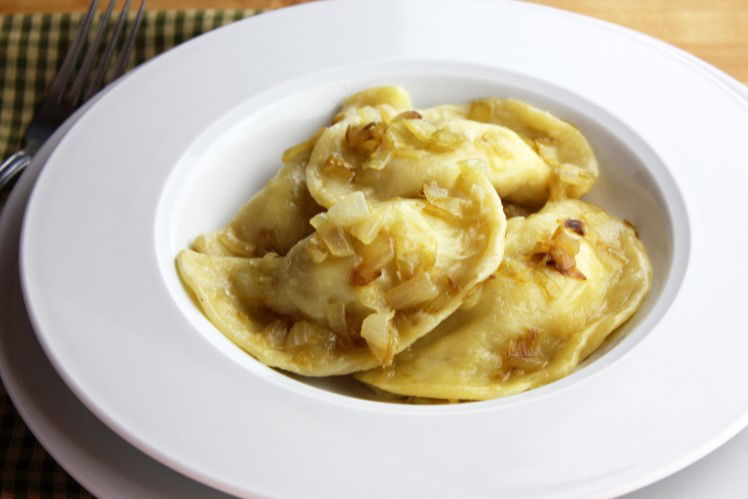
Sautéed onions, much like sour cream, are a perennial favorite and an "always" side for pierogi. Their natural sweetness, intensified through caramelization, offers a delightful contrast to the sometimes-tangy or savory fillings of pierogi. When pierogi are pan-fried, creating a golden, slightly crisp exterior, sautéed onions provide a soft, yielding texture that complements this preparation beautifully. The process of sautéing onions can be seamlessly integrated into the pierogi cooking process, often utilizing the same pan.
The magic of sautéed onions lies in their transformation. When cooked slowly over low heat, the natural sugars within the onions caramelize, developing a deep, complex sweetness and a jammy consistency. This process not only enhances their flavor but also their aroma, filling the kitchen with an inviting, comforting scent. A quick sauté can yield tender onions with delightfully browned edges, while a slower, more deliberate caramelization produces a richer, more concentrated flavor profile. This adaptability allows home cooks to tailor the preparation to their time constraints and desired outcome. The interplay of sweet, caramelized onions with the bright, tangy notes of sour cream, all served atop warm, yielding pierogi, creates a symphony of flavors and textures that is truly exceptional. Many recipes suggest a simple method: melt butter in the pan, sauté thinly sliced onions until softened, remove them, then add more fat to fry the pierogi. The onions can then be returned to the pan or served alongside. For those seeking a deeper dive into this culinary art, resources detailing the techniques for achieving perfectly caramelized onions are readily available, offering a step-by-step guide to unlocking their full potential.
3. The Elegant Simplicity of Brown Butter and Herbs
Elevating the humble pierogi can be achieved through the sophisticated yet simple preparation of brown butter sauce infused with fresh herbs. This method offers a nuanced flavor profile that complements a wide range of pierogi fillings without overpowering them. The technique of browning butter, while appearing complex, is fundamentally about patiently toasting the milk solids within the butter, unlocking a rich, nutty aroma and a complex flavor.
The process begins by melting butter in a heavy-bottomed pan over medium heat. Continuous stirring is crucial to prevent the milk solids from scorching. As the butter melts, it will foam and then gradually deepen in color to a rich, golden brown. It is during the foaming stage that fresh herbs, such as parsley, chives, dill, or thyme, can be added. The heat from the butter gently releases their aromatic oils, infusing the sauce with their vibrant essence. This technique not only adds a layer of depth and sophistication to the pierogi but also offers a visually appealing golden hue. The resulting sauce, with its toasted notes and herbaceous freshness, creates a delightful coating for the pierogi, enhancing their inherent flavors. For those new to this technique, detailed recipes are available, providing precise instructions to achieve the perfect brown butter and herb sauce. This method is particularly effective when serving pierogi as an appetizer or as part of a larger, more elaborate meal, offering a touch of culinary finesse.
Expanding the Palate: Heartier and More Complex Pairings
Beyond the foundational accompaniments, a range of more substantial side dishes can transform pierogi into a hearty and complete meal. These options introduce different flavor profiles and textures, catering to a broader range of culinary preferences.
4. The Robust Combination of Cabbage or Brussels Sprouts and Bacon
For those seeking additional substance without venturing into full protein preparations, the combination of cabbage or Brussels sprouts with bacon offers a flavorful and satisfying solution. This pairing introduces earthy, slightly bitter notes from the cruciferous vegetables, beautifully balanced by the salty, smoky richness of bacon.
The preparation is straightforward: bacon is fried until crisp, and a portion of the rendered bacon fat is reserved. This flavorful fat then serves as the cooking medium for finely shredded cabbage or Brussels sprouts. The vegetables are sautéed until tender-crisp, absorbing the savory essence of the bacon. The crisp bacon bits can then be sprinkled over the pierogi or mixed directly into the vegetable medley. This combination is not only delicious on its own but also integrates seamlessly with other pierogi sides, such as sour cream or sautéed onions, creating layered flavor profiles. The rendered bacon fat acts as a natural emulsifier and flavor enhancer, providing a richness that complements the pierogi without the need for additional butter. This hearty pairing is particularly well-suited for colder weather or when a more substantial meal is desired, offering a comforting and deeply satisfying experience. Recipes for simple and tasty Brussels sprouts and bacon preparations are widely available, providing guidance for achieving optimal flavor and texture.
5. The Classic Polish Sausage: Kielbasa
Kielbasa, a traditional Polish sausage, stands as a quintessential accompaniment to pierogi, embodying the rich culinary heritage of Eastern Europe. Its robust flavor and satisfying texture make it a natural partner for the delicate dumplings. Kielbasa can be prepared in various ways, including boiling or pan-frying, each method yielding a distinct yet equally delicious result.
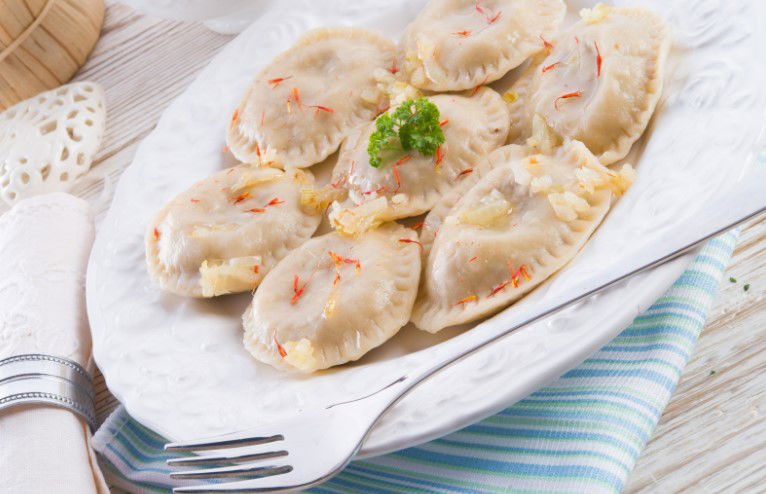
When sliced into medallions and pan-fried, kielbasa develops a delightful crispness on the exterior while remaining juicy and flavorful within. This preparation method allows the sausage’s natural fats to render, creating a flavorful base for cooking the pierogi or adding an extra layer of savory depth to the dish. A particularly inspired preparation, often passed down through generations, involves frying kielbasa slices and then tossing them with apricot preserves. The sweet and tangy preserves meld with the savory sausage juices, creating a complex glaze that perfectly complements the pierogi. This combination of sweet and savory is a hallmark of many Polish dishes and offers a delightful surprise for the palate. Kielbasa is readily available in most grocery stores, typically found in the refrigerated section alongside other sausages and hot dogs, making it an accessible choice for home cooks. Numerous guides offer insights into the best ways to cook Polish sausage, ensuring a delicious and authentic experience.
6. The Versatility of Pork
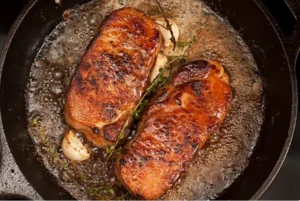
Pork, in its myriad forms, presents an exceptionally versatile and flavorful pairing for pierogi. From the crispy indulgence of fried pork cracklings to the slow-cooked tenderness of pulled pork, or the simple elegance of seared pork tenderloin, pork offers a wide array of textures and tastes that harmonize beautifully with pierogi. Its inherent richness and ability to absorb flavors make it a strong contender for rounding out a pierogi-centric meal.
Pork and sausages are frequently served alongside pierogi in traditional Polish cuisine, forming an integral part of what is often referred to as "Babcia’s Sunday meal"—a comforting and substantial repast prepared with love and tradition. The practice of cooking pork in the same pan used for pierogi is a culinary strategy that maximizes flavor. The rendered pork fat and browned bits that adhere to the pan’s bottom infuse the pierogi with an additional layer of savory complexity. For those seeking a fusion of culinary influences, the combination of a slow-roasted, marinated pork shoulder, such as Puerto Rican Pernil, with its crispy skin and intensely seasoned meat, served alongside fried pierogi with caramelized onions and sour cream, exemplifies a creative and delicious cross-cultural culinary approach. The relatively inexpensive nature of many pork cuts, coupled with their satisfying heft, makes them an economical yet deeply gratifying choice for enhancing a pierogi meal.

7. The Depth of Braised Meats
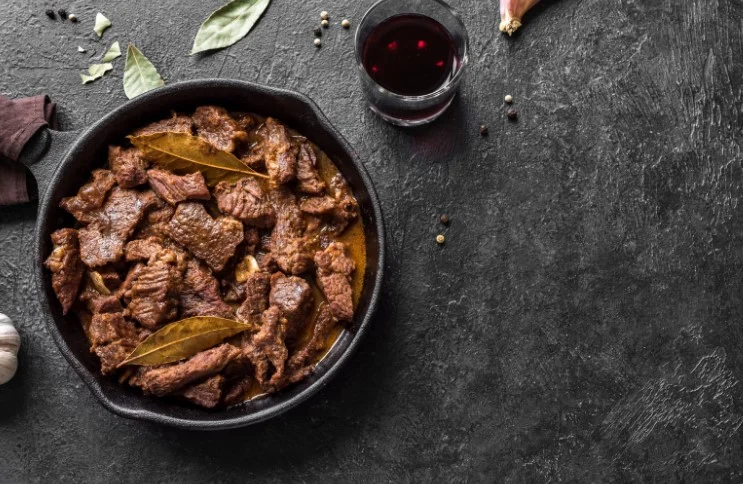
For a truly elevated and deeply satisfying pierogi experience, braised meats offer a luxurious and tender accompaniment. The technique of braising, which involves an initial searing of the protein at high heat followed by slow, low-temperature cooking in liquid, results in exceptionally tender and flavorful meat that practically melts in the mouth. Cuts like chuck roast, pork shoulder, ribs, lamb shank, or shoulder are ideal for braising, as their connective tissues break down during the extended cooking process, creating a rich, unctuous texture.
Braised meats transform pierogi from a main dish into a component of a larger, more complex meal. The tender, succulent meat, infused with the flavors of its braising liquid—often a blend of broth, wine, aromatic vegetables, and herbs—provides a rich counterpoint to the dumplings. This pairing is particularly effective when aiming for a well-rounded meal that includes steamed or roasted vegetables, creating a balanced and deeply comforting dining experience. The slow cooking process also allows for the development of complex flavors in the braising liquid, which can be further utilized as a sauce to drizzle over both the meat and the pierogi. Detailed guides on braising meats are readily available, offering aspiring cooks the knowledge to master this technique and create a truly memorable dish. Furthermore, the inherent nature of braised meats means they often improve with time, making them an excellent choice for preparing ahead of a gathering, as both the braised meat and pierogi reheat well for delicious leftovers.
Expert Insights and Culinary Synergies
To further enhance the pierogi dining experience, consider combining elements from the previously discussed sides. A particularly lauded approach involves a layered assembly of flavors and textures. Begin by sautéing onions until they are tender and slightly caramelized. Set these aside. Next, prepare a brown butter and herb sauce, allowing its nutty aroma to develop. Finally, pan-fry the pierogi to a golden crisp. The culmination involves topping the perfectly cooked pierogi with the sautéed onions and a drizzle of the aromatic brown butter sauce. This combination, as described by culinary enthusiasts, creates a symphony of sweet, savory, and herbaceous notes, with contrasting textures that elevate the humble pierogi to new heights. This "pro-tip" encapsulates the essence of thoughtful pairing—understanding how individual components can harmonize to create a more profound culinary experience.
Frequently Asked Questions About Pierogi Preparation and Serving
How are pierogies traditionally served?
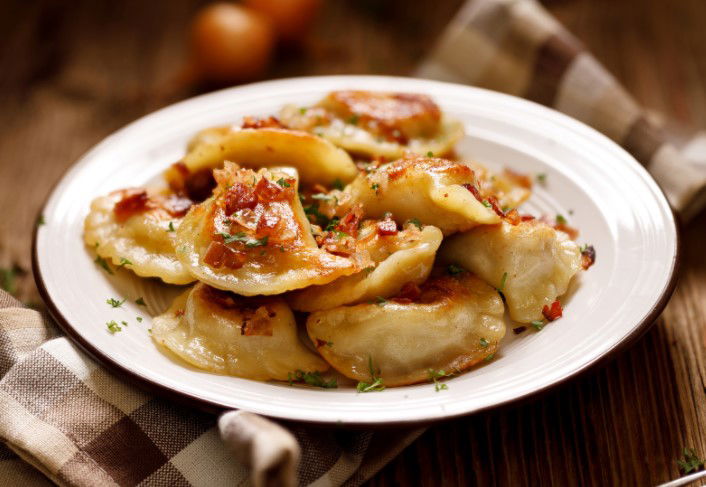
Traditionally, pierogies, originating from Poland, are pan-fried and typically served with a topping of melted butter and fried onions. This classic preparation highlights the simple, comforting nature of the dish.
Do you have to boil pierogies before frying them?
Pre-boiling is generally only necessary for frozen pierogies to ensure they cook through evenly. Fresh or thawed pierogies can be directly pan-fried without boiling, achieving a desirable crisp exterior.
What do you dip pierogies in?
Pierogies are exceptionally delicious when dipped in melted butter or sour cream. These simple accompaniments add a rich creaminess and a touch of tang that enhances the dumpling’s flavor.
The art of pairing side dishes with pierogi is a testament to the versatility and enduring appeal of this culinary staple. By understanding the nuances of flavor, texture, and traditional preparation, home cooks can create meals that are both comforting and sophisticated, celebrating the rich heritage of Polish cuisine while embracing creative culinary exploration.