
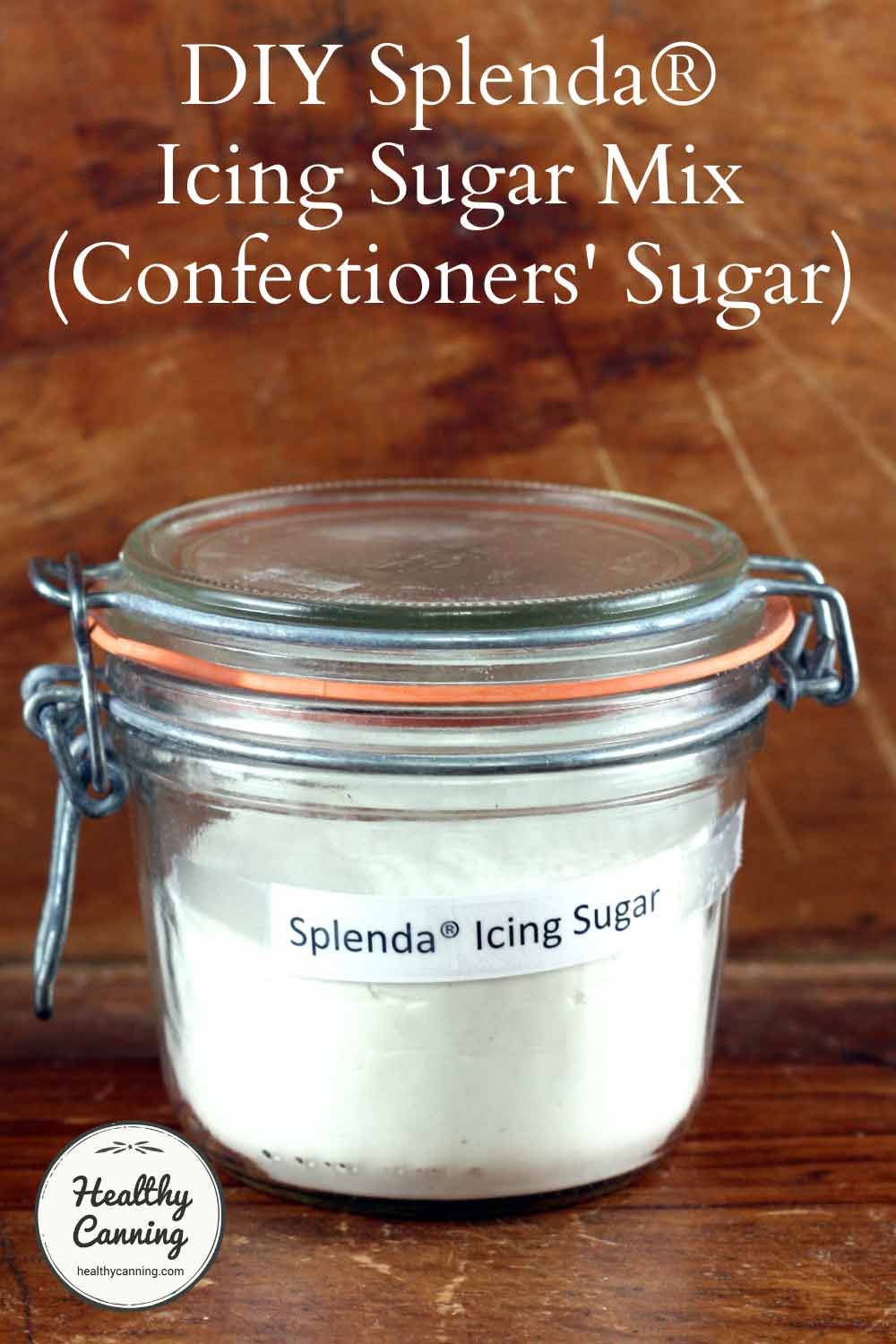
The culinary landscape has undergone a significant transformation as home bakers and professional pastry chefs alike seek to reconcile the indulgence of traditional desserts with the increasing demand for health-conscious, low-calorie, and diabetic-friendly alternatives. Central to this evolution is the ability to recreate staple ingredients, such as confectioner’s sugar, using non-nutritive sweeteners. The DIY Splenda Icing Sugar Mix represents a pivotal innovation for those managing blood glucose levels or caloric intake, offering a versatile tool for creating glazes and decorative finishes without the metabolic impact of sucrose. By pulverizing granulated sucralose-based sweeteners, bakers can achieve the fine, powdery texture required for delicate icings, effectively bridging the gap between nutritional necessity and aesthetic appeal in modern baking.
The Evolution of Sugar Substitutes in Professional and Home Baking
The history of sugar substitutes dates back to the late 19th century with the discovery of saccharin, but it was not until the late 20th century that sweeteners capable of withstanding the rigors of baking became widely available. Sucralose, marketed under the brand name Splenda, was approved by the U.S. Food and Drug Administration (FDA) in 1998. Unlike aspartame, which breaks down under heat, sucralose maintains its sweetness at high temperatures, making it the industry standard for sugar-free baking.
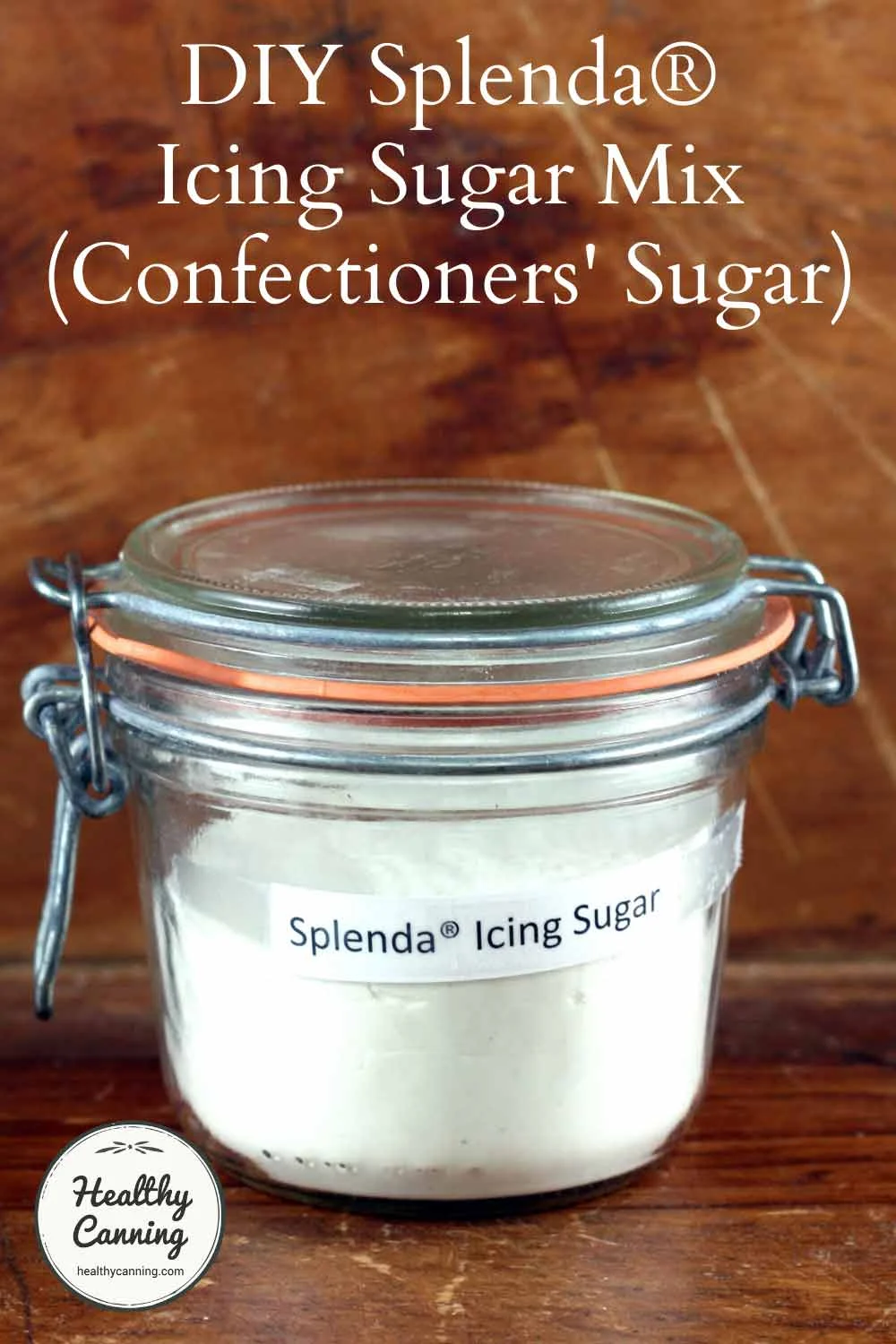
However, a persistent challenge in the sugar-free movement has been the structural and textural role of sugar. In the world of pastry, sugar is not merely a sweetener; it provides bulk, stabilizes egg whites, and, in its powdered form, creates the smooth viscosity required for icings and frostings. Traditional confectioner’s sugar is a finely ground version of granulated sugar, typically mixed with a small percentage of cornstarch to prevent clumping. The DIY Splenda Icing Sugar Mix replicates this mechanical property by utilizing high-speed blending to reduce the larger granules of sucralose into a microscopic powder that can be dissolved into fats or liquids to form a smooth glaze.
Technical Methodology: Creating the Base Mix
The preparation of a DIY icing sugar mix requires a focus on particle size and batch management. According to culinary standards and established home-canning protocols, the most effective method for producing a consistent powder is the use of a high-speed blender or a dedicated spice grinder.

Recipe Specifications and Yield
The standard yield for a primary batch consists of approximately 2 cups (150 grams) of plain icing sugar substitute. This quantity is generally sufficient for four batches of icing, depending on the desired thickness of the application. The recipe is highly scalable, allowing for doubling or tripling; however, technical experts recommend processing the sweetener in smaller increments—specifically 1 to 2 cups (25 to 50 grams) at a time. This ensures that the blades of the blender can move the material efficiently, preventing the "dead zones" that often occur in larger batches where the bottom becomes over-processed into a paste while the top remains granulated.
Ingredient Alternatives
While the Splenda brand is the most recognized sucralose-based sweetener, generic sucralose products or stevia-based powders that measure one-to-one with sugar can be substituted. It is important to note that different sweeteners have varying densities. For instance, erythritol-based blends are often heavier and may require different blending times to reach the desired "dust-like" consistency.
From Powder to Glaze: Application and Preparation
The transformation of the powdered mix into a functional icing involves the introduction of a lipid (fat) and a liquid. Unlike traditional buttercream frosting, which relies on the high volume of sugar to create a stiff structure, the sucralose-based version is optimized for glazes.
The Standard Icing Batch
To utilize the mix, the powder is typically combined with a fat source—such as butter or low-fat margarine—and a liquid base, usually water or milk. Vanilla extract or other flavorings are added to enhance the profile, as sucralose lacks the caramel-like undertones of natural sugar.
For a single batch of icing:
- Lipid Integration: One tablespoon of softened butter or margarine is blended with the powder.
- Liquid Adjustment: Water or milk is added one teaspoon at a time. This "low and slow" approach to liquid is critical, as sugar substitutes do not have the same hygroscopic (water-binding) properties as sucrose. Adding too much liquid too quickly can result in a broken or overly thin glaze that fails to adhere to the dessert.
- Flavor Variations: For chocolate-themed applications, the addition of one teaspoon of unsweetened cocoa powder is recommended. Because cocoa is also a dry particulate, it integrates seamlessly into the DIY mix. Other extracts, such as almond, lemon, or butterscotch, can be used to diversify the flavor profile.
Comparative Nutritional Analysis
The primary driver for the adoption of DIY Splenda Icing Sugar is the significant reduction in caloric density and glycemic load. Traditional powdered sugar contains approximately 389 calories per 100 grams, consisting almost entirely of simple carbohydrates.
Caloric Breakdown of DIY Icing
The caloric value of the final icing is largely determined by the choice of lipid.
- Low-Fat Margarine Option: Utilizing a light, low-fat spread can result in a total batch count of approximately 35 calories.
- Butter Option: Utilizing traditional salted or unsalted butter increases the caloric count to approximately 102 calories per batch.
Despite the increase with butter, both options represent a fraction of the calories found in standard sugar-based frostings, which can exceed 300-400 calories for a similar volume. For individuals with Type 1 or Type 2 diabetes, the use of sucralose prevents the rapid spike in blood glucose levels (hyperglycemia) associated with the ingestion of refined sucrose.
Macro-Nutrient Profile
The DIY mix (based on a 4-batch yield) provides:
- Calories: 124 kcal (total for the mix)
- Carbohydrates: 32g (largely from bulking agents in the sweetener and any added stabilizers)
- Sugar: 15g (depending on the specific brand of sucralose used and its fillers)
- Fat/Protein: Minimal (less than 1g)
Chronology of the DIY Movement in Healthful Preservation
The rise of "Healthy Canning" and DIY ingredient mixes can be traced through a specific timeline of consumer behavior:

- Pre-2010: Sugar-free products were largely limited to pre-packaged industrial goods containing high amounts of preservatives.
- 2010–2015: The "Clean Eating" movement encouraged consumers to look at ingredient labels, leading to a demand for home-made versions of processed staples.
- 2019–2021: The global pandemic saw a massive surge in home baking. However, with the simultaneous rise in awareness regarding metabolic health, bakers began seeking ways to reduce sugar without sacrificing the ritual of dessert.
- June 2021: The specific methodology for the Splenda-based icing mix gained traction as a standardized "pantry staple" recipe, allowing bakers to keep a pre-made mix on hand for quick use, similar to how one might keep a box of commercial confectioner’s sugar.
Professional Perspectives and Implications
Dietitians and food scientists have noted that while sugar substitutes offer a clear benefit for weight management and glucose control, they also present a shift in the sensory experience of eating. Sucralose is approximately 600 times sweeter than sugar, but the "bulking" agents used in commercial Splenda (maltodextrin and dextrose) are what allow it to be measured cup-for-cup.
Expert Reactions
Culinary instructors often point out that because this DIY mix creates a glaze rather than a structural frosting, it is best suited for brownies, pound cakes, and "quick breads" rather than elaborate tiered cakes that require the structural integrity of a heavy buttercream. "The goal is accessibility," states a inferred industry consensus. "By providing a low-calorie alternative for the finishing touches of a dessert, we make the social experience of sharing a meal inclusive for those with dietary restrictions."
Economic Impact
From an economic standpoint, the DIY approach offers significant cost savings. Specialty "powdered" sugar substitutes sold in health food stores often carry a premium price tag, sometimes 300% higher than the granulated version. By processing the granulated sweetener at home, consumers can achieve the same culinary result at a lower price point.
Broader Impact and Future Outlook
The democratization of specialized baking ingredients through DIY methods like the Splenda Icing Sugar Mix has broader implications for public health and the food industry. As more households adopt these techniques, the reliance on high-sugar processed goods decreases. This shift supports the World Health Organization’s (WHO) initiatives to reduce free sugar intake to less than 10% of total energy intake.
Furthermore, the versatility of this mix—allowing for the addition of cocoa, various extracts, and even food coloring—proves that a "restricted" diet does not have to be a "bland" diet. As food technology continues to improve the aftertaste and texture of non-nutritive sweeteners, the line between traditional and sugar-free pastry will continue to blur. The DIY Splenda Icing Sugar Mix is more than just a recipe; it is a testament to the ingenuity of the modern kitchen in its quest for a healthier, yet equally sweet, future.