
The American Homebrewers Association (AHA) has officially launched its search for a new National Homebrew Competition (NHC) Chair, a prestigious volunteer leadership position tasked with overseeing the most significant amateur brewing contest on the global stage. This recruitment phase, which concludes on November 10, 2024, seeks a dedicated individual to shepherd the competition through its 2025-2026 cycle. The selected candidate will serve a term beginning December 1, 2025, and concluding July 31, 2026, acting as the primary steward for an event that has defined the standards of amateur fermentation for over four decades.
The NHC Chair is more than a mere administrative role; it is a high-visibility position that serves as the face of the competition’s judging and awards processes. Tasked with maintaining the integrity of the evaluation system, the Chair works in close coordination with AHA leadership, including Executive Director Julia Herz, to ensure that the competition continues to fulfill its mission of inspiring, educating, and celebrating the homebrewing community. While the position is voluntary, the AHA provides a stipend to cover travel expenses, recognizing the significant time commitment and the global travel often required to oversee various stages of the judging process.
The Evolution and Significance of the National Homebrew Competition
To understand the weight of the NHC Chair position, one must look at the history of the competition itself. Founded in 1979, just one year after the American Homebrewers Association was established by Charlie Papazian, the inaugural competition saw only 34 entries. At that time, homebrewing had only recently been legalized at the federal level in the United States, following President Jimmy Carter’s signing of H.R. 1337.
In the decades since, the NHC has grown exponentially, mirroring the explosive rise of the craft beer movement. Today, it stands as the largest homebrew competition in the world. Since its inception, the competition has evaluated approximately 170,000 entries, ranging from traditional ales and lagers to experimental meads and ciders. This massive volume of entries requires a sophisticated logistical framework, involving thousands of volunteer judges and stewards across multiple regional sites before culminating in the final round of judging.
The competition serves as a vital pipeline for the professional brewing industry. Many of the most celebrated figures in craft beer—including the founders of Sierra Nevada Brewing Co., Dogfish Head Craft Brewery, and Bell’s Brewery—trace their roots back to the homebrewing community and the rigorous feedback provided by NHC-sanctioned judging. Consequently, the NHC Chair is responsible for upholding a standard of excellence that influences not just the amateur circuit, but the professional landscape of fermentation science.
Leadership Mandates and Key Responsibilities
The NHC Chair is tasked with a multifaceted array of responsibilities that require a blend of organizational expertise, technical brewing knowledge, and community diplomacy. Central to the role is the oversight of the judging process. This involves ensuring that every entry is evaluated fairly according to the Beer Judge Certification Program (BJCP) style guidelines, which provide the objective criteria for what constitutes a world-class beverage.
Key responsibilities for the incoming Chair include:
- Strategic Oversight: Collaborating with the AHA staff to refine competition rules and categories, ensuring they reflect current trends in homebrewing while maintaining historical standards.
- Volunteer Management: Acting as a liaison between the AHA and the hundreds of volunteer judges and stewards who make the competition possible. The Chair must inspire a culture of professional conduct and rigorous adherence to protocol.
- Judging Integrity: Monitoring the scoring process to ensure consistency across different regional judging centers. This includes addressing discrepancies and maintaining the "blind" nature of the tasting to prevent bias.
- Public Representation: Serving as the master of ceremonies for the NHC awards presentation, which traditionally takes place during Homebrew Con, the AHA’s annual conference.
- Technical Advising: Providing expert input on the evolution of beer styles, mead production, and cider fermentation to keep the competition at the cutting edge of the hobby.
A Chronological Roadmap of the Chair’s Tenure
The term for the NHC Chair follows a rigorous eight-month timeline that aligns with the competition’s operational cycle. This schedule ensures that the Chair is involved in every critical phase, from initial planning to the final celebration of winners.
December 2025 – January 2026: The Planning Phase
The Chair begins their term by reviewing the previous year’s competition data and feedback. During these initial months, the Chair works with the AHA Executive Director to finalize the rulebook for the upcoming competition. This includes updating style categories to include emerging trends, such as Cold IPAs or contemporary Gose variations, and ensuring that the registration software is calibrated for the expected volume of entries.
February 2026 – March 2026: Regional Coordination
As the registration window opens for thousands of AHA members, the Chair focuses on the logistics of the first round of judging. The NHC typically utilizes various regional sites across the United States to manage the sheer volume of bottles. The Chair coordinates with regional organizers to ensure that cold storage, venue requirements, and judge recruitment are on track.
April 2026 – May 2026: The First Round of Judging
This is the most labor-intensive period of the competition. Thousands of entries are uncapped, poured, and evaluated by BJCP-certified judges. The Chair monitors reports from regional sites, troubleshooting any issues related to shipping damage, steward shortages, or judging disputes. The goal of this phase is to narrow the field down to the "Best-of-Show" contenders who will advance to the final round.
June 2026: The Finals and Homebrew Con
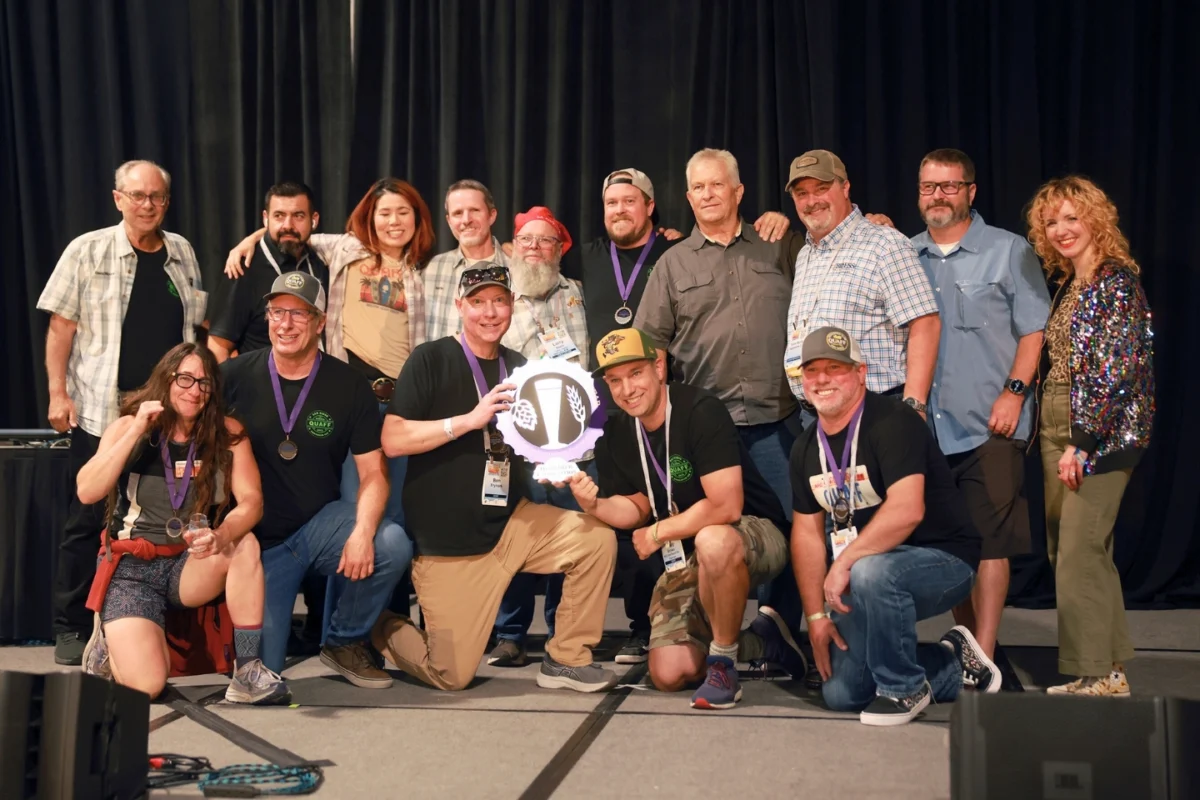
The competition reaches its zenith in June. The top-tier entries from the regional rounds are sent to a central location for the final judging. The Chair oversees this elite panel of judges, which often includes some of the most respected names in the brewing world. Following the final judging, the Chair prepares for the NHC Awards Ceremony at Homebrew Con, where they will announce the winners of the gold, silver, and bronze medals, as well as the prestigious Homebrewer of the Year award.
July 2026: Wrap-up and Transition
The final month of the term is dedicated to post-competition analysis. The Chair compiles a report on the competition’s successes and areas for improvement, providing a roadmap for their successor and ensuring the continued evolution of the event.
Supporting Data and Membership Impact
The American Homebrewers Association represents a community of approximately 20,000 members. For these individuals, the NHC is the highlight of the brewing year. The association provides a wealth of resources, including Zymurgy Magazine and an extensive database of NHC-validated recipes. The competition serves as the ultimate validation of a brewer’s skill, with many participants spending months or even years perfecting a single recipe for entry.
Data from recent years suggests that while the total number of homebrewers in the U.S. has stabilized following a massive surge in the early 2010s, the quality and complexity of entries have increased. The rise of sophisticated home-brewing hardware, such as electric all-in-one systems and pressure-rated fermenters, has allowed amateur brewers to produce beer that is indistinguishable from commercial products. This technological shift places more pressure on the NHC Chair to ensure that the judging remains sophisticated enough to distinguish between excellent and truly world-class entries.
Official Responses and Strategic Vision
Julia Herz, the Executive Director of the AHA, has emphasized that the NHC Chair is a vital component of the organization’s vision of having "a homebrewer in every neighborhood and a homebrew club in every community." In her outreach to the community, Herz has noted that the role is ideal for a "passionate community leader who wants to influence the future of homebrewing."
The AHA’s leadership views the NHC not just as a contest, but as an educational tool. The detailed scoresheets provided to every entrant offer professional-grade feedback that helps brewers improve their craft. By appointing a Chair who is deeply embedded in the community, the AHA ensures that the competition remains grounded in the needs and aspirations of the hobbyist.
Broader Implications for the Brewing Community
The appointment of a new NHC Chair comes at a time of transition for the craft beer industry. With the professional market facing increased competition and changing consumer preferences, the role of the homebrewer as an innovator is more important than ever. Homebrewers are often the first to experiment with new hop varieties, alternative grains, and unique yeast strains. The NHC provides the data and the platform to prove which of these innovations have staying power.
Furthermore, the NHC promotes the "stewardship" of brewing traditions. By maintaining categories for historical styles that might not be commercially viable for large breweries, the competition ensures that the diversity of the world’s brewing heritage is preserved. The Chair acts as the guardian of this diversity, ensuring that a perfectly brewed English Mild or a traditional German Rauchbier receives as much respect and scrutiny as the latest Hazy IPA.
As the November 10 application deadline approaches, the AHA is looking for candidates who possess not only a deep resume in the brewing world but also a short, compelling statement of interest that outlines their vision for the 2025-2026 cycle. Interested parties are encouraged to submit their credentials to Julia Herz at the AHA headquarters. The selection of the next Chair will signal the next chapter for an event that continues to be the heartbeat of the global homebrewing movement.