
The beloved strawberry rhubarb pie, a quintessential herald of spring and summer, has received a significant update, promising home bakers a consistently thick, jammy filling encased in a perfectly flaky, all-butter crust. Originally introduced in 2016, this refined recipe addresses the perennial challenge of runny fruit pies, offering enhanced techniques and insights to ensure every slice holds its shape beautifully, elevating a seasonal favorite to new heights of culinary excellence.
The Enduring Appeal of a Seasonal Classic
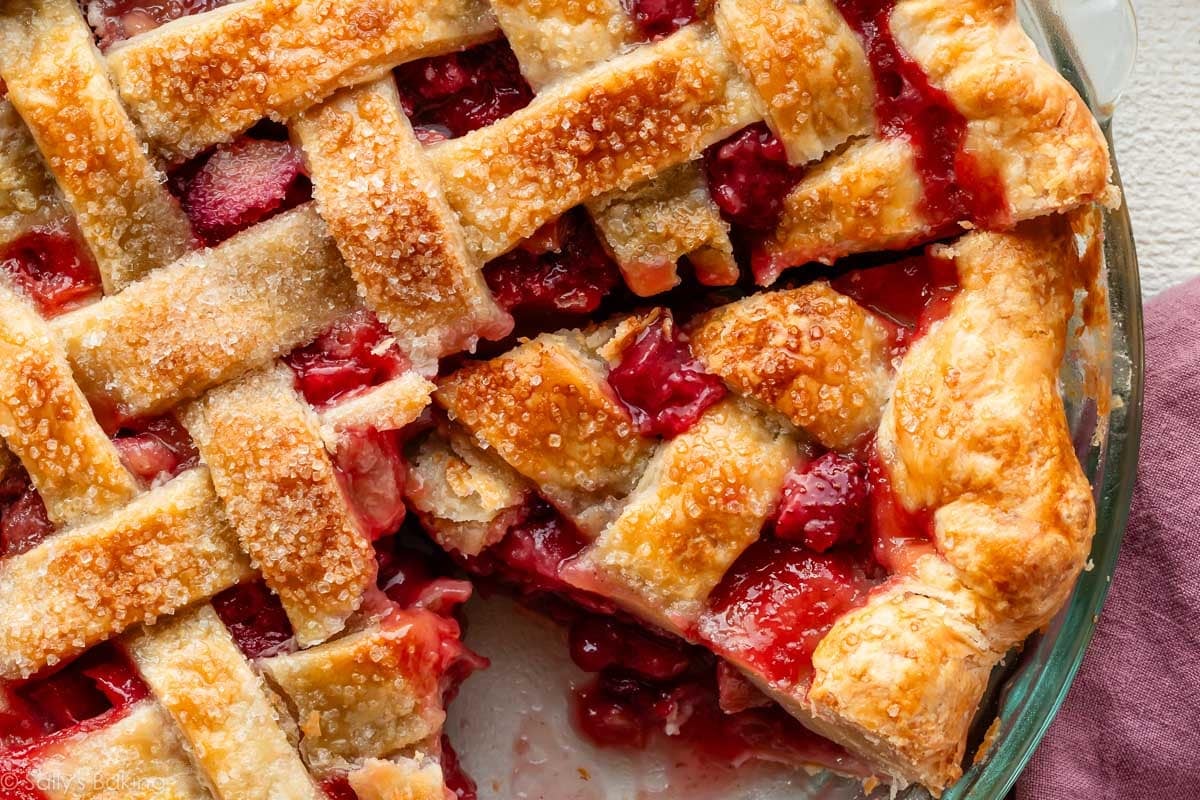
Fruit pies, deeply embedded in Western culinary traditions, particularly in North America, represent comfort, celebration, and the bounty of the harvest. Among these, the strawberry rhubarb pie stands out for its unique blend of sweet and tart flavors, a harmonious balance that captures the essence of late spring and early summer. The pairing of juicy, saccharine strawberries with the bracing acidity of rhubarb creates a complex flavor profile that is both nostalgic and refreshing. Historically, pies served as a practical method of preserving fruit, encased in dough to be transported or stored. Over centuries, they evolved from savory meat dishes to the sweet desserts we cherish today, with fruit pies gaining immense popularity as sugar became more accessible. The combination of strawberry and rhubarb itself emerged as a classic due to their complementary seasonal availability and contrasting flavors, with rhubarb—botanically a vegetable but culinarily treated as a fruit—providing the much-needed tart counterpoint to sweet berries.
The updated rendition of this classic dessert is a testament to continuous culinary refinement. The initial recipe, shared in 2016, laid a solid foundation, but subsequent years of baking experience and community feedback have led to a comprehensive overhaul. This includes new photographic documentation, a detailed video tutorial, and a suite of advanced success tips, most notably an optional stovetop pre-cooking step designed to guarantee a robustly set filling. This evolution reflects a broader trend in culinary publishing: a commitment to empowering home bakers with not just recipes, but the underlying science and techniques for consistent success.
The Science of a Perfectly Set Filling: Preventing the Runny Pie Predicament
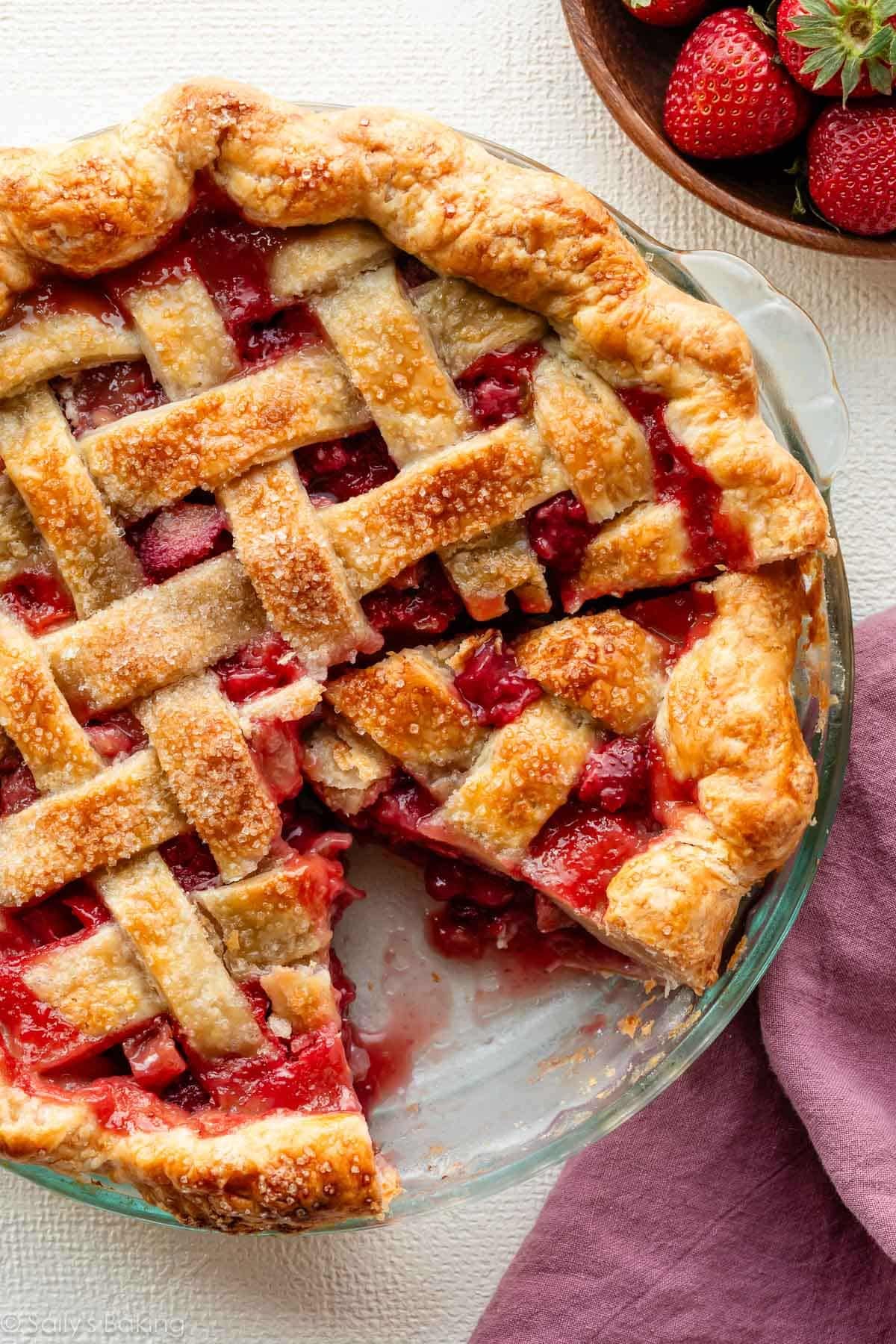
One of the most common frustrations encountered when baking fruit pies, particularly those featuring high-moisture fruits like strawberries, is a filling that fails to set, resulting in a watery, unsliceable dessert. Strawberries, when heated, release a substantial amount of juice, which, if not properly managed, can lead to a soupy consistency. This updated recipe meticulously tackles this issue through a multi-pronged approach rooted in fundamental food science.
The primary thickening agent employed here is cornstarch, a powerful starch that, when heated, undergoes gelatinization, absorbing liquid and forming a gel. However, simply adding cornstarch to fruit can sometimes be insufficient, especially with particularly juicy or extra-ripe berries. The innovation in this recipe lies in its optional, yet highly recommended, stovetop pre-cooking step for the fruit juices.
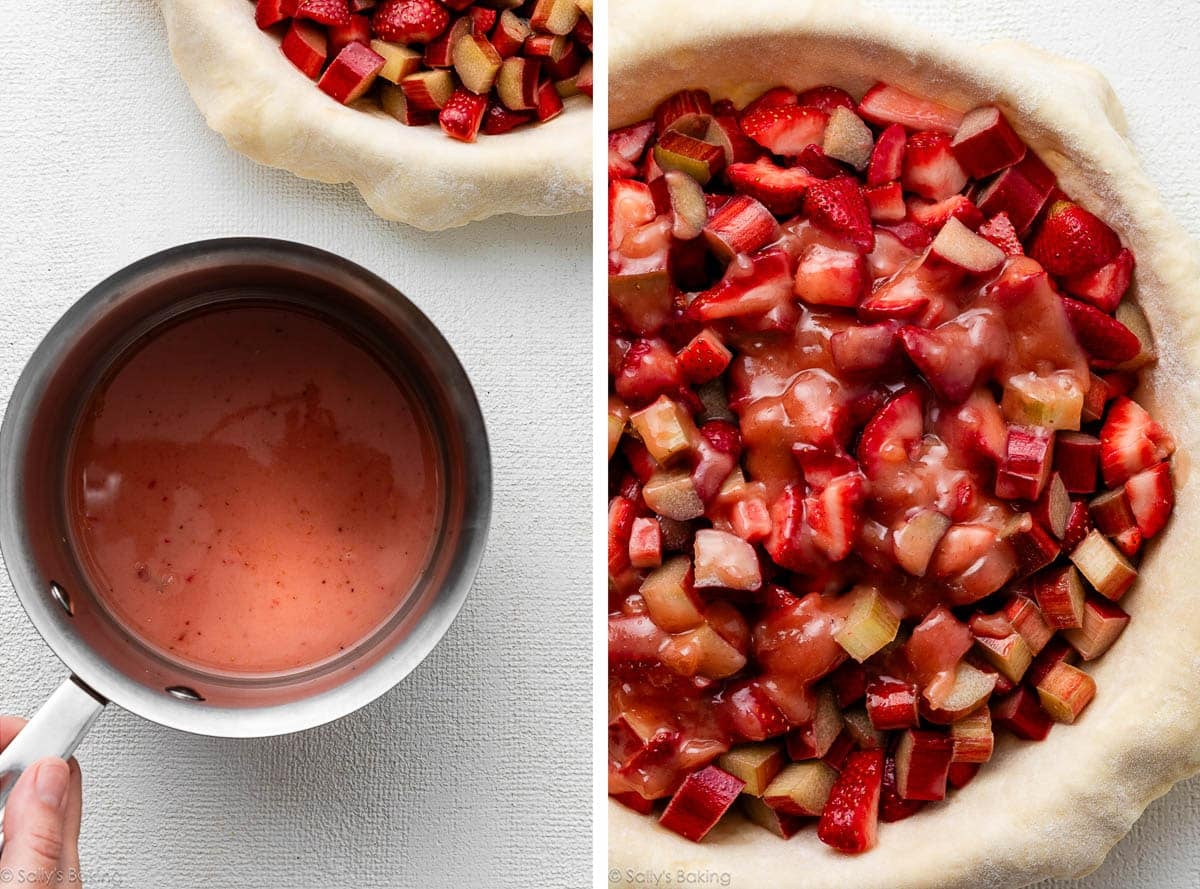
After combining the fruit with sugar and cornstarch, the mixture is allowed to rest briefly. During this resting period, a process called osmosis occurs, where sugar draws moisture out of the fruit, creating a pool of flavorful liquid at the bottom of the bowl. This liquid is not to be discarded; it’s a concentrated reservoir of flavor and, crucially, suspended cornstarch. The updated method advises pouring this pooled juice into a small saucepan and reducing it over medium-low heat until it thickens into a syrupy consistency. This pre-cooking serves several vital functions:
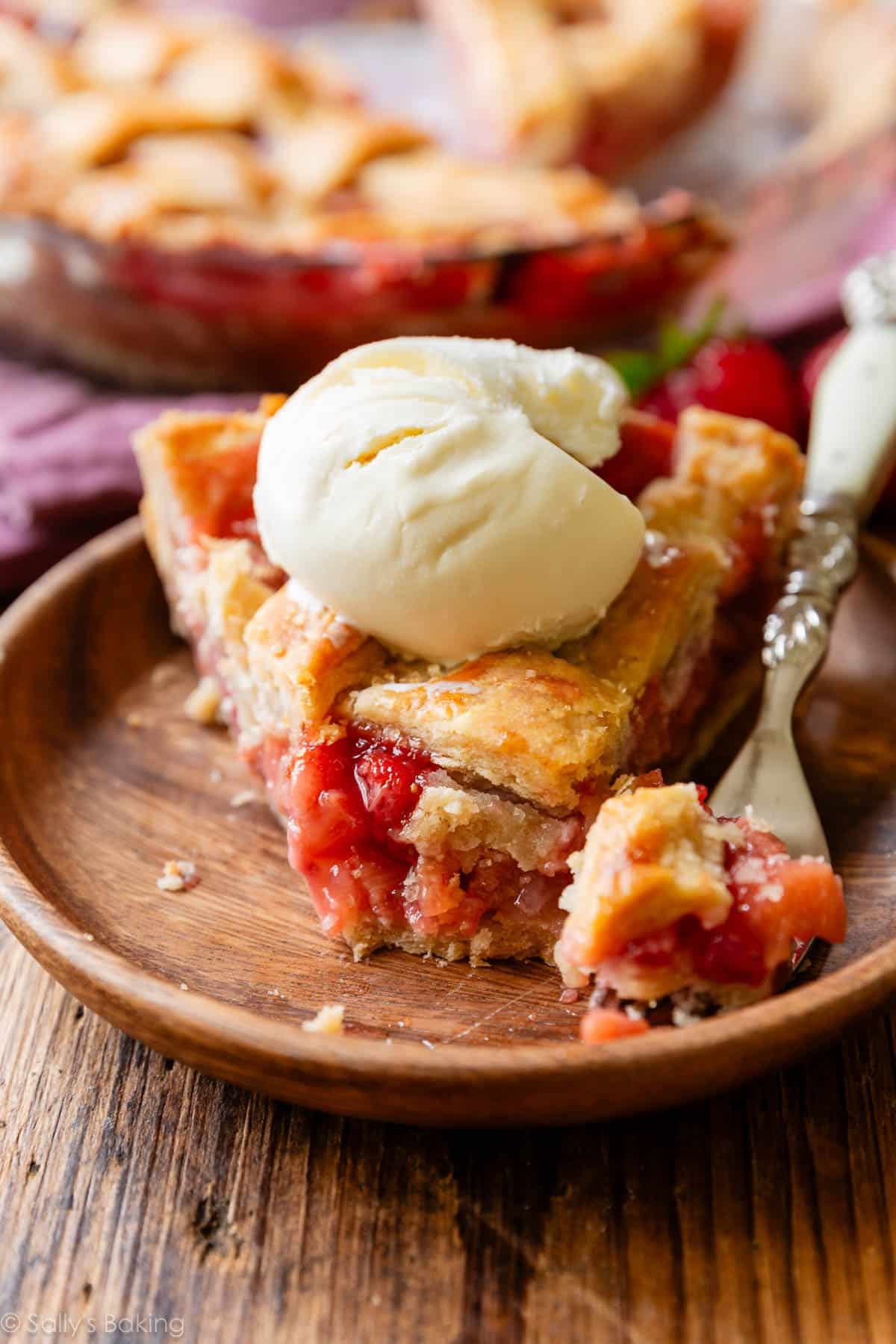
- Activates Cornstarch: Heating the juice to a boil (around 200-212°F or 93-100°C) fully activates the cornstarch, allowing it to begin its thickening process before the pie even enters the oven. This provides a significant head start, preventing the issue of under-activated starch during baking.
- Concentrates Flavor: Reducing the liquid intensifies the natural fruit flavors, leading to a more vibrant and rich filling.
- Reduces Excess Moisture: By removing a portion of the water content before baking, the overall moisture load on the cornstarch during the oven bake is reduced, making it easier for the filling to achieve its desired jammy texture.
This technique is a refined application of principles used in professional kitchens and mirrors successful strategies employed in other notoriously juicy fruit pies, such as cherry and blueberry peach pies. While other thickeners like flour or tapioca can be used, cornstarch is often preferred for fruit pies due to its ability to create a clear, glossy finish without imparting any starchy flavor, ensuring the fruit’s natural vibrancy shines through.
Crafting the Foundation: The Flaky Pie Crust
A robust and flavorful pie crust is paramount to a successful fruit pie, acting as both a structural support and a delicious counterpoint to the filling. This recipe champions the use of an all-butter pie crust, renowned for its superior flavor and incomparable flakiness. The inherent richness of butter contributes significantly to the pie’s overall taste, while its low melting point, when combined with careful handling and proper chilling, creates distinct layers of pastry that separate into delicate flakes during baking.
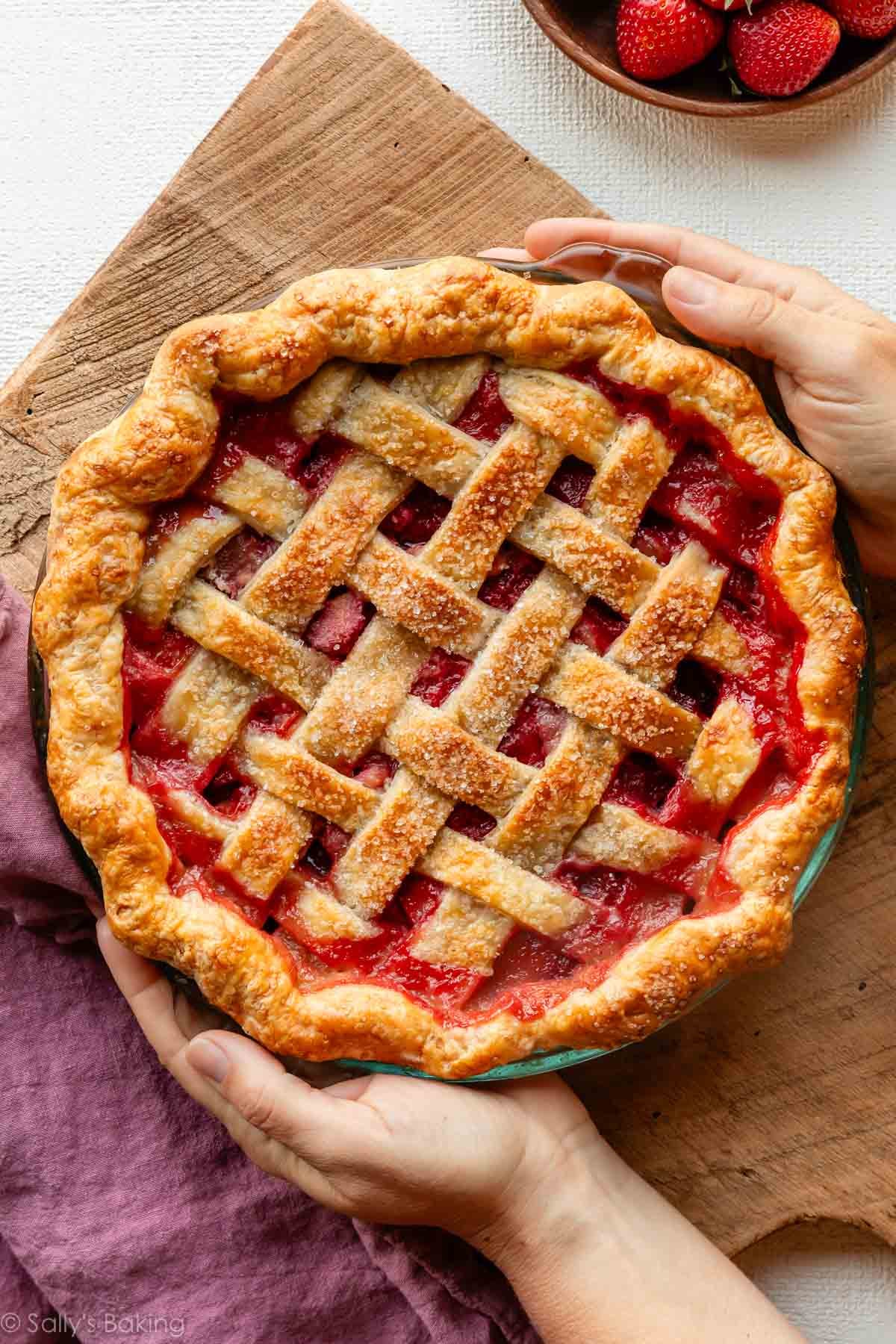
Alternatively, a butter-shortening blend can be utilized. Shortening, being 100% fat and having a higher melting point than butter, can yield an even flakier, tender crust that is often easier to handle, particularly for novice bakers. However, it lacks the nuanced flavor that pure butter provides. Regardless of the fat chosen, the crucial step of chilling the dough for at least two hours (or even overnight) cannot be overstated. Chilling serves two critical purposes:
- Solidifies Fat: Cold butter or shortening remains in discrete pieces within the dough. As these melt in the oven, they release steam, creating pockets that separate the layers of flour, resulting in flakiness. If the fat is warm, it integrates too much with the flour, leading to a tough, less flaky crust.
- Relaxes Gluten: Mixing flour with water develops gluten, which can make the dough elastic and difficult to roll. Chilling allows the gluten strands to relax, making the dough more pliable and less prone to shrinking during baking.
For those daunted by the prospect of crafting a homemade pie crust, the recipe also offers a suggestion for a simple crumble topping as an alternative, demonstrating flexibility while maintaining the essence of the dessert. This adaptability caters to various skill levels and time constraints, ensuring the seasonal flavors remain accessible.
Key Ingredients: A Symphony of Flavors and Textures
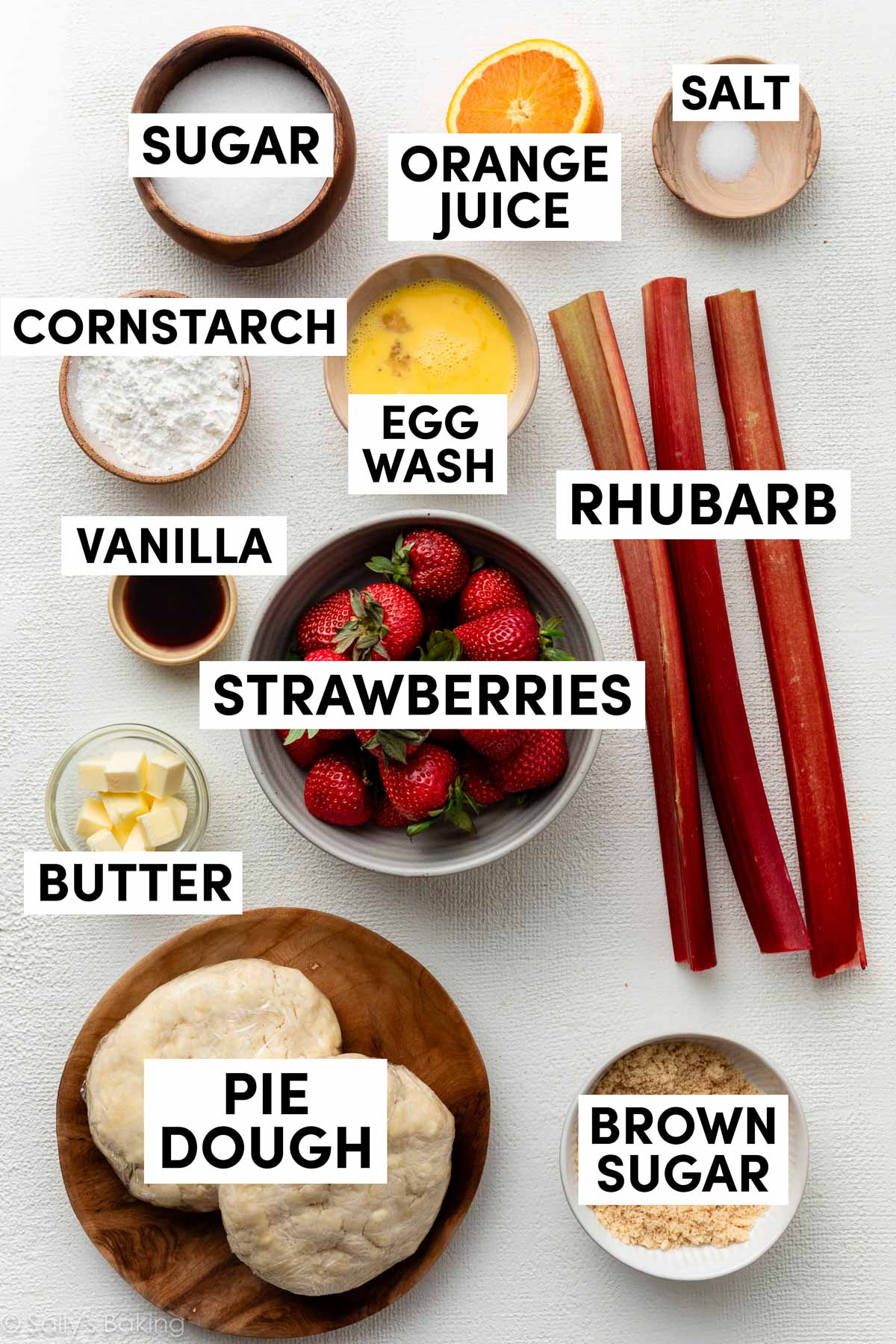
The success of this strawberry rhubarb pie hinges on the quality and interaction of its core ingredients:
- Strawberries: Providing natural sweetness, vibrant color, and abundant juiciness, strawberries are the quintessential summer fruit. Their ripeness directly impacts the pie’s sweetness, necessitating slight adjustments in added sugar based on the fruit’s natural sugars.
- Rhubarb: The tart, fibrous stalks of rhubarb offer a contrasting acidity that prevents the pie from becoming cloyingly sweet. Its unique texture softens beautifully during baking, contributing to the jammy consistency. It is critical to note that only the stalks of rhubarb are edible; the leaves contain high levels of oxalic acid and are toxic.
- Granulated Sugar: Beyond sweetness, sugar plays a vital role in balancing the rhubarb’s tartness and initiating the osmosis process that draws out fruit juices, contributing to the jammy texture.
- Cornstarch: As previously detailed, cornstarch is the hero thickener, ensuring the filling achieves its desired set.
- Orange Juice (or Lemon Juice): A touch of citrus brightens the fruit flavors, adding an extra layer of complexity and acidity that complements both strawberries and rhubarb.
- Salt: A pinch of salt enhances all the flavors, balancing the sweetness and tartness.
The Art of Assembly and Baking: From Dough to Golden Perfection
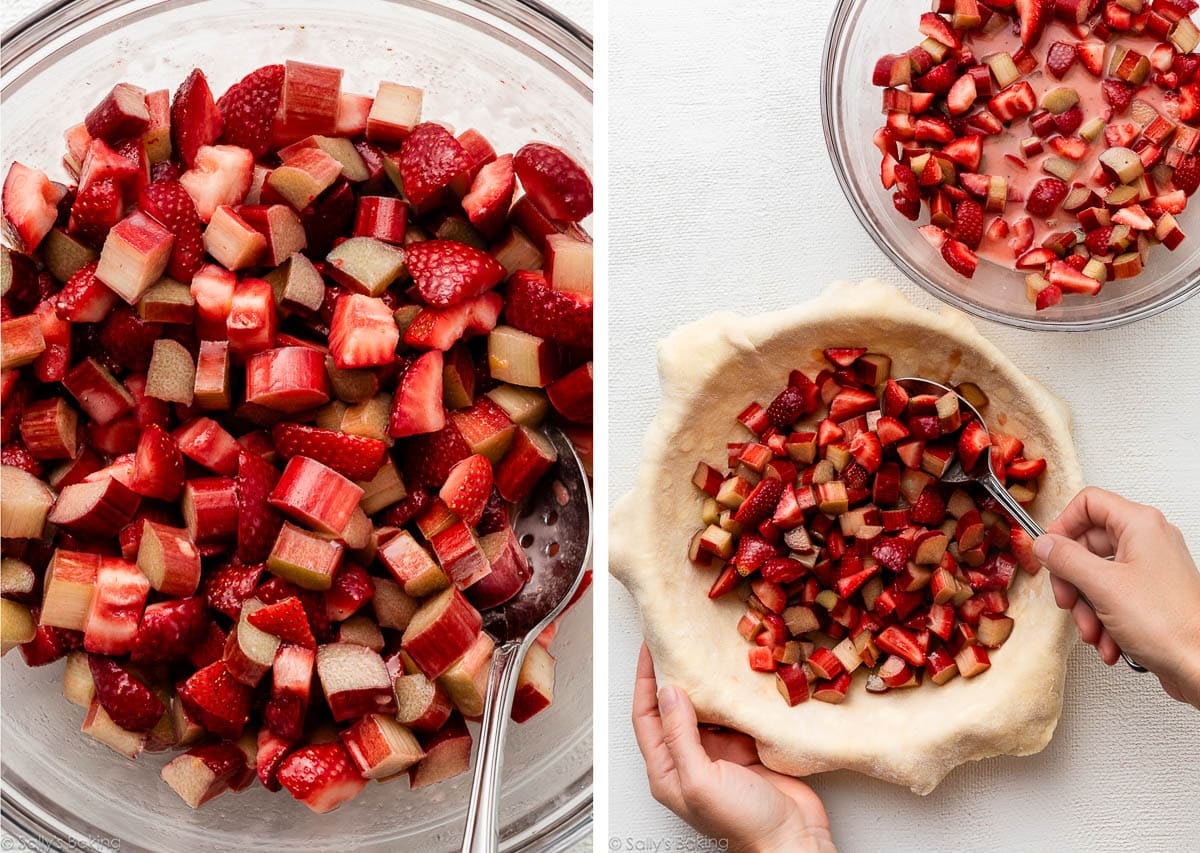
The assembly process is where preparation meets artistry. After preparing the filling, the chilled pie dough is rolled out for the bottom crust, providing a sturdy base for the fruit. The optional stovetop reduction of juices, once cooled slightly, is then gently stirred back into the fruit, ensuring even distribution of the activated thickener.
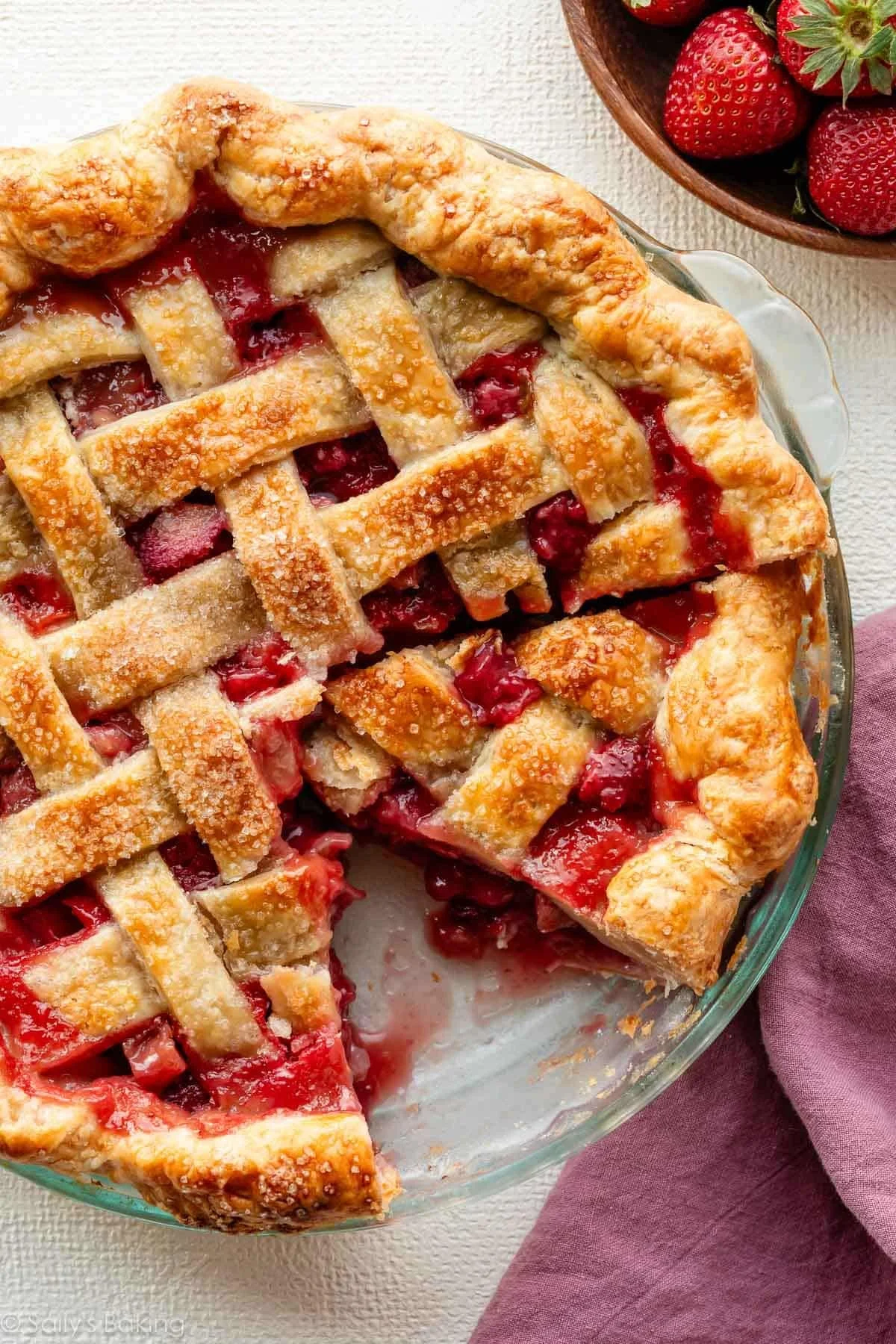
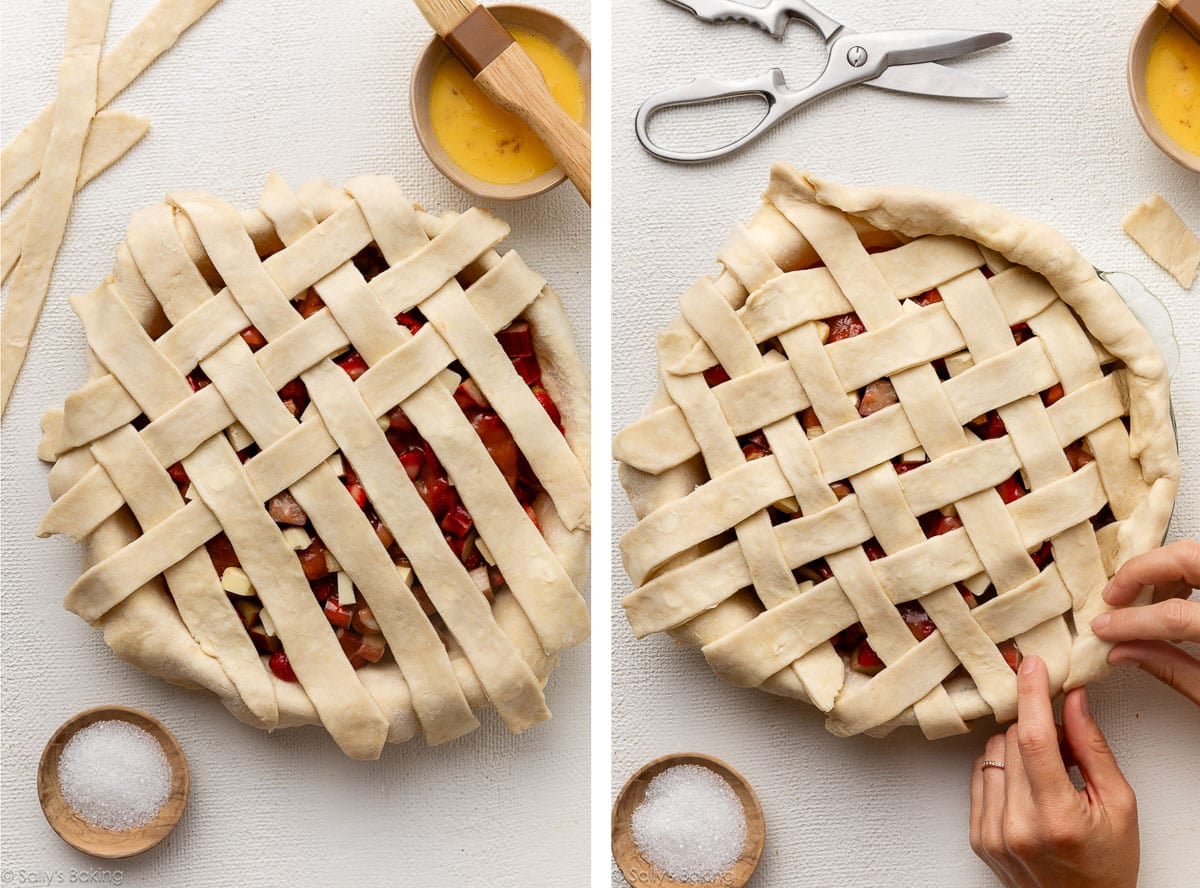
For the top crust, a lattice design is highly recommended. Beyond its aesthetic appeal, a lattice topping is functional, allowing steam to escape during baking. This steam release is crucial for preventing a soggy bottom crust and enabling the filling to thicken properly as excess moisture evaporates. For those new to lattice work, dedicated tutorials provide step-by-step guidance, transforming a potentially intimidating task into an achievable decorative element.
Before baking, several finishing touches make a significant difference:
- Egg Wash: A brush of egg wash (egg mixed with water or milk) on the top crust promotes a beautiful golden-brown color and a slight sheen, enhancing the pie’s visual appeal.
- Coarse Sugar: A generous sprinkle of coarse sugar over the egg-washed crust adds a delightful crunch, sparkle, and an extra layer of sweetness, providing textural contrast.
- Pie Shield: To prevent the crust edges from over-browning or burning before the pie is fully baked, a pie shield or foil strips can be applied once the crust has achieved a light golden color, typically halfway through the baking process.
The baking strategy itself is a critical component of the recipe’s success. The pie is initially baked at a high temperature of 400°F (204°C) for the first 20 minutes. This initial burst of high heat serves to rapidly set the pie crust’s structure, initiate the intense bubbling of the filling to activate the cornstarch, and create a desirable initial browning. Following this, the oven temperature is reduced to 375°F (190°C) for the remainder of the baking time. This lower temperature allows the pie to continue baking evenly, preventing the crust from burning while ensuring the fruit cooks thoroughly and the filling fully thickens without scorching. This two-stage temperature approach is a well-established technique in pie baking, utilized across various fruit pie recipes to optimize both crust and filling.
The Crucial Waiting Game: Patience for Perfection
Determining when a pie is truly "done" is often a point of anxiety for bakers. For this strawberry rhubarb pie, clear indicators guide the process. The filling should be visibly bubbling vigorously through the lattice openings and around the edges of the pie, signifying that the internal temperature has reached the point where the cornstarch is fully activated and the fruit is tender. For an even more precise assessment, an instant-read thermometer inserted into the center of the filling (avoiding direct contact with the bottom crust) should register between 200°F and 212°F (93-100°C). This temperature range confirms that the starch has fully gelatinized and the filling is cooked through.
However, the most critical step, and arguably the hardest for eager bakers, is the cooling period. Upon removal from the oven, the pie must be allowed to cool completely, typically for several hours, ideally at room temperature. This cooling phase is absolutely non-negotiable for achieving a firm, sliceable filling. During this time, the starch molecules, which have absorbed moisture and swelled during heating, continue to set and form a stable gel structure. Cutting into the pie too soon, while the filling is still hot and fluid, will inevitably result in a runny mess, regardless of how perfectly it was baked. This patience is rewarded with beautifully defined slices of jammy, flavorful pie.
Broader Implications and Culinary Significance
The refinement of this strawberry rhubarb pie recipe underscores several broader implications within the culinary world and for home baking. It highlights the continuous pursuit of perfection in traditional recipes, demonstrating that even classics can benefit from modern understanding of food science and improved techniques. For home bakers, such meticulously detailed and updated recipes democratize complex culinary challenges, making previously intimidating tasks—like achieving a perfectly set fruit pie—accessible and consistently successful.
Furthermore, this focus on seasonal ingredients like strawberries and rhubarb reinforces the importance of seasonal eating and supporting local agriculture. The brief window for fresh rhubarb elevates its status, turning each pie into a celebration of fleeting abundance. In an era where culinary trends often favor the novel, the enduring appeal and ongoing refinement of a classic like strawberry rhubarb pie speak to the timeless joy of simple, well-executed baking, fostering a connection to culinary heritage and the shared pleasure of homemade desserts. Culinary experts consistently emphasize that understanding the ‘why’ behind baking steps is as crucial as following the ‘how,’ a philosophy beautifully embodied in this enriched recipe guide. This comprehensive approach empowers bakers to not only replicate a delicious dessert but to truly master the craft, ensuring every slice is a testament to thoughtful preparation and culinary care.