
The acquisition of maple syrup in bulk quantities is a common practice for North American households, yet the delicate chemical nature of this "liquid gold" necessitates rigorous storage protocols to prevent spoilage. While maple syrup is often viewed as a shelf-stable pantry staple, its high sugar content and specific water activity levels make it susceptible to colonization by specialized molds if environmental conditions are not strictly controlled. For the modern consumer, understanding the intersection of food science and preservation technology is essential to maintaining the quality, flavor, and safety of this high-value agricultural product.
The Chemistry of Stability: Understanding Brix and pH
To understand why maple syrup requires specific storage conditions, one must first examine its chemical composition. According to the North American Maple Syrup Council, the legal definition of maple syrup requires a sugar concentration, measured in degrees Brix, between 66° and 68°. This concentration is achieved through the rigorous boiling of maple sap, a process that drives out water to reach a precise density.
The density of the syrup is the primary factor in its shelf stability. If the syrup falls below 66° Brix, it possesses a higher water activity level, making it highly susceptible to fermentation and mold growth. Conversely, syrup exceeding 68° Brix is prone to crystallization, where excess sugar precipitates out of the liquid and forms hard deposits at the bottom of the container.
From a safety perspective, the Food and Drug Administration (FDA) notes that maple syrup typically maintains an average pH of 5.15. In the world of food preservation, any product with a pH above 4.6 is theoretically at risk for the germination of Clostridium botulinum spores in anaerobic (oxygen-free) environments. However, maple syrup remains safe from botulism due to its high sugar concentration. The resulting low water activity ($a_w$) prevents the spores from germinating, even if they are present in a sealed jar. This makes mold—not bacterial toxins—the primary threat to the longevity of the product.

Container Science: The Vulnerability of Plastic
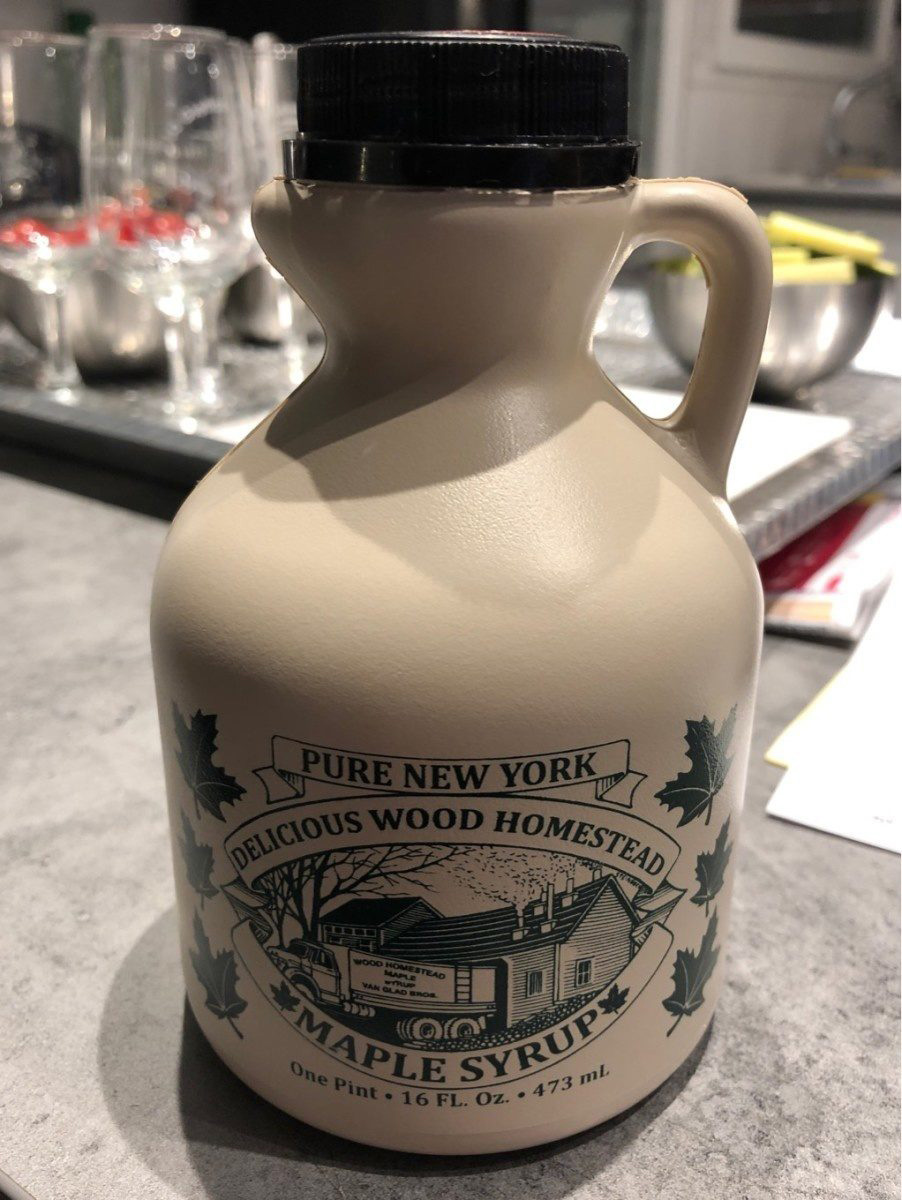
A critical and often overlooked aspect of maple syrup storage is the material of the vessel itself. While glass and metal containers are virtually impermeable to oxygen, the iconic beige or grey plastic jugs frequently used by smaller producers are surprisingly porous.
The Quebec Maple Syrup Producers Association (QMSP) has conducted extensive testing on various packaging materials. Their findings indicate that while these plastic jugs are aesthetically traditional, they do not provide a foolproof barrier to oxygen over long periods. This permeability allows oxygen to slowly infiltrate the syrup, which can eventually facilitate the growth of aerobic molds even if the original seal remains intact.
Consequently, the industry recommendation for consumers who purchase syrup in these plastic jugs is to store them in the refrigerator immediately upon purchase, regardless of whether the seal is broken. For those seeking true room-temperature shelf stability, glass or metal containers are the only reliable options for unopened product.
The Refrigeration Mandate: Post-Opening Protocols
The moment the seal on a maple syrup container is broken, the product is exposed to the ambient environment, which inevitably contains airborne mold spores. Once opened, the syrup is no longer considered a sterile environment.
Refrigeration is the mandatory next step for any opened container. The cold temperatures of a standard home refrigerator (typically kept between 1.5°C and 4.5°C) work in tandem with the syrup’s low water activity to significantly slow the metabolic processes of fungi. However, consumers should be aware that refrigeration is a retardant, not a preventative. Over several months, even refrigerated syrup can develop a "fungal mat" on the surface.
Research into these fungi has identified species such as Penicillium and Aspergillus as common culprits in syrup spoilage. While some traditional advice suggested that consumers could simply "skim the mold off and re-boil the syrup," modern food safety experts generally advise against this. Molds can produce mycotoxins that migrate beneath the surface of the liquid, potentially remaining even after the visible mold is removed and the liquid is heated.
Freezing: The Gold Standard for Home Preservation
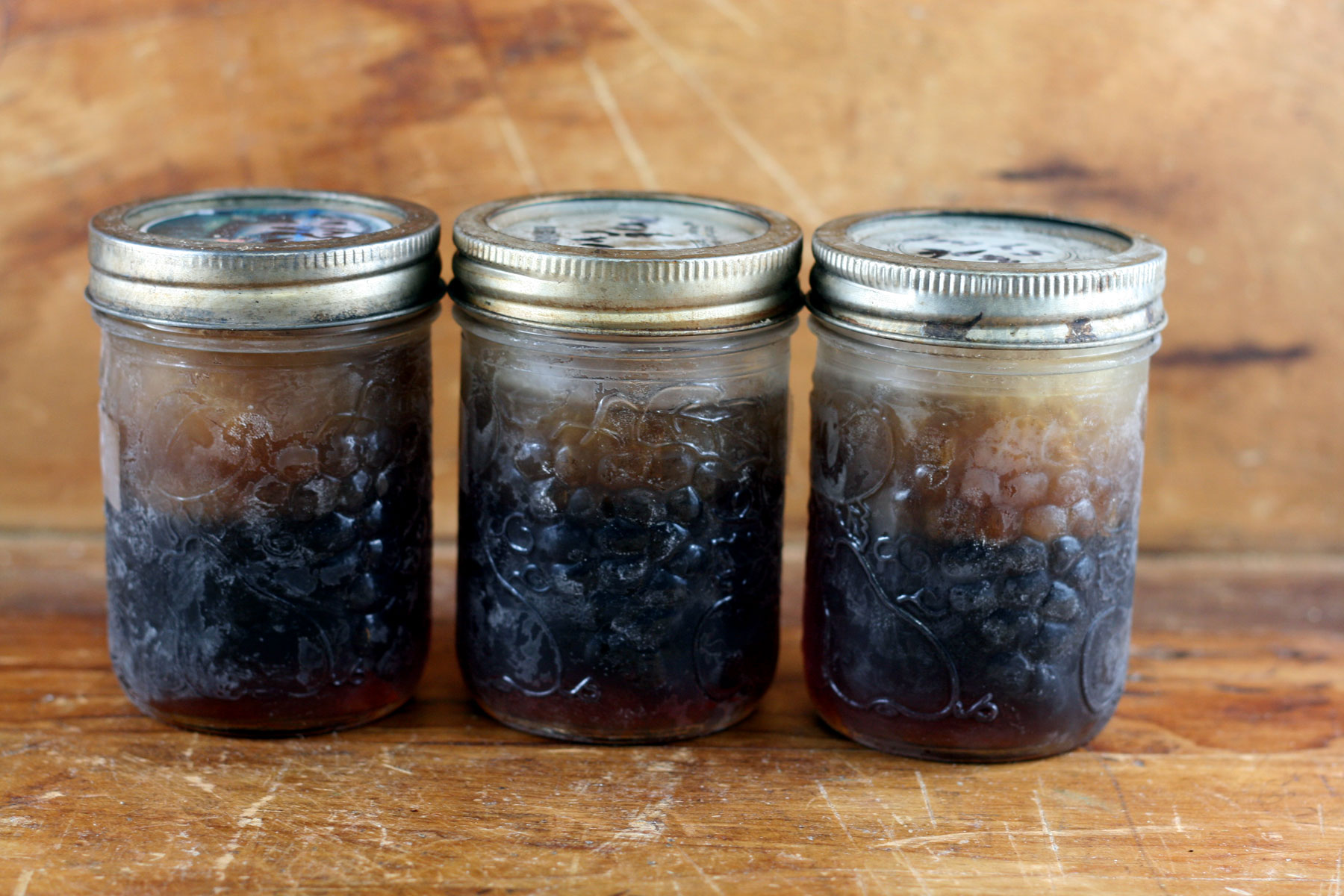
For households that purchase maple syrup in large volumes—such as gallon-sized containers—the most effective method for long-term preservation is freezing. Unlike water, maple syrup does not freeze into a solid, brittle block due to its high sugar concentration. Instead, it becomes highly viscous, taking on a texture similar to chilled honey.
Freezing offers several distinct advantages for the home consumer:
- Absolute Inhibition: Freezing completely halts the growth of all molds and yeast.
- Quality Retention: It preserves the delicate aromatic compounds and the specific "grade" (color and flavor profile) of the syrup better than any other method.
- Flexibility: Maple syrup can undergo multiple freeze-thaw cycles without a degradation in quality, provided that any condensation forming on the surface after thawing is stirred back into the liquid.
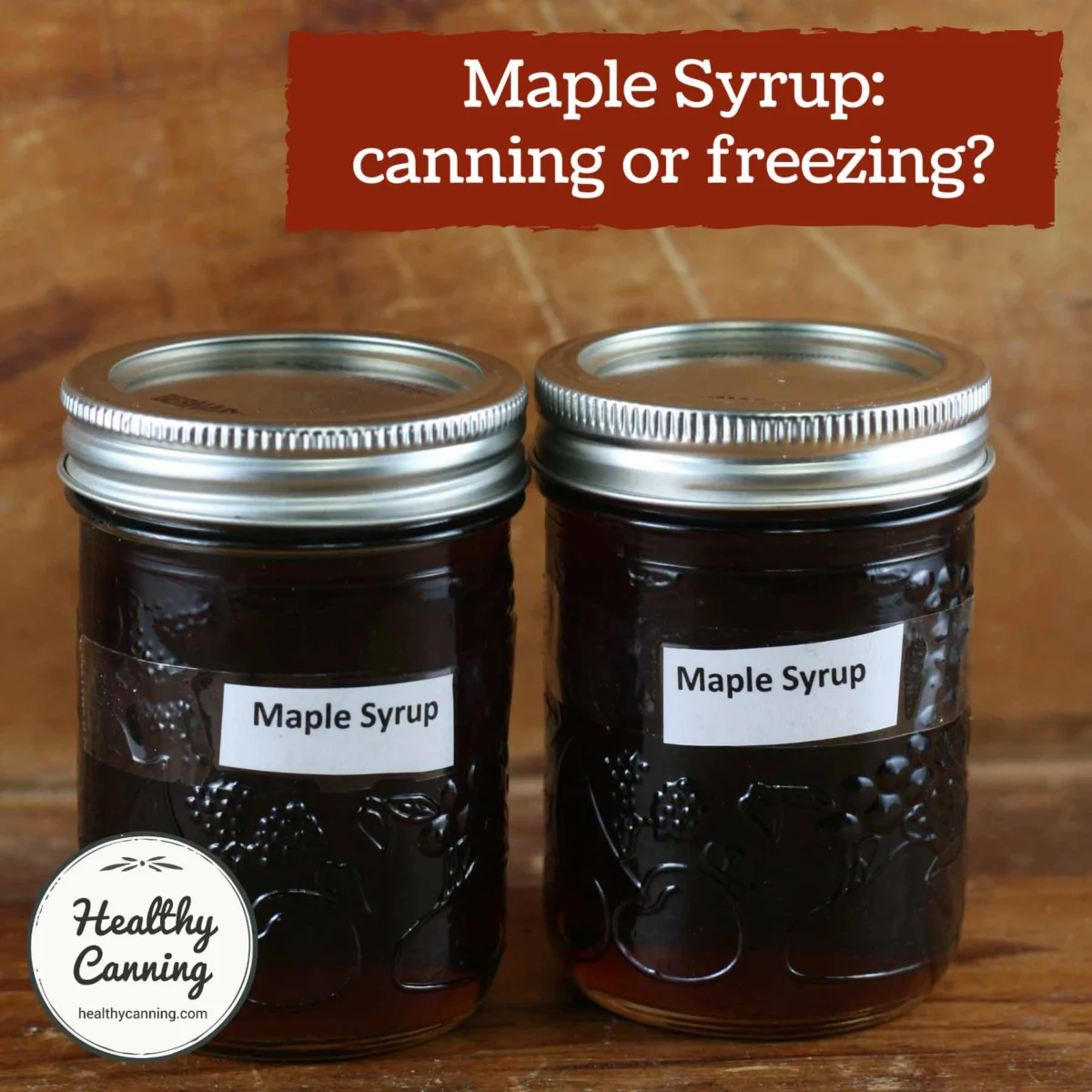
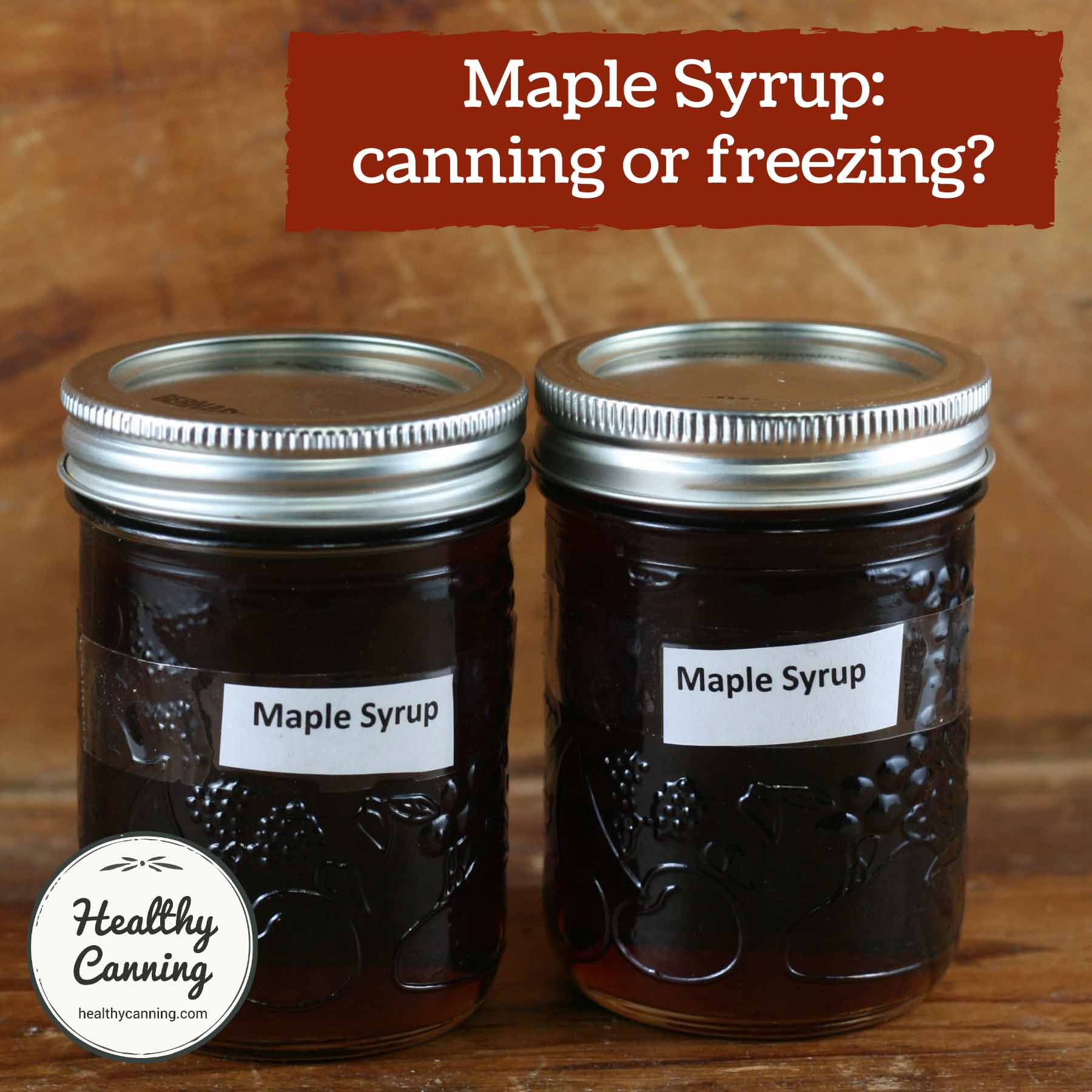
The Ohio State University Extension and Purdue University Extension suggest that for optimal results, syrup should be transferred into glass freezer jars. A headspace of approximately one inch (2.5 cm) should be left at the top to account for the slight expansion of the liquid and to minimize oxygen exposure. While plastic jugs can be used in the freezer for short durations, glass remains the superior choice for preventing the "off-flavors" that can sometimes develop due to plastic’s gas permeability.
The Complexity of Home Bottling and "Hot Packing"
Many home preservers attempt to "re-can" bulk maple syrup into smaller jars to make them shelf-stable at room temperature. However, experts warn that this process is technically "bottling" rather than "canning," as there is no validated water-bath or pressure-canning process for maple syrup.
The industry standard for shelf-stable bottling is known as "hot packing." This involves heating the syrup to a precise temperature range of 82°C to 85°C (180°F to 185°F) before pouring it into pre-heated jars. Once capped, the jars are inverted for five to ten minutes. This "inversion" ensures that the scalding syrup comes into contact with the lid and the neck of the jar, killing any mold spores that may have settled there during the filling process.
Despite its use in commercial settings, hot packing at home carries significant risks to product quality:
- Stack Burn: If the syrup remains at high temperatures for too long after bottling, it undergoes a process called "stack burn," where the residual heat continues to cook the sugars. This darkens the color and imparts a burnt, bitter flavor.
- Sugar Sand (Niter): Heating syrup above 82°C can cause naturally occurring minerals to precipitate out of the liquid, creating a cloudy appearance and a gritty sediment known as "sugar sand." While harmless, it is often unappealing to consumers.
- Weak Vacuum: Unlike traditional canning, hot packing relies on the contraction of the cooling liquid to create a vacuum. This vacuum is often weak and does not guarantee an oxygen-free environment, meaning mold may still develop if the temperature threshold was not perfectly maintained.
Chronology of Quality: A Storage Timeline
To maximize the lifespan of a maple syrup investment, consumers should follow a specific chronology based on the container type and the status of the seal:
- At Purchase (Unopened): Glass or metal containers can be placed in a cool, dark pantry for up to one year. Beige plastic jugs should be moved directly to the refrigerator or freezer.
- Immediately After Opening: The container must be moved to the refrigerator. If the volume is large, it should be decanted into smaller glass jars for freezing.
- Long-Term (6+ Months): Any syrup not intended for use within a six-month window should be stored in the freezer.
- Thawing for Use: When moving syrup from the freezer to the table, it should be allowed to thaw in the refrigerator. If rapid thawing is required, the jar can be placed in a bowl of lukewarm water. Microwaving is discouraged as it can create "hot spots" that alter the syrup’s sugar structure.
Broader Impact and Economic Implications
The preservation of maple syrup is not merely a matter of culinary preference; it is an issue of economic value. As an agricultural product that is highly labor-intensive and climate-dependent, maple syrup prices reflect its status as a premium commodity. Spoilage represents a significant financial loss for the consumer and a waste of the natural resources required to produce the syrup—it takes approximately 40 gallons of sap to produce a single gallon of finished syrup.
Furthermore, as the maple industry faces challenges from shifting climate patterns in the "maple belt" of the Northeastern United States and Eastern Canada, the efficiency of the supply chain from producer to pantry becomes more critical. By employing scientifically backed storage methods—specifically refrigeration for plastic containers and freezing for bulk quantities—consumers can ensure that this seasonal harvest remains a viable and high-quality ingredient throughout the year.
In conclusion, while maple syrup is a robust product, it is not invincible. The transition from a bulk purchase to a long-term pantry asset requires a transition in storage strategy. By moving away from room-temperature shelf storage and toward a "cold-chain" approach involving refrigeration and freezing, the integrity of the maple harvest can be protected for years to come.