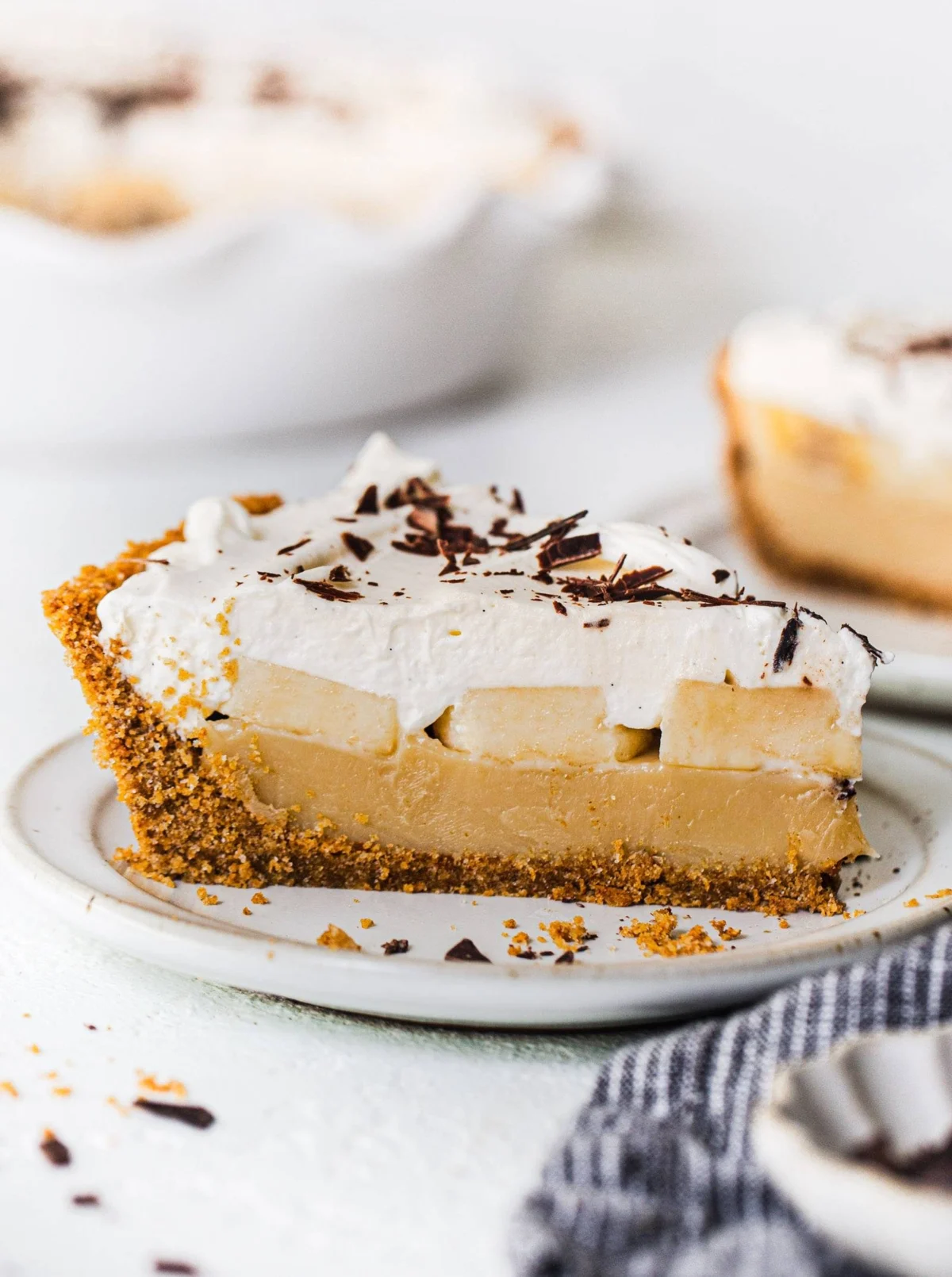

The Banoffee Pie, a quintessential British dessert renowned for its harmonious blend of salty-sweet graham cracker crust, rich caramel toffee filling, fresh sliced bananas, and a generous topping of whipped cream, is experiencing a notable resurgence, cementing its status as a beloved culinary staple. This indulgent creation, once a regional delight, has transcended its origins, finding new acclaim among home bakers and culinary enthusiasts globally, largely propelled by digital media and a renewed appreciation for comforting, accessible gourmet treats. Its recent crowning as the "clear winner" in a dedicated family dessert initiative underscores its universal appeal and capacity to unite people through shared gastronomic pleasure.
The Allure of Banoffee Pie: A Culinary Phenomenon
Originating in the United70s, the Banoffee Pie quickly established itself as a British culinary icon. The dessert is widely credited to Nigel Mackenzie and Ian Dowding, proprietors of The Hungry Monk Restaurant in Jevington, East Sussex, England. Their innovative adaptation of an American toffee pie recipe, incorporating bananas, proved an instant success, leading to its inclusion on their menu and a subsequent surge in popularity across the United Kingdom. The name itself, a portmanteau of "banana" and "toffee," elegantly encapsulates its primary flavor components. Historically, the dessert featured a pastry crust, but over time, the easier-to-prepare graham cracker (or digestive biscuit in the UK) crust gained prominence, contributing to its widespread adoption by home cooks.
The journey of Banoffee Pie from a restaurant specialty to a global sensation has been significantly aided by modern communication channels. Its recent rediscovery by a prominent food blogger, inspired by a viral video from culinary creator Amy Nash, exemplifies how digital platforms like Instagram and TikTok are serving as potent conduits for the dissemination and popularization of classic recipes. This digital exposure has introduced a new generation of bakers to the pie’s layered complexities and straightforward preparation, sparking a renewed interest in its rich heritage and delightful taste profile.
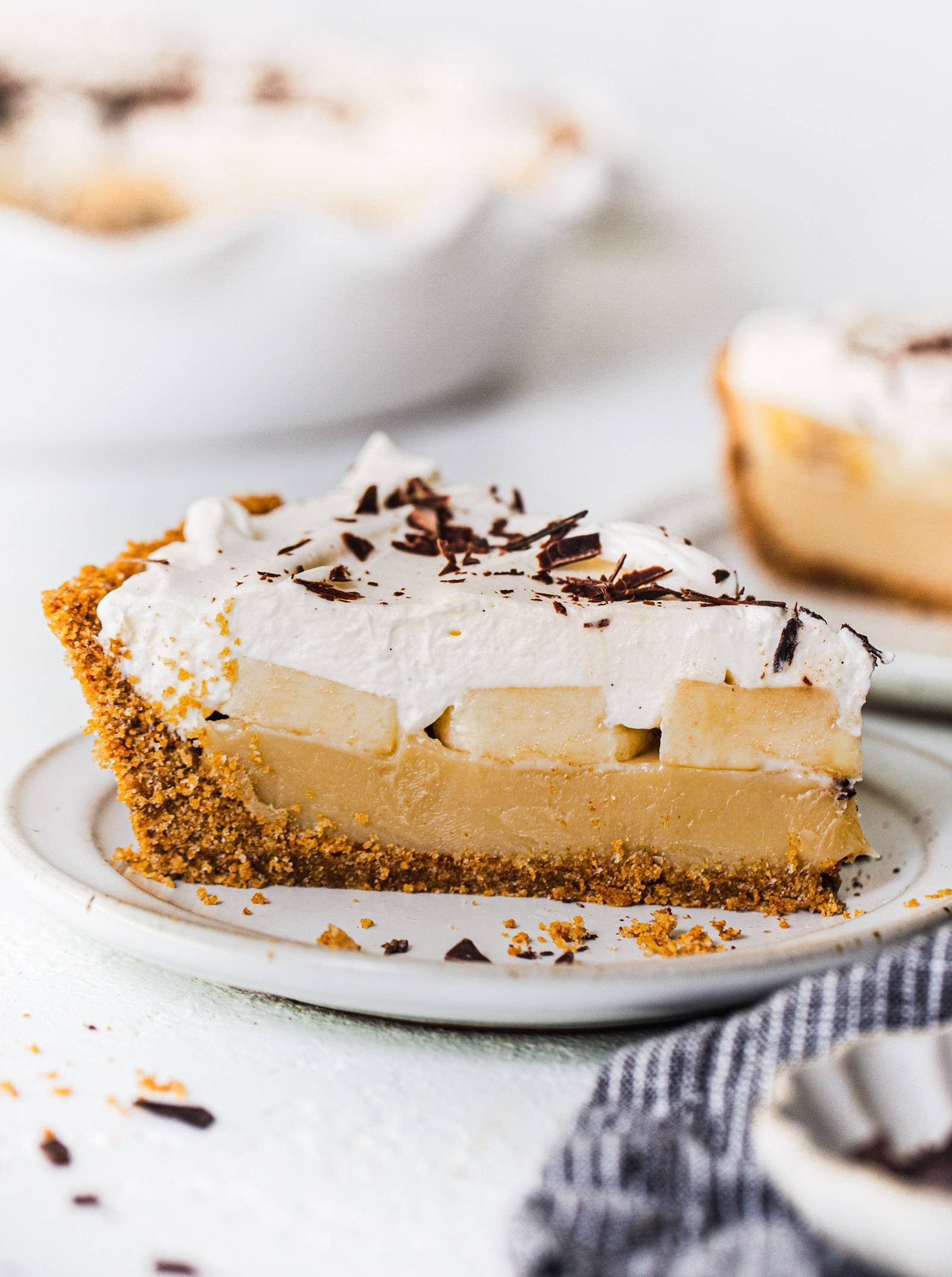
At its core, Banoffee Pie is a masterpiece of textural and flavor contrasts. The foundation is typically a buttery graham cracker crust, offering a salty counterpoint to the sweetness of the subsequent layers. This crust, often baked briefly, provides a satisfying crunch that complements the velvety fillings. Above this lies the star: a thick, silky layer of caramel or toffee. Traditionally made from condensed milk simmered until it caramelizes into a luscious, deep golden hue, this toffee provides intense sweetness and a chewy, smooth consistency. Freshly sliced bananas introduce a natural fruitiness and a soft texture, balancing the richness of the toffee. Finally, a cloud of freshly whipped cream crowns the pie, adding a light, airy finish that cuts through the intensity of the other ingredients. This intricate layering delivers a complex sensory experience – creamy, rich, dense, and perfectly balanced between sweet and subtly salty notes – making it an undeniably captivating dessert.

"Family Dessert Night": A Growing Social Trend
In an increasingly digitized and often disconnected world, initiatives like "Family Dessert Night" represent a powerful counter-trend towards fostering community and connection through shared culinary experiences. For several months, one family has embraced this tradition, dedicating Thursday evenings to preparing and enjoying a new dessert. This ritual, conceived purely for the joy it brings, has evolved into a weekly highlight, serving as both an intimate family gathering and an open invitation for friends, thereby consciously building community around a universal love for sweet treats. Sociologists and lifestyle experts note that such structured family activities are crucial for strengthening interpersonal bonds, creating lasting memories, and providing a consistent platform for social interaction, which can be particularly beneficial in mitigating the effects of modern societal pressures.
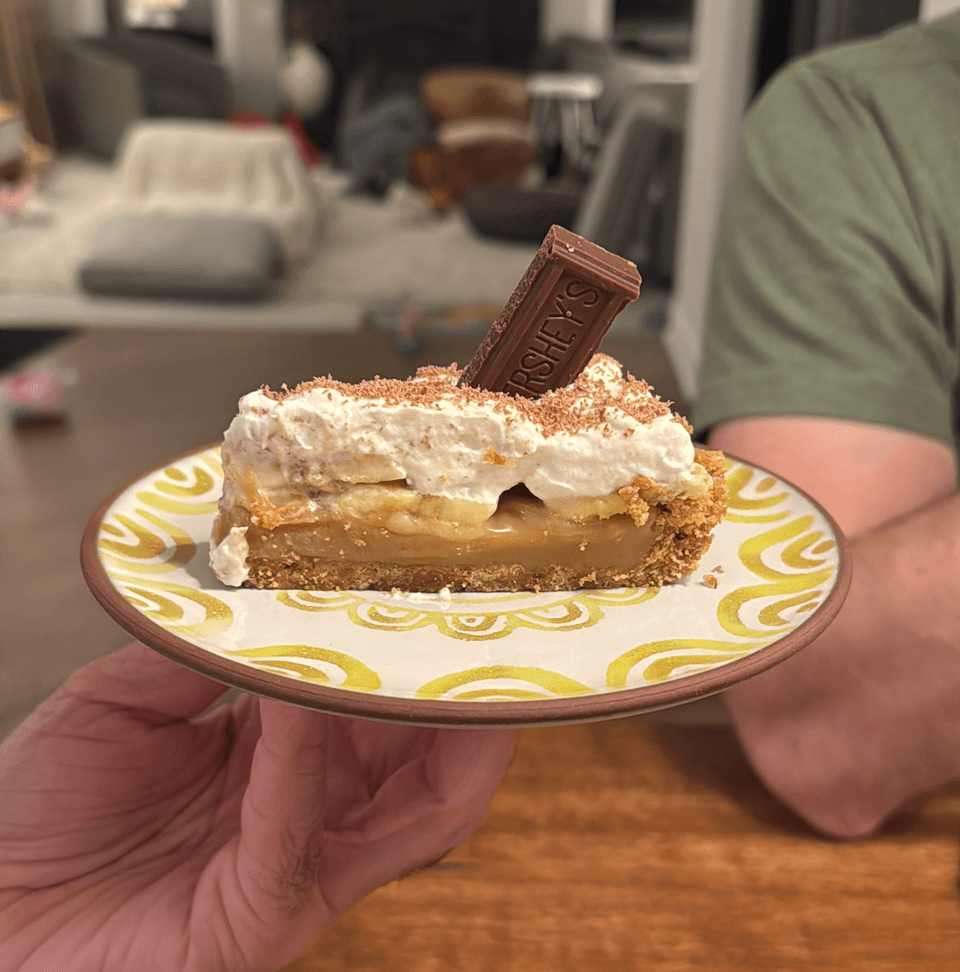
Within this framework of deliberate culinary exploration, the Banoffee Pie has emerged as an undisputed champion. Its overwhelming reception during these "Family Dessert Nights" positions it not merely as a dessert but as a benchmark for home-baked excellence. The consistent enthusiasm it garners underscores its exceptional appeal and versatility, proving it to be a reliable crowd-pleaser that satisfies diverse palates. The presence of a small piece of chocolate, as noted in a recent serving, further illustrates the customizable nature of the dessert, allowing for minor embellishments that enhance its celebratory character. This dessert, while rich and substantial, encourages mindful consumption, with small slices leading to inevitable, joyful revisits to the refrigerator, a testament to its irresistible quality.
Crafting the Perfect Banoffee Pie: A Step-by-Step Culinary Journey
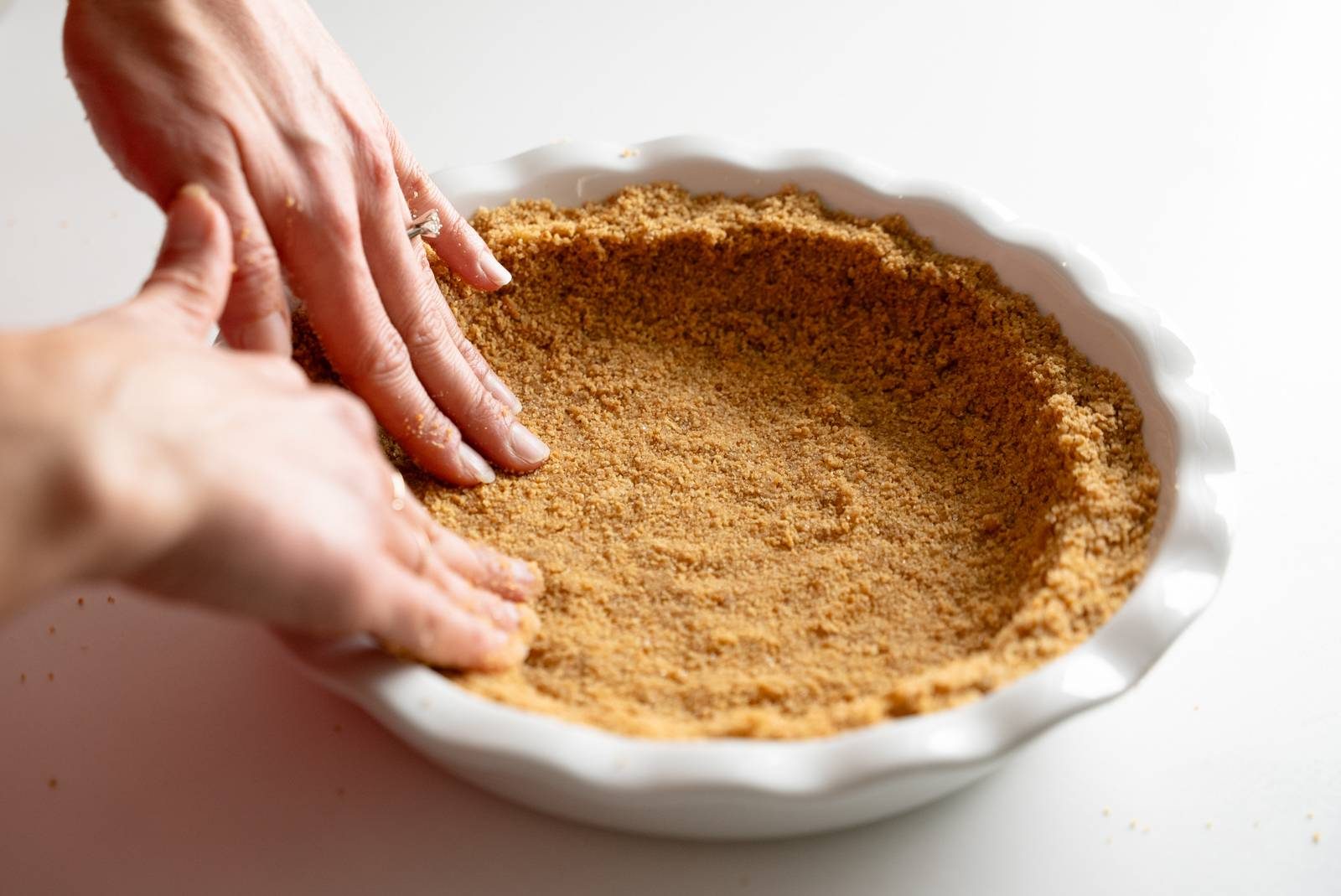
The preparation of Banoffee Pie, while involving distinct steps, is largely accessible to home bakers of varying skill levels. The process begins with the creation of the graham cracker crust, a foundation that is both simple and profoundly satisfying. Crushed graham crackers are typically combined with melted butter and a touch of sugar, then pressed into a pie dish. The act of tasting the warm, buttery crumbs before compaction offers a preview of the delightful texture and flavor to come, emphasizing the sensory journey from the very first step. Baking the crust lightly can enhance its structural integrity and bring out a deeper, toasted flavor.
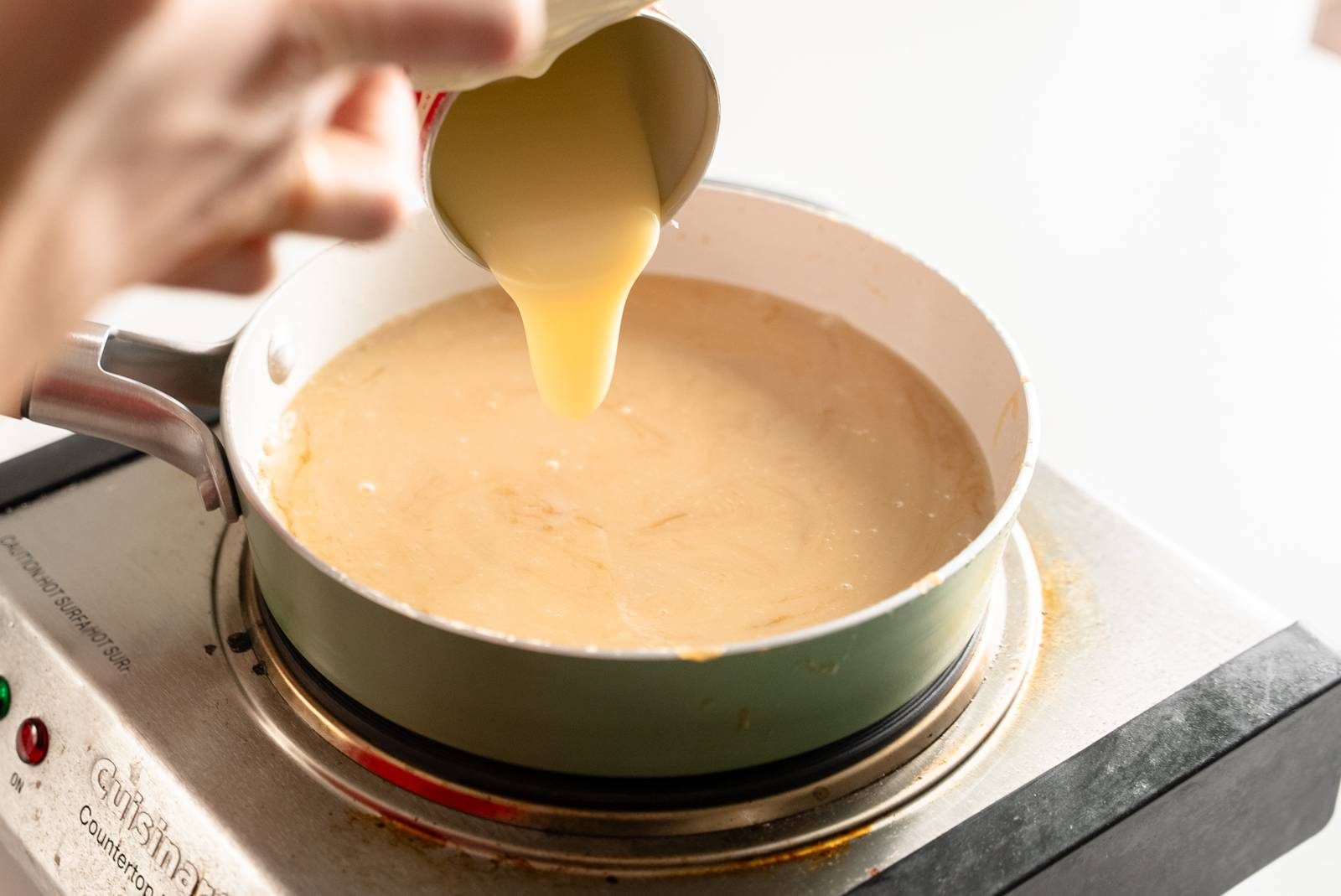
The heart of the Banoffee Pie lies in its toffee layer, a component that demands careful attention but rewards patience. The creation of a smooth, rich toffee from sweetened condensed milk requires a "low and slow" approach, with consistent stirring to prevent scorching and ensure even caramelization. This meticulous process transforms the liquid milk into a thick, golden, and deeply flavored toffee, a testament to the transformative power of heat and time in confectionery. Culinary experts often advise setting timers and maintaining vigilance during this stage to achieve the desired consistency and avoid the formation of unwanted browned bits, though, as some bakers note, these minor imperfections can often add to the rustic charm and flavor.

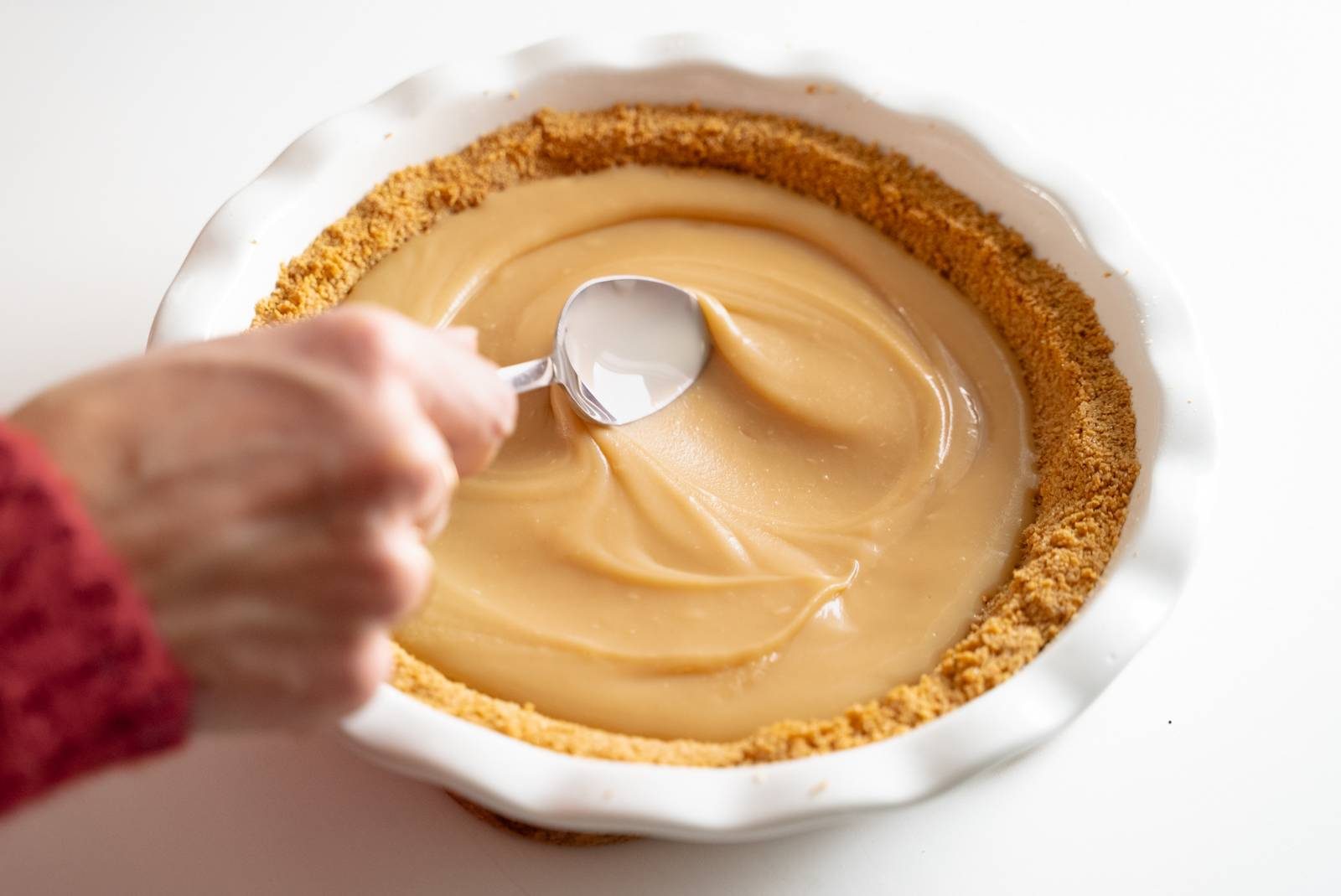
Once the toffee has reached its ideal consistency and the crust has cooled, the assembly begins. Pouring the warm, glossy toffee into the prepared crust is described as a satisfying moment, marking the transition from individual components to a cohesive whole. The pie is then typically chilled, allowing the toffee to set and integrate with the crust, forming a stable base for the subsequent layers. The final stages involve layering generous slices of fresh bananas over the set toffee, followed by a generous spreading of freshly whipped cream. The visual contrast between the golden toffee, pale yellow bananas, and pristine white cream is as appealing as the flavors themselves, making the pie a feast for both the eyes and the palate. The culmination of these steps results in a dessert that, when sliced, presents clean, defined layers, yet remains soft and yielding to the fork, promising a truly enjoyable eating experience.
Expert Insights and Culinary Trends
The enduring appeal of Banoffee Pie can be contextualized within broader culinary trends. The current landscape sees a significant inclination towards comfort foods – dishes that evoke nostalgia, provide a sense of security, and offer straightforward, undeniable pleasure. Banoffee Pie fits this profile perfectly, offering a familiar yet luxurious experience. Culinary commentators suggest that in times of economic uncertainty or social flux, consumers often gravitate towards foods that offer sensory comfort and a sense of indulgence without excessive complexity or pretension.
Furthermore, the rise of "accessible gourmet" is a defining characteristic of contemporary home baking. Enthusiasts are increasingly seeking recipes that deliver impressive, restaurant-quality results using readily available ingredients and manageable techniques. Banoffee Pie, with its relatively simple ingredient list and sequential assembly, aligns perfectly with this trend, empowering home cooks to create sophisticated desserts without requiring highly specialized skills or equipment. The emphasis on fresh, quality ingredients—from ripe bananas to good quality cream—is paramount for achieving the optimal flavor and texture that elevates this dessert from good to truly exceptional.
Practical Considerations and Optimization
For those keen on mastering the Banoffee Pie, a structured timeline can be invaluable. A typical preparation schedule might involve making the graham cracker crust and baking it a day in advance, or at least several hours before assembly, to ensure it is completely cooled. The toffee layer can also be prepared ahead of time and allowed to cool, though some prefer to pour it warm. The final assembly, including slicing bananas and whipping cream, is best done on the day of serving to ensure peak freshness and presentation. The chilling period after assembly is crucial for the pie to set properly, typically requiring a minimum of 2-4 hours, or preferably overnight, to allow the flavors to meld and the structure to firm up for clean slicing.
Regarding storage and leftovers, while Banoffee Pie is undeniably delicious when cold, it is important to note certain characteristics. When refrigerated overnight, the bananas may begin to brown slightly, and both the bananas and whipped cream can release a small amount of liquid, potentially affecting the pie’s pristine appearance and crispness of the crust. For optimal aesthetic appeal and texture, it is often recommended to assemble and serve the pie on the same day. However, leftover slices, despite minor changes in appearance, remain perfectly edible and often equally delicious, offering a convenient treat for subsequent enjoyment. Minor browning of caramel flecks in the toffee layer, a natural consequence of the caramelization process, is also a common occurrence and does not detract from the pie’s flavor or quality.
Broader Implications: Dessert as a Catalyst for Connection
Beyond its delectable taste, Banoffee Pie, and indeed the broader practice of home baking and communal eating, carries significant societal implications. It exemplifies the enduring power of food as a catalyst for human connection, cultural transmission, and the creation of cherished memories. In an era where digital interactions often overshadow face-to-face engagements, the deliberate act of preparing and sharing a meal, particularly a celebratory dessert, offers a tangible way to strengthen interpersonal bonds. The "community challenge" associated with sharing this recipe encourages individuals to engage in this heartwarming practice, transforming a simple recipe into an opportunity for social enrichment.
The Banoffee Pie, with its rich history, accessible preparation, and undeniably satisfying flavor profile, stands as a testament to the enduring charm of classic desserts. Its journey from a British restaurant special to a globally rediscovered favorite, championed by digital media and family traditions, underscores its universal appeal. It is more than just a dessert; it is an invitation to create, to share, and to connect, cementing its place as a truly celebratory and beloved culinary creation that continues to bring joy and foster community wherever it is served.