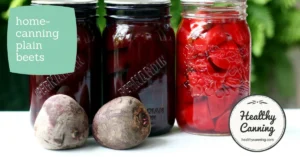

Home food preservation has seen a significant resurgence in recent years as consumers seek to control their food sources and reduce reliance on commercially processed goods. Among the most versatile root vegetables for long-term storage is the beet, known as beetroot in many parts of the world. While the process of canning beets offers a convenient way to enjoy this nutrient-dense vegetable throughout the winter months, it is a procedure governed by strict scientific protocols established by the United States Department of Agriculture (USDA) and the National Center for Home Food Preservation (NCHFP). For plain beets, the only safe method for home canning is the use of a pressure canner, a requirement that stands as a critical barrier against the life-threatening risks of foodborne illness.
The Science of Low-Acid Food Preservation
The primary concern in home canning is the prevention of botulism, a rare but severe paralytic illness caused by a nerve toxin produced by the bacterium Clostridium botulinum. This bacterium thrives in the moist, oxygen-free environment inside a sealed canning jar. Because beets are a low-acid vegetable—typically possessing a pH level between 5.3 and 6.6—they do not contain enough natural acidity to inhibit the growth of C. botulinum spores.

While boiling water (212°F or 100°C) is sufficient to kill the vegetative cells of the bacteria, it is incapable of destroying the spores. These spores can only be neutralized at temperatures of 240°F (116°C) or higher, which can only be achieved under pressure. Consequently, the USDA explicitly mandates that plain beets must be processed in a pressure canner. This is contrasted with pickled beets, which can be safely processed in a boiling water bath because the addition of vinegar increases the acidity to a level (pH 4.6 or lower) that prevents spore germination.
Technical Specifications for Pressure Canning Beets
Success in canning plain beets depends on meticulous adherence to tested recipes and processing times. The following guidelines represent the standard for ensuring both safety and product quality.
Preparation and Quantities
To achieve a yield of one liter (one US quart), a home canner should expect to use approximately 1.25 kilograms (3 pounds) of raw beets. For a full canner load of seven quarts, roughly 9.5 kilograms (21 pounds) of produce is required. When selecting beets, uniformity is key. Smaller beets, less than two inches (5 cm) in diameter, may be canned whole, while larger specimens should be sliced or cubed to ensure heat penetrates the center of the food during processing.
The Processing Procedure
- Pre-cooking: Beets must be pre-cooked until the skins slip off easily. This is typically done by leaving one inch of the stem and the entire root intact to minimize color bleeding, then boiling for 15 to 25 minutes depending on size.
- Peeling and Packing: After the skins are removed and the stems/roots are trimmed, the beets must be packed into jars while hot. The USDA recommends a "hot pack" method for beets because of their firm flesh.
- Headspace: A headspace of 3 cm (1 inch) must be maintained between the top of the food/liquid and the lid. This space is essential for the jar to vent properly and form a vacuum seal.
- Pressure Settings: For weighted-gauge canners, 10 pounds of pressure (69 kPa) is standard at altitudes below 1,000 feet. For dial-gauge canners, 11 pounds (76 kPa) is required.
- Processing Time: Half-liter (pint) jars require 30 minutes of processing, while one-liter (quart) jars require 35 minutes.
A Chronology of Safety Standards and Historical Context
The evolution of beet canning instructions reflects the broader history of food science in the 20th century. As early as 1926, the USDA began issuing warnings regarding the water-bath canning of non-acid vegetables. In Farmers’ Bulletin No. 1471, the department noted that "because of spoilage difficulties and the risk of poisoning… the department recommends the canning of such vegetables with the steam-pressure canner."
However, this timeline was not without its deviations. During the Second World War, resource shortages led to a temporary lapse in standardized safety messaging. In 1944, some university extension bulletins promoted an "acid method" for beets, suggesting that the addition of a small amount of vinegar would allow for safe processing in a boiling water bath for 90 minutes. This advice was later proven dangerous, as the amount of vinegar recommended was insufficient to lower the pH to a safe level, and the processing time was inadequate to kill spores.
Modern food historians and safety experts point to the period between 1990 and 2012 as a cautionary era. During these two decades, at least ten cases of botulism in the United States were traced specifically to home-canned beets that had been water-bathed rather than pressure-canned. These incidents underscore the fact that historical methods, while traditional, are not always scientifically sound.

Quality Indicators and Aesthetic Considerations
Beyond safety, the quality of canned beets is judged by their color, clarity, and texture. The red pigments in beets, known as betalaines, are highly sensitive to heat. It is a common phenomenon for beets to lose their vibrant color immediately after pressure canning, sometimes appearing pale or even greyish.
The Betalaine Reaction
According to food scientists at the Penn State Extension, the transformation of betalaines into colorless compounds during high-heat processing is often reversible. It is frequently observed that the color of the canned product will return to a deeper red after several days of storage at room temperature. To mitigate initial color loss, experts suggest:
- Selecting specific varieties known for heat stability, such as ‘Detroit Dark Red’ or ‘Formanova.’
- Ensuring the beets are peeled, as skins can harbor bacteria and contribute to off-flavors.
- Avoiding over-processing, which can lead to a "fibrous" texture, especially in beets larger than three inches in diameter.
Judging Criteria
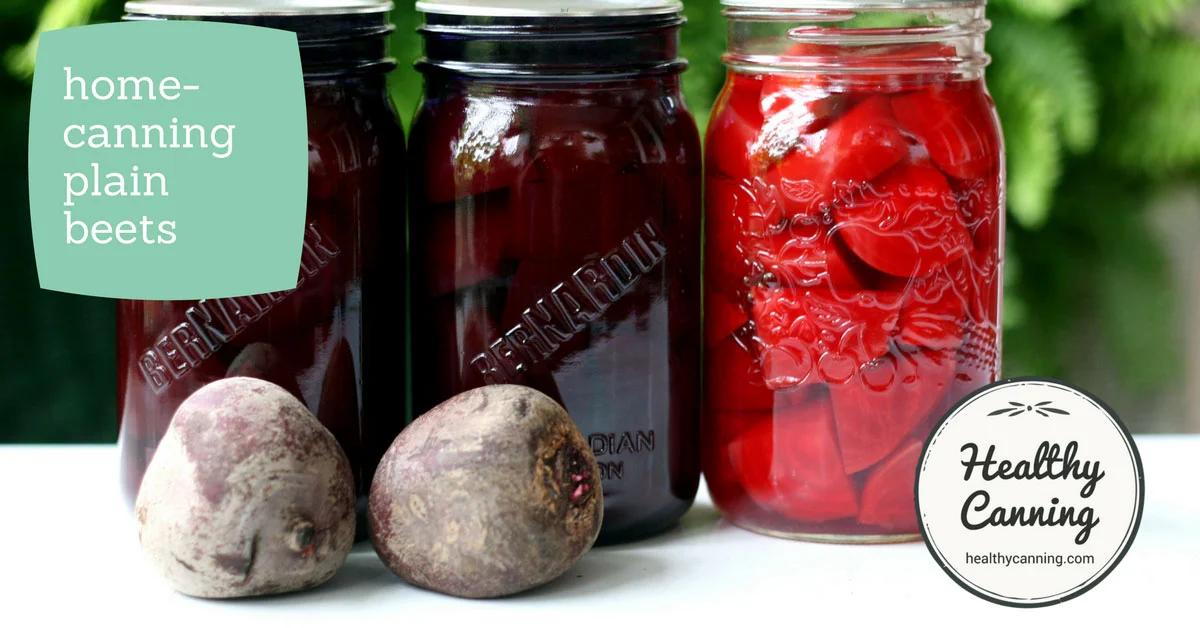
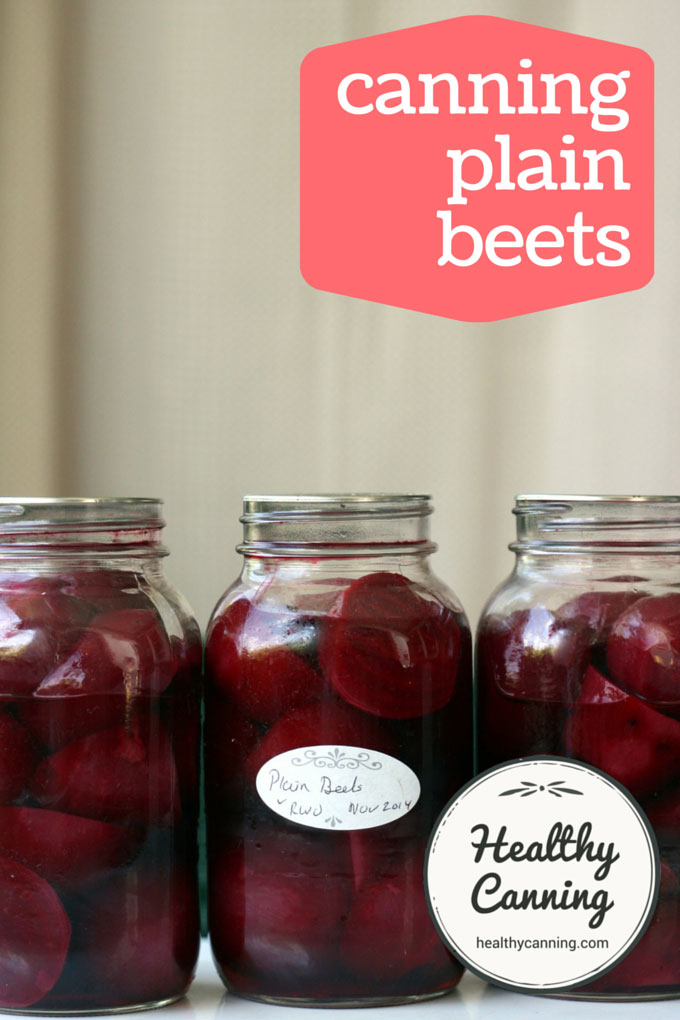
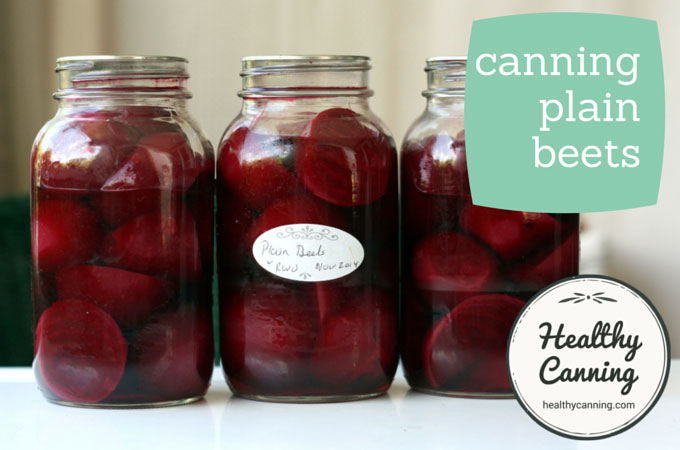
For those participating in agricultural fairs or seeking professional-grade results, the NCHFP provides specific judging criteria. High-quality canned beets should exhibit a dark, even color without white rings. The liquid in the jar should be sparkling clear and red, with no evidence of cloudiness or sediment, which could indicate spoilage or the use of hard water.
Nutritional Profile and Health Implications
Canned beets remain a nutritional powerhouse. A 250-gram serving of home-canned beets provides approximately 124 calories, 4 grams of protein, and nearly 30 grams of carbohydrates. They are an excellent source of dietary fiber and are naturally low in fat and sodium (unless salt is added for seasoning).
From a health perspective, beets are rich in folate (Vitamin B9), which is essential for cell growth and function, and manganese, which contributes to bone formation and nutrient metabolism. The preservation of these nutrients through pressure canning allows households to maintain a high-quality diet during the off-season. Furthermore, because the salt used in canning is for seasoning rather than preservation, home canners have the option of producing salt-free versions, a significant advantage for individuals managing hypertension.
Broader Impact on Food Security and Safety
The insistence on pressure canning for plain beets is part of a larger effort by organizations like the USDA and the CDC to modernize home food preservation. By providing evidence-based guidelines, these agencies empower individuals to build food self-sufficiency without compromising public health.

The implications of ignoring these standards are severe. Botulism outbreaks, while rare, place an immense strain on healthcare systems and can be fatal if not treated with antitoxins immediately. The consensus among food safety professionals is clear: there is no room for experimentation when it comes to low-acid canning.
As the global community continues to face fluctuations in food supply chains, the ability to safely preserve produce like beets becomes an invaluable skill. However, this skill must be rooted in the understanding that the "old ways" are only superior when they align with modern thermal processing science. Whether served simply with a dash of dill or used as a base for traditional borscht, home-canned beets represent a marriage of agricultural tradition and rigorous scientific safety.