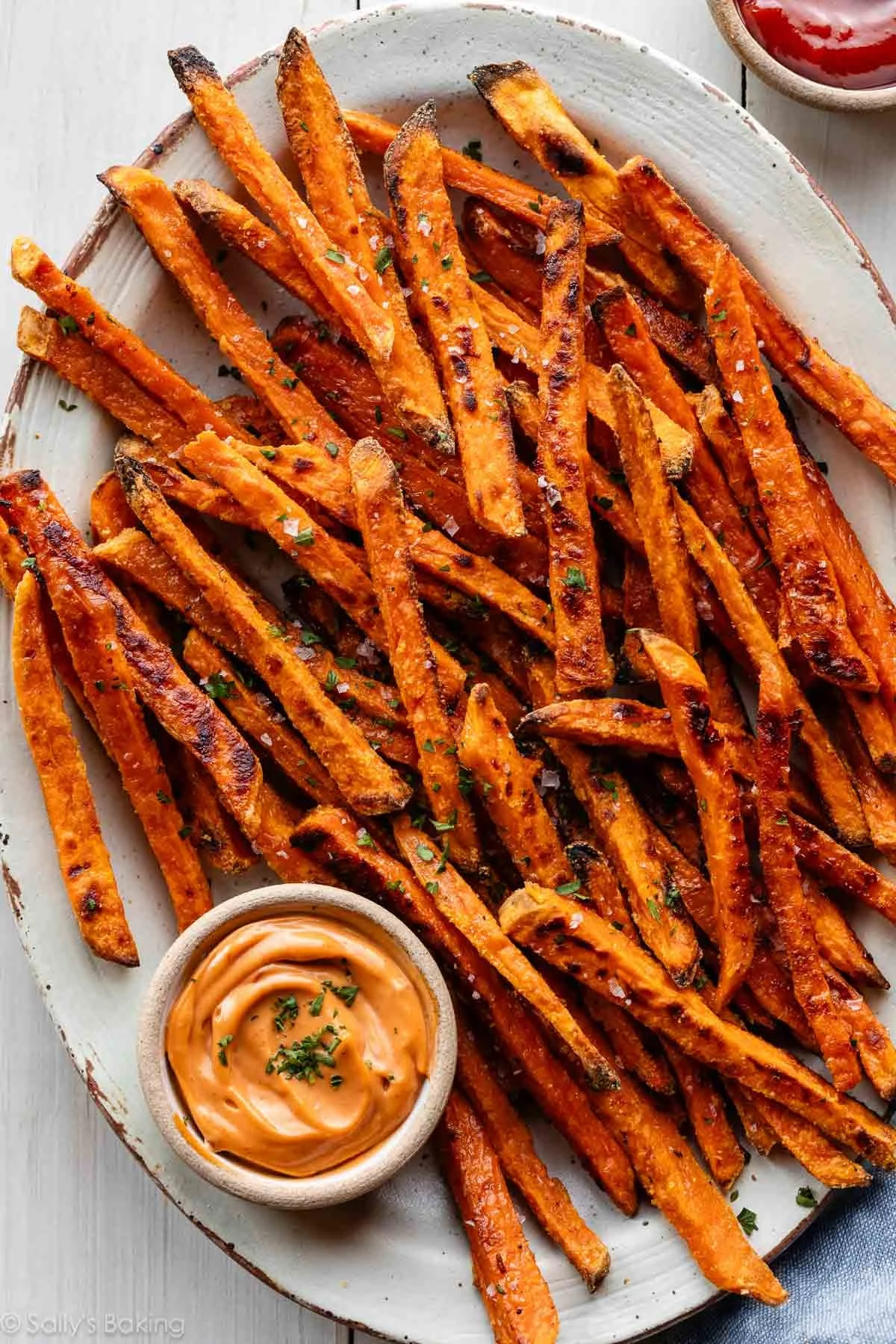

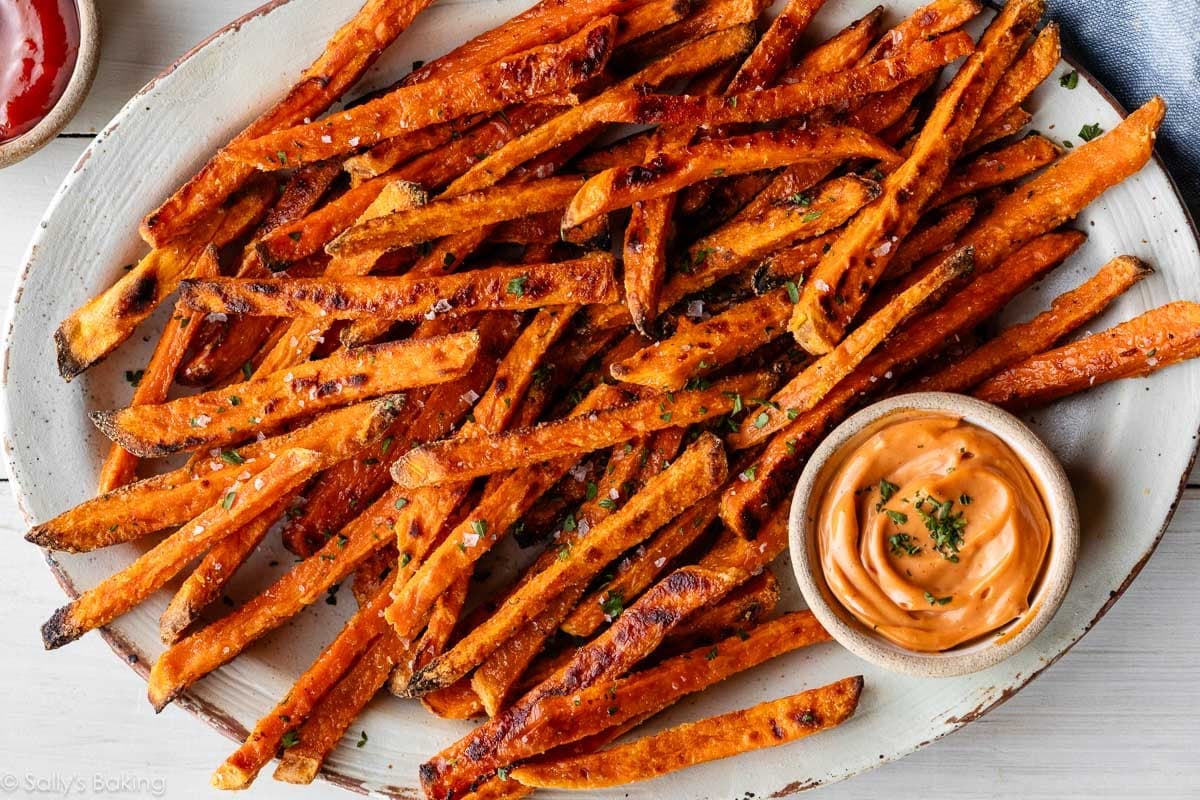
The enduring quest for perfectly crispy baked sweet potato fries, a challenge owing to the root vegetable’s inherent moisture, has found its definitive answer in a series of accessible yet scientifically grounded culinary techniques. This staple recipe, lauded for its versatility and health benefits, has seen iterative refinement, culminating in methods that promise golden-brown exteriors and tender interiors without the need for deep frying. This culinary breakthrough, initially documented and continuously updated since its first publication in 2013, addresses a common frustration for home cooks: the pervasive issue of soggy sweet potato fries that often emerge from the oven.
The Persistent Pursuit of Crispness: A Culinary Conundrum
For years, home cooks have grappled with the elusive crispness when baking sweet potato fries. Unlike their white potato counterparts, sweet potatoes possess a higher moisture content and a greater concentration of natural sugars, factors that significantly complicate the crisping process. When baked without proper technique, this moisture tends to steam the fries rather than roast them, leading to a limp, unappetizing texture. This culinary conundrum has driven the development of specific strategies designed to counteract these inherent properties.
The core solutions identified and refined over time involve a judicious application of cornstarch, the utilization of high oven temperatures, and meticulous attention to spacing on the baking sheet. These three pillars form the bedrock of successful crispy sweet potato fry preparation, transforming a notoriously tricky side dish into a consistently achievable culinary delight. The initial iteration of this recipe in 2013 laid the groundwork, and subsequent updates have incorporated new photographic guidance, additional success tips, and crucial instructions for leveraging modern kitchen appliances like the air fryer, reflecting an ongoing commitment to culinary excellence and accessibility for the home chef.
A Deep Dive into the Science of Sweet Potato Preparation
Understanding the scientific principles behind achieving crispy sweet potato fries is key to consistently excellent results. The distinct composition of sweet potatoes necessitates a targeted approach.
Botanical and Nutritional Profile: Sweet potatoes (Ipomoea batatas) are distinct from regular potatoes (Solanum tuberosum). Botanically, they are root vegetables, while regular potatoes are tubers. Nutritionally, sweet potatoes are renowned for their rich content of beta-carotene, a precursor to Vitamin A, essential for vision and immune function. A single medium sweet potato can provide over 400% of the daily recommended intake of Vitamin A. They are also excellent sources of Vitamin C, manganese, potassium, and dietary fiber, contributing to digestive health and satiety. Their natural sugars, while contributing to their delightful flavor, also caramelize at high temperatures, adding to their browning potential. However, this higher sugar content, coupled with more moisture, requires careful management to prevent burning before crisping.
The Cornstarch Catalyst: The introduction of a light cornstarch coating is perhaps the most critical innovation in this recipe. Cornstarch, a complex carbohydrate derived from corn, is highly hygroscopic, meaning it readily absorbs moisture. When applied to the raw sweet potato strips, it acts as a desiccant, drawing out surface moisture. Upon exposure to high heat, this cornstarch layer rapidly gelatinizes and then dehydrates, forming a thin, crisp shell around each fry. This barrier not only enhances crispness but also helps protect the interior from overcooking while the exterior develops its desired texture and color. Without cornstarch, the evaporating moisture from the sweet potatoes would likely create steam, hindering the Maillard reaction and leading to a softer, less appealing exterior.
The Power of High Heat: Baking sweet potato fries at a sufficiently high temperature, typically around 400-425°F (200-220°C), is paramount. High heat accelerates the evaporation of moisture from the sweet potatoes’ surface. More importantly, it facilitates the Maillard reaction, a complex series of chemical reactions between amino acids and reducing sugars that gives browned food its distinctive flavor and color. This reaction occurs optimally at higher temperatures, creating the desirable golden-brown crust and savory notes. Lower temperatures would prolong cooking times, allowing the interior to become mushy before the exterior crisps, or simply result in inadequate browning. Culinary experts often emphasize the principle that rapid, intense heat is crucial for achieving crisp textures in vegetables with high water content.
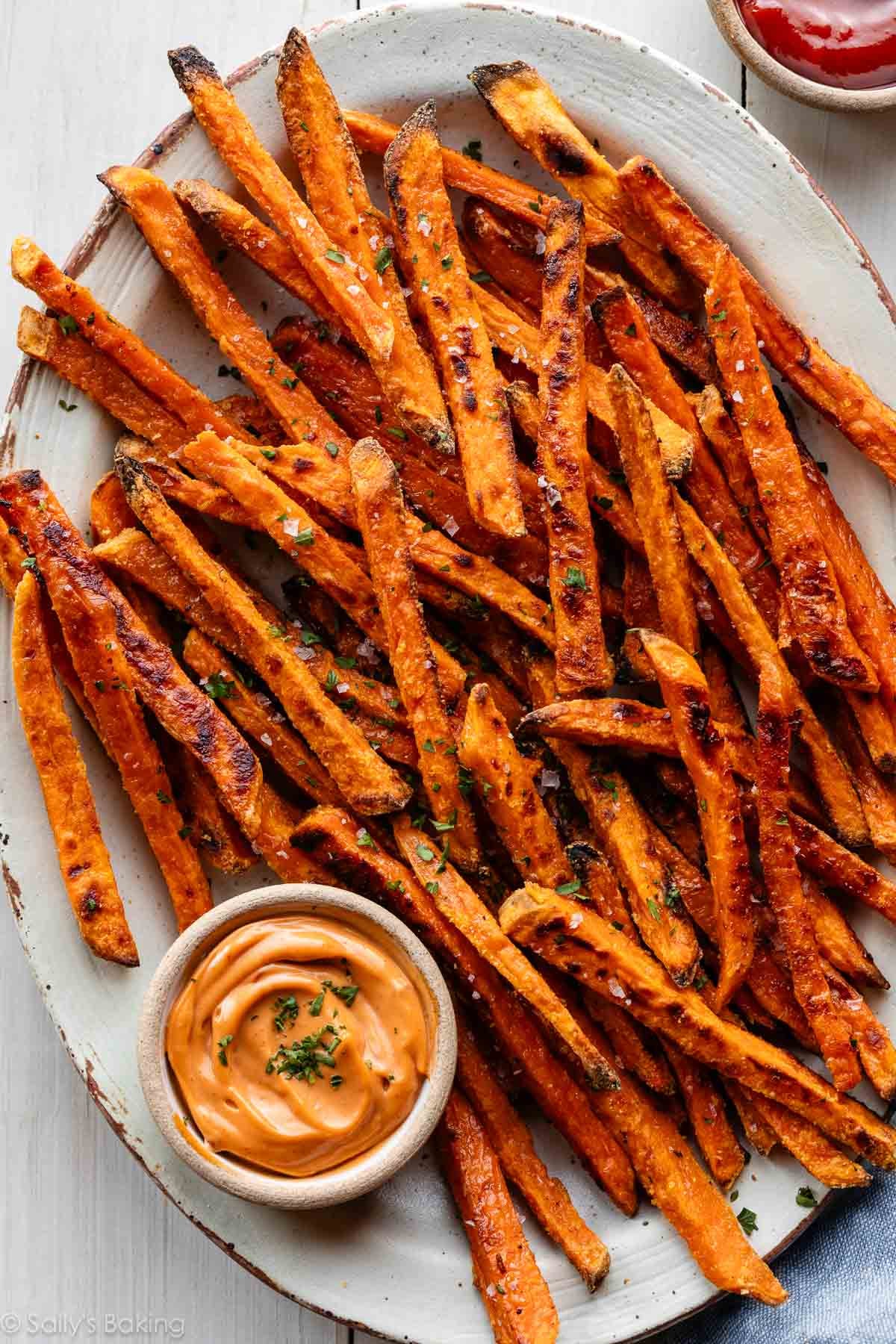
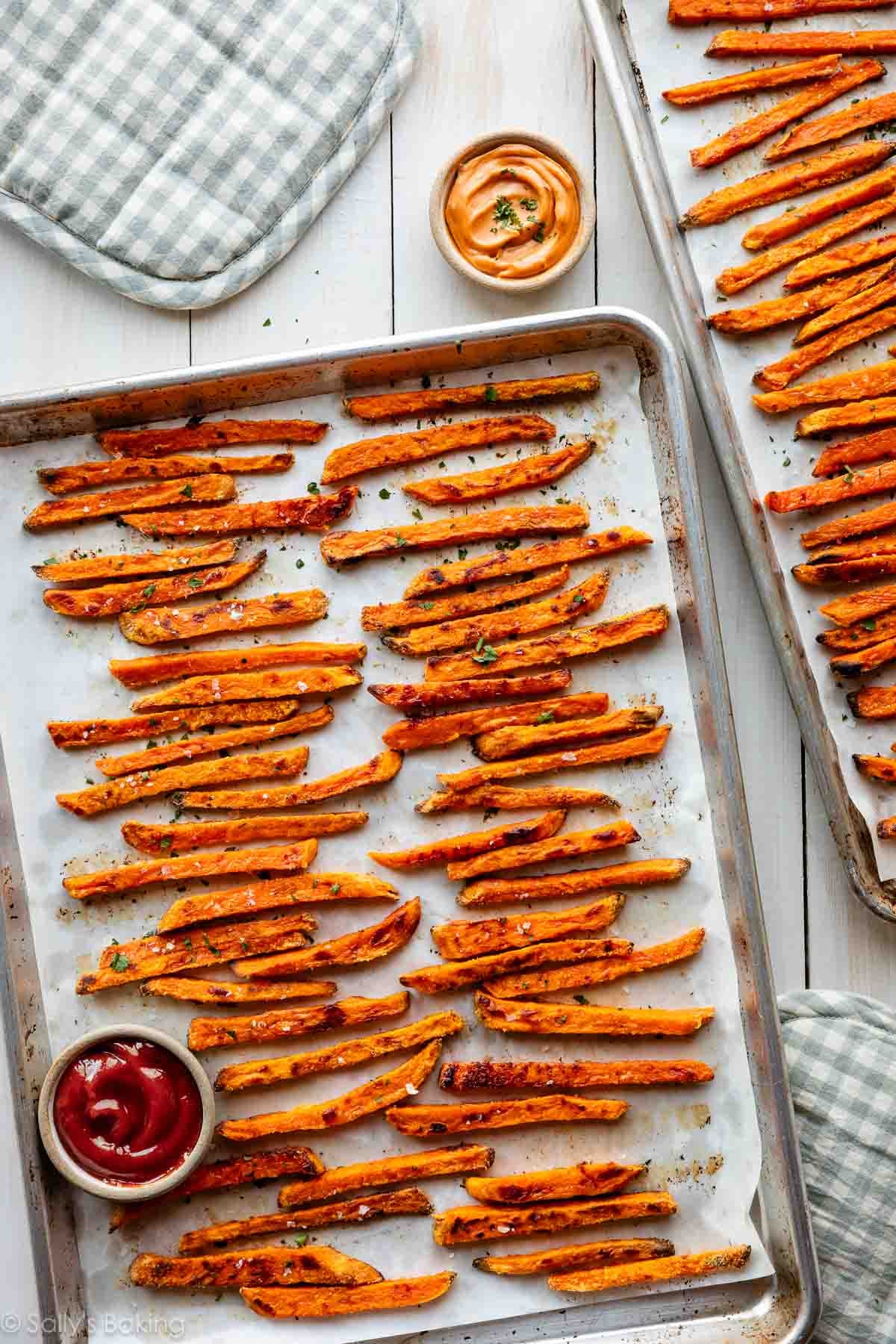
Optimizing Airflow: The importance of arranging sweet potato fries in a single layer with ample space between each piece cannot be overstated. This seemingly minor detail is fundamental to preventing steaming. When fries are crowded on a baking sheet, the moisture they release during cooking gets trapped, creating a steamy microenvironment that inhibits browning and crisping. Instead of roasting, the fries essentially steam in their own moisture, resulting in a soft, unappealing texture. By ensuring sufficient airflow around each fry, the released moisture can evaporate freely, allowing the high heat to directly interact with the potato surface, promoting even dehydration and crisping. This principle is a cornerstone of professional kitchen practices for achieving superior texture in roasted vegetables.
Evolution of the Recipe: From Oven to Air Fryer
The evolution of this sweet potato fry recipe reflects broader trends in home cooking, emphasizing efficiency, health, and convenience.
Traditional Baking Methods and Refinements: The initial recipe published in 2013, while effective, has benefited from continuous refinement. Early attempts by home cooks often involved simple oil and seasoning, leading to the aforementioned soggy results. The critical addition of cornstarch marked a significant leap forward. Subsequent updates have focused on refining the cutting technique for uniformity, emphasizing the correct order of ingredient application (cornstarch before oil), and providing detailed guidance on oven dynamics, such as rotating pans and flipping fries mid-bake to ensure even exposure to heat and prevent localized burning. These iterative improvements are a testament to the community-driven nature of culinary knowledge, where shared experiences and feedback lead to increasingly robust recipes.
The Rise of the Air Fryer: The advent and widespread adoption of air fryer technology represent a modern advancement in achieving crispy textures with minimal oil. Air fryers operate on the principle of powerful convection heating, circulating extremely hot air rapidly around the food. This intense, direct, and continuous airflow mimics the effects of deep frying by efficiently removing surface moisture, leading to exceptionally crispy results in a shorter amount of time.
Comparative Analysis: Oven vs. Air Fryer:
- Crispiness: Air fryers generally produce a superior crispness due to their more concentrated and efficient hot air circulation. The smaller cooking chamber and powerful fan create a more uniform and intense browning environment.
- Cooking Time: Air fryers typically cook sweet potato fries significantly faster than conventional ovens, often reducing the time by 30-50%. This speed is a major advantage for busy individuals.
- Capacity: Conventional ovens offer greater capacity, allowing for larger batches of fries to be cooked simultaneously on multiple baking sheets. Air fryers, especially smaller models, are limited by their basket size, often requiring cooking in multiple small batches.
- Energy Efficiency: For smaller batches, an air fryer can be more energy-efficient than preheating and running a large oven. However, for larger family-sized portions, the oven might still be more practical despite the longer preheat.
- Texture Uniformity: While both methods aim for crispness, the air fryer’s intense circulation often leads to more uniform browning across all surfaces, provided the basket is not overcrowded and fries are shaken periodically. Oven baking requires flipping and pan rotation to achieve similar uniformity.
Ultimately, the choice between oven and air fryer depends on factors like desired crispness level, batch size, available time, and kitchen equipment. Both methods, when executed correctly, yield flavorful, perfectly cooked sweet potato fries, underscoring the recipe’s adaptability.
Methodology for Achieving Optimal Results
Executing this recipe demands attention to detail at each stage, from preparation to baking.
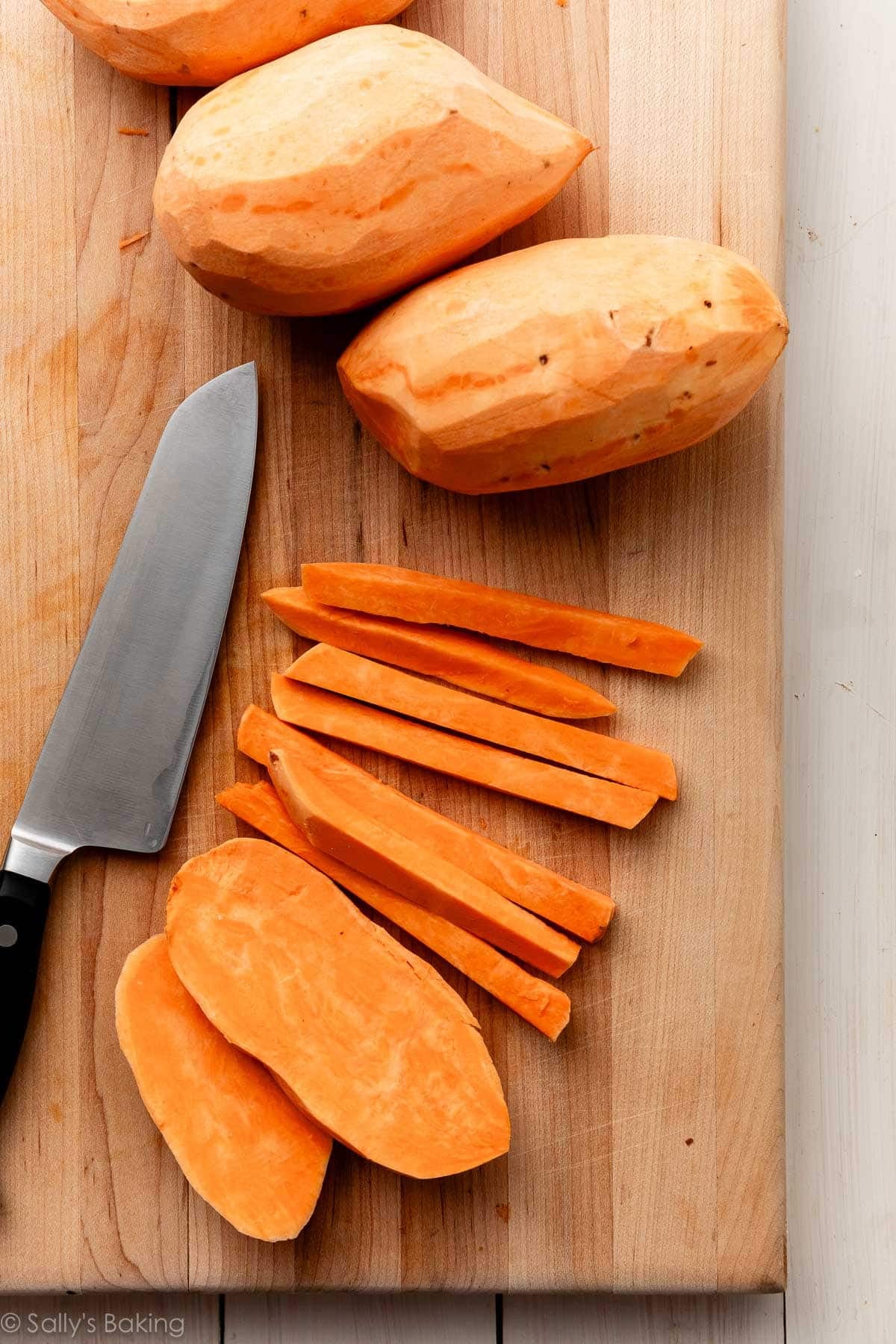
Precision in Preparation: The initial step involves washing and optionally peeling the sweet potatoes. While peeling is aesthetic, leaving the skin on adds fiber and nutrients. The critical element here is cutting. Uniformity is paramount: fries should be cut into roughly 1/4-inch wide strips. Inconsistent sizes will lead to uneven cooking, with thinner pieces burning while thicker ones remain undercooked or soft. While perfection is not necessary, aiming for similar dimensions ensures that all fries cook at approximately the same rate, contributing to overall crispness and tenderness. A very sharp knife is recommended to achieve clean cuts and reduce the risk of injury.
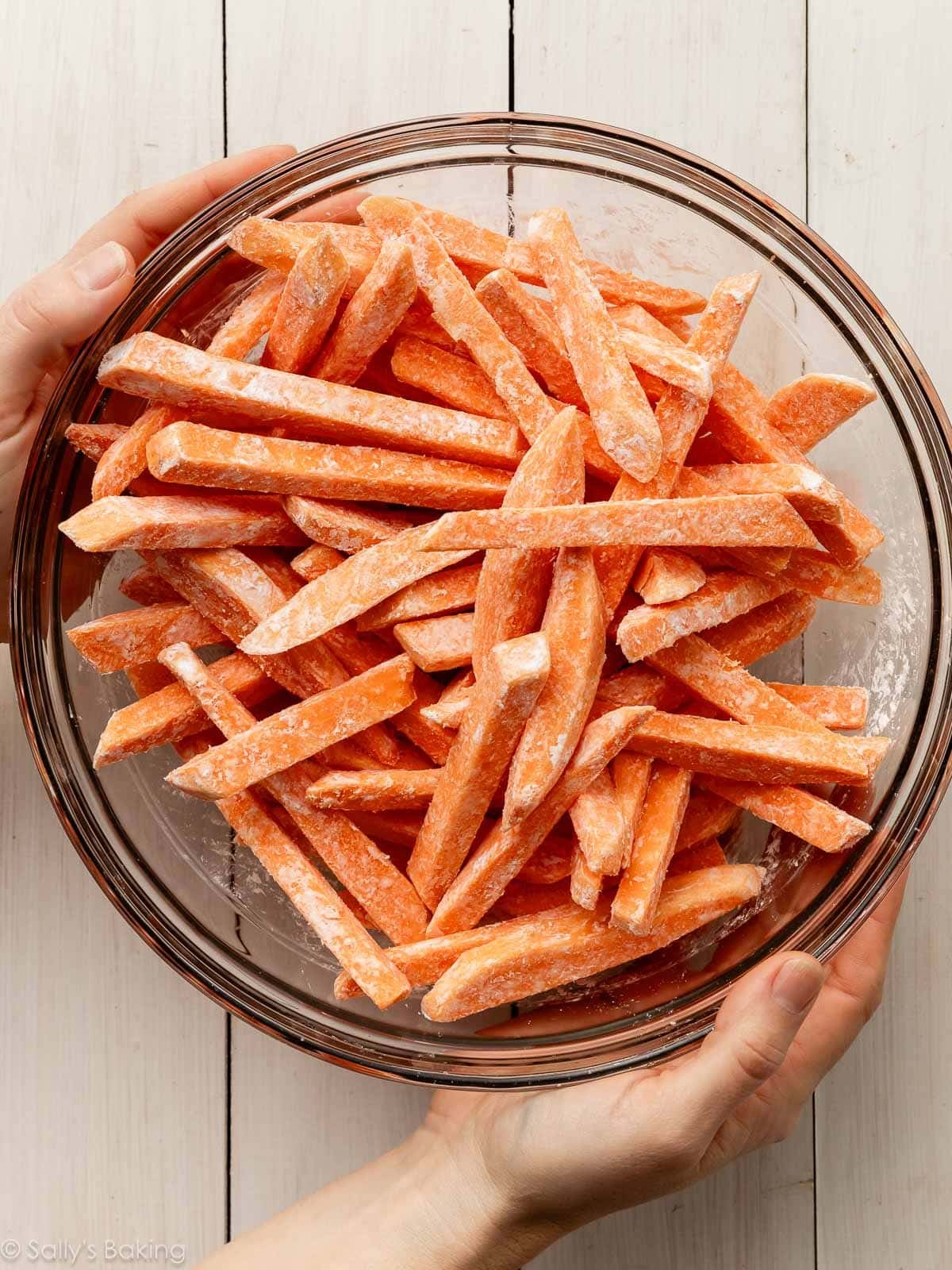
The Cornstarch Application: Once cut, the sweet potato strips are thoroughly coated with cornstarch. This step is crucial and must precede the application of oil and seasonings. If oil is applied first, the cornstarch will clump, resulting in uneven coating and an unpalatable starchy taste in spots. The most effective method involves tossing the fries and cornstarch in a large bowl or, more playfully and efficiently, shaking them together in a large zip-top bag until each piece is lightly and evenly dusted. The goal is a thin, almost invisible layer, not a thick paste.
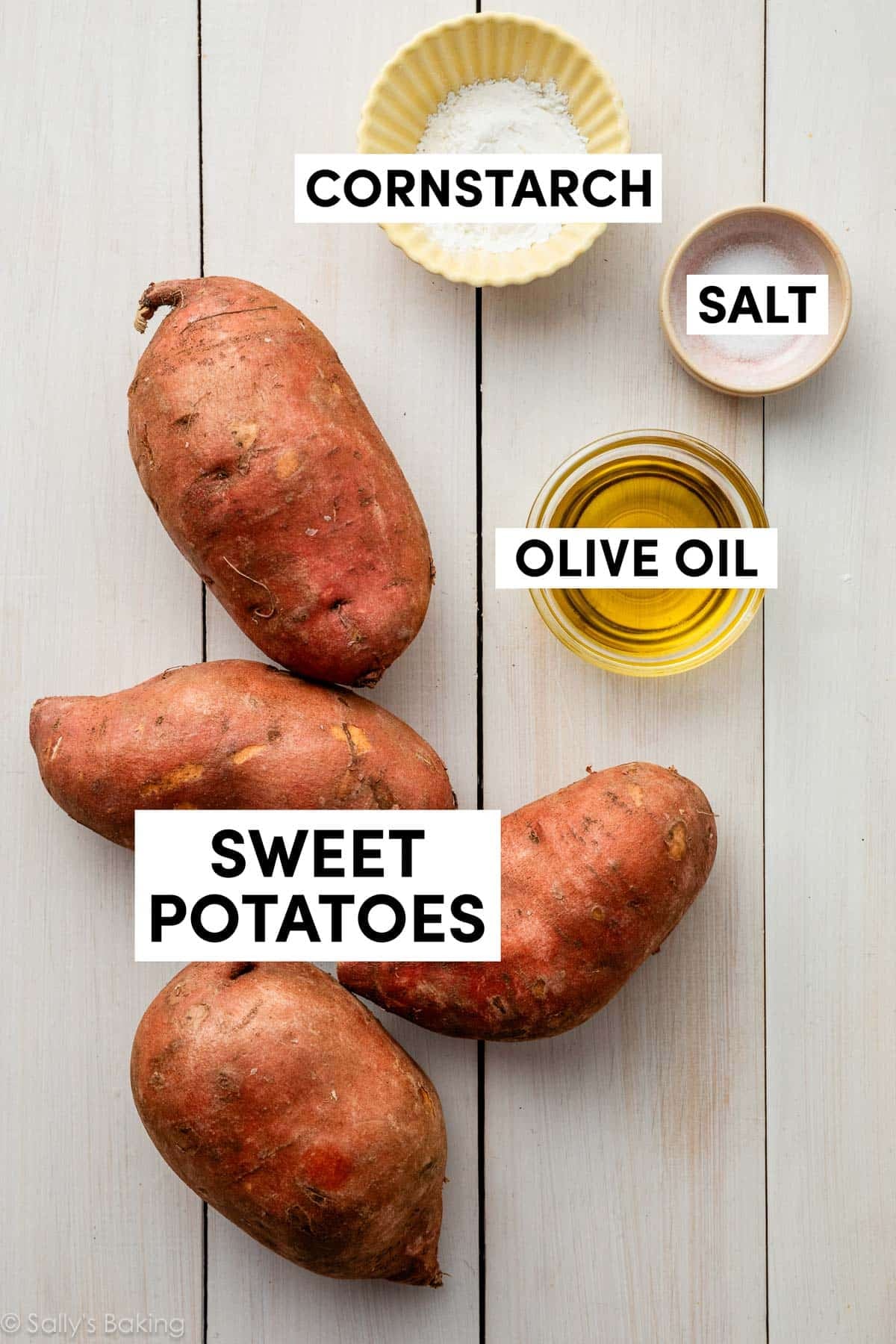
Strategic Seasoning: After the cornstarch, the fries are tossed with a neutral oil (like olive oil or avocado oil) and salt. The oil helps conduct heat, promotes browning, and allows seasonings to adhere. The versatility of sweet potato fries shines in their seasoning potential. Beyond simple salt, options abound:
- Savory: Garlic powder, onion powder, smoked paprika, black pepper, chili powder, cumin, or a blend like Cajun seasoning.
- Sweet & Spicy: A touch of cinnamon, nutmeg, or brown sugar combined with a pinch of cayenne pepper for a delightful contrast.
- Herbal: Dried rosemary or thyme can add an aromatic dimension.
- Umami: Nutritional yeast can impart a cheesy, savory depth.
The choice of seasoning can dramatically alter the flavor profile, allowing the fries to complement a wide array of main dishes.
Baking Sheet Dynamics: For oven baking, the prepared fries must be arranged in a single layer on a parchment-lined baking sheet. Parchment paper prevents sticking and aids in cleanup. The critical aspect here is ensuring adequate space between each fry; crowding is the enemy of crispness. If preparing a larger batch, it is strongly recommended to use two baking sheets or to bake in batches. Overcrowding traps steam, leading to soggy results. Halfway through the baking process, the fries should be flipped to expose all sides to the direct heat, promoting even browning. If using two baking sheets, their positions on the oven racks should also be swapped at this point to compensate for potential hot spots within the oven, ensuring uniform cooking across both trays.
Expert Perspectives on Healthy and Efficient Cooking
The techniques employed in this recipe are supported by broader principles in culinary science and nutrition.
Culinary Science Endorsement: According to leading culinary scientists, the combination of starch coating and high heat is a well-established method for achieving desirable textures in foods with high moisture content. "The rapid dehydration facilitated by cornstarch and intense convection is a highly effective strategy for creating a crisp barrier," notes Dr. Eleanor Vance, a food science researcher. "It minimizes the time moisture spends on the surface, allowing for optimal Maillard reaction development." This scientific backing reinforces the efficacy of the chosen method.
Nutritional Advocacy: Nutrition experts frequently highlight sweet potatoes as a powerhouse vegetable. "Baked sweet potato fries offer a significantly healthier alternative to their deep-fried counterparts, substantially reducing saturated and trans fats while retaining all the beneficial nutrients," states Dr. Anya Sharma, a registered dietitian. "This method aligns perfectly with dietary recommendations to increase vegetable intake and choose healthier cooking methods without sacrificing flavor or texture." The emphasis on baking or air frying, rather than deep-frying, contributes to a reduction in caloric density and unhealthy fat intake, promoting a more balanced diet.
Home Cook Empowerment: The widespread sharing and refinement of such recipes empower home cooks to achieve restaurant-quality results in their own kitchens. Culinary commentators observe a growing trend towards demystifying complex cooking techniques, making them accessible to a broader audience. This recipe exemplifies how understanding a few basic scientific principles can transform everyday ingredients into extraordinary dishes, fostering confidence and creativity in the home kitchen.
Broader Implications: Health, Convenience, and Culinary Trends
The popularity and refinement of crispy baked sweet potato fries carry several broader implications for health, culinary practices, and contemporary dietary trends.
Impact on Dietary Health: The adoption of baked or air-fried sweet potato fries as a side dish contributes positively to public health by promoting healthier eating habits. By providing a delicious, crisp alternative to traditionally deep-fried options, this recipe helps reduce the consumption of unhealthy fats and calories, aligning with efforts to combat obesity and related chronic diseases. The inherent nutritional value of sweet potatoes further enhances the health profile of meals.
Convenience and Adaptability: This recipe’s ease of scalability and adaptability to various meal types caters to the demands of modern, busy lifestyles. Whether prepared for a single serving or a family gathering, the straightforward process and readily available ingredients make it a convenient choice. Its versatility allows it to pair seamlessly with a wide range of main courses, from grilled meats and fish to vegetarian burgers and salads, making it a flexible component of meal planning.
Sustainability in the Kitchen: From a sustainability perspective, home cooking using fresh ingredients and efficient methods like baking or air frying can reduce reliance on processed foods and restaurant takeout, potentially leading to less packaging waste and a lower carbon footprint associated with food transportation. The minimal use of oil in this recipe also reduces oil waste compared to deep-frying.
The Sweet Potato Phenomenon: The increasing popularity of sweet potatoes in global cuisine reflects a broader shift towards healthier, plant-based eating. Once considered a seasonal or niche vegetable, sweet potatoes are now a year-round staple, featured prominently in everything from savory dishes to desserts. Their natural sweetness and rich texture make them highly versatile, and recipes like crispy baked fries further solidify their status as a beloved and nutritious food item.
In conclusion, the journey to mastering crispy baked sweet potato fries underscores the power of simple, scientifically-backed techniques to transform common ingredients into culinary delights. Through strategic use of cornstarch, precise temperature control, and meticulous spacing, coupled with the efficiency of modern appliances like the air fryer, home cooks can consistently achieve a side dish that is both irresistibly crispy and inherently healthy. This recipe stands not just as a guide to delicious fries, but as a testament to ongoing culinary innovation and the enduring quest for accessible, nutritious, and flavorful home cooking.