
The resurgence of the "DIY pantry" movement has transformed the way modern consumers approach staple food items, moving away from processed, store-bought convenience toward highly customizable and cost-effective home alternatives. One of the most prominent examples of this shift is the production of homemade dry mixes, which offer the dual benefits of significant financial savings and precise control over nutritional content. By preparing a bulk batch of brownie mix, home bakers can achieve the convenience of a commercial box mix while reducing the cost to mere pennies on the dollar. This particular formulation, characterized by its cake-style texture, represents a departure from traditional dense, fudgy brownies, offering a lighter crumb that appeals to a wide demographic of dessert enthusiasts.
The Economic and Practical Advantages of DIY Mixes
The primary driver for the adoption of homemade mixes is the economic disparity between raw bulk ingredients and branded consumer packaged goods. In the current retail environment, a high-quality brownie mix can retail for several dollars per box, often yielding only a single 8×8 inch pan. In contrast, a DIY brownie mix produced in bulk—such as a 1-kilogram (8-cup) batch—provides enough base material for five full pans of brownies. This volume-based approach allows households to leverage the lower unit prices of bulk flour, cocoa powder, and sweeteners.

Beyond the immediate financial benefits, the DIY approach addresses the logistical need for convenience. Modern lifestyle demands often leave little room for measuring multiple dry ingredients during a busy weeknight. By spending ten minutes to prepare a large batch of mix, the baker effectively "front-loads" the labor, ensuring that future baking sessions require only the addition of wet ingredients such as eggs, fat, and water. This hybrid model of "convenience through preparation" has become a cornerstone of efficient household management in the post-pandemic era.
Nutritional Customization and the Role of Sugar Substitutes
A defining feature of this specific brownie mix is its adaptability to various dietary requirements, particularly regarding glycemic control and caloric density. While traditional brownie recipes rely heavily on granulated white sugar, this formulation is optimized for use with sucralose-based sweeteners like Splenda. The use of high-intensity sweeteners significantly alters the nutritional profile of the final product, making it accessible to individuals managing diabetes or those following weight management programs like Weight Watchers.
For those preferring traditional ingredients, the recipe remains versatile. The substitution ratio is clearly defined: 4 cups (approximately 900 grams) of granulated white sugar can replace the Splenda measurements. Furthermore, the mix is compatible with powdered stevia products, provided they maintain a one-to-one volume ratio with the original sweetener. This level of customization is rarely found in commercial mixes, which are often laden with high-fructose corn syrup or specific preservatives designed for shelf stability rather than nutritional optimization.

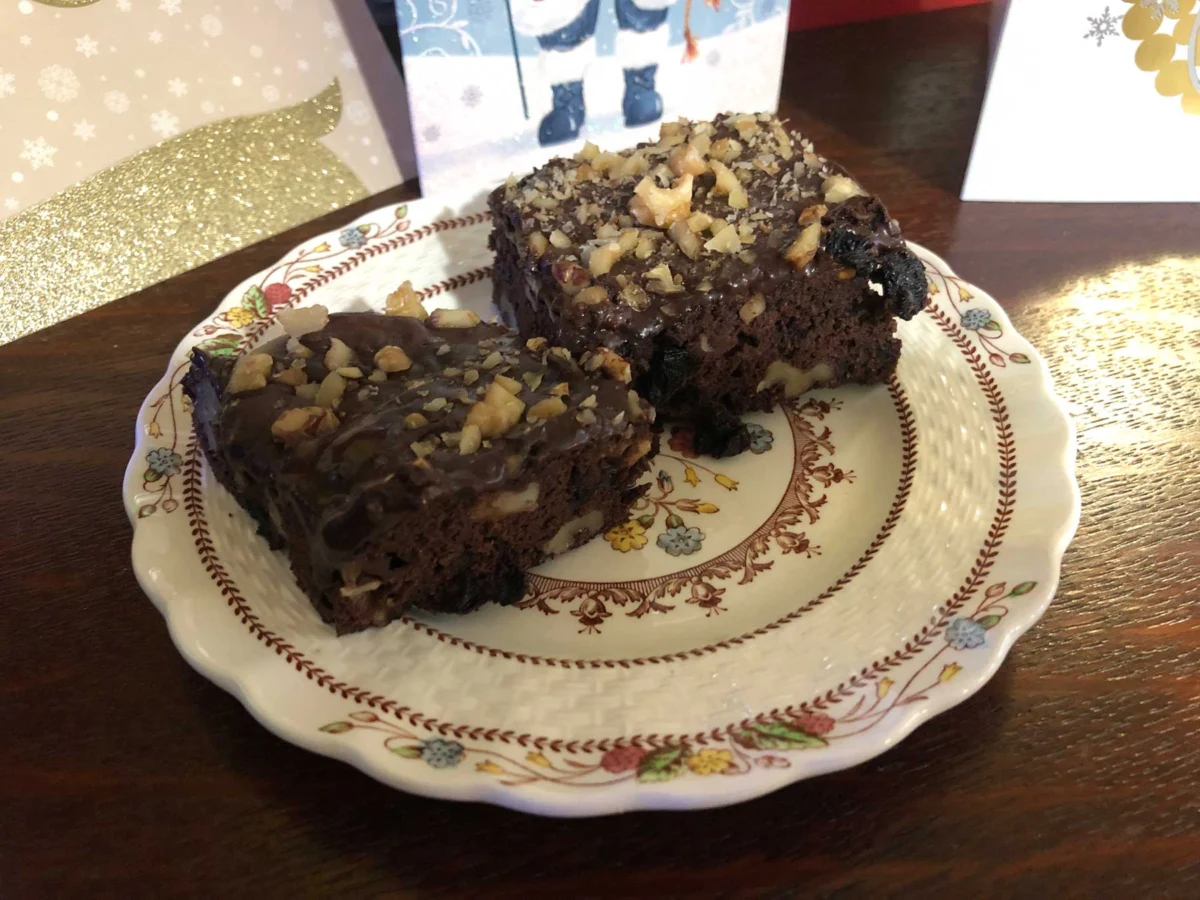
When prepared using Splenda and a low-fat margarine, a standard 50-gram brownie square contains approximately 116 calories and 8 grams of fat. This profile is notably lower than many commercial alternatives, which can exceed 200 calories per serving. The inclusion of walnuts, while increasing the caloric count to 131 calories and 10 grams of fat, introduces heart-healthy polyunsaturated fats and fiber, further enhancing the functional value of the dessert.
Technical Composition and Yield Metrics
The structural integrity of the DIY brownie mix relies on a precise balance of dry components. As a cake-style brownie, the ratio of flour to fat and leavening agents is calculated to produce a crumb that is airy yet moist. The total yield of a single production run is approximately 1 kilogram of dry mix.
When transitioning from dry mix to a finished baked good, the following metrics apply:
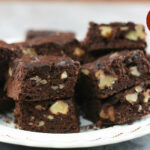
- Dry Mix Total Weight: 1 kg (approx. 8 cups).
- Yield per Batch: Sufficient for 5 standard pans.
- Finished Pan Weight: Approximately 420 grams (15 oz), excluding the weight of the baking vessel.
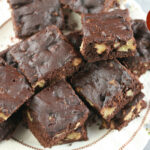
- Serving Size: A standard pan is typically cut into 9 squares, with each square weighing roughly 50 grams (2 oz).
These metrics are essential for both domestic portion control and small-scale artisanal production. The consistency in weight ensures that nutritional tracking remains accurate, a vital component for consumers monitoring their macronutrient intake.
Food Safety and the Risks of Raw Flour
A critical but often overlooked aspect of home baking is the safety of raw ingredients. Recent public health advisories from organizations such as the Food and Drug Administration (FDA) and the Centers for Disease Control and Prevention (CDC) have highlighted the dangers of consuming raw flour. Unlike processed snacks, flour is a raw agricultural product that has not been treated to kill pathogens such as Escherichia coli (E. coli) or Salmonella.
The DIY brownie mix process involves significant handling of raw flour. Journalistic analysis of food safety trends suggests that consumers frequently underestimate the risk of cross-contamination during the mixing phase. It is imperative that bakers treat raw flour with the same level of caution as raw meat. This includes:

- Thoroughly washing hands with soap and water after handling the dry mix.
- Sanitizing all surfaces, including countertops and measuring cups, that come into contact with the flour.
- Ensuring that children or other household members do not consume the raw "batter" once the wet ingredients are added.
These safety protocols are integrated into the preparation guidelines to mitigate the risk of foodborne illness, ensuring that the convenience of the mix does not come at the cost of health.
Historical Context and Recipe Evolution
The origins of this DIY brownie mix can be traced back to a single-batch recipe published by the Splenda brand in early 2021. The recipe was initially designed to showcase the baking capabilities of sucralose in a chocolate-based medium. However, the transition from a single-use recipe to a bulk-mix format represents an evolution driven by the "prepper" and "homesteading" communities, which prioritize self-sufficiency and long-term storage.
The adaptation of commercial recipes into DIY bulk formats is a trend that gained significant momentum during the supply chain disruptions of 2020 and 2021. As consumers faced empty shelves in the baking aisle, the ability to reconstruct complex mixes from basic components—flour, cocoa, and salt—became a necessary skill. This specific formulation reflects that era’s emphasis on resilience and the democratization of food production.
Broader Impact on Food Security and Consumer Behavior
The implications of DIY food production extend beyond individual kitchens. On a macro level, the shift toward home-mixed staples contributes to a reduction in packaging waste, as consumers buy ingredients in larger, more efficient containers rather than multiple small boxes. This aligns with broader environmental sustainability goals by reducing the carbon footprint associated with the transport and disposal of consumer packaging.
Furthermore, the DIY brownie mix serves as a tool for food security. By maintaining a stock of basic dry ingredients, households are less vulnerable to price spikes in processed foods. The ability to produce five pans of brownies from a single kilogram of mix provides a buffer against inflation, allowing families to maintain a standard of living and enjoy "luxury" items like desserts even during periods of economic tightening.
From a social perspective, the DIY mix also facilitates a deeper connection to the food preparation process. It encourages culinary literacy, requiring the baker to understand the function of each ingredient rather than simply following the "add water" instructions on a commercial box. This educational aspect is particularly beneficial for younger generations, fostering an appreciation for the science of baking and the importance of ingredient quality.

Conclusion and Future Outlook
The DIY brownie mix is more than a simple recipe; it is a manifestation of a broader cultural return to intentionality in the kitchen. By balancing the need for speed with the desire for health and economy, this mix represents the modern standard for home baking. Whether utilized for its low-calorie potential using sucralose or its cost-saving bulk format, the mix provides a versatile solution for the contemporary household.
As food prices continue to fluctuate and consumer interest in health-conscious eating grows, the prevalence of DIY mixes is expected to rise. Future iterations of such mixes may incorporate alternative flours—such as almond or oat flour—to cater to gluten-free populations, further expanding the reach of the DIY pantry. For now, the cake-style brownie mix remains a staple for those seeking a practical, delicious, and safe way to enjoy home-baked goods without the commercial price tag.