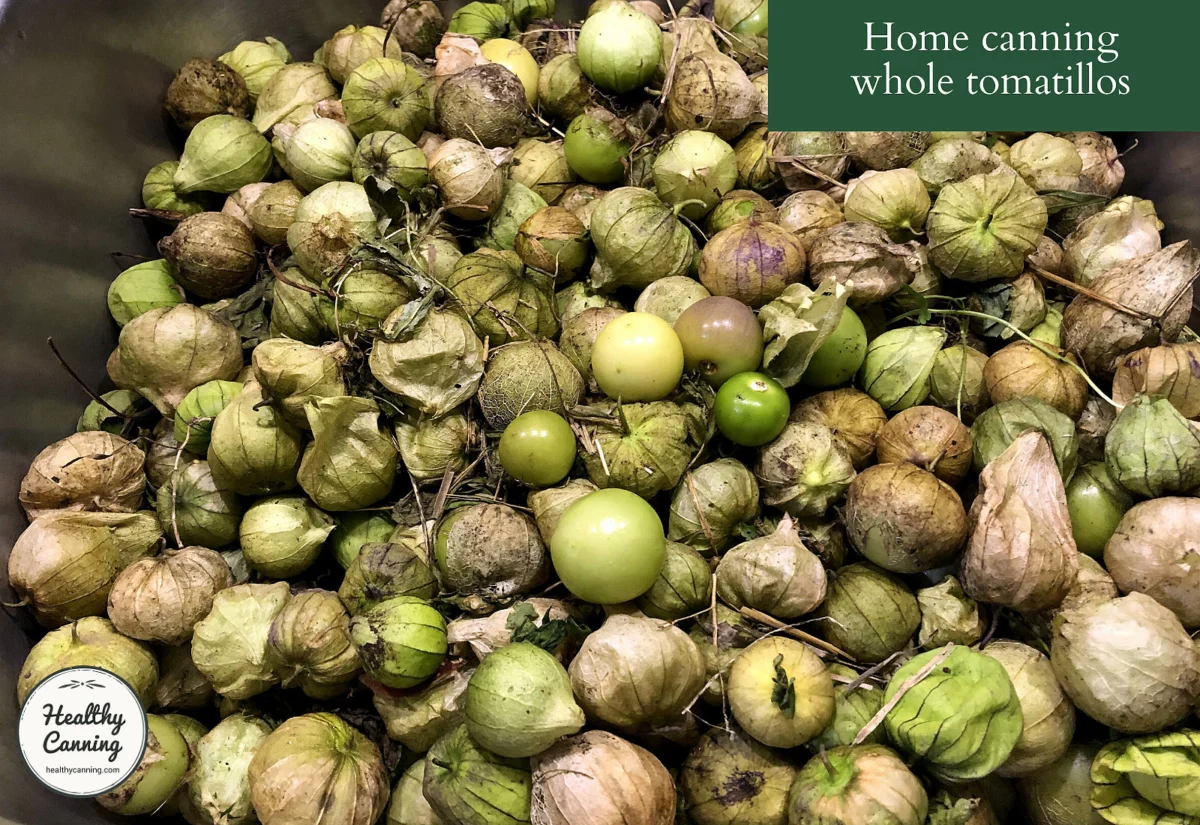

The United States Department of Agriculture (USDA) has established rigorous protocols for the home preservation of tomatillos, a staple of Mexican cuisine that has seen a significant surge in popularity among American home gardeners and culinary enthusiasts. Unlike the standard procedure for canning tomatoes, which often requires a labor-intensive peeling process, the preservation of whole tomatillos allows for the skin to remain intact, provided the fruit is properly husked and cleaned. This distinction is one of several critical technical nuances that distinguish tomatillo preservation from other members of the nightshade family. As food prices fluctuate and interest in sustainable, locally sourced food grows, the demand for verified, safe home-canning methods has reached a decadal high, prompting experts to reiterate the importance of following tested scientific procedures to prevent foodborne illnesses.
The Botanical and Chemical Context of Tomatillos
Tomatillos, or Physalis philadelphica, are often referred to as "Mexican husk tomatoes," though they are more closely related to Cape gooseberries than to traditional tomatoes. From a safety perspective, the most critical attribute of the tomatillo is its natural acidity. According to the USDA’s Center for Food Safety and Applied Nutrition, tomatillos typically possess a pH value of approximately 3.83. This makes them naturally more acidic than many varieties of green tomatoes. However, despite this inherent acidity, federal safety standards mandate the addition of supplemental acidifiers—such as bottled lemon juice, lime juice, or citric acid—during the canning process. This requirement ensures that the environment inside the jar remains inhospitable to Clostridium botulinum spores, which can thrive in low-acid, anaerobic conditions.

Sourcing and Preparation Chronology
The process of canning begins long before the water reaches a boil. To ensure a high-quality finished product, the USDA recommends a specific chronology of preparation:
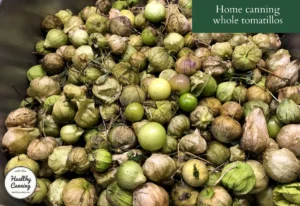
- Selection and Sourcing: High-quality canned tomatillos require fruit that is firm and possesses a bright green color. On average, home canners should expect to use approximately 1 kilogram of fresh tomatillos per 1-liter jar (roughly 2 pounds per US quart). The husks should be dry and straw-colored, indicating maturity.
- Husking and Cleaning: The papery husks must be removed entirely. Beneath the husk, tomatillos often have a sticky, resinous coating consisting of saponins, which are natural defense mechanisms for the plant. These must be washed off thoroughly with cool water.
- Pre-Cooking: Unlike "raw pack" methods used for some vegetables, tomatillos are generally simmered in boiling water for approximately 2 to 3 minutes to soften them slightly and ensure they pack tightly into jars without bursting during the heat processing phase.
Technical Specifications for Home Preservation
Home canners have three primary methods for processing tomatillos: water bath canning, steam canning, and pressure canning. Each method requires strict adherence to timing and atmospheric pressure adjustments based on the canner’s altitude.
Water Bath and Steam Canning
For most home preserves, water bath canning remains the standard. For half-liter (pint) jars, the processing time is 40 minutes. For 1-liter (quart) jars, the time increases to 45 minutes. Steam canning, a more water-efficient alternative, follows the same processing times as the water bath method. However, experts warn that steam canning is not recommended for recipes requiring more than 45 minutes of processing, as smaller canner models may run out of water, leading to a loss of internal temperature and a failure of the sterilization process.
Pressure Canning Data
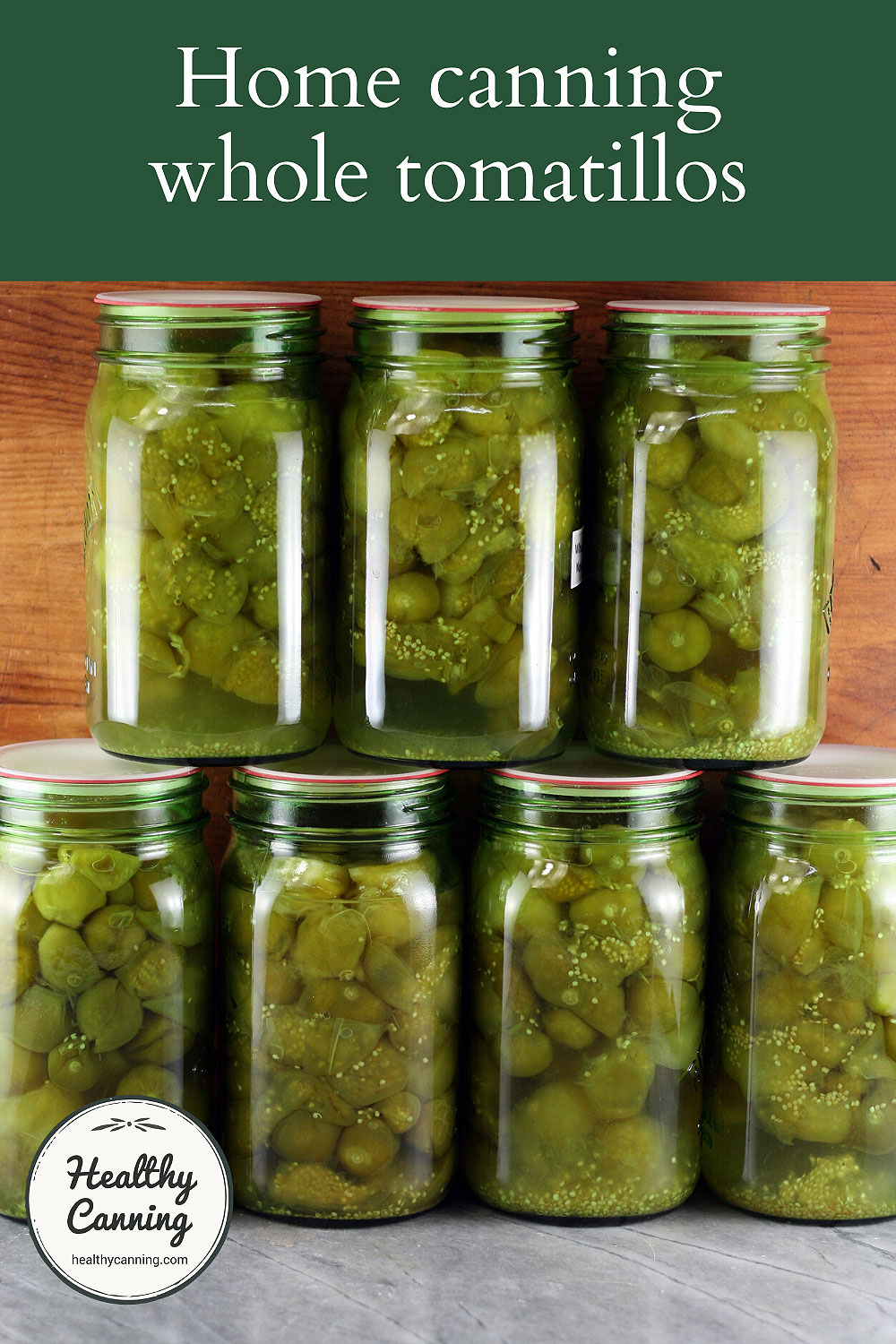
The USDA also provides a pressure canning alternative, which significantly reduces the processing time. However, it is essential to note that the addition of acid remains mandatory even when pressure canning. The pressure process for tomatillos was designed to save time, not to replace the safety margin provided by acidification.
Weighted-Gauge Pressure Canning Guidelines:
- 0 to 300 meters (0-1,000 feet): 15 minutes at 5 lbs; 10 minutes at 10 lbs; or 1 minute at 15 lbs.
- Above 300 meters (1,000 feet): 10 minutes at 15 lbs or 15 minutes at 10 lbs.
Mandatory Acidification and Seasoning
The scientific community emphasizes that "heritage recipes" or "open-kettle" canning—where hot food is placed in jars without further processing—is dangerous and lacks the heat penetration necessary to kill pathogens. For every 1-liter (quart) jar, the USDA requires the addition of two tablespoons of bottled lemon juice or half a teaspoon of citric acid. For half-liter (pint) jars, the amounts are halved.
While lime juice is a traditional flavor pairing for tomatillos, it should only be used if the consumer prefers a more distinctive citrus profile in the final product. Salt is considered an optional seasoning in this process; it does not contribute to the preservation of the food and may be omitted or replaced with non-bitter salt substitutes for those on sodium-restricted diets.
Culinary Applications and Expert Recommendations
Canned tomatillos differ significantly from fresh ones in texture and flavor profile. Because they have been subjected to high heat for extended periods, they are effectively pre-cooked. Martha Rose Shulman, writing for the New York Times, notes that an 11-ounce can of tomatillos can typically be substituted for one pound of fresh fruit in most recipes. She advises that because the canned variety is already softened, steps in recipes calling for simmering or broiling can often be bypassed.
The Joy of Cooking suggests that home-canned tomatillos serve as an excellent condiment for grilled poultry and meats. Their bright, acidic profile is particularly well-suited for shellfish and fish dishes. Furthermore, they are the foundational ingredient for "Salsa Verde" and various Mexican-style hot sauces. When using home-canned tomatillos, chefs recommend draining the liquid from the jar unless the recipe specifically calls for the added acidity and flavor of the canning brine.
Nutritional Data and Impact Analysis
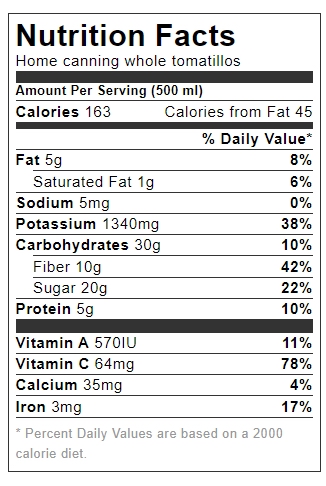
From a nutritional standpoint, tomatillos are a low-calorie, nutrient-dense food. A half-liter (pint) jar of plain canned tomatillos contains approximately 163 calories. They are a significant source of Vitamin C (64 mg), Vitamin A (570 IU), and Potassium (1340 mg). They also provide a substantial amount of dietary fiber (10 g) and are naturally low in sodium, provided no salt is added during the canning process.
The implications of home canning extend beyond mere nutrition. In an era of global supply chain volatility, the ability of individuals to preserve their own food contributes to household food security. The "Canning Revival" seen over the last decade reflects a broader cultural shift toward "slow food" and a desire for transparency in the food supply. By following USDA-tested recipes, home canners mitigate the risks associated with botulism, a rare but potentially fatal form of food poisoning that remains a concern in improperly preserved low-acid foods.
Broader Safety and Storage Implications
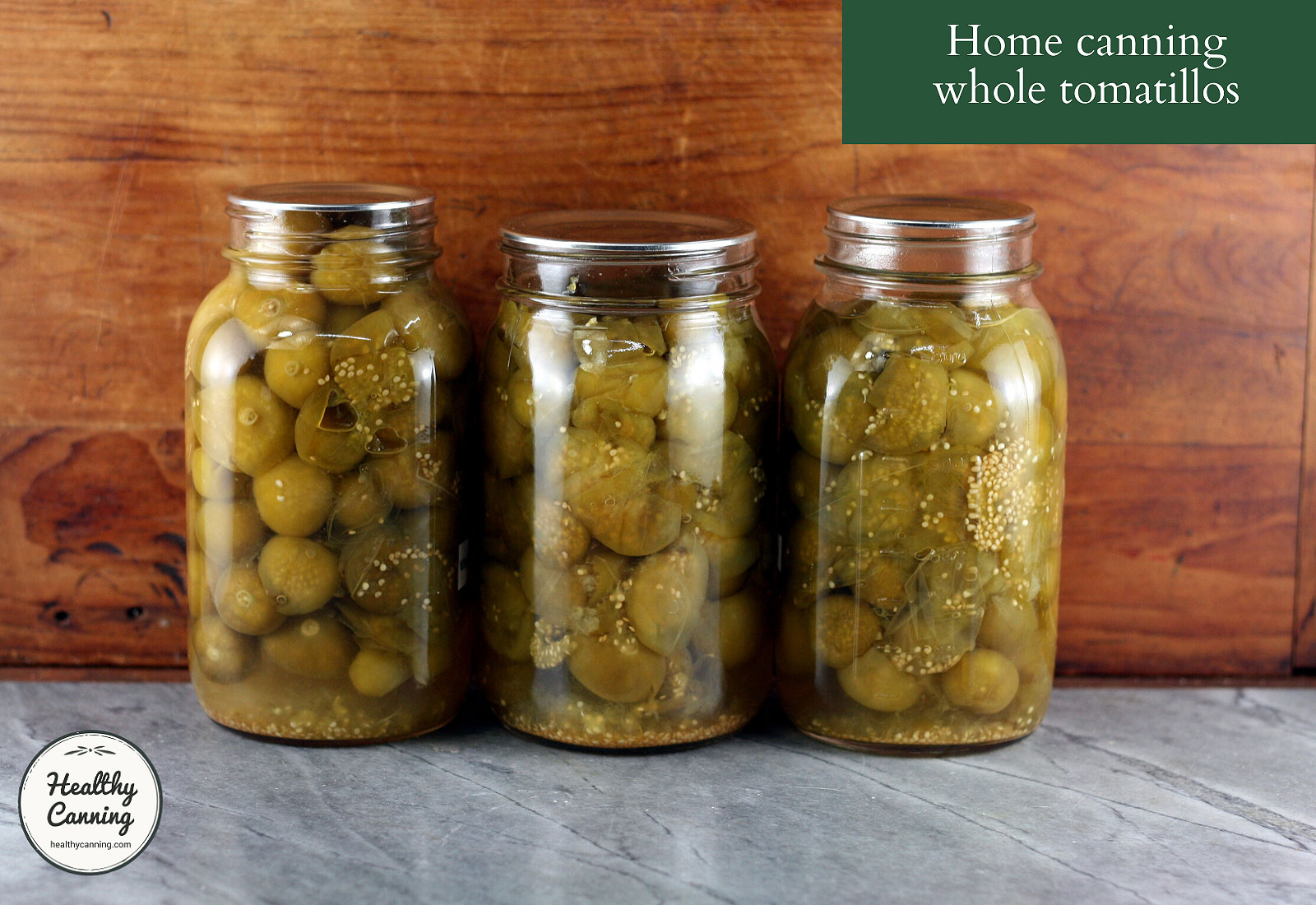
The shelf life of home-canned goods is another area of frequent inquiry. While properly sealed jars can remain safe to eat for several years, the USDA and the National Center for Home Food Preservation (NCHFP) recommend consuming home-canned products within one year for optimal quality and nutrient retention. Over time, the texture of the tomatillos may soften further, and the vibrant green color may fade to a duller olive hue, though the product remains safe as long as the vacuum seal remains intact.
Industry experts also highlight the importance of altitude adjustments. As altitude increases, the boiling point of water decreases. To compensate, water bath processing times must be extended, or pressure levels must be increased. Failure to adjust for altitude is one of the most common errors in home canning and can lead to under-processed food that poses a significant health risk.
Conclusion
The home canning of whole tomatillos represents a intersection of culinary tradition and modern food science. By adhering to the USDA’s Agriculture Information Bulletin No. 539, practitioners can ensure that their preserved harvest is both delicious and safe. The move toward standardized, science-based home preservation reflects a wider commitment to public health and the empowerment of the domestic cook. As more households embrace the garden-to-table movement, the role of federal guidelines in providing a "gold standard" for safety becomes increasingly vital in preventing the resurgence of foodborne pathogens in the home kitchen.