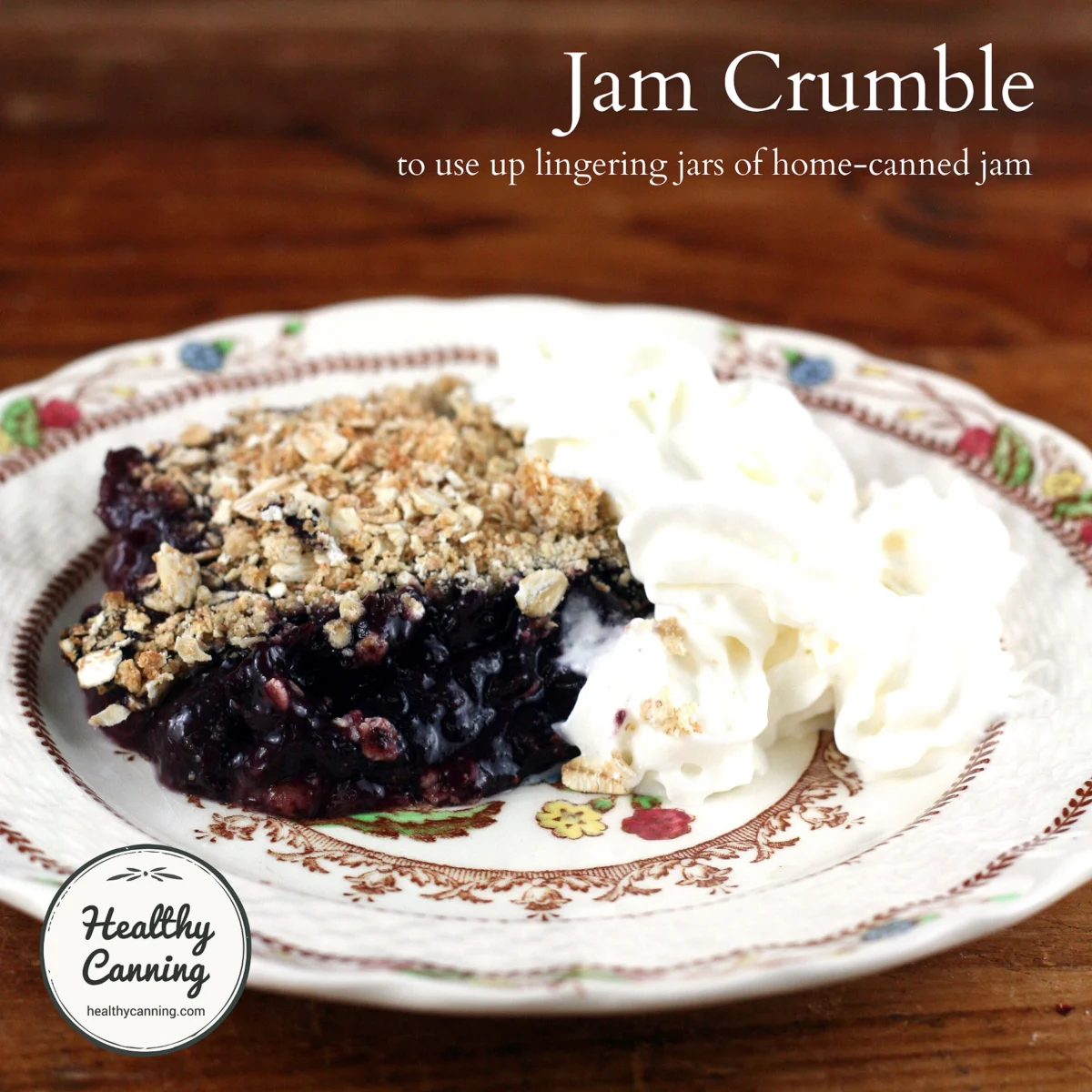

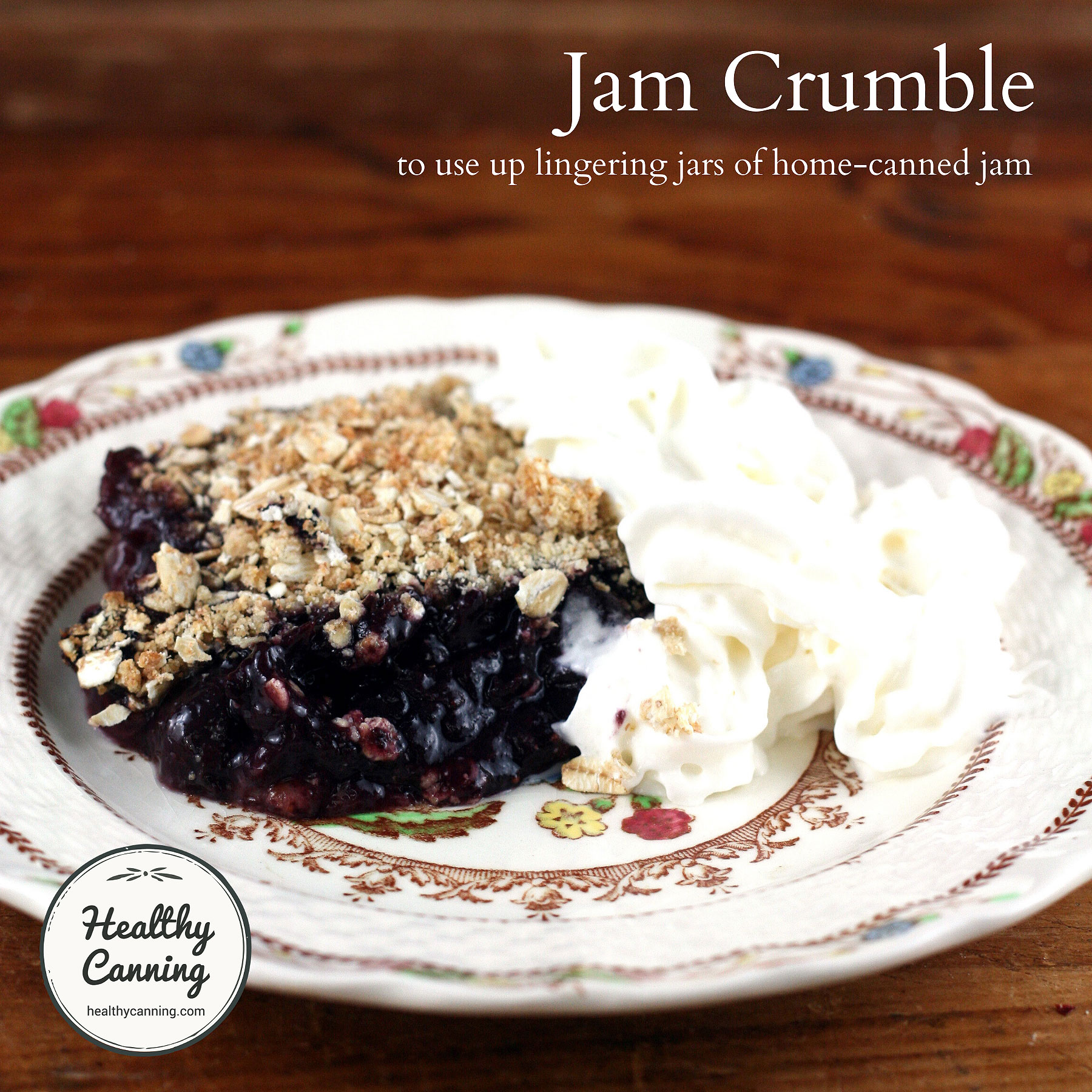
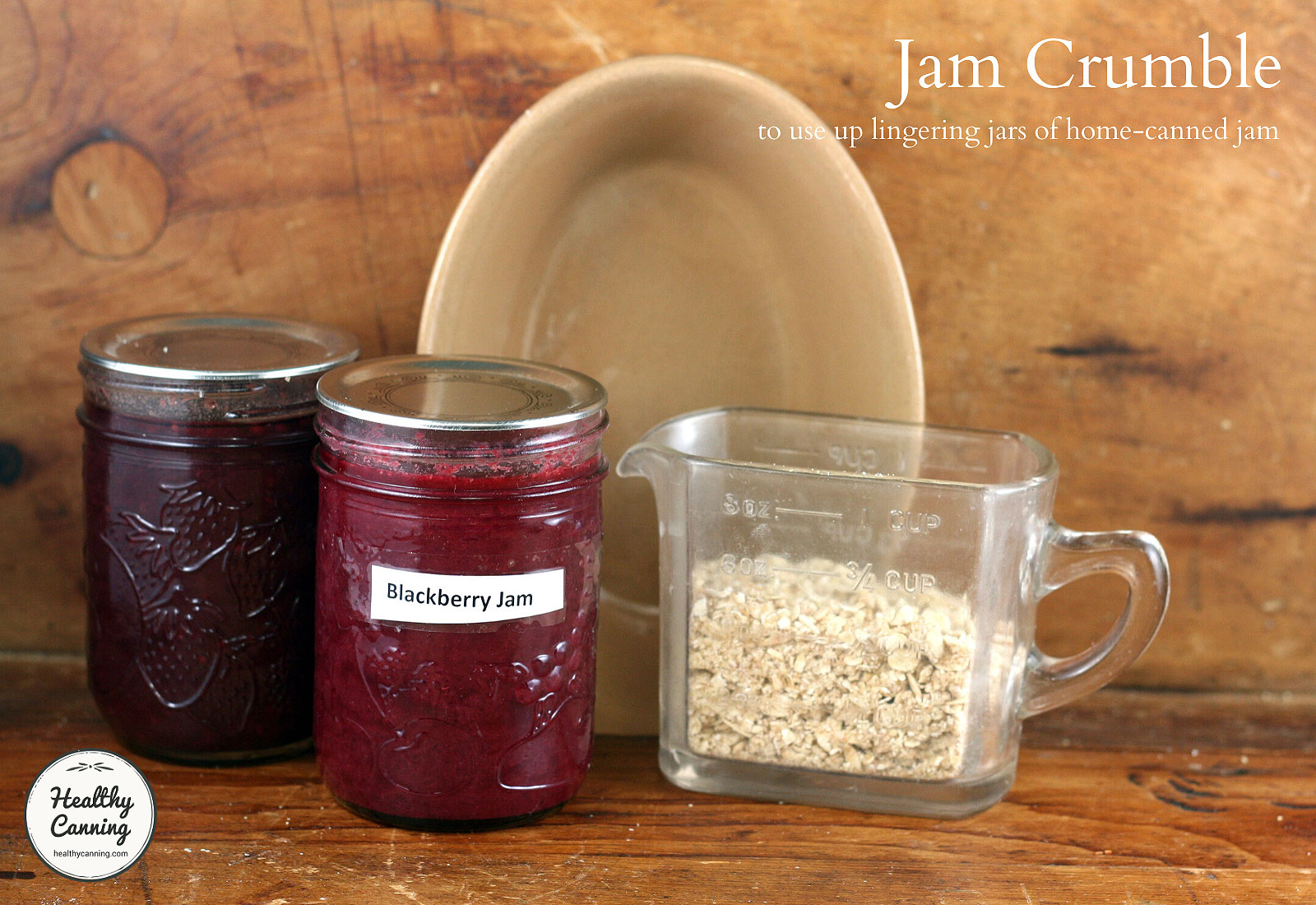
In recent years, home food preservation has experienced a significant renaissance, driven by economic shifts, a renewed interest in self-sufficiency, and seasonal gardening trends. However, this surge in home-canning has introduced a unique culinary challenge for households across North America and Europe: the accumulation of surplus preserves. Whether resulting from a bumper crop of summer stone fruits, autumn berry harvests, or simply a shift in family breakfast preferences away from traditional spreads, pantries are frequently left lined with aging jars of homemade jam. Culinary experts and home economists are now championing an innovative, rapid-solution recipe designed to combat pantry waste: the instant jam crumble. This dessert concept repurposes lingering preserves into a warm, baked confection in a fraction of the time required for traditional from-scratch fruit desserts.
The Economics of Pantry Surplus and Food Waste
According to data compiled by agricultural extension services and food waste reduction coalitions, home gardeners often overestimate their household consumption of preserved goods. A single fruit tree—such as a prolific plum, apple, or peach tree—can yield upwards of 50 pounds of fruit in a single season, translating to a dozen or more pint-sized jars of jam. While canning extends the shelf life of perishable produce safely for years, consumer habits indicate that spreads like jams and jellies are consumed at a much slower rate than they are produced.

When jars sit unrotated on pantry shelves for 12 to 24 months, they risk quality degradation, including crystallization, discoloration, and separation. Rather than discarding these nutrient-dense foods or letting them languish indefinitely, culinary innovators have sought secondary uses that bypass the need for fresh fruit preparation. The jam crumble emerges as an ideal bridge between long-term food storage and immediate kitchen needs, requiring zero washing, pitting, slicing, or sweetening of raw produce.
Anatomy of a Rapid-Response Dessert
The mechanics of the jam crumble rely on the pre-gelatinized, concentrated nature of fruit preserves. Because commercial and homemade jams have already undergone the cooking process—where natural pectins, sugars, and acids are activated to create a stable gel—they behave predictably under oven heat. When baked beneath a porous, buttery topping, the jam softens, bubbling at the edges while retaining its structural integrity, mimicking the filling of a traditional cobbler or crisp without the requisite 45-minute fruit-maceration step.
Standard preparation metrics for the recipe are designed for efficiency:
- Preparation Time: 10 minutes
- Baking Time: 35 minutes
- Oven Temperature: 175 C (350 F)
- Standard Yield: Approximately 2 cups (serving six individuals)
Chronology of the Culinary Adaptation
The historical trajectory of fruit crumbles traces back to wartime Britain, notably during World War II when strict rationing limited access to pastry ingredients such as butter and flour, making traditional pies difficult to produce. The crumble emerged as an economical, less labor-intensive alternative. The modern iteration—substituting raw fruit and sugar with pre-made jam—represents a contemporary evolution tailored to modern time constraints and the zero-waste kitchen movement.
- Phase One (The Surplus): The household identifies unutilized preserves, typically half-pint (250 ml) or full-pint (500 ml) jars dating back previous seasons.
- Phase Two (The Layering): Cooks select either a single-flavor preserve or experiment with flavor profiles by layering contrasting jams—such as tart rhubarb paired with sweet strawberry, or spiced apple butter beneath a layer of sharp blackberry.
- Phase Three (The Topping Application): A dry mixture of oats, flour, sugar, and butter is distributed evenly across the fruit base. If traditional baking mixes are unavailable, pantry staples like oatmeal pancake mix or standard flour-and-oat blends serve as viable substitutes.
- Phase Four (Thermal Processing): Baking at 175 C (350 F) for approximately 35 minutes ensures the topping achieves a golden-brown crispness while the jam beneath reaches a simmering consistency.
Customization and Nutritional Adaptability
Nutritionists and dietitians note that the nutritional profile of a jam crumble is exceptionally malleable, depending entirely on the baseline ingredients of the preserves utilized. For health-conscious consumers, incorporating low-sugar, fruit-juice-sweetened, or artificially sweetened diabetic jams significantly reduces the caloric and glycemic load of the dessert. This adaptability has made the concept popular within structured weight-management frameworks, including programs associated with commercial diet plans such as Weight Watchers, where portion-controlled, lower-sugar desserts are prioritized.
Furthermore, culinary instructors emphasize the modular nature of the crumble topping. Standard recipes call for a simple combination of:
- 1/2 cup rolled oats
- 2 tablespoons all-purpose flour
- 1 tablespoon granulated sugar (or alternative sweeteners)
- A pinch of table salt
- 2 tablespoons cold unsalted butter (rubbed into the dry mixture)
For enhanced flavor complexity, bakers frequently incorporate warm spices such as Ceylon cinnamon, freshly grated nutmeg, or a dash of sea salt into the topping. Meal-prep efficiency can also be maximized by multiplying the dry crumble topping ingredients by three or four, sealing the excess mixture in an airtight container, and storing it in the freezer for instantaneous future use.
Implications for Sustainable Household Management
Food economists view the adoption of recipes like the jam crumble as a micro-level victory in the broader war against household food waste. With global supply chain fluctuations and rising grocery costs placing increased financial pressure on consumers, maximizing the utility of existing pantry inventory is no longer merely a matter of organization, but of fiscal responsibility.
By repurposing preserved goods that might otherwise be discarded, households reduce their overall food footprint while simultaneously decreasing their reliance on commercially manufactured convenience desserts. As extension services and culinary blogs continue to promote flexible, concept-based cooking over rigid recipe adherence, the humble jam crumble stands out as a practical, efficient, and resource-conscious solution for the modern kitchen.