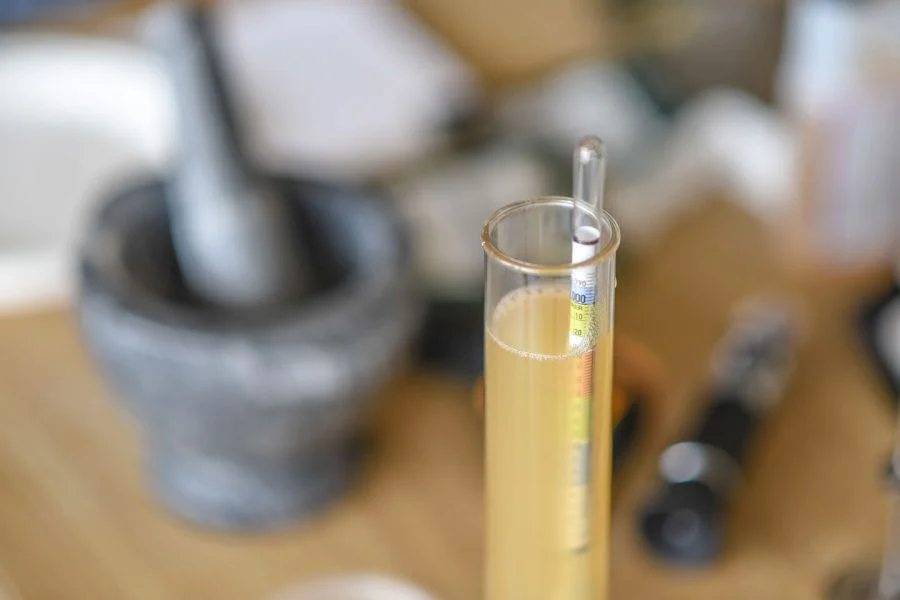

The culinary landscape of home fermentation and condiment crafting has experienced an unprecedented surge in popularity over the past decade, shifting from a niche homesteading hobby into a mainstream culinary art form. Among the most vibrant sectors of this DIY food movement is the production of artisanal hot sauces. Enthusiasts around the globe are increasingly moving away from mass-produced, vinegar-forward commercial condiments in favor of complex, probiotic-rich, handcrafted hot sauces tailored to exact personal flavor profiles. This renaissance in home fermentation is supported by a growing network of culinary associations, educational resources, and specialized communities dedicated to elevating home kitchens into laboratories of flavor. Understanding the intricate science of capsaicin extraction, lactic acid fermentation, and ingredient pairing is essential for anyone looking to master the craft of small-batch hot sauce production.
The Science and Art of Lactic Acid Fermentation in Hot Sauces
At the heart of the modern artisanal hot sauce movement is the ancient preservation technique of lacto-fermentation. Unlike simple cooked sauces that rely strictly on high concentrations of vinegar for preservation, fermented hot sauces utilize beneficial bacteria—primarily Lactobacillus species—to convert natural sugars present in peppers and other vegetables into lactic acid. This process not only naturally preserves the condiment by lowering its pH but also develops a complex, savory depth that cannot be replicated through simple acidification alone.
The process begins with the careful selection of fresh chili peppers, ranging from mild varieties like Jalapeño and Poblano to fiery powerhouse cultivars such as Habanero, Ghost Pepper, and Carolina Reaper. These peppers are typically weighed alongside non-iodized salt to create a precise brine or mash, usually maintaining a salinity level between 2.5% and 5% by total weight. This specific saline concentration inhibits the growth of harmful spoilage microorganisms while allowing beneficial lactic acid bacteria to thrive in an anaerobic environment.
Over a fermentation period that can span anywhere from one week to several months, complex biochemical transformations occur. Sugars are consumed, gases are released, and the characteristic tang of fermentation develops. Culinary historians note that this method bridges ancient food preservation practices with contemporary gastronomy, offering both health benefits—such as live probiotics and improved digestibility—and a superior sensory experience.
A Chronological Evolution of the Artisanal Condiment Movement
The trajectory of independent hot sauce crafting mirrors the broader craft food and beverage revolution that has transformed consumer markets since the early 2000s. To understand how home condiment production reached its current level of sophistication, it is helpful to examine the key milestones in the movement’s evolution.
During the early 2000s, the market was dominated by mass-market, highly acidic commercial hot sauces designed primarily to deliver sharp heat rather than nuanced flavor. These products typically featured a short ingredient list consisting of aged red peppers, distilled white vinegar, and salt. While functional, they left a significant gap in the market for food enthusiasts seeking regional pepper varieties, fruit-infused heat profiles, and complex umami undercurrents.
By 2010, the advent of dedicated online culinary forums, video-sharing platforms, and specialized homebrewing organizations catalyzed a widespread knowledge-sharing network. Enthusiasts who had previously mastered beer brewing, cheesemaking, and bread baking began applying rigorous technical standards to hot sauce formulation. Precise measurements, pH testing, and temperature-controlled fermentation chambers became standard practices in dedicated home kitchens.
Between 2015 and 2020, the popularity of specialty peppers exploded. Cultivars that were once obscure outside of specific agricultural regions—such as the Trinidad Moruga Scorpion, the Aji Amarillo, and the Hatch Green Chile—became widely accessible to home gardeners and urban farmers. Concurrently, culinary associations began integrating fermented condiment modules into their educational offerings, recognizing that the skills required for brewing—such as sanitation, measurement precision, and biological control—translate seamlessly to hot sauce production.
Today, the movement is characterized by a high degree of culinary sophistication. Home producers routinely utilize equipment such as digital refractometers to measure sugar content, precision pH meters to ensure food safety, and vacuum-sealing systems to execute anaerobic pouch fermentations.

Data and Market Trends in the Specialty Condiment Sector
Market research in the specialty food sector underscores the viability and sustained growth of the artisanal condiment industry. According to industry analyses by groups such as the Specialty Food Association, retail sales of gourmet hot sauces and salsas have experienced steady year-over-year growth, outpacing traditional condiment categories.
Consumer preference data indicates several key drivers behind this growth:
- Flavor Complexity: Modern consumers increasingly seek products that offer a balance of heat, acidity, sweetness, and umami rather than one-dimensional spice.
- Transparency and Clean Labels: Artisanal producers benefit from consumer demand for recognizable, wholesome ingredients free from artificial preservatives, thickeners, and excessive sodium.
- Health Consciousness: The inclusion of fermented foods in daily diets has been heavily promoted by nutritionists, driving interest in unpasteurized, probiotic-rich hot sauces.
- Customization and Personalization: The ability to control spice levels and tailor flavor profiles to specific dietary needs—such as keto, paleo, and vegan diets—makes homemade and craft-batch sauces exceptionally attractive.
Furthermore, economic indicators show that the barrier to entry for home-scale production is remarkably low, requiring minimal initial investment in specialized kitchen hardware while offering high creative and culinary returns.
Expert Perspectives and Culinary Implications
Culinary professionals and food scientists emphasize that the principles governing successful hot sauce creation are deeply rooted in food safety and sensory science. Dr. Elena Vance, a food microbiologist specializing in fermentation pathways, notes that maintaining rigorous hygiene standards is paramount when working with raw agricultural products.
"When engaging in lacto-fermentation at home, understanding the relationship between salt concentration, anaerobic conditions, and pH is non-negotiable," Dr. Vance explains. "A properly managed ferment naturally drives the pH down to 4.6 or lower, which effectively prevents the proliferation of dangerous pathogens like Clostridium botulinum. Educating home practitioners on these scientific fundamentals is essential for the continued safety and reputation of the artisanal movement."
Chefs and restaurateurs have also taken note of the trend, frequently collaborating with local condiment makers or developing house-fermented hot sauces to elevate dining experiences. The inclusion of these complex sauces in fine dining establishments signals a cultural shift: hot sauce is no longer viewed merely as a novelty condiment for masking poor flavors, but as a sophisticated finishing element capable of elevating proteins, vegetables, and broths.
Broader Impact on Agriculture and Seed Diversity
Beyond the kitchen counter, the surge in demand for unique hot sauces has generated a positive ripple effect through the agricultural sector. Small-scale seed producers and independent farmers report a significant increase in demand for heirloom and rare pepper seeds. Gardeners are increasingly dedicating backyard plots and urban greenhouse spaces to cultivating diverse capsicum species, preserving genetic diversity that might otherwise be lost to commercial monoculture.
This agricultural diversification supports local farm economies and encourages consumers to appreciate the terroir of different growing regions. Just as wine enthusiasts discuss the mineral notes of a specific vineyard, hot sauce aficionados now debate how soil composition, sunlight exposure, and rainfall impact the flavor profile of a sun-ripened Habanero or a smoky Chipotle.
Looking forward, the evolution of home condiment crafting shows no signs of slowing down. As educational resources become more comprehensive and analytical tools become more affordable, the boundary between domestic cooking and professional food science continues to blur. Whether approached as a scientific experiment, a horticultural hobby, or a culinary art form, the practice of crafting artisanal hot sauces empowers individuals to take control of their foodways, resulting in condiments that are intensely personal, deeply flavorful, and infinitely customizable.