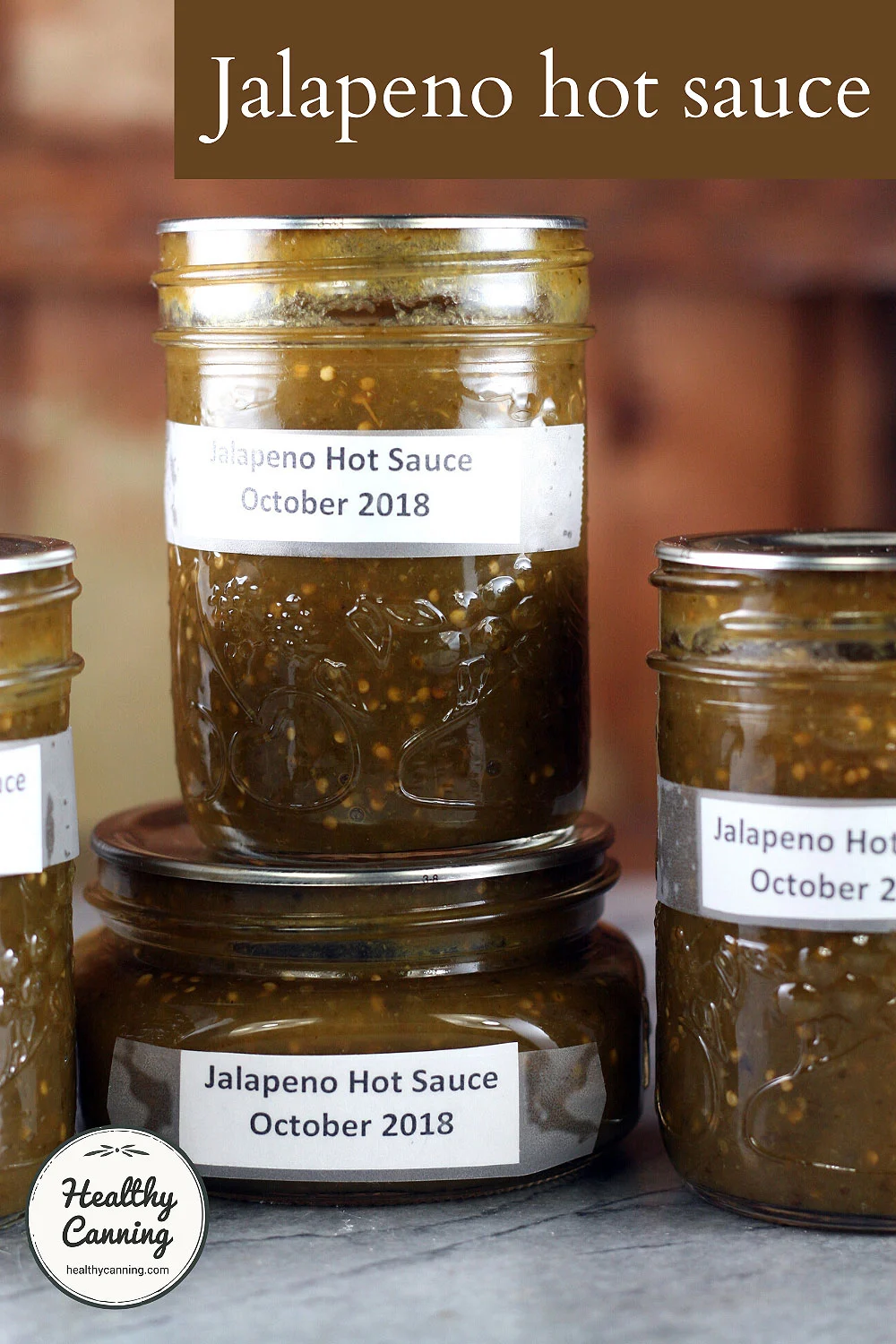

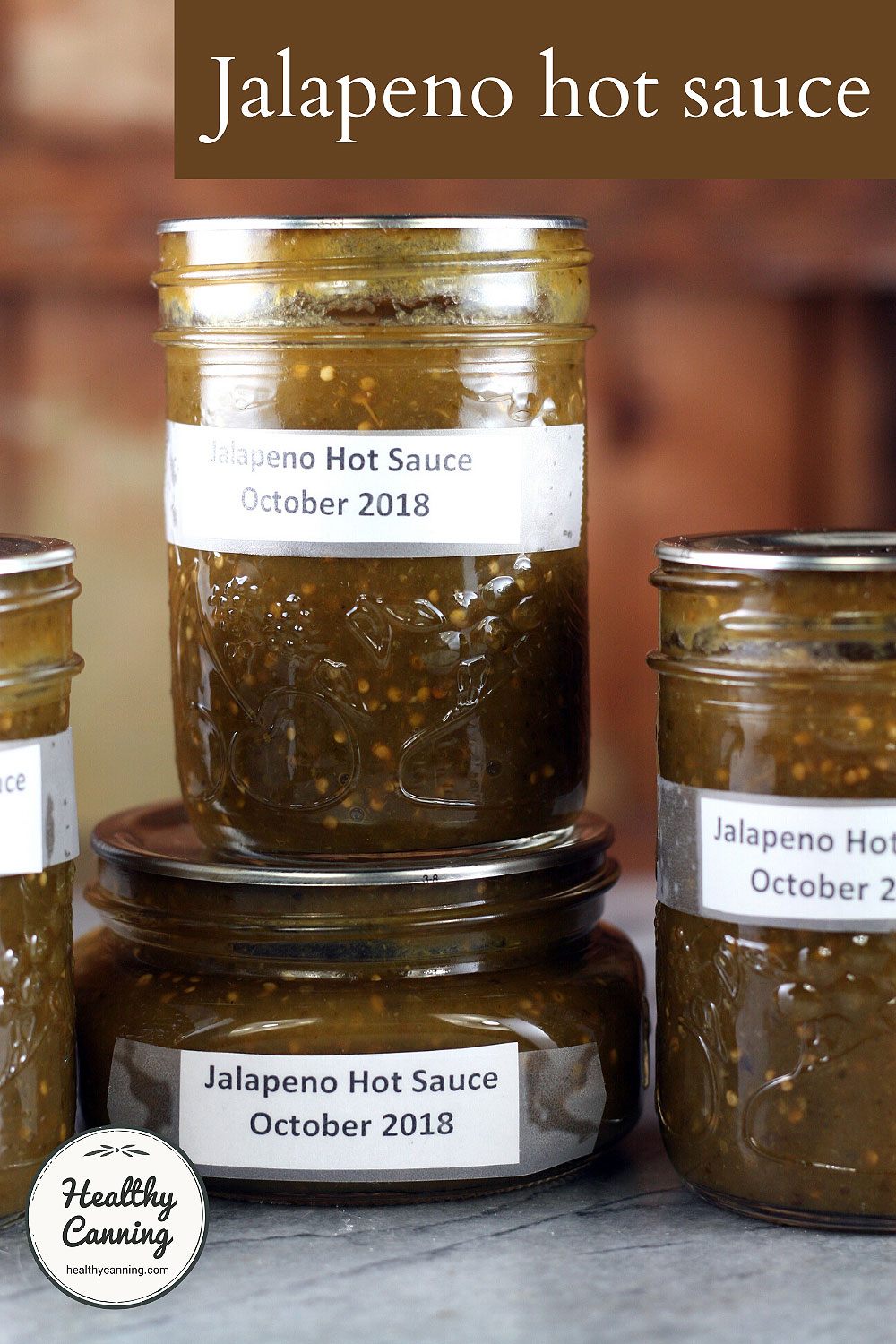
The culinary preservation community has long relied on tested, science-based guidelines to ensure home-canned goods are both flavorful and safe from harmful pathogens. Among these trusted protocols, a popular variation of the United States Department of Agriculture’s (USDA) classic Cayenne Pepper Sauce has emerged as a favorite for those seeking a vibrant, green alternative. By substituting standard tomatoes with canned tomatillos and swapping traditional red peppers for green jalapeños, home cooks can produce a thick, spoonable green hot sauce that meets rigorous federal safety standards.
Official food preservation guidelines, such as those maintained by the National Center for Home Food Preservation (NCHFP), emphasize the importance of maintaining proper acidity levels when modifying tested recipes. While many creative adjustments in the kitchen can compromise the safety of home-canned goods, substituting tomatillos for tomatoes and jalapeños for other peppers maintains—and in some cases enhances—the crucial acidity required to prevent the growth of Clostridium botulinum spores. This adaptation bridges the gap between traditional American condiment preparation and the bold, vibrant flavor profiles of Southwestern and Mexican cuisine.
Background and Context of USDA Home Canning Guidelines
The foundation of modern home canning safety rests on decades of research conducted by agricultural extension services, land-grant universities, and federal agencies like the USDA. Following the publication of the foundational "Complete Guide to Home Canning," generations of home gardeners and culinary enthusiasts have looked to these manuals to safely store their seasonal harvests.

Hot sauces, in particular, require a delicate balance of pH, vinegar strength, and thermal processing to ensure shelf stability without the use of chemical preservatives. The original USDA Cayenne Pepper Sauce was formulated to utilize the natural acidity of tomatoes combined with measured amounts of vinegar to create an environment too acidic for dangerous bacteria to thrive.
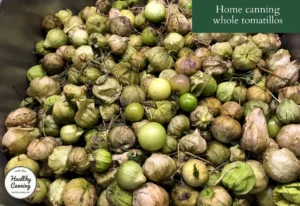
In recent years, the growing popularity of fermented and fresh green salsas has driven home cooks to experiment with green produce. Tomatillos, enclosed in a papery husk and prized for their tart, citrusy flavor, serve as an ideal base for green hot sauces. When paired with the moderate, earthy heat of green jalapeño peppers, the resulting condiment offers a distinct flavor profile that diverges sharply from traditional vinegar-heavy red hot sauces. However, food safety experts stress that any deviation from approved recipes must be done carefully, adhering strictly to safe substitution rules regarding acidity and density.
Step-by-Step Methodology and Processing Requirements
Producing a safe, shelf-stable green jalapeño hot sauce requires strict adherence to preparation timelines, equipment specifications, and thermal processing parameters. Because the recipe yields a substantial quantity—typically producing five half-litre (US pint) jars—home canners are often advised to calculate ingredient ratios carefully if they choose to scale the batch down.
The preparation process is time-intensive, reflecting the meticulous nature of safe home food preservation. Cooks should anticipate a total time commitment of approximately four hours, which includes roughly one hour of active preparation and three hours of cooking and reduction time.
Preparation Timeline and Workflow:
- Ingredient Selection and Measurement: Gather fresh green jalapeños, canned tomatillos, high-grade vinegar (ensuring a minimum of 5% acidity), and approved spices.
- Thermal Processing Setup: Prepare either a boiling water-bath canner or a certified steam canner, ensuring water levels are adequate and heating elements are properly adjusted for local elevation.
- Cooking and Reduction: Simmer the blended or chopped ingredients according to the tested ratios to achieve the desired thick, spoonable consistency.
- Jar Filling and Air Removal: Ladle the hot sauce into sterilized jars, maintaining a precise 2 cm (1/2-inch) headspace. Remove trapped air bubbles and wipe jar rims clean.
- Processing and Cooling: Process the jars—available in 125 ml (4 oz), 1/4 litre (8 oz), or 1/2 litre (16 oz) sizes—for a duration of 10 minutes, adjusting for altitude as necessary. Allow jars to cool undisturbed for 12 to 24 hours before checking seals.
Official Warnings and Sensory Implications
The National Center for Home Food Preservation rarely appends specific commentary to standard USDA recipes, making their cautionary notes regarding this particular hot sauce noteworthy. Federal preservation experts explicitly warn that the resulting condiment is exceptionally potent. Because green jalapeños carry a significant capsaicin load—ranging between 2,500 and 8,000 Scoville Heat Units—the final product is not a mild table sauce, but rather a concentrated condiment intended to be used sparingly.
Culinary experts recommend utilizing the sauce as an accent ingredient rather than pouring it in large quantities. Suggested culinary applications include mixing small amounts into marinades, stirring the sauce into braised meats, incorporating it into Southwestern-style soups, or using it as a sharp, fiery drizzle for tacos and grilled proteins.
Nutritional Profile and Dietary Considerations
From a nutritional standpoint, home-canned green jalapeño hot sauce offers a flavorful way to enhance meals without adding significant calories, sodium, or fats. Laboratory analyses adapted from standard pepper sauce metrics indicate that a single tablespoon serving contains approximately 8 kilocalories, 1.6 grams of carbohydrates, 0.3 grams of protein, and a negligible amount of fat (0.1 grams).
Furthermore, the sauce contains roughly 2 milligrams of sodium per serving, making it an attractive option for individuals monitoring their salt intake, provided they follow low-sodium adjustments approved by extension guidelines. Dietary fiber is measured at 0.3 grams per serving, alongside 0.8 grams of natural sugars derived from the tomatillos and peppers.
Broader Impact and Food Safety Implications
The resurgence of interest in home canning and self-reliance has highlighted the critical need for public education regarding food safety. While digital platforms and social media frequently showcase creative kitchen experiments, agricultural extension agents continually remind the public that internet-shared recipes may lack scientific validation.
By utilizing tested adaptations—such as swapping tomatillos for tomatoes within an approved USDA acid-base matrix—home canners can safely expand their culinary repertoires while mitigating the severe risks associated with home-canned low-acid foods. As urban gardening and homesteading continue to evolve, adherence to standardized processing times, vinegar strengths, and altitude adjustments remains the cornerstone of modern domestic food safety.