
Darden Restaurants, Inc., one of the largest restaurant operators in the Unitedduplicated states, officially commenced its fiscal 2027 performance metrics with a solid financial footing, posting broad-based sales gains across its diverse portfolio of dining brands. For the first quarter, total sales grew by 5.1 percent to reach $3.2 billion. This financial expansion was anchored by the addition of 53 net new restaurants over the preceding twelve-month period and a company-wide same-restaurant sales increase of 3.2 percent. Despite external economic headwinds and specific operational challenges, the corporation maintained a steady restaurant-level EBITDA margin of 18.8 percent, underscoring resilient operational efficiency and disciplined cost management.
The company’s leadership attributed the quarter’s positive trajectory to sustained momentum at LongHorn Steakhouse and an exceptional double-digit surge at Yard House. While flagship brand Olive Garden posted more modest same-restaurant sales growth, corporate executives view the period as a foundational launching pad for strategic initiatives aimed at revitalizing core dayparts, particularly weekday lunch. As Darden navigates the evolving landscape of consumer dining habits, the conglomerate continues to demonstrate pricing discipline, steady foot traffic, and targeted portfolio expansion that reinforce its position as an industry bellwether.
Financial Trajectory and Quarterly Chronology
The rhythm of the first quarter evolved favorably for Darden as the weeks progressed, culminating in accelerated momentum entering September. Chief Financial Officer Raj Vennam noted that the sequential improvement in sales trends helped offset transient macroeconomic and calendar-related disruptions that impacted early-quarter figures.
Among the external factors influencing the period’s performance was the global soccer tournament, the World Cup. Darden estimated that the tournament created a net negative impact of approximately 80 basis points on companywide same-restaurant sales. While the sporting events acted as a significant catalyst for Yard House, drawing crowds eager to watch matches in a high-energy bar environment, it simultaneously diverted casual-dining traffic away from other segments of the company’s portfolio, most notably Olive Garden.
Furthermore, Olive Garden faced localized supply chain and consumer sentiment pressures related to lettuce, which prompted corporate leadership to temporarily postpone marketing campaigns designed to promote its popular unlimited soup, salad, and breadsticks lunch offering. An influx of lighter-portion entrées also created a 50-basis-point headwind to the average guest check size, as diners opted for smaller meals. Nevertheless, pricing power remained stable across the enterprise, with overall menu pricing averaging 3.7 percent for the quarter. Executive leadership anticipates that pricing adjustments will gradually taper toward a low-to-mid 2 percent range by the fourth quarter of fiscal 2027, aligning with historical norms and moderating inflation.
Olive Garden Strategies: Rebuilding the Weekday Lunch and Reviving Iconic Promotions
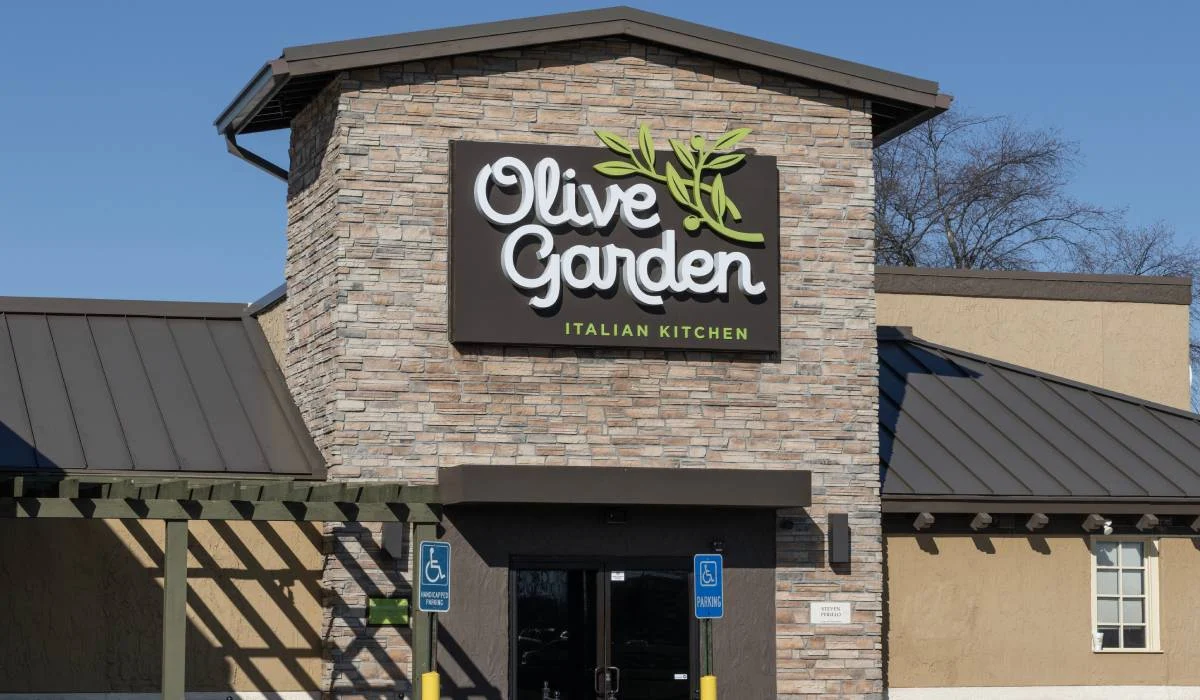
Olive Garden, Darden’s largest brand by revenue, reported a same-restaurant sales increase of 1 percent for the quarter. Guest counts experienced an estimated 150 to 200 basis points of pressure resulting from the aforementioned World Cup interference and consumer caution surrounding lettuce safety reports. However, rather than viewing these challenges as structural declines, Darden executives identified them as opportunities to aggressively re-engage consumers through targeted marketing and menu evolution.
Weekday lunch has historically represented approximately 20 percent of Olive Garden’s total traffic. In the wake of shifting post-pandemic work patterns, however, this specific daypart has underperformed relative to dinner and weekend operations. Performance metrics for weekday lunch currently lag pre-pandemic levels by hundreds of basis points.
"We’ve seen a little bit more deterioration at lunch than we have in any other place," said Darden Chief Executive Officer Rick Cardenas during the company’s quarterly earnings conference call with analysts. "We thought it was time, and it was already in our five-year plan to work on lunch."
To address this gap, Darden plans to roll out promotional campaigns for its classic lunch offerings during the current quarter while actively testing a new weekday lunch platform designed to offer greater variety and value to time-conscious midday diners.
Concurrently, Olive Garden has addressed shifting consumer appetites through the introduction of lighter-portion entrées. Interestingly, these smaller portions have gained their highest traction during weekend lunch periods, a time when Olive Garden does not traditionally operate a separate, restricted lunch menu. According to internal data cited by Cardenas, guests who purchase these lighter-portion options demonstrate higher visit frequencies than those who do not, validating the long-term strategic value of the initiative.
The brand also orchestrated a major marketing event with the return of its iconic Never-Ending Pasta Bowl promotion at the beginning of the second quarter, following a six-year hiatus from the menu. To modernize the offering, Olive Garden introduced contemporary culinary additions such as Spicy Alfredo sauce and Shrimp Fritta. While the starting price of the promotion was raised—moving away from the $13.99 price point that had remained static for nearly five years—the unlimited protein add-on was maintained at $4.99.
Early operational results from the revived promotion have significantly exceeded internal projections. Consumer demand for protein add-ons has outpaced historical benchmarks, and all 10,000 limited-release Never-Ending Pasta Passes sold out almost instantly upon release. Protein-forward menu engineering is also permeating regular dinner selections; a higher-priced dish featured in the recent Season of Garlic promotion emerged as the top-performing item in the lineup, paving the way for further experimentation following the successful rollout of the Calabrian Steak & Shrimp Bucatini.
LongHorn Steakhouse and Yard House Drive Portfolio Momentum
While Olive Garden executes its turnaround strategies, LongHorn Steakhouse continues to serve as an unmitigated growth engine for the corporation. LongHorn delivered the strongest performance among Darden’s major brands, posting a 6.8 percent increase in same-restaurant sales. This achievement marks the steakhouse chain’s 22nd consecutive quarter of positive same-restaurant sales growth. Total sales for the segment grew by 10.9 percent, while the segment profit margin climbed 60 basis points to reach 18 percent.
LongHorn expanded its physical footprint by adding 29 net new restaurants compared to the same period in the previous fiscal year. Notably, this exceptional financial performance has been achieved with minimal traditional advertising spend. CFO Raj Vennam highlighted that LongHorn has accumulated a 17 percent increase in same-restaurant sales over a three-year period without relying on heavy marketing outlays. Looking ahead to the second quarter, LongHorn plans to introduce new menu items and operational upgrades designed to capture additional market share across both lunch and dinner dayparts. Regarding commodity pressures, Darden anticipates that beef costs will rise at a low-single-digit rate throughout fiscal 2027, remaining well within the parameters of its initial fiscal forecasts.
Yard House emerged as another standout performer, registering an impressive 10 percent same-restaurant sales gain. The brand received an estimated 180-basis-point boost during the first quarter as sports enthusiasts packed dining rooms and bars to view World Cup matches. This robust momentum propelled Yard House past a significant milestone, with trailing 52-week sales surpassing $1 billion. Yard House is now the third brand in Darden’s corporate portfolio to achieve this distinction, joining Olive Garden and LongHorn Steakhouse.
Darden plans to accelerate Yard House’s physical expansion by opening 13 new restaurants during the fiscal year. This growth strategy includes the strategic conversion of five former Bahama Breeze locations into Yard House units. To optimize capital expenditure and expand real estate opportunities, half of the remaining new unit openings will utilize a newly developed, smaller prototype designed to lower construction costs while maintaining high average unit volumes, which currently stand at $10.5 million. Cardenas articulated a long-term strategic vision to grow the Yard House brand at a high-single-digit annual rate.
Broader Portfolio Dynamics: Cheddar’s, Chuy’s, and Fine Dining
Beyond its primary growth drivers, Darden’s broader portfolio exhibited steady operational progress and integration milestones. Cheddar’s Scratch Kitchen is positioning itself for accelerated unit expansion over the medium term, supported by improving operational metrics, refined menu offerings, and a modernized prototype. Darden’s near-term real estate strategy for Cheddar’s focuses on infill development within markets where the brand already maintains a strong operational footprint, with a long-term goal of achieving mid-single-digit unit growth.
For Chuy’s, the immediate operational focus centers on achieving brand-wide consistency following its recent acquisition and integration into the Darden corporate family. CEO Rick Cardenas acknowledged that technical hurdles arising from the implementation of a new point-of-sale (POS) system created temporary friction during the transition. Nevertheless, Chuy’s successfully delivered positive same-restaurant sales growth during its first full fiscal year operating under Darden ownership, and management maintains confidence in the brand’s potential to achieve mid-to-high-single-digit unit growth over time.
Darden’s Fine Dining segment reported a more modest 1 percent increase in same-restaurant sales. CFO Raj Vennam noted that corporate and business-related dining budgets continue to experience a slight contraction compared to the previous year, though private dining demand has demonstrated encouraging signs of recovery and growth.
Consumer Resilience and Macroeconomic Outlook
Amid fluctuating economic indicators, inflationary pressures, and intermittent spikes in fuel costs, Darden’s executive team expressed profound optimism regarding the health and stability of the American casual-dining consumer. Throughout the first quarter, customer traffic metrics showed consistent improvement, defying broader retail and economic anxieties.
Addressing analysts regarding consumer sentiment, Cardenas emphasized that the corporation’s data reveals no perceptible pullback in dining-out behavior across its demographic segments. Even as localized factors such as rising gasoline prices exerted pressure on disposable household incomes, patrons continued to prioritize dining experiences across Darden’s portfolio.
"If the consumer is wavering, we’re not seeing it," Cardenas concluded, encapsulating the robust sentiment driving Darden Restaurants as it executes its strategic growth initiatives for fiscal 2027.