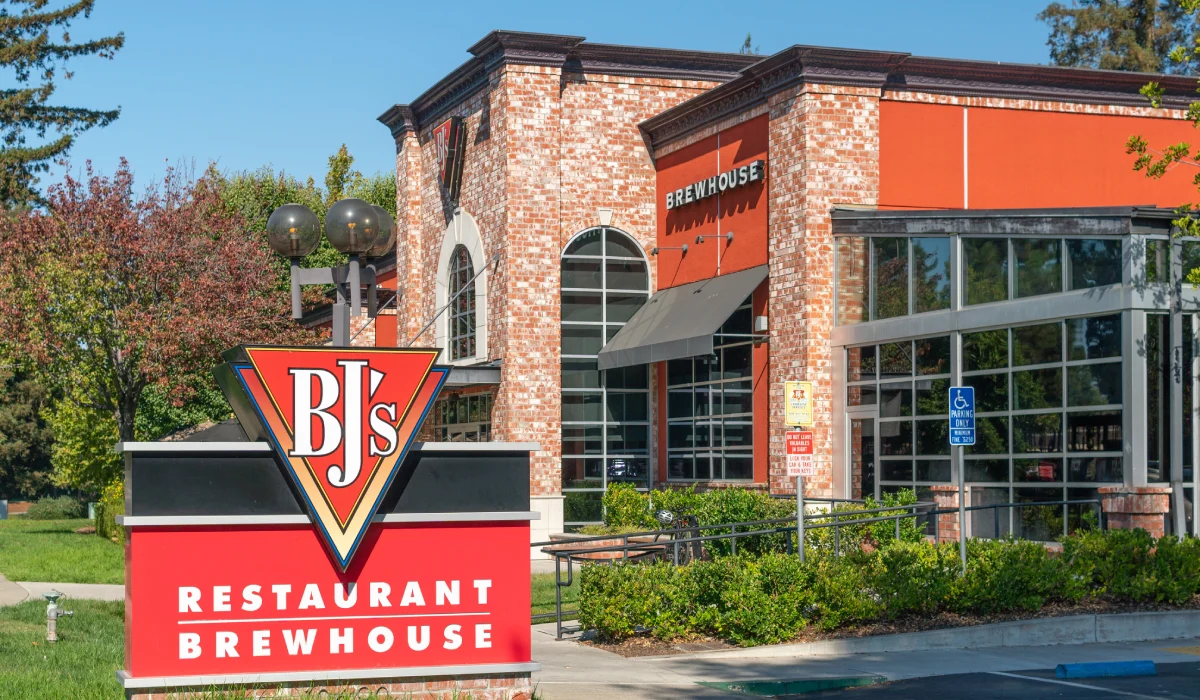

The modern American casual dining landscape is frequently portrayed through a lens of consumer anxiety, tightening household budgets, and erratic traffic trends. Endless data reports suggest that diners are pulling back, trimming their spending, and avoiding sit-down restaurants altogether. However, according to BJ’s Restaurants Chief Executive Officer Lyle Tick, that generalized narrative misses a crucial nuance in consumer behavior. Rather than abandoning dining out entirely, patrons are recalibrating how and when they spend their discretionary dollars, creating a distinct bifurcation in the full-service restaurant sector.
Speaking at the Barclays Annual Global Consumer Staples Conference, Tick offered a detailed breakdown of this shifting consumer dynamic. He categorizes current restaurant traffic into two distinct buckets: "durable and disposable transactions." While disposable transactions—such as routine weekday lunches or quick, uninspired dinners on the way home from work—are often sacrificed by budget-conscious consumers, durable transactions are fiercely protected. These represent the "social splurge space," encompassing weekly or bi-weekly gatherings with friends and family where the primary objective is shared experience.
This consumer prioritization of experiential dining has favored specific industry leaders, most notably brands like Chili’s and BJ’s Restaurants, which have successfully captured the social occasion market. Rather than relying on temporary promotional gimmicks or steep discounting, BJ’s has engineered a multi-year turnaround strategy focused on holistic value. By simultaneously upgrading product quality, elevating service standards, modernizing physical atmospheres, and investing heavily in employee satisfaction, the company has positioned itself to win a larger share of a discerning consumer base.
The results of this comprehensive operational overhaul speak for themselves. BJ’s is currently riding an unprecedented wave of positive momentum, coming off one of its strongest financial periods in recent memory. During the second quarter, the chain posted an impressive same-store sales growth of 6.5 percent, propelled by a staggering 8.3 percent surge in customer traffic. This milestone marked the brand’s eighth consecutive quarter of positive comparable sales and traffic growth, delivering its highest comparable sales bump in three years and its highest traffic volume in four years. Furthermore, holiday performance exceeded expectations, with Mother’s Day and Father’s Day sales spiking by more than 8 percent and 3 percent year-over-year, respectively. More than 80 individual restaurant locations broke daily or weekly sales records during these periods. Notably, BJ’s experienced broad-based growth across all geographical regions, dayparts, and sales channels, proving that its appeal extends far beyond isolated pockets or specific times of the week.
Understanding the Blueprint: A Multi-Year Transformation
For a publicly traded company navigating the rigorous scrutiny of Wall Street, analysts and investors frequently search for a single catalyst to explain sudden surges in financial performance. However, Tick and Executive Vice President and Chief Financial Officer Todd Wilson emphasize that BJ’s resurgence is not the product of a silver bullet. Instead, the company’s success is the cumulative result of a patient, multi-year foundation-building strategy initiated long before these record-breaking quarters materialized.

Tick assumed the role of CEO in June 2024, having previously served as the brand’s president and chief concept officer, alongside a tenure as brand president of Buffalo Wild Wings from 2018 to 2023. Upon taking the helm, he recognized that sustainable long-term value could not be achieved through short-term fixes. The executive team deliberately chose to balance Wall Street’s insatiable appetite for quarter-to-quarter metrics with a steadfast commitment to building a fundamentally sound business over time.
This strategic roadmap began with baseline operational fixes aimed at improving both guest and employee metrics. Once operational stability was established, BJ’s systematically addressed its product portfolio, beginning with a comprehensive reinvention of its foundational menu item: pizza. Rolled out in the fall, the upgraded pizza platform successfully repaired eroding customer satisfaction scores and reversed lagging sales in a category that touches roughly 20 percent of all guest checks while representing 6–7 percent of total sales.
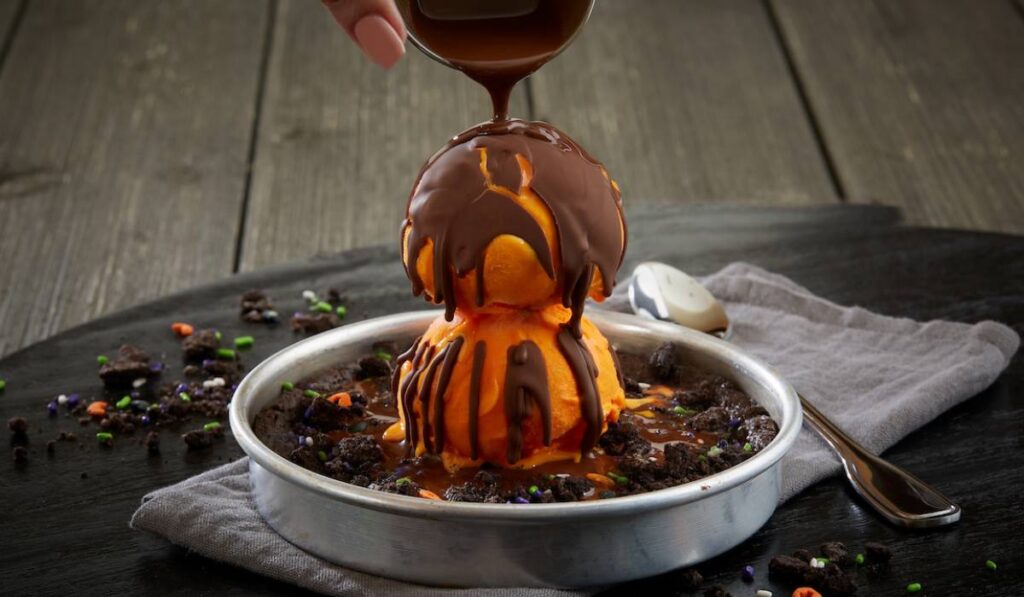
Following the pizza overhaul, the brand systematically elevated its burger platform earlier in the year, followed by fine-tuning its chicken sandwiches. Concurrently, BJ’s unlocked the full marketing and traffic-driving power of its signature dessert, the Pizookie, while injecting significant capital back into its physical facilities through an aggressive restaurant remodel program.
The financial dividends of this patient, foundational approach have been substantial. Over the multi-year stretch of operational and culinary refinements, BJ’s added approximately $500,000 to its average-unit volume (AUV) line, generated roughly $220,000 in incremental restaurant-level cash flow, and expanded its operating margins by an impressive 240 basis points.
Navigating Unit Development and Long-Term Pipelines
While existing store profitability and same-store sales growth have exceeded expectations, investors frequently pivot questions toward unit development and physical expansion. Todd Wilson addressed these inquiries by noting that BJ’s is deliberately prioritizing internal unit-level economics and operational excellence in the near term, planning to open two new stores within the current year.
At the same time, the real estate development pipeline remains active. The brand is actively scouting new sites, negotiating with landlords, and signing leases for future locations. Wilson emphasized that the impressive proof points demonstrated over the past eight consecutive quarters of sales and margin expansion validate the strength of the underlying business model, laying a solid foundation for future growth. Because commercial real estate development typically requires a 12- to 24-month lead time, BJ’s is methodically constructing a pipeline designed for sustainable, high-performing expansion rather than rushed, speculative building.
Redefining the Menu and Dispelling Industry Trends
Amid widespread industry anxiety surrounding the rise of GLP-1 weight-loss drugs and shifting dietary trends, executive leadership at BJ’s maintains a pragmatic view of consumer behavior. When the company recently conducted market tests for shareable sides, the most decadent, over-the-top menu item significantly outperformed all healthier alternatives.
Tick drew a parallel to observations from airline catering executives, who routinely note that passengers overwhelmingly choose traditional steak and potatoes over healthier menu options despite stating a preference for lighter fare. This behavioral dichotomy reinforces Tick’s thesis that the social splurge occasion remains resilient. While consumers may monitor their diets during routine weekday meals, they view dining out as an experiential reward where taste, indulgence, and craveability take precedence.
BJ’s is hyper-attentive to the demand for real, fresh food cooked from scratch where it matters most, ensuring that every culinary innovation delivers a high level of satisfaction. Following the successful elevation of pizzas, burgers, and chicken sandwiches—which collectively account for roughly 25 percent of total sales—the culinary team is turning its attention to other core menu pillars. Over the next 12 to 18 months, BJ’s plans to systematically evaluate and refine every category on its menu, including steaks, the signature Slo Roast offerings, salads, and specialty entrees. This comprehensive menu evolution aims to deliver a holistic dining offering that aligns with modern consumer preferences while maintaining favorable business financials and high margins.
Operational Excellence and Front-of-House Execution
The impressive milestones achieved during peak holiday periods and across routine operating days are fundamentally rooted in disciplined, back-of-the-house and front-of-house execution. Led by Chief Operating Officer Christopher Pinsak—who advanced through leadership roles including chief restaurant operations officer and senior vice president of operations—BJ’s has rigorously optimized store-level execution.
Operational priorities have focused tightly on maintaining clean shoulder periods, preventing artificial table waits, streamlining kitchen throughput, and ensuring that un-bussed tables are addressed within minutes to project a constant sense of hustle and urgency. Furthermore, approximately one-third of BJ’s restaurant network has successfully integrated an AI-powered activity-based labor forecasting model. This technology ensures that staffing levels are precisely calibrated to match customer volume, deploying more labor during peak operational hours to maximize throughput and reducing staffing during slow periods.
By refining order entry sequences on Kitchen Display Systems (KDS) and maintaining an active feedback loop between general managers, executive kitchen managers, and corporate leadership, BJ’s has established a continuous operational improvement process. High-performing locations have demonstrated an enhanced capacity to churn higher traffic and sales volume, providing management with clear visibility into the brand’s long-term potential.
Revitalizing the Loyalty Ecosystem and Acquisition Flywheels
Beyond culinary and operational enhancements, BJ’s has strategically overhauled its customer loyalty program to transform trial visits into long-term retention. Historically, the brand relied on offering a free Pizookie immediately upon sign-up to drive initial app downloads and customer acquisition. However, data revealed that while this incentive successfully drove trial, it frequently failed to incentivize second visits or build lasting brand loyalty.
In response, BJ’s adjusted its loyalty mechanic so that new users earn their promotional reward on their subsequent visit. Although this shift initially resulted in a modest dip in raw sign-up numbers, it fundamentally transformed the quality of the acquisition funnel, driving a significant increase in repeat visits and active loyalty participation. Today, active loyalty members increase their average dining frequency from under two visits per year to nearly four visits annually.
The company also addressed execution flaws within the dining room regarding loyalty program promotion. Servers previously waited until the end of the meal to ask guests about joining the program—a moment when patrons are typically eager to receive their check and depart. By shifting the conversation to the beginning of the meal and making customers feel recognized and valued early in the dining experience, BJ’s sparked a dramatic surge in daily sign-ups.
Through a disciplined combination of foundational operational fixes, targeted menu reinventions, disciplined unit development, and a refined approach to customer loyalty, BJ’s Restaurants has constructed a resilient, future-proof business model. As CEO Lyle Tick and his executive team continue executing their long-term playbook, the brand’s sustained traffic growth and expanding profit margins serve as a compelling testament to the power of holistic value creation in modern casual dining.