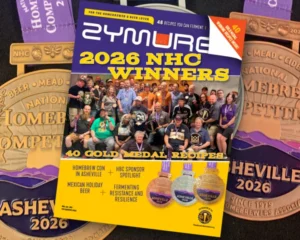

The American Homebrewers Association has officially released the comprehensive catalog of medal-winning recipes from the final round of the 2026 National Homebrew Competition. Representing the pinnacle of amateur fermentation, the newly published collection highlights the incredible creativity, technical precision, and dedication of homebrewers from across the United States and international communities. Spanning diverse styles of beer, mead, and cider, these recipes offer an invaluable look into the techniques used by the world’s most accomplished amateur practitioners.
Background and Significance of the National Homebrew Competition
As the largest annual amateur beer, mead, and cider competition in the world, the National Homebrew Competition serves as a cornerstone of the global homebrewing community. Organized annually by the American Homebrewers Association—a division of the Brewers Association—the event provides a platform for hobbyists to have their craft rigorously evaluated by certified judges and recognized for exceptional quality.
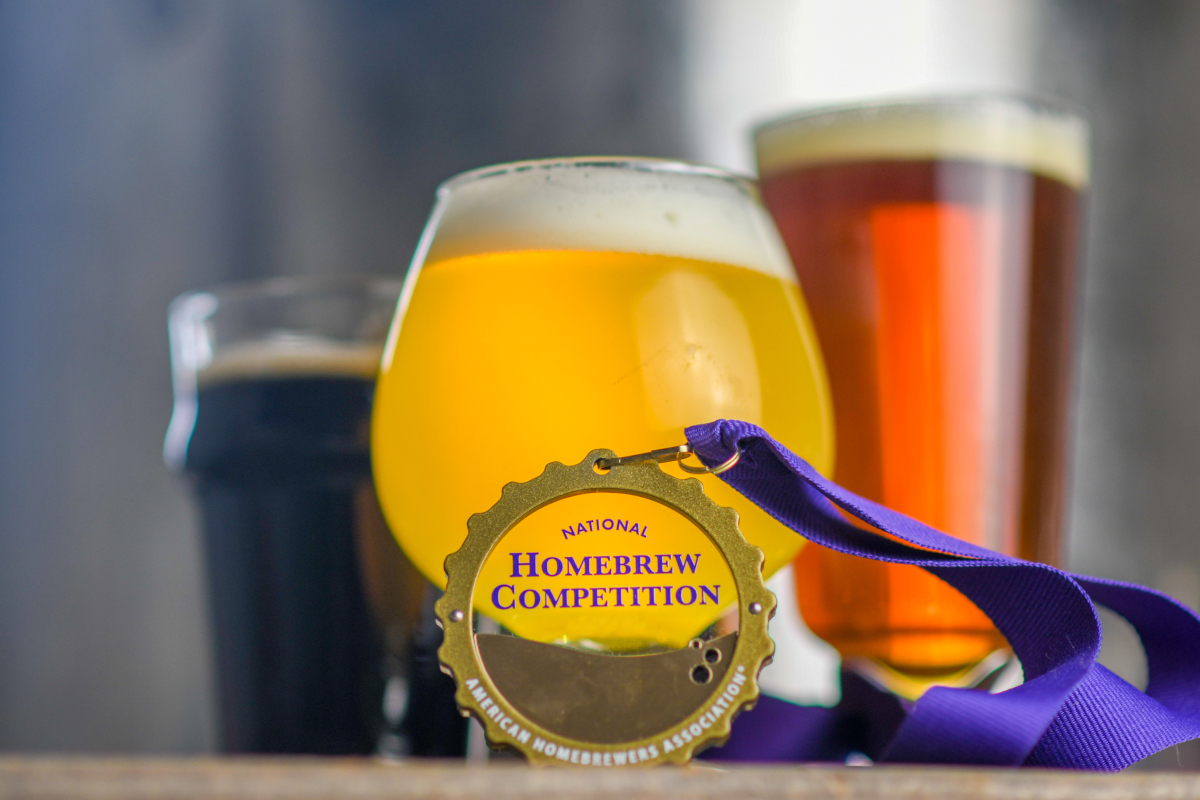
The competition process begins at the regional level, where thousands of entries are submitted across dozens of distinct categories established by the Beer Judge Certification Program. The top entries advance to the final round, where a panel of master judges evaluates the nuances of aroma, appearance, flavor, and mouthfeel to determine the gold, silver, and bronze medalists. Releasing the winning recipes has become an anticipated tradition, allowing fellow brewers to study the grain bills, hop schedules, yeast strains, and fermentation profiles of the best-of-the-best.
Chronology of the 2026 Competition Lifecycle
The road to the 2026 final round spanned several months of intense preparation, local judging, and rigorous logistical coordination.
The journey commenced in early winter with the opening of registration and entry submissions, drawing thousands of hopeful participants eager to showcase their latest brewing innovations. By mid-spring, first-round regional judging events took place across multiple decentralized sites, narrowing the vast field of entries down to the elite finalists.

The final round judging culminated in June 2026, where the highest-scoring entries competed for top honors. Following the official announcement of the medalists at the annual awards ceremony, the technical team compiled the precise brewing specifications for the gold medal winners. The publication of these recipes in late June marks the final phase of the annual competition cycle, immediately providing educational resources to the wider brewing community.
Detailed Breakdown of Award-Winning Formulations
The newly published 2026 catalog features a wide array of experimental brews and traditional styles, demonstrating both historical reverence and modern culinary experimentation. Detailed metrics for selected gold medal-winning entries emphasize the diverse chemical profiles required to achieve top-tier status:
- German Pils (Previously "String of Perles"): Striking a delicate balance between malt sweetness and noble hop bitterness, this crisp lager features an Alcohol By Volume (ABV) of 5.2%, 35 International Bittering Units (IBUs), and a pale SRM (Standard Reference Method) color rating of 3.4.
- Czech Amber Lager: Offering a richer malt profile characteristic of central European brewing traditions, this entry registers at 5.6% ABV, 35 IBUs, and an SRM of 14.
- International Dark Lager: Displaying a deeper color spectrum with restrained bitterness, this formulation comes in at 5.3% ABV, 15 IBUs, and an SRM of 19.
- Hickory Dickory Weizenbock: A heavy-hitting wheat bock that pushes the boundaries of traditional gravity, boasting a 7.9% ABV, 17.6 IBUs, and an SRM of 12.4.
- The Bitter Formally Known as Herbal Joe’s: A classic British-style bitter profile reimagined with a modern twist, containing 4.2% ABV, 38 IBUs, and an SRM of 11.
- *Kiss Me I’m Shtfaced:** A sessionable yet complex ale registering 4.7% ABV, 24 IBUs, and an SRM of 13.
- Smooth Hoperator: An approachable hop-forward creation featuring 5.8% ABV, 47 IBUs, and a light SRM of 6.
- Tall Tall Trees: A balanced ale yielding 5.9% ABV, 41 IBUs, and an SRM of 14.
- English as a Second Porter: A robust dark ale presenting a hearty 6.7% ABV, 41 IBUs, and a very dark SRM of 36.
- So Extra: Pushing the limits of dark specialty grains, this brew records 6.5% ABV, 36 IBUs, and an SRM of 37.
- Aphotic: A brooding, opaque creation featuring 5.5% ABV, 30 IBUs, and an SRM of 30.
- Good Grief Charlie Brown: An aggressive dark ale marked by substantial bitterness, registering 6.75% ABV, 62 IBUs, and an SRM of 36.
- Hard Days Night: A high-gravity specialty beer delivering a potent 10.4% ABV, 38 IBUs, and an SRM of 22.
- BDSM: An exceptionally strong, dark specialty beverage reaching an impressive 11.2% ABV, 26 IBUs, and an SRM of 30.
- Not If We Jam It!: A lower-gravity experimental creation featuring 4.6% ABV, an SRM of 5, an Original Gravity (OG) of 1.048 (12°P).
- Toasted Scout: A robust, high-alcohol dark beer presenting 9.1% ABV, 67 IBUs, and an SRM of 39.
- Meaders Added Context…: A high-alcohol mead achieving 11.55% ABV, an Original Gravity of 1.090 (21.5°P), and a Final Gravity (FG) of 1.002 (0.5°P).
- Century Cyser: An apple-honey hybrid mead recording 9.5% ABV, an Original Gravity of 1.075 (18.2°P), and a remarkably dry Final Gravity of 0.998 (-0.5°P).
- Midnight Zin: A specialty fermentation featuring an SRM of 12 and an Original Gravity of 1.090 (21.5°P).
- Smoking Cassis: An intensely concentrated high-gravity mead or specialty beverage boasting 16% ABV, an SRM of 18, and a massive Original Gravity of 1.160 (36.2°P).
- Westside HoneyCrisp: A crisp artisanal cider showcasing 7.6% ABV, an Original Gravity of 1.054 (13.3°P), and a fermented Final Gravity of 0.996 (-1.04°P).
- Eyes Pie Perry: A pear-based cider exhibiting high residual sugar and gravity, with 14% ABV, an Original Gravity of 1.169 (38°P), and a Final Gravity of 1.066 (16.2°P).
In addition to these quantitative entries, the gold medal lineup includes creatively named fan favorites such as La Creama, Cabo, Fellowship, Boom Boom Munich Original, 530 Blonde, I’m Not Left-Handed Either, Steph’s Morning Star, Numanium, Stop Dopp and Roll, Three Tsarina’s Imperial Stout, Floral Loral, Bière Ambrée, Lambicus, Tropic Like It’s Hot, Beer for Micheladas, Deep Temerity Christmas Ale, Also Trank Zarathustra, and Krampus.
Perspectives from Industry Organizers and Participants
While specific individual quotes from the 2026 winners are traditionally gathered during post-event celebratory panels, representatives from the American Homebrewers Association have consistently emphasized the educational mission driving the publication of these recipes.
Leadership within the association notes that the transition from a closed competition to an open-source recipe archive fosters a collaborative environment unlike any other culinary hobby. By dismantling the secrecy surrounding award-winning formulations, the homebrewing community accelerates collective knowledge regarding water chemistry, yeast management, and modern hopping techniques.
Furthermore, commercial craft breweries frequently monitor these winning recipes to identify emerging consumer taste profiles and innovative ingredient combinations, occasionally collaborating with top-tier amateur brewers to scale up their award-winning formulas for commercial production through pro-am brewing initiatives.
Broader Economic and Cultural Implications
The National Homebrew Competition is much more than a showcase for hobbyists; it plays a vital role in the broader fermentation ecosystem. Amateur brewing has historically served as an incubator for the commercial craft beer industry. Many professional brewmasters, founders of regional craft breweries, and commercial cidermakers began their careers by entering and winning medals in competitions facilitated by the American Homebrewers Association.
By analyzing the technical data released from the 2026 competition, industry analysts can observe shifting consumer and producer trends. The prevalence of precise lager metrics, complex high-gravity meads, and innovative fruit-infused ciders reflects a maturing amateur market that continually pushes past traditional boundaries. As homebrewers increasingly adopt laboratory-grade quality control practices—such as precise pH monitoring, yeast cell counting, and dissolved oxygen reduction—the quality gap between amateur and professional operations continues to narrow.
The complete database of winning recipes from 2026, alongside historical archives dating back decades, remains accessible to members via the official HomebrewersAssociation.org recipe archive. This resource ensures that the dedication, experimentation, and artistry of the 2026 finalists will continue to inspire and educate the next generation of fermenters worldwide.