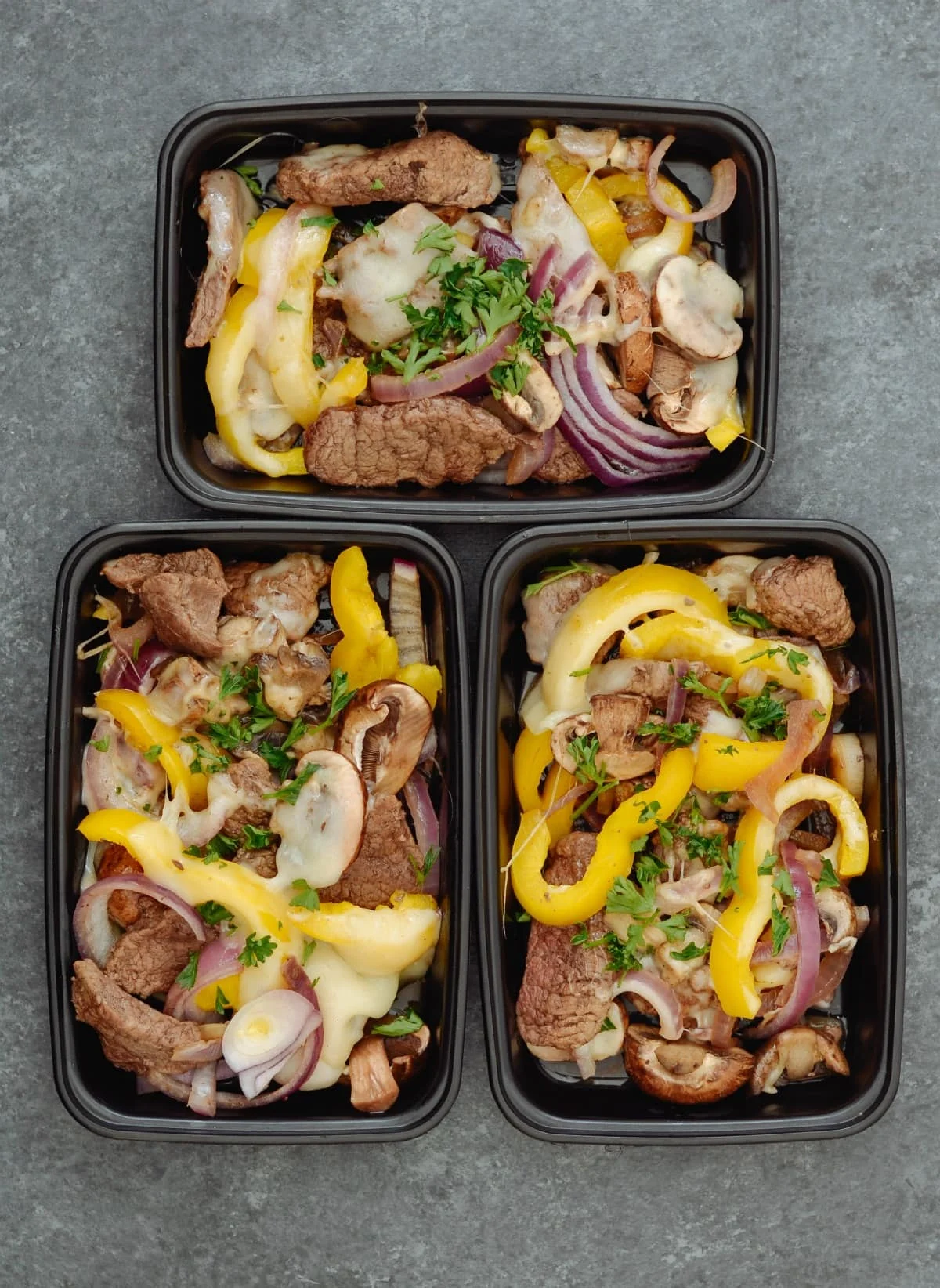

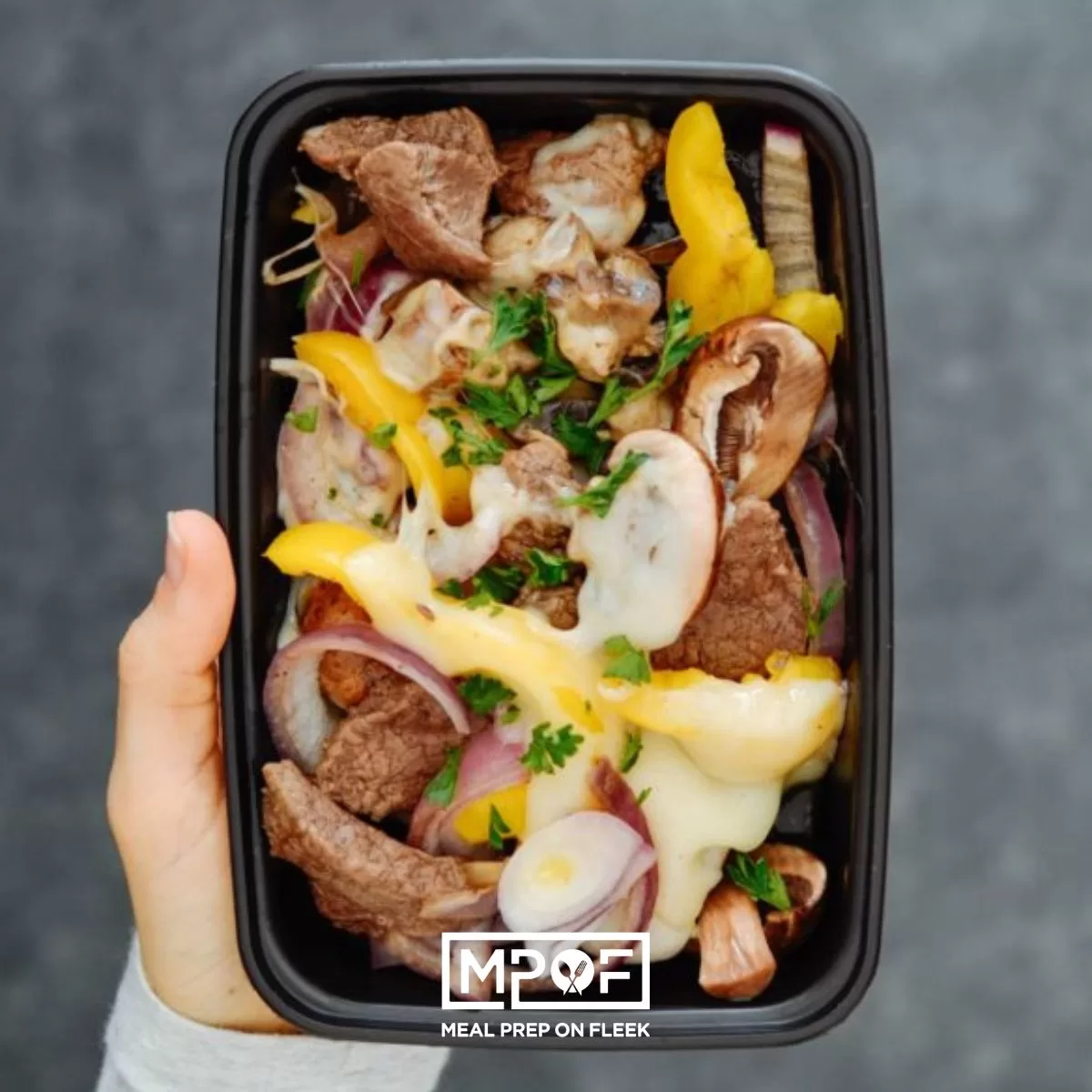
The Philadelphia cheesesteak, a hallmark of American regional cuisine, has transcended its origins as a humble street-food sandwich to become a versatile component of modern nutritional meal planning. While the traditional preparation—shaved ribeye, melted cheese, and sautéed onions on a long roll—remains a cultural touchstone, contemporary dietary trends have driven a significant evolution in how this dish is conceptualized, prepared, and consumed. Through the implementation of high-heat cooking techniques like griddling, the cheesesteak has been successfully adapted into a high-protein, low-carbohydrate meal prep staple that maintains the integrity of the original flavor profile while meeting modern health-conscious demands.
The Historical Genesis of the Cheesesteak
The origins of the cheesesteak are inextricably linked to the economic landscape of 1930s Philadelphia. Historical records provided by Visit Philadelphia indicate that the dish was popularized by brothers Pat and Harry Olivieri. Legend suggests that the brothers, who operated a hot dog stand, experimented with thinly sliced beef and grilled onions as a culinary alternative to their standard offerings. A local cab driver reportedly sampled the invention, and its subsequent popularity transformed it into a fixture of South Philadelphia.
The establishment founded by the brothers, Pat’s King of Steaks, continues to operate today as a 24-hour institution. For nearly a century, the core components of the dish—thinly sliced steak and savory aromatics—have remained consistent. However, the 21st-century shift toward meal preparation—a practice defined by the advance portioning of ingredients to ensure consistency in dietary intake—has required a modular approach to this classic, separating the core components from the traditional carrier, the hoagie roll.

Technical Evolution: The Shift to Griddle Cooking
The transition from a sandwich-based consumption model to a containerized meal prep format has necessitated a change in cooking methodology. While traditional skillet cooking is sufficient for single-serving meals, the professional-grade flat-top griddle has become the preferred instrument for enthusiasts and meal-prep specialists.
The engineering advantage of the griddle lies in its surface area. Unlike a standard skillet, which often crowds ingredients and results in the steaming of meat and vegetables, the griddle allows for the Maillard reaction—a chemical reaction between amino acids and reducing sugars that gives browned food its distinctive flavor. By distributing the thinly sliced ribeye and aromatics across a larger, high-heat surface, the cook achieves superior browning and crispy, caramelized edges that are technically difficult to replicate in deep-walled cookware.
Culinary Innovations: The Hatch Chile Integration
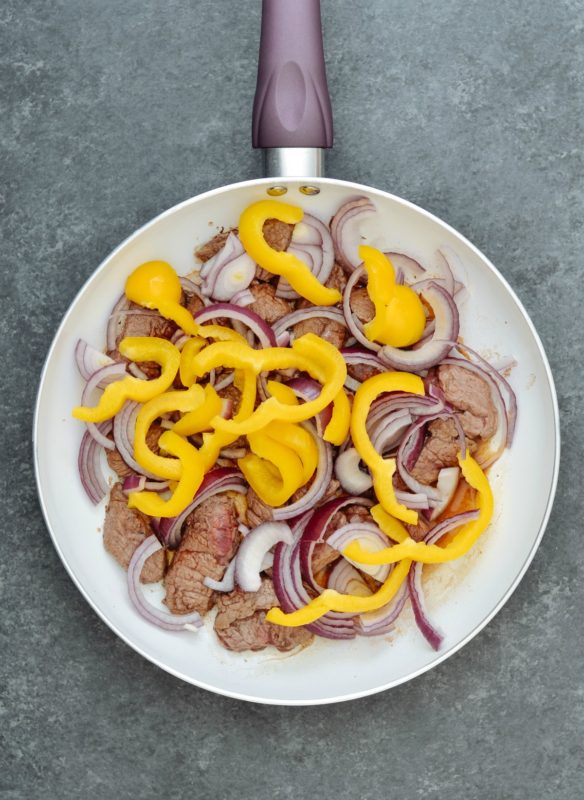
A significant development in the diversification of the cheesesteak is the incorporation of seasonal, regional ingredients such as the Hatch chile. Originating from the Hatch Valley in New Mexico, these peppers possess a unique flavor profile characterized by a smoky, moderate heat that complements the high fat content of ribeye steak.
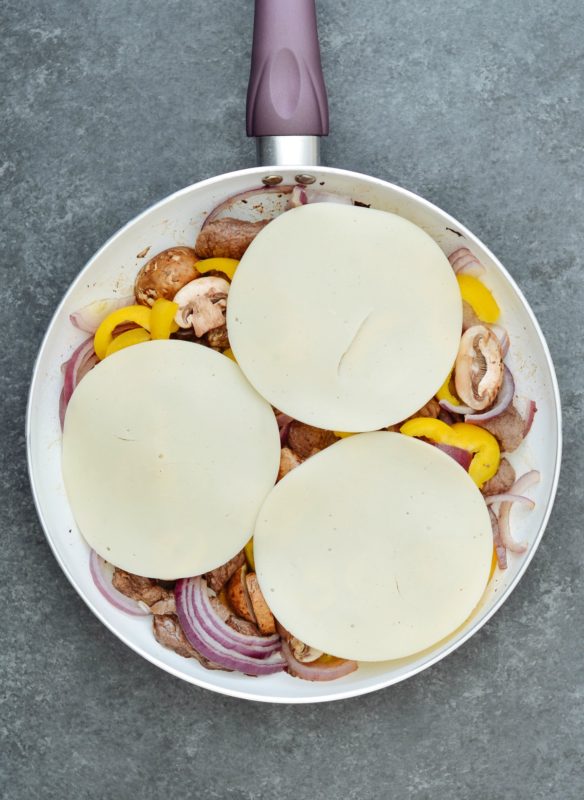
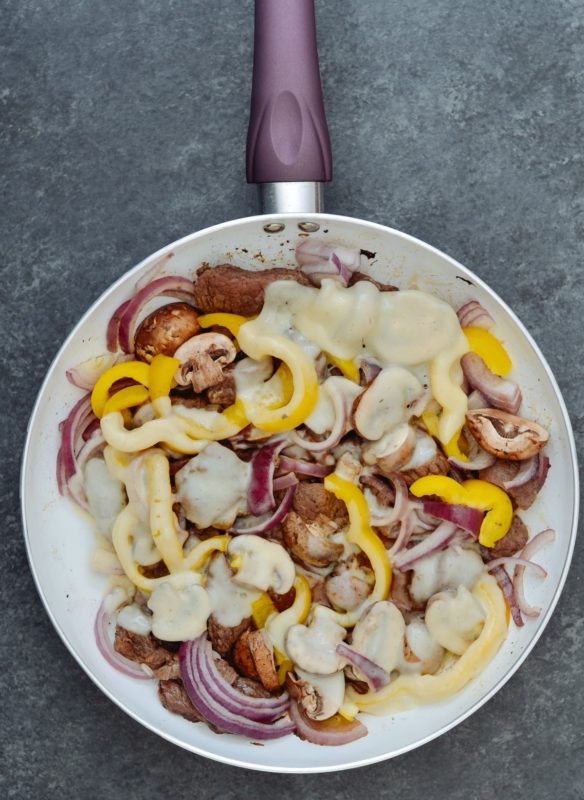
This variation represents a departure from traditional "Philly-style" expectations but aligns with broader culinary trends that favor regional fusion. In this context, the Hatch chile acts as an acidic and spicy counterpoint to the richness of the beef and the creaminess of the cheese—typically provolone, mozzarella, or white American. For the meal-prep community, the integration of these peppers is not merely a flavor choice; it provides a low-calorie method to introduce complex sensory experiences into a meal that might otherwise be perceived as monotonous.
Nutritional Analysis and Dietary Implications
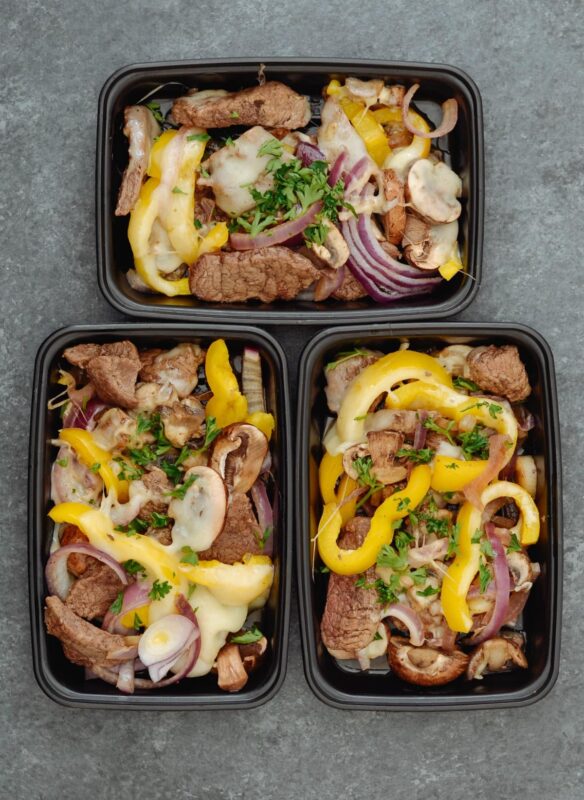
For the modern consumer, the "low-carb" variant of the cheesesteak is a strategic nutritional choice. By removing the hoagie roll, which typically contributes 40 to 60 grams of carbohydrates, the meal is reduced to a high-protein, fat-dense profile.
According to standard nutritional benchmarks for a single serving of this meal prep version:
- Protein: Approximately 35–38 grams, facilitating muscle protein synthesis.
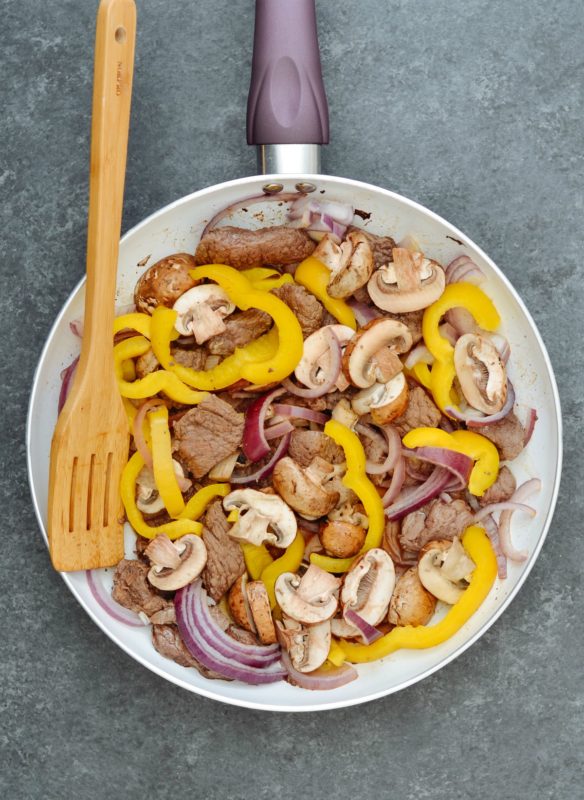
- Carbohydrates: Approximately 10 grams, largely derived from the onions, mushrooms, and peppers.
- Fat: 14–24 grams, depending on the cut of beef used (ribeye versus sirloin).
This macronutrient ratio is highly favored by individuals following ketogenic or low-glycemic dietary protocols. The inclusion of vegetables such as mushrooms and onions adds micronutrients and fiber, which are essential for digestive health, while the beef provides critical iron and B12 vitamins.
Practical Application: Meal Prep Strategy
The efficiency of this recipe for weekly planning is rooted in its scalability. When prepared on a large-scale griddle, one session can yield enough food for multiple days, addressing the common logistical challenges of weekly meal planning.
- Preparation Phase: Thinly slicing the beef (preferably while partially frozen to ensure uniformity) is the most critical step.
- Thermal Processing: The griddle is preheated to high heat. Beef and aromatics are cooked in rapid succession to ensure the meat remains tender rather than overcooked.
- Storage Logic: To prevent food quality degradation, it is industry standard to store the protein/vegetable mixture separately from any carbohydrates (like rolls) that might be consumed. This prevents moisture migration, which leads to soggy bread.
- Reheating Protocols: Reheating in a skillet or on a secondary heat source is recommended over microwave heating, as it allows for the preservation of texture.
Professional Perspectives on Culinary Adaptability
Culinary experts note that the success of the cheesesteak as a meal-prep item lies in its high "reheatability." Unlike many other proteins, the fat content in a well-marbled ribeye prevents the meat from becoming desiccated during the refrigeration and subsequent reheating process.
"The key to a successful meal-prep cheesesteak is the fat-to-meat ratio," says one culinary consultant. "Using sirloin is a cost-effective alternative for daily lunches, but ribeye remains the gold standard because its intramuscular fat renders down, providing a natural sauce that carries the flavor of the peppers and onions through the reheating process."
Future Trends and Industry Impact
As the demand for high-protein, efficient meal solutions continues to rise, the professionalization of home meal prep has seen an uptick in the acquisition of commercial-grade kitchen equipment by non-professionals. The increased accessibility of home-use flat-top griddles—often marketed as "pro-series" attachments for outdoor grills—indicates that the public is moving toward more sophisticated cooking techniques at home.
This trend has significant implications for food retailers, who are increasingly offering pre-shaved, high-quality steak options in the meat aisle, catering to the demographic that values the speed of assembly offered by the cheesesteak format.
Conclusion
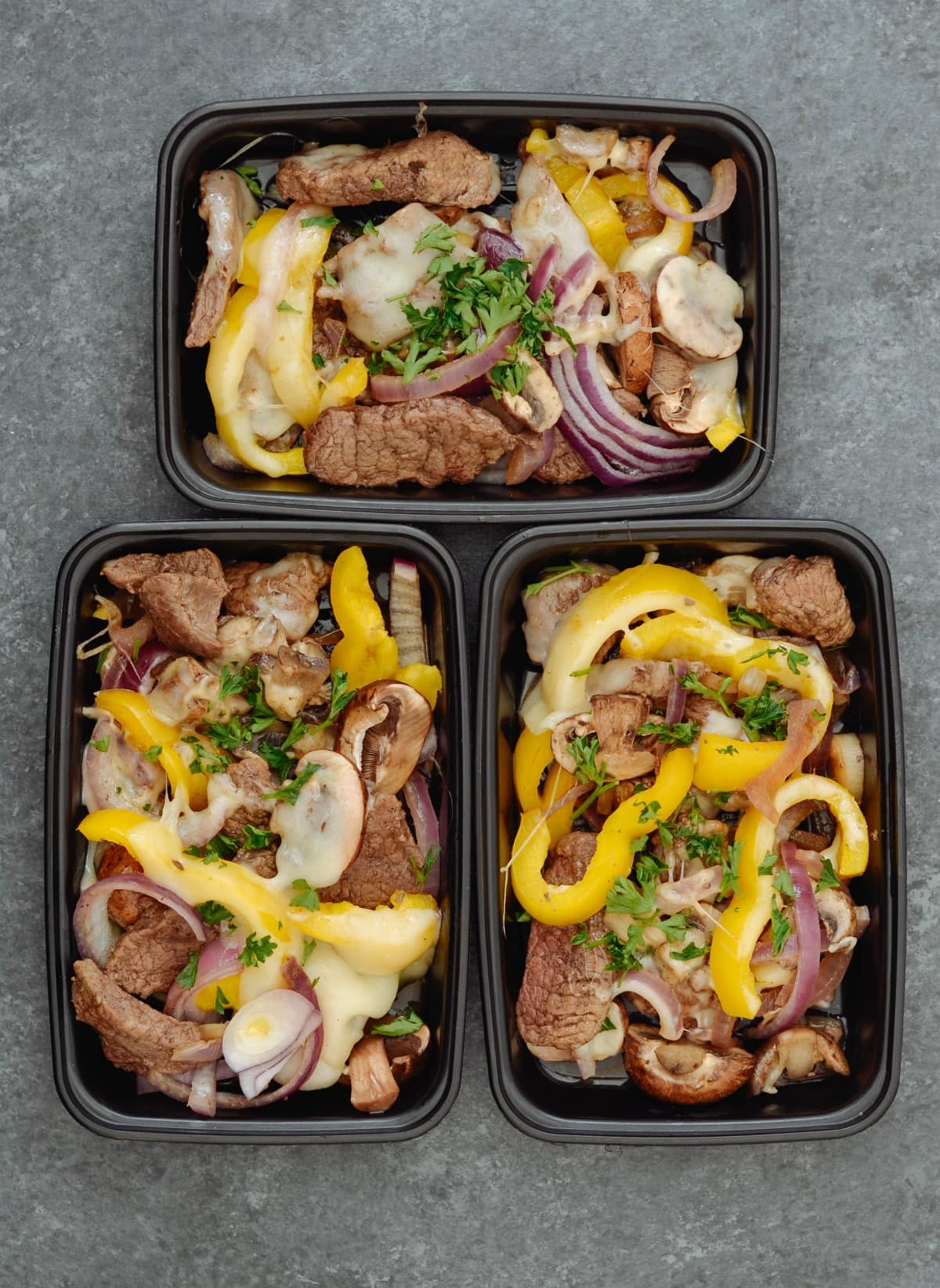
The evolution of the Philly cheesesteak from a local, roll-based street food to a refined, containerized meal-prep staple is a testament to the dish’s fundamental versatility. By shifting the focus from the bread to the quality of the beef, the precision of the searing technique, and the thoughtful incorporation of seasonal flavors, the modern cheesesteak serves as an effective model for functional, healthy, and culturally significant nutrition. Whether enjoyed in its traditional form on a toasted roll or as a low-carb, protein-heavy meal prep container, the dish remains a cornerstone of American culinary ingenuity, proving that even the most traditional recipes can be adapted for the requirements of a modern, fast-paced lifestyle.