
Dough hydration, a seemingly simple numerical value in a bread recipe, is in reality one of the most complex and influential elements in the art of sourdough baking. It represents the delicate interplay between flour, water, and environment, a dynamic relationship that seasoned bakers learn to interpret through touch and observation rather than strict adherence to figures. This comprehensive guide delves into the multifaceted world of dough hydration, exploring its scientific underpinnings, practical applications, and the subtle cues that signal optimal dough consistency, drawing from years of hands-on experience in the pursuit of exceptional sourdough.
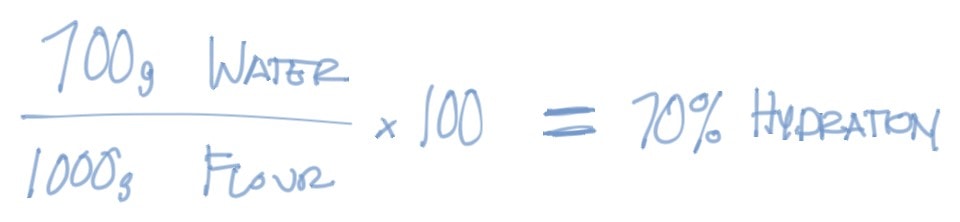
At its core, dough hydration is a straightforward calculation: the total weight of water in a recipe expressed as a percentage of the total flour weight. The formula is simple: (Weight of Water / Total Weight of Flour) x 100. For instance, a recipe calling for 1,000 grams of flour and 700 grams of water yields a hydration level of 70%. This percentage serves as an initial benchmark, offering bakers a predictable expectation of their dough’s behavior before the mixing process even begins. However, experienced bakers understand that this percentage is a guideline, not an immutable law.
The variability of flour itself is a primary reason for this nuance. Flour, sourced from different mills, milled from varying grain types, or even differing between bags of the same brand, possesses unique absorption properties. This inherent inconsistency means that a recipe’s stated hydration level may require on-the-fly adjustments to achieve the desired dough texture and ultimately, the ideal bread characteristics. While environmental factors like humidity and temperature can play a role, their impact is often secondary to the flour’s intrinsic qualities, though significant climatic shifts can necessitate recalibration.
The Science Behind the Water: Why Hydration Matters
The significance of hydration lies in its fundamental role in transforming dry flour into a workable, fermentable dough. Water is the catalyst that initiates gluten development, the protein network responsible for trapping the gases produced during fermentation, which ultimately gives bread its structure and airy crumb.
-
Under-hydration (Typically 60-68%): Dough with insufficient water will be stiff, dense, and resistant to manipulation. This can lead to a bread with a tight, heavy crumb, a thick, chewy crust, and potentially a less developed flavor profile due to inhibited fermentation. While such doughs are easier to handle and shape, they often lack the open, tender interior prized in many sourdough styles. The gluten network, starved of adequate moisture, struggles to expand fully.
-
Optimal Hydration (Typically 68-75%): This range often strikes a balance, yielding dough that is manageable yet possesses good extensibility. The gluten network is well-developed, allowing for a moderately open crumb and a pleasing texture. These hydration levels are frequently found in classic country loaves and baguettes, offering a good entry point for bakers seeking consistent results.
-
High Hydration (Typically 75-85%+): As hydration levels increase, dough becomes more fluid, slack, and challenging to handle. This can result in a bread with a very open, custardy crumb, a delicate, brittle crust, and a melt-in-your-mouth quality. However, excessive hydration can lead to a dough that is difficult to shape, prone to collapsing, and may stale more rapidly if not properly stored. The gluten network is stretched to its limits, demanding careful handling and precise fermentation management.
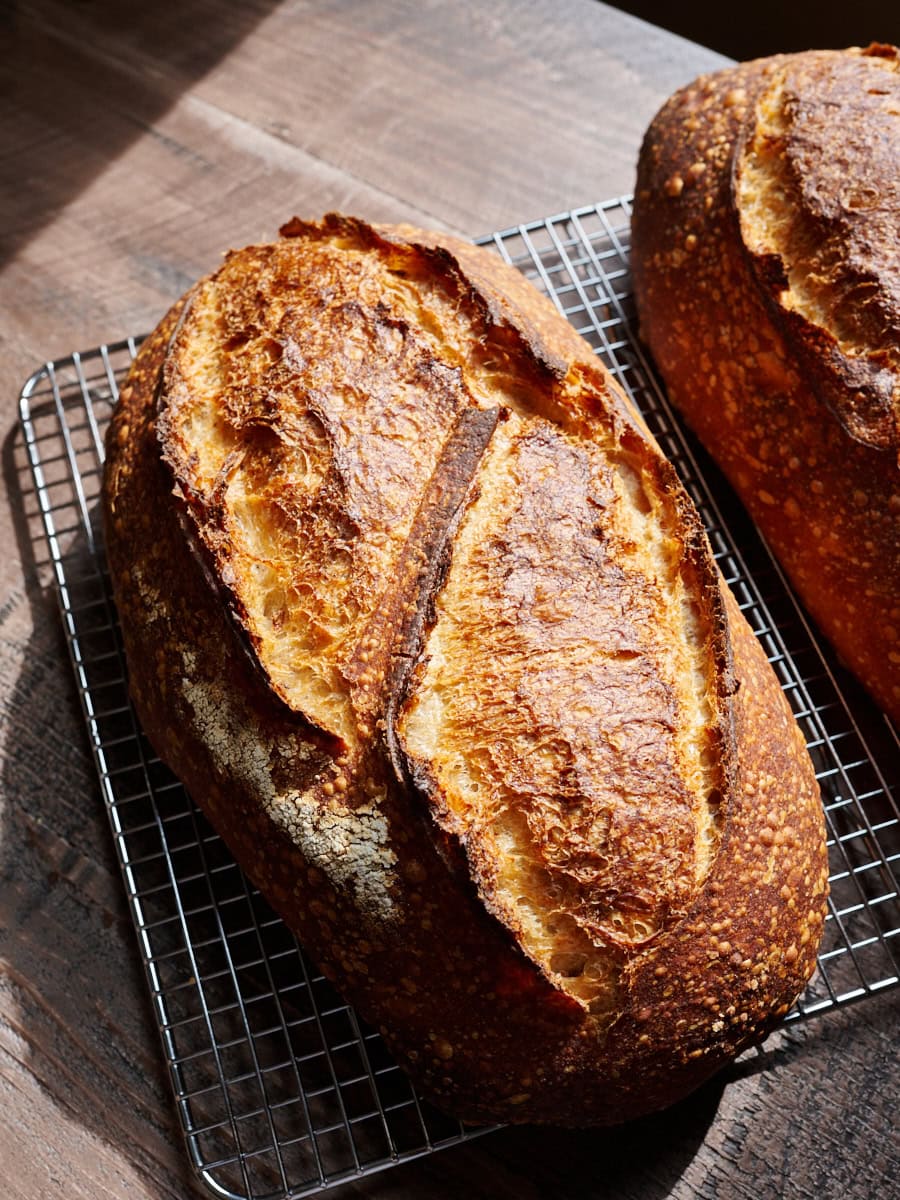
The pursuit of higher hydration is often driven by a desire for specific textural qualities. Many bakers, including this author, gravitate towards higher hydration levels for their ability to produce a thin, crisp crust and a tender, moist crumb. However, this preference is subjective and should not be pursued blindly. The ultimate goal is a loaf that is not only texturally appealing but also palatable and structurally sound. Pushing hydration beyond a certain point, dictated by the flour’s capacity and the baker’s skill, can result in a gummy crumb, structural instability, and diminished shelf life.
The Flour Factor: A Deeper Look
The type of flour used is arguably the most critical determinant of ideal hydration.
-
Protein Content: Flours with higher protein percentages, such as American bread flour (often 12-14%), possess a greater capacity for water absorption. The increased protein content facilitates the formation of a stronger gluten network, which can effectively encapsulate more water, leading to a tender crumb and preventing gumminess. Conversely, flours with lower protein content, common in many European regions, require lower hydration levels to avoid an overly sticky and unmanageable dough.
-
Whole Grain Flours: The bran and germ present in whole wheat, rye, and other whole grain flours are highly absorbent. Recipes incorporating significant percentages of these flours necessitate higher hydration to compensate for the bran and germ’s moisture-binding properties. For example, a 50% whole wheat sourdough might comfortably accommodate 82% hydration, a level that would be problematic for a 100% white flour dough.
-
Freshly Milled Flour: Flour milled at home, even after sifting, tends to absorb more water than aged, commercially milled flour. This increased hydration is crucial for achieving the correct dough consistency.
Environmental Influences
While flour’s inherent properties are paramount, environmental factors can subtly influence hydration needs. Bakers in arid, high-altitude regions, such as New Mexico where this author resides, often find they require higher hydration levels to achieve optimal dough consistency compared to those in humid, low-lying areas. Even minor fluctuations in ambient humidity can impact how much water the flour initially absorbs, necessitating minor adjustments to the recipe’s water content.
Mastering the Dough: The Art of "Reading" It
The true mastery of sourdough baking lies not in rigidly following percentages but in developing the ability to "read" the dough. This intuitive understanding—often termed "baker’s intuition"—involves assessing the dough’s visual cues and tactile feedback during the mixing and development stages.
Visualizing Hydration Levels:
-
Under-Hydrated Dough (~62% or less): This dough appears stiff, forms a tight ball, and may show little elasticity. It will likely pull away from the sides of the bowl cleanly but will feel dense and resistant to stretching. Signs include a lack of tackiness, difficulty in developing extensibility, and a crumb that is likely to be dense and tight.
-
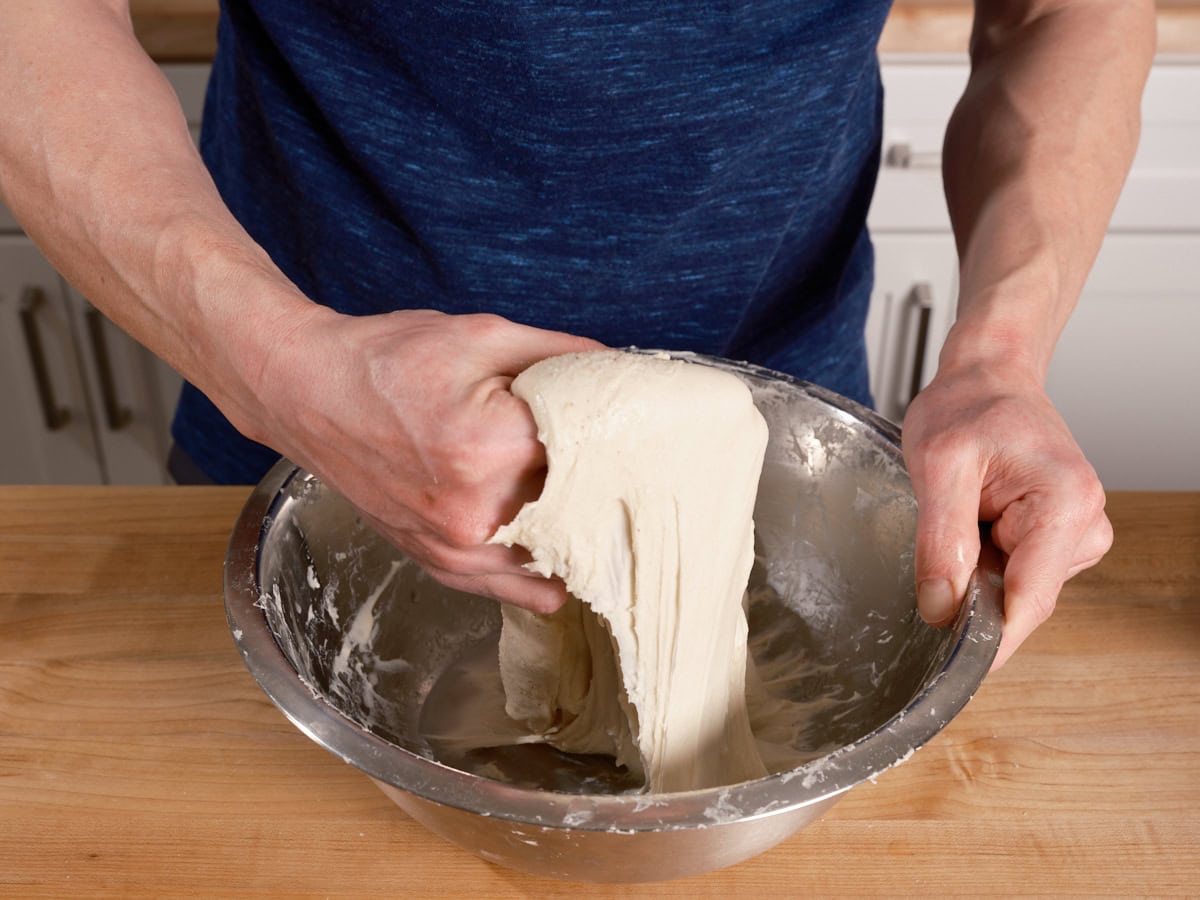
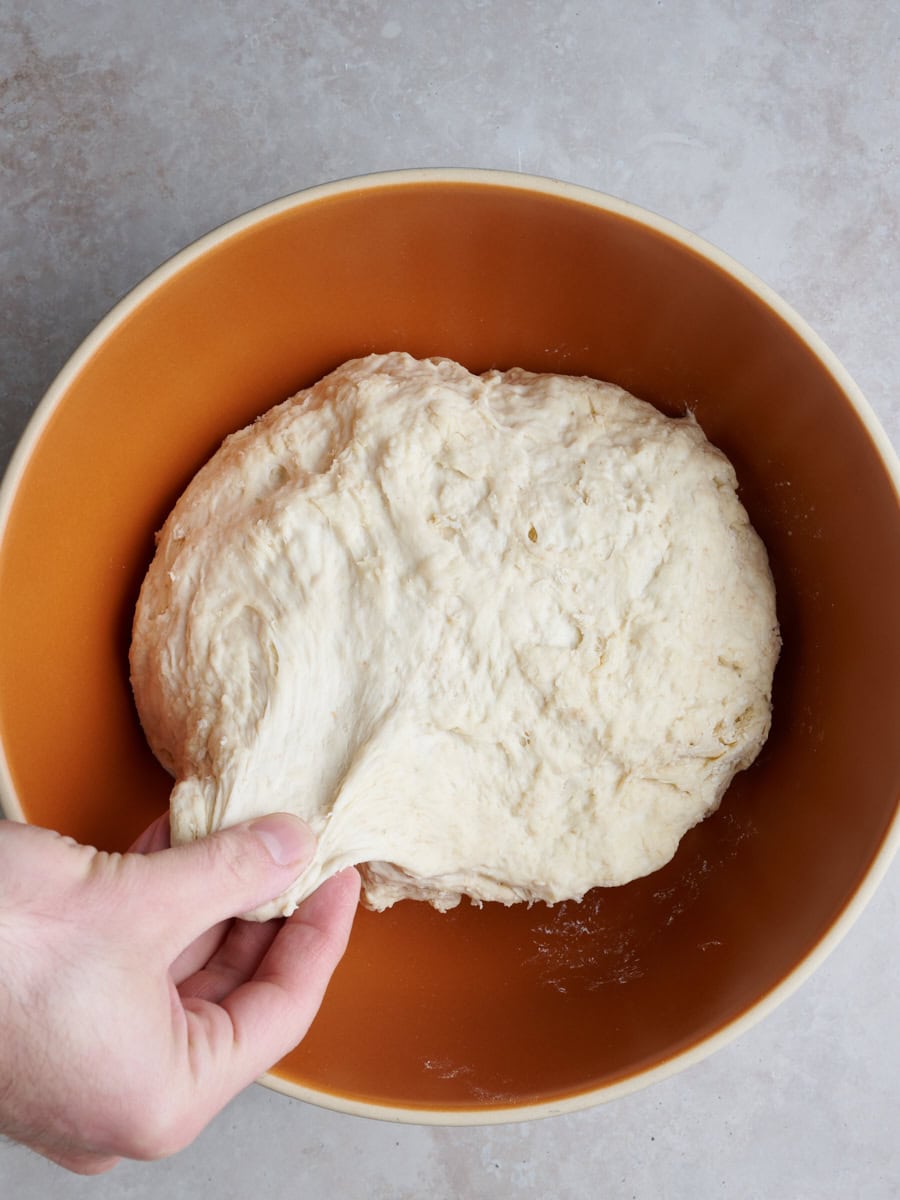
"Just Right" Dough (~68-75%): This dough exhibits a good balance of structure and extensibility. It will be somewhat tacky but should pull away from the bowl cleanly during later stages of mixing. It will stretch reasonably well without tearing easily, indicating a well-developed gluten network capable of holding its shape. The crumb is typically well-open and tender.
-
Over-Hydrated Dough (~75%+): This dough will appear very wet, slack, and may spread out significantly in the bowl. It will be sticky and difficult to handle, often clinging to hands and utensils. While capable of producing an exceptionally open and moist crumb, it requires advanced handling techniques to shape and maintain its structure. Excessive hydration can lead to a dough that loses its form during proofing or baking.
The Technique of Bassinage: A Game Changer
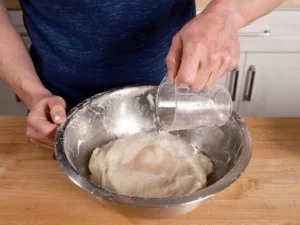
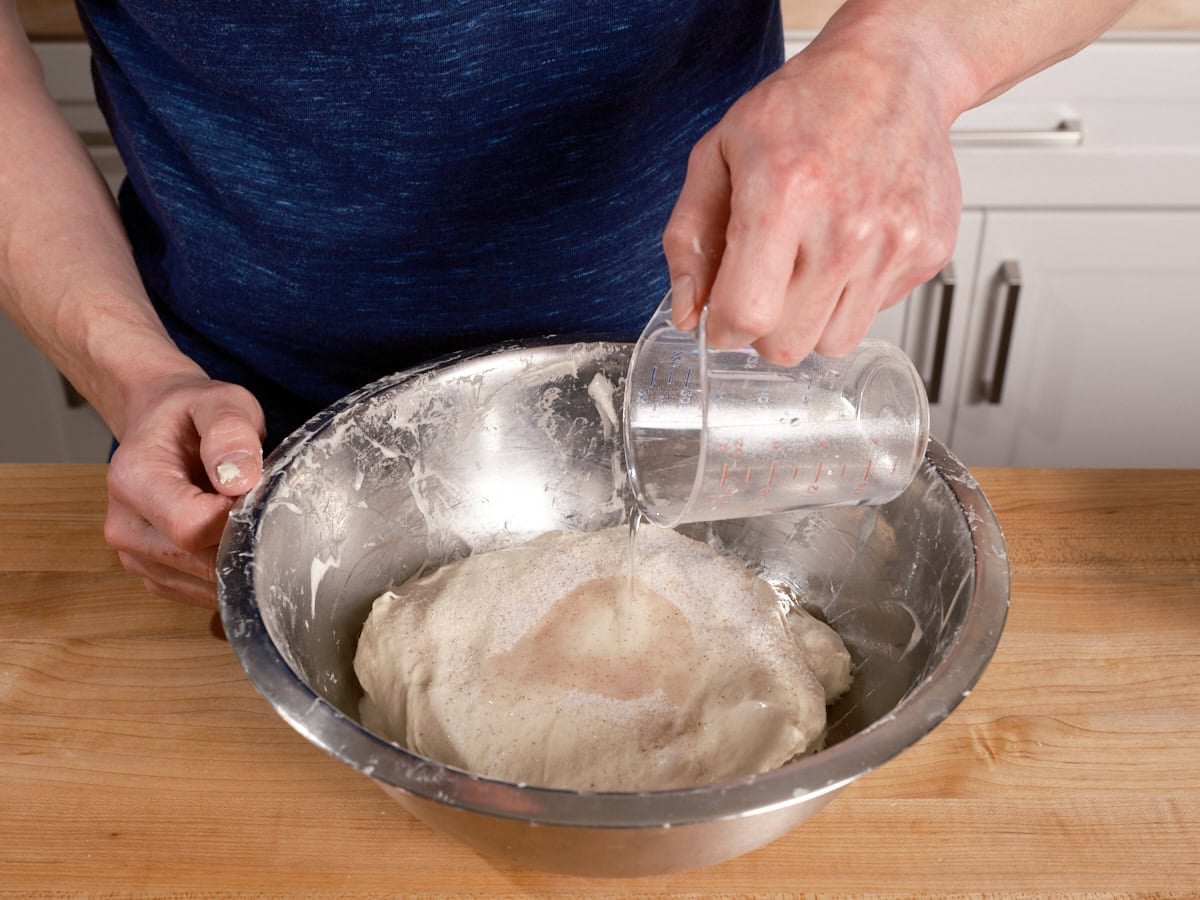
A technique that significantly enhances the ability to work with higher hydration doughs is bassinage, also known as "double hydration." This method involves holding back a portion of the total water and adding it incrementally during the later stages of mixing, after the initial absorption and gluten development have begun.
The benefits of bassinage are manifold:
-
Facilitated Gluten Development: Adding all the water at the outset, especially in high-hydration recipes, can impede effective gluten development. Insufficient friction makes it difficult to strengthen the gluten network. By incorporating most of the water initially and then gradually adding the remainder, bakers can achieve higher hydration levels without excessively long mixing times or risking under-development.
-
Assessing Dough Strength: Holding back water provides a critical opportunity to evaluate the dough’s developing strength. If the dough feels overly slack and unmanageable after the initial water addition, the reserved water can be omitted. Conversely, if the dough feels strong and capable of accepting more moisture, the reserved water can be slowly incorporated, allowing for precise control over the final consistency. Many recipes that employ this technique designate "Water 1" for the initial mix and "Water 2" as the reserve, used to fine-tune the dough’s texture.
Common Challenges and Solutions
Sticky Dough Frustrations:
Sticky dough is a frequent point of contention for sourdough bakers. This issue is often rooted in a combination of hydration levels and dough strength.
- Over-hydration: The most obvious cause is simply too much water for the flour’s absorption capacity or the baker’s handling skill.
- Under-developed Gluten: Insufficient mixing or kneading can result in a weak gluten network that cannot adequately bind the water, leading to a sticky, uncohesive mass.
- Flour Type: Certain flours, particularly lower-protein or finely milled ones, may exhibit increased stickiness even at moderate hydration levels.
- Temperature: Warmer dough temperatures can increase stickiness due to the increased activity of enzymes and yeasts.
Tips for Working with High-Hydration Doughs:
As hydration increases, dough stability decreases. Managing these wetter doughs requires specific strategies:
- Use Wet Hands or a Dough Scraper: These tools minimize dough adhesion and allow for more controlled manipulation.
- Develop Strength Through Folding: Techniques like stretch-and-folds or coil folds are essential for building gluten structure in high-hydration doughs.
- Proper Proofing: Over-proofing can lead to a weakened dough structure, exacerbating handling difficulties.
- Chill the Dough: Refrigerating high-hydration dough can firm it up, making it easier to shape.
A Hydration Quick Reference
To provide a general guideline, the following chart outlines common hydration levels and their associated characteristics:
| Hydration Level | Characteristics | Best For |
|---|---|---|
| 60-65% | Stiff, easy to handle, potentially thicker crust | Bagels, pretzels, pizza, some pan loaves |
| 65-70% | Balanced, manageable, good structure | Classic breads, beginner-friendly sourdough |
| 70-75% | Moderately open crumb, thin crust | Classic country loaves, baguettes |
| 75-80% | Requires longer mixing, tender crumb, skill needed | Ciabatta, focaccia, open-crumb loaves, sandwich loaves |
| 80%+ | Requires longer mixing, very open crumb, challenging | High-hydration loaves, custard-like crumb, difficult to shape |
Addressing Common Hydration Queries
Can I simply add more flour if my dough is too wet?
While it may seem like a quick fix, adding flour indiscriminately disrupts the fundamental balance of a bread recipe. All ingredients are calculated as a percentage of the total flour weight using baker’s percentages. Altering the flour weight necessitates recalculating all other ingredient percentages. Adjusting water, however, directly impacts only the hydration. In extreme cases of unmanageable wetness, a small addition of flour may be necessary as a last resort, but this should be meticulously recorded for future recipe adjustments.

Does higher hydration guarantee a more open crumb?
Not exclusively. While hydration is a significant factor, crumb structure is a complex interplay of hydration, fermentation, shaping technique, and baking conditions. A well-executed 68% hydration dough can achieve a more open crumb than an 80% hydration dough that has been poorly fermented or shaped. Mastering all aspects of the baking process is crucial for achieving a desirable crumb.
What hydration level should a beginner start with?
A starting point of 68-70% hydration using a quality bread flour is highly recommended for beginners. This range offers a dough that is forgiving and manageable, yet capable of producing excellent results. As bakers gain experience and develop an intuitive understanding of dough behavior, they can gradually experiment with higher hydration levels.
What is the ideal hydration for bread dough?
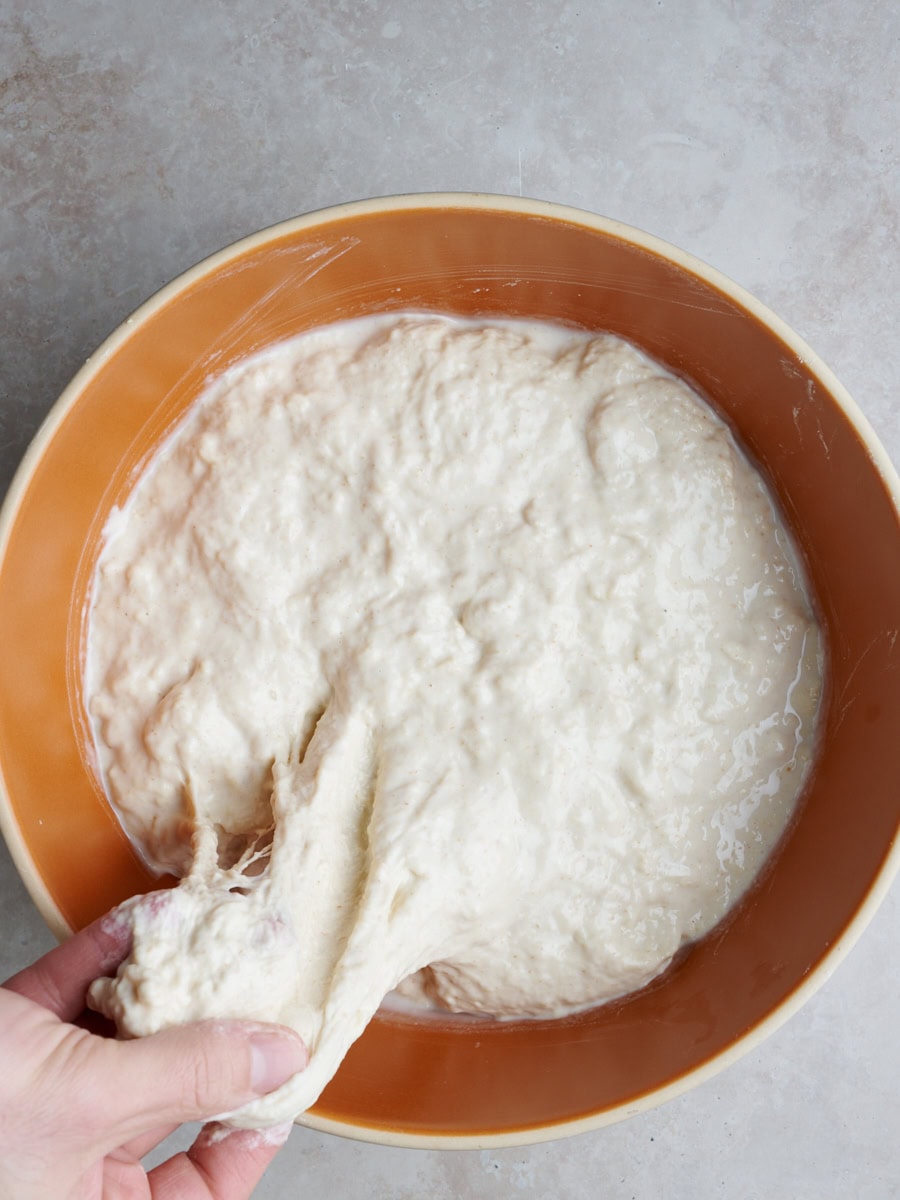
There is no single "ideal" hydration. The optimal level is contingent upon the specific flour used and the desired characteristics of the final loaf. Generally, bread doughs fall within the 60%-80% hydration range, although deviations outside this spectrum are possible.
Conclusion: Cultivating Baker’s Intuition
Ultimately, understanding dough hydration is about cultivating sensitivity and developing what can be described as "baker’s intuition." It is the ability to interpret the dough’s signals—its texture, its elasticity, its tackiness—rather than blindly adhering to numerical targets. Each bag of flour, each baking environment, and each day presents unique variables. The most accomplished bakers approach recipes as starting points for a dynamic dialogue with their ingredients.
The practice of keeping detailed baking notes is invaluable. Recording the hydration level used, the dough’s feel at various stages, environmental conditions, and the outcome of the final loaf will, over time, foster an intuitive grasp of hydration that transcends any written guide. This journey of understanding hydration is an ongoing process, a testament to the art and science of creating exceptional sourdough bread.