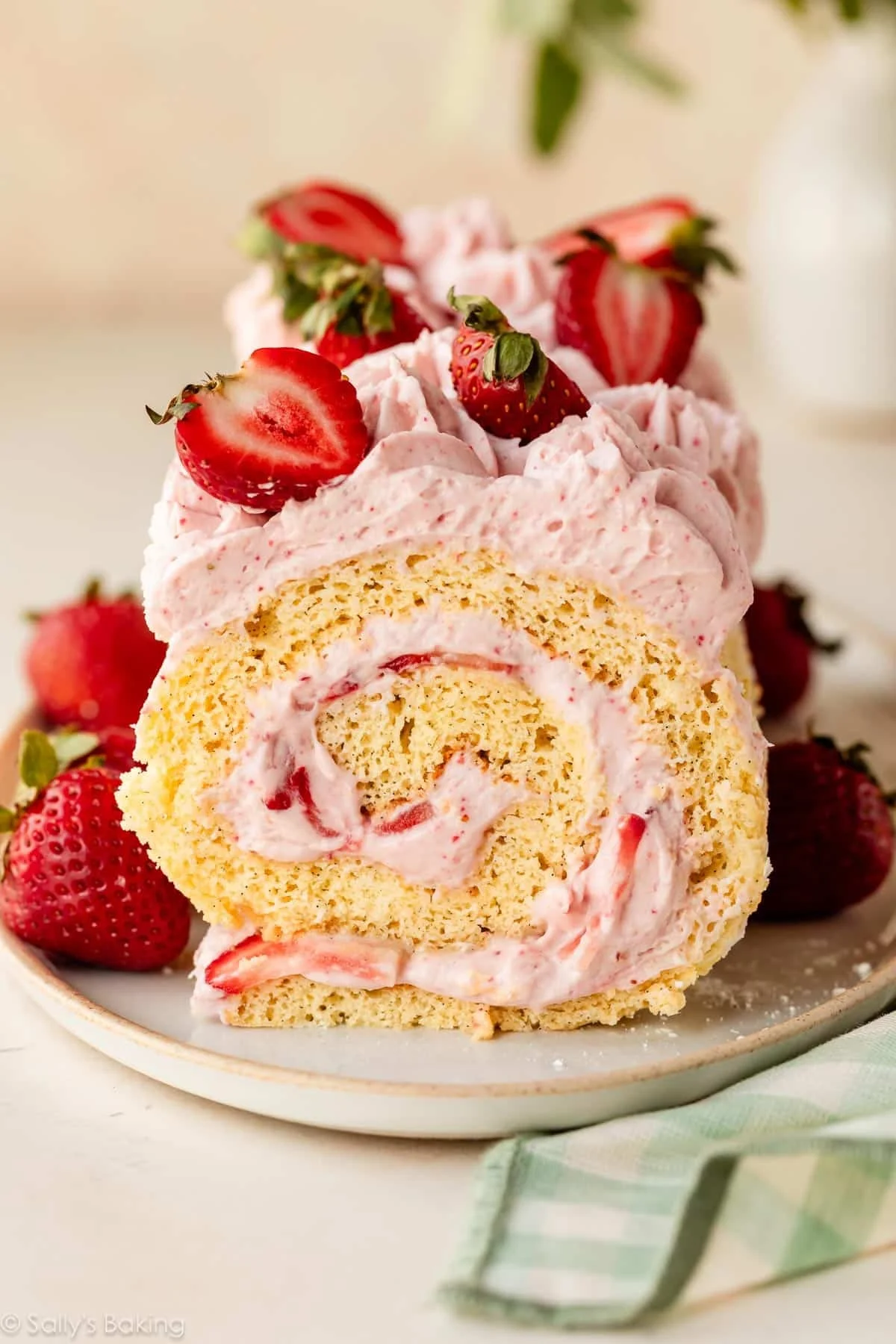

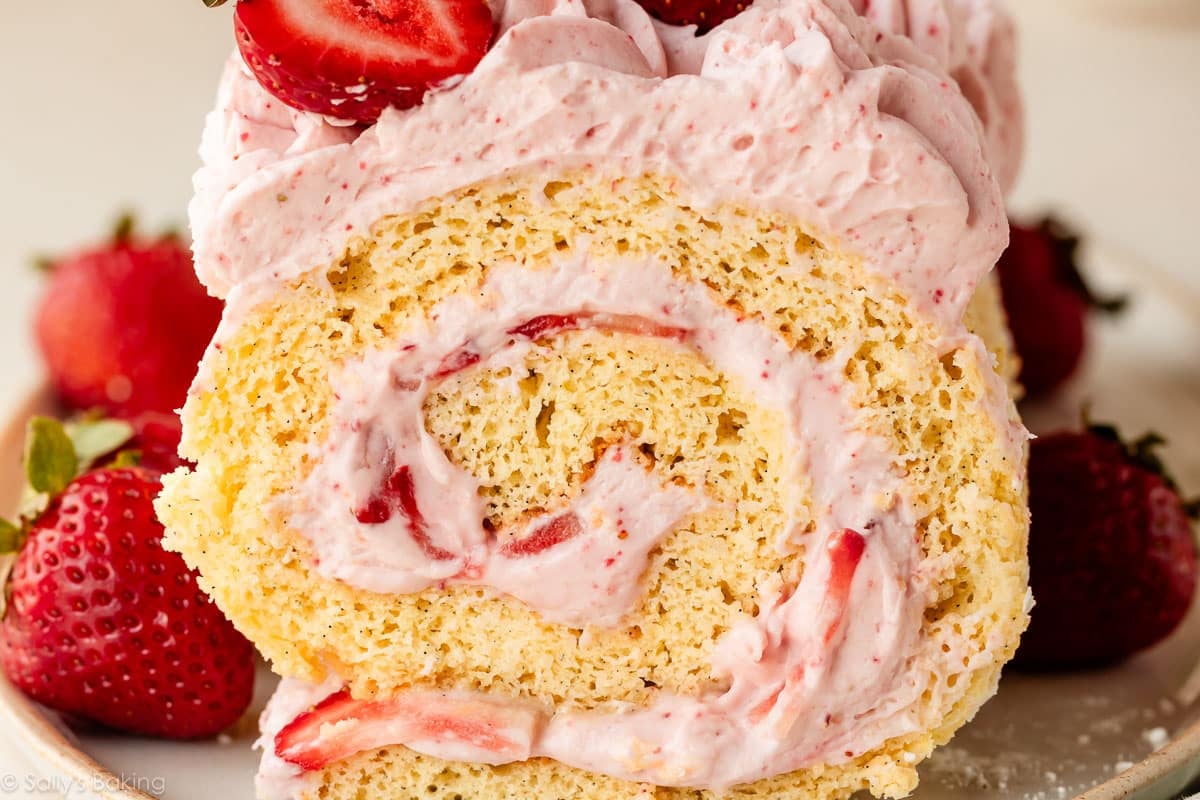
The delicate and visually stunning strawberry cake roll has emerged as a quintessential dessert for spring and summer tables, captivating home bakers with its elegant presentation and refreshing flavor profile. This bakery-style confection, characterized by a soft, flexible vanilla sponge cake meticulously rolled around a fluffy, naturally flavored strawberry cream cheese filling, represents a blend of classic baking techniques and modern culinary innovation. Its appeal extends beyond mere taste, embodying the joy of seasonal produce and the rewarding challenge of mastering a sophisticated baking art form.
The Evolution of a Culinary Classic
The concept of a cake roll, often referred to as a Swiss roll, has a rich and international history, with variations found across European, Asian, and American cuisines. These rolled cakes typically feature a thin, pliable sponge cake base spread with a filling—ranging from jams and creams to ganaches—and then carefully rolled into a spiral. While its exact origins are debated, the Swiss roll gained widespread popularity in the 19th century, becoming a staple in patisseries and home kitchens alike. The enduring nature of this dessert lies in its versatility and the inherent elegance of its coiled structure, offering a harmonious balance of cake and filling in every slice.
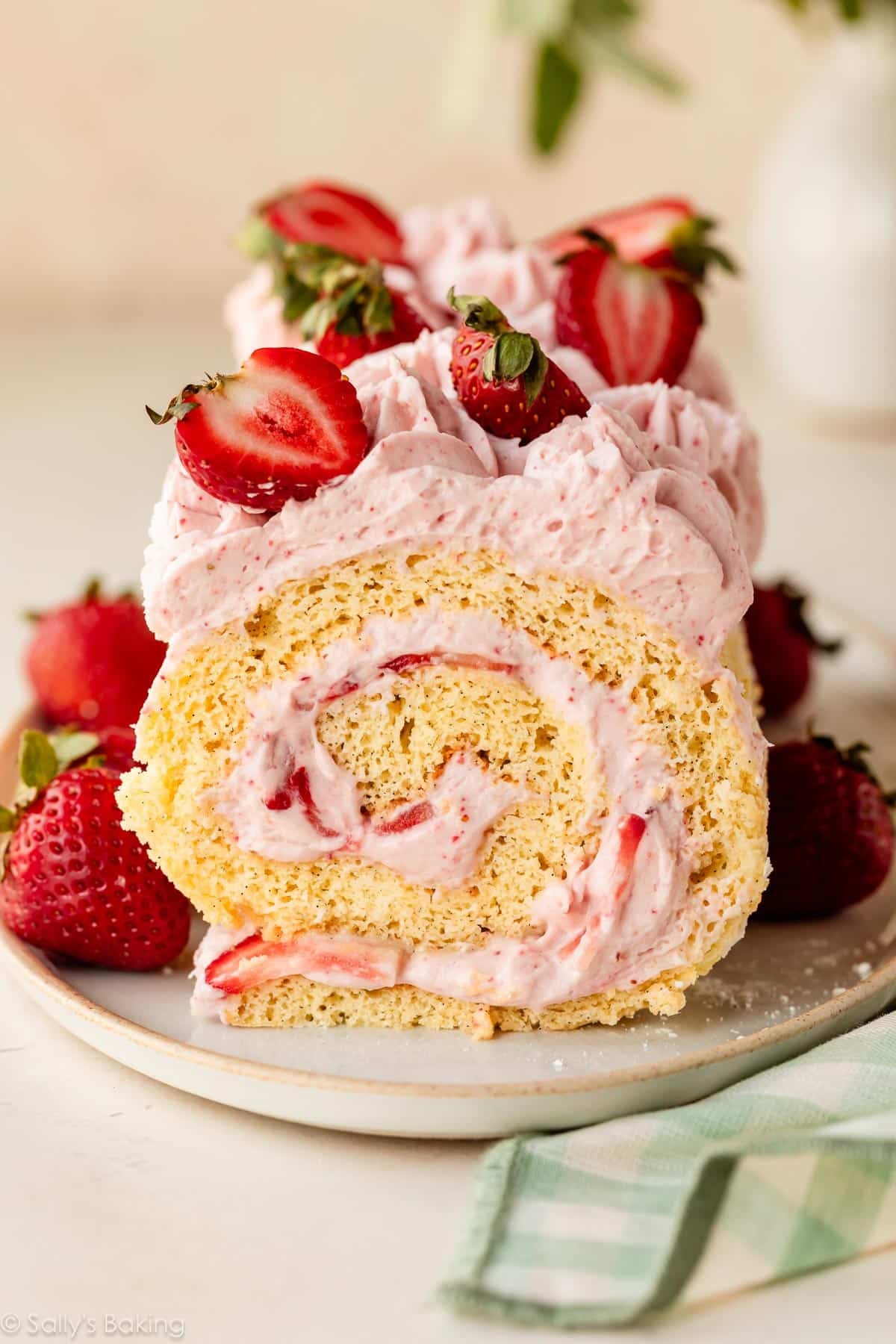
In the contemporary baking landscape, online platforms have become pivotal in disseminating and refining such recipes. This particular strawberry cake roll recipe, initially published in 2017, exemplifies this evolution. Since its inception, the recipe has undergone significant updates, including new photographic documentation, enhanced success tips, and a revised, fluffier strawberry filling. This iterative improvement process, driven by baker feedback and a commitment to perfection, underscores the dynamic nature of online recipe development and the pursuit of optimal culinary outcomes. Such continuous refinement ensures that the recipe remains accessible and achievable for bakers of all skill levels, transforming what might seem like a daunting task into an empowering baking experience.
The Science Behind the Sponge: Achieving Perfect Flexibility
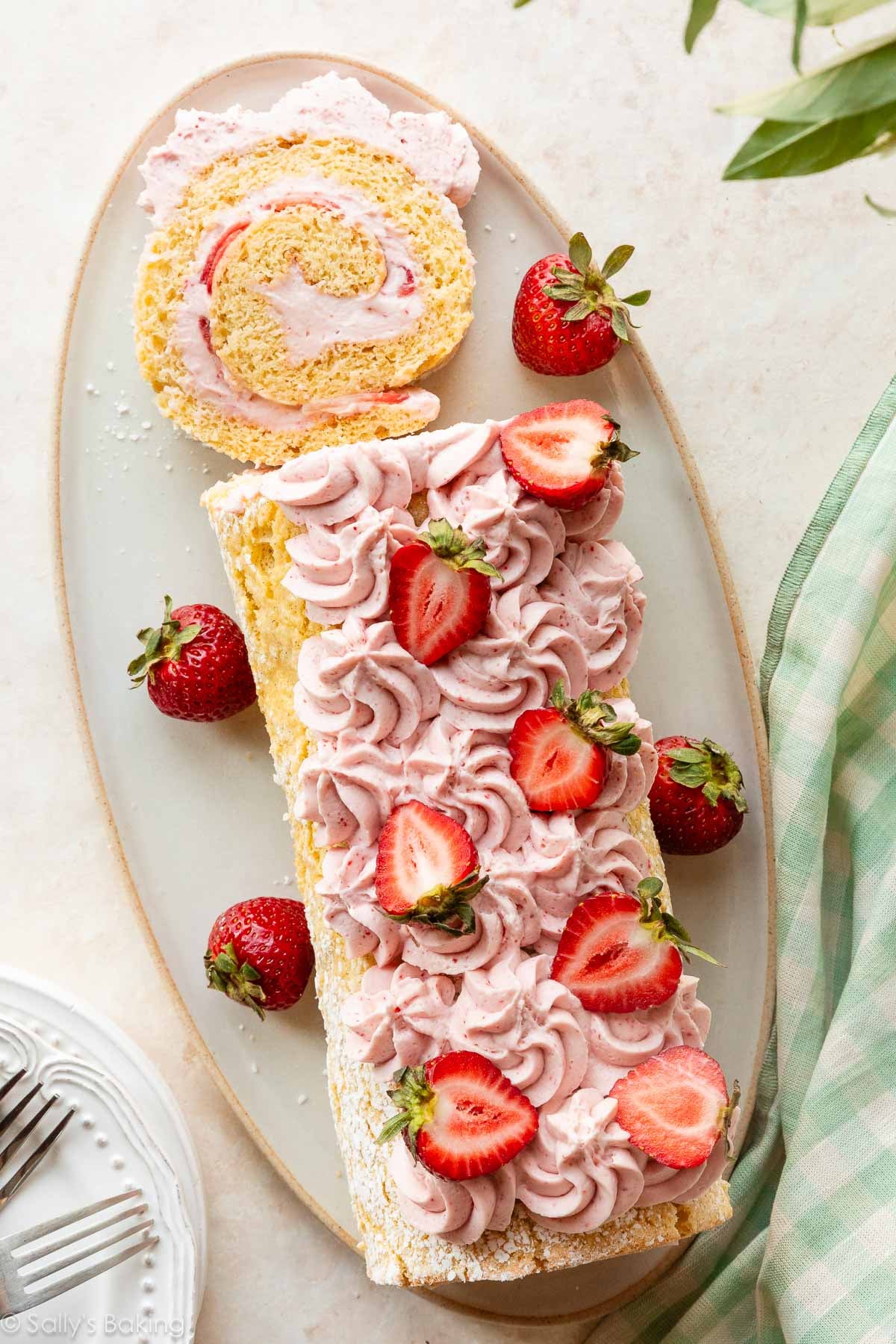
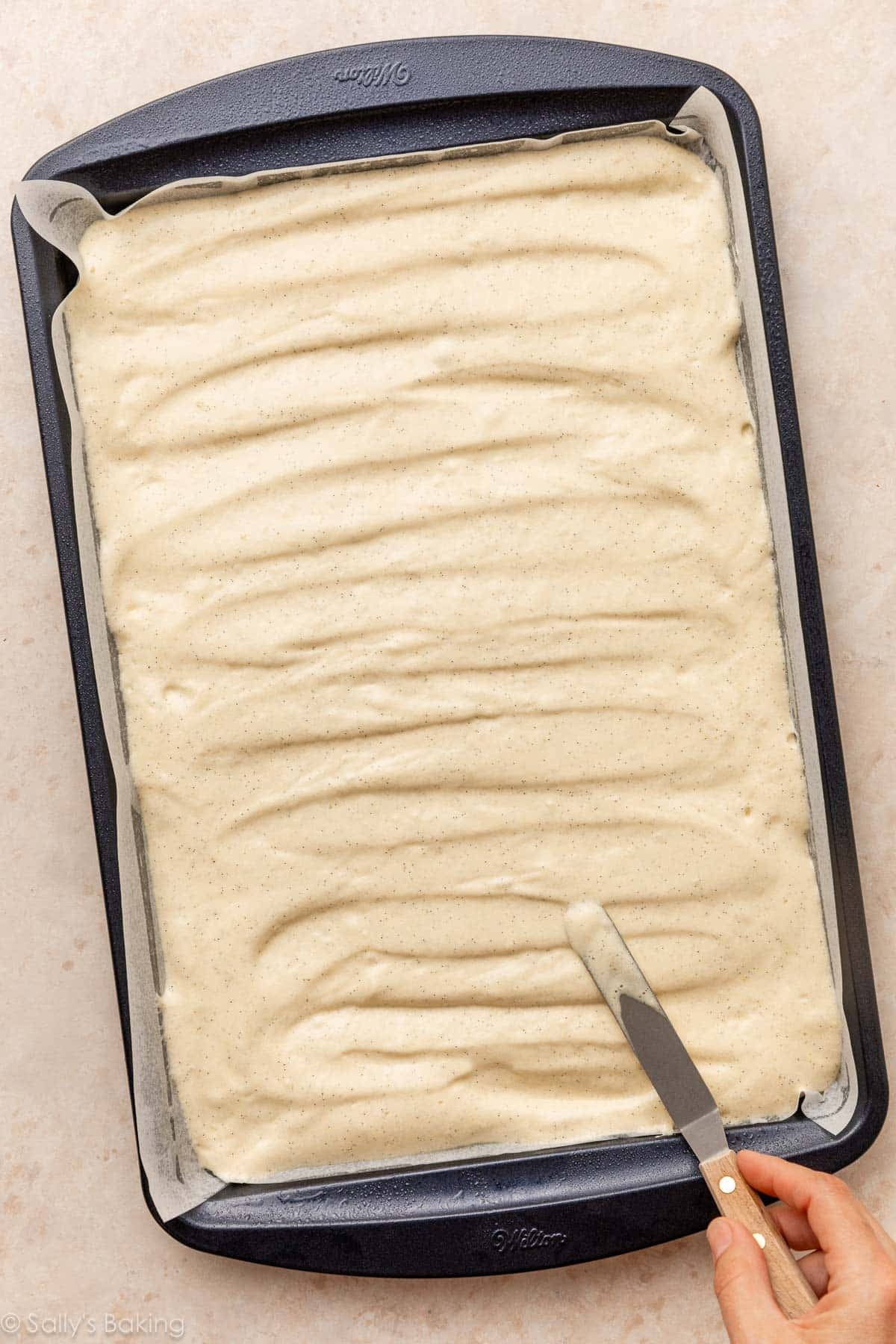
At the heart of a successful cake roll lies the sponge cake itself. Unlike butter or oil-based cakes, the classic sponge cake derives its airy, light texture predominantly from whipped eggs. This method, often referred to as a genoise or biscuit roulade technique, involves incorporating a substantial amount of air into the eggs (and sometimes sugar) before gently folding in the dry ingredients. The absence of heavy fats contributes to the cake’s remarkable flexibility, a critical attribute for preventing cracks during the rolling process.
The specific formulation of this vanilla sponge cake base is designed to be thin yet robust, providing the necessary structural integrity to hold the generous strawberry cream cheese filling without compromising its delicate mouthfeel. Key ingredients typically include:
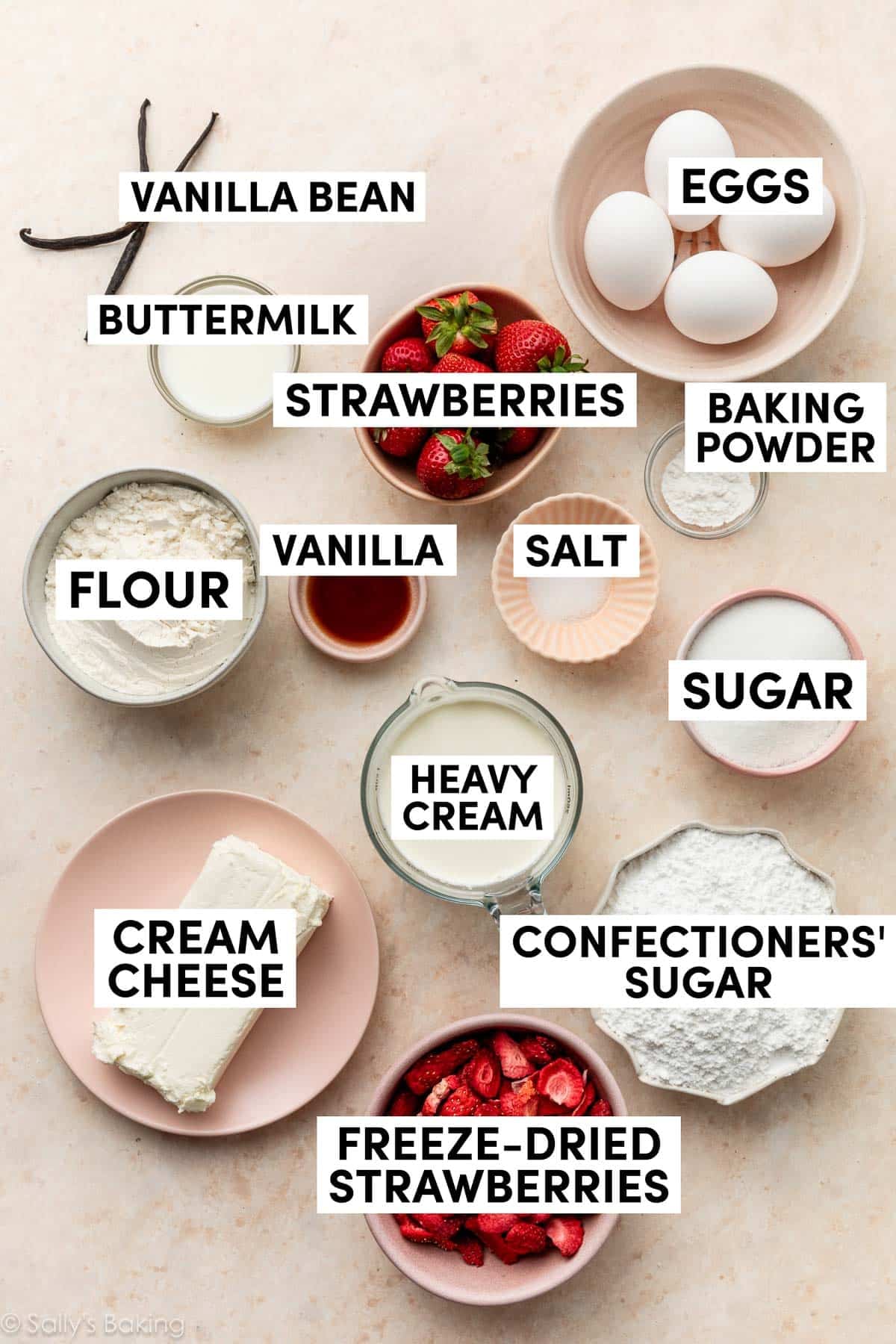
- Eggs: The primary leavening agent. Whole eggs, or sometimes separated yolks and whites, are whipped extensively to create a stable foam that traps air. This aeration is crucial for the cake’s rise and elasticity.
- Granulated Sugar: Sweetens the cake and stabilizes the whipped eggs, contributing to a finer crumb.
- All-Purpose Flour: Provides structure. The flour is often sifted multiple times to ensure lightness and prevent gluten development that could lead to a tough cake.
- Baking Powder (optional but beneficial): A small amount can act as an insurance policy, providing an extra lift and helping to maintain the cake’s soft texture.
- Vanilla Extract: Infuses the sponge with a classic, aromatic flavor that complements the strawberries.
- Milk or Cream: A small amount of liquid fat can add tenderness and moisture, further enhancing the cake’s pliability.
The meticulous process of whipping eggs to the correct ribbon stage—where the mixture falls in a thick ribbon that holds its shape briefly on the surface—is paramount. Over-whipping can create a brittle cake, while under-whipping results in a dense product. The careful folding of dry ingredients into the aerated egg mixture preserves the trapped air, ensuring the characteristic light and airy crumb essential for a rollable cake.
The Fluffy Heart: A Strawberry Cream Filling Innovation
Complementing the delicate sponge is the naturally flavored strawberry cream cheese filling. This component moves beyond traditional buttercream or simple whipped cream, offering a richer yet equally light alternative. The choice of ingredients for the filling is strategic, designed to deliver intense strawberry flavor without introducing excessive moisture that could destabilize the cake.
The core components of the filling typically include:
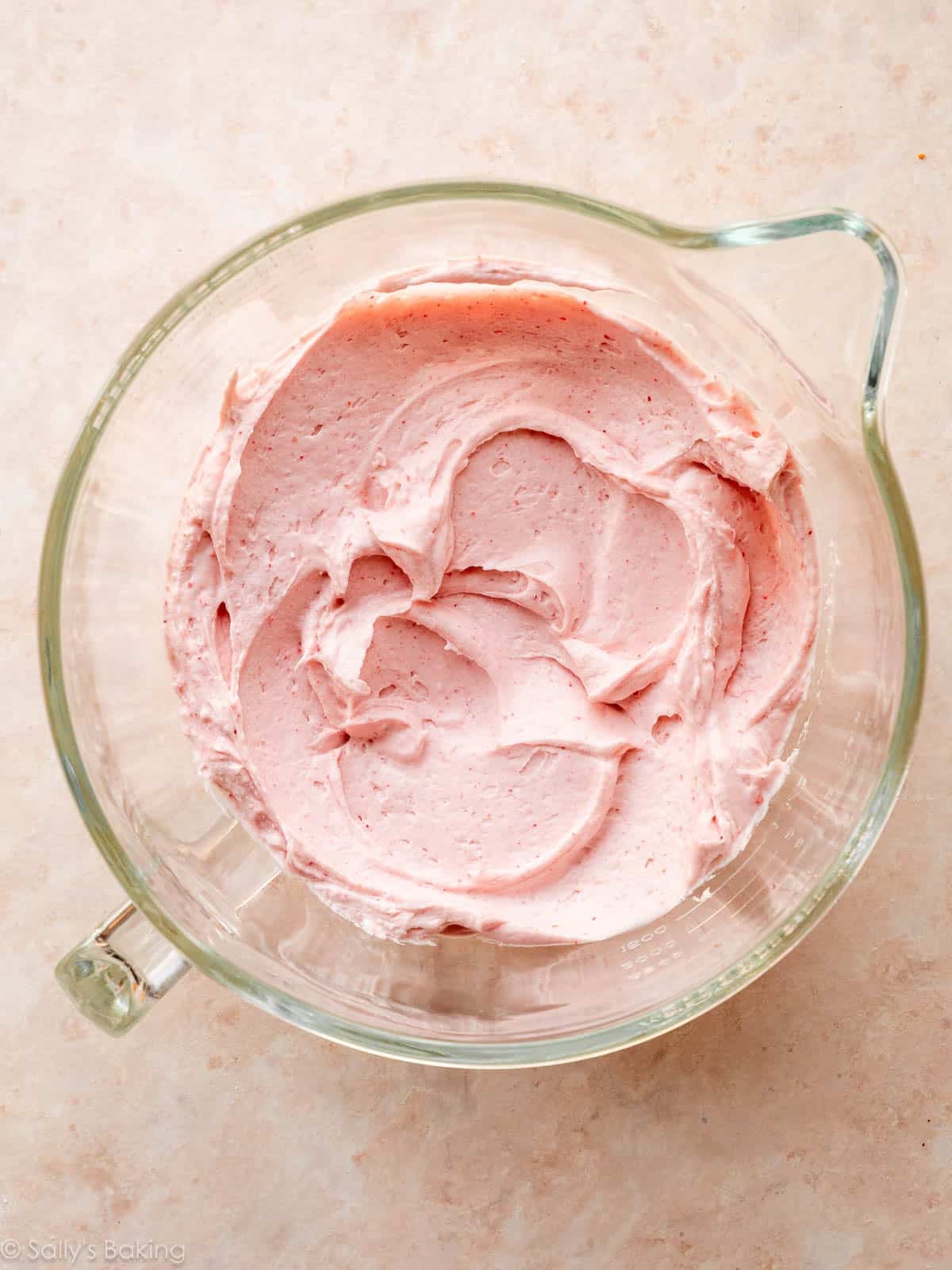
- Cream Cheese: Provides a tangy richness and a stable base, contributing to the filling’s body and preventing it from being too watery. It also adds a desirable creaminess.
- Confectioners’ Sugar: Sweetens the filling and helps create a smooth, pipeable consistency.
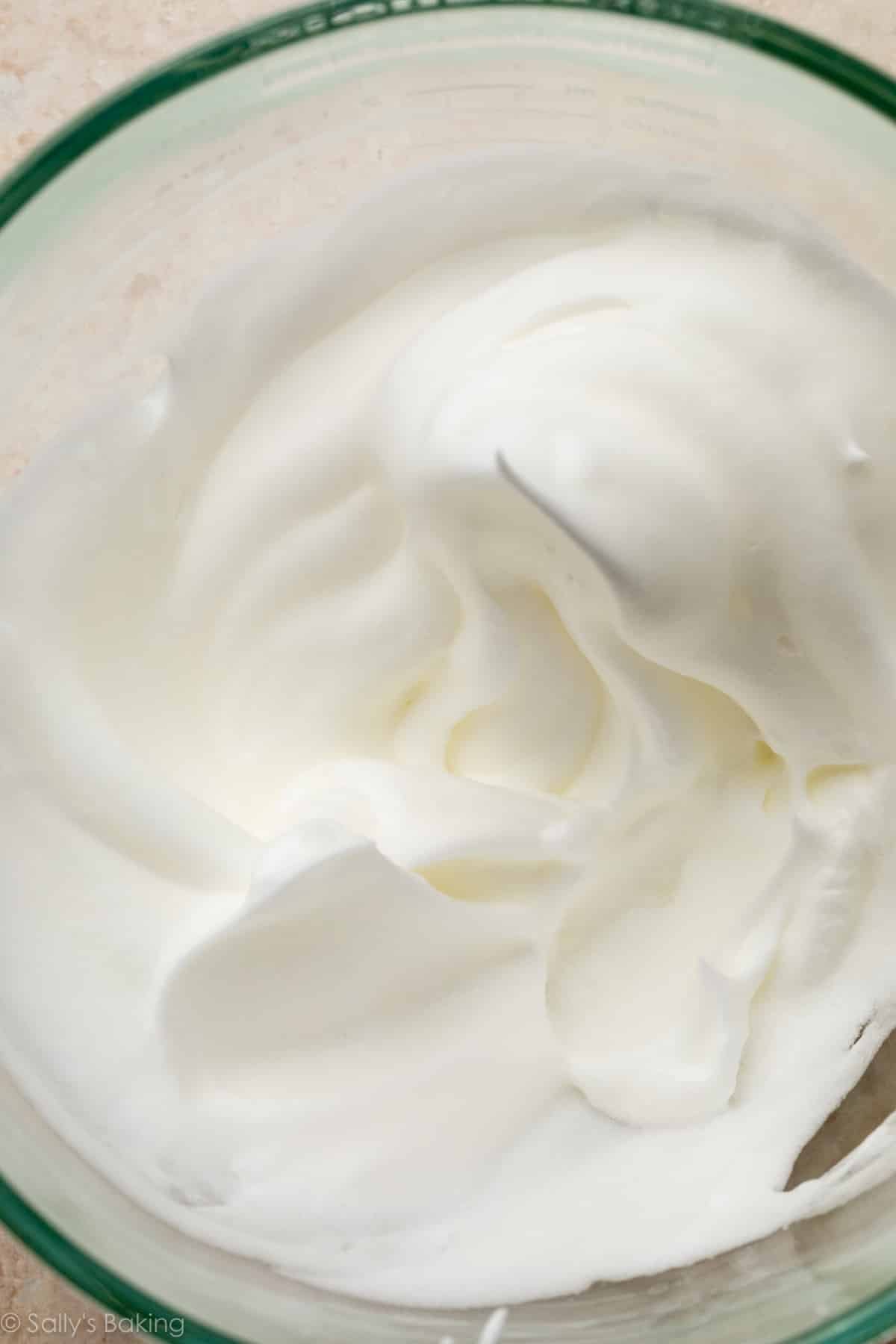
- Heavy Cream: Whipped to stiff peaks, heavy cream introduces lightness and volume, transforming the cream cheese mixture into a fluffy, ethereal cloud.
- Freeze-Dried Strawberries: This is a key innovation. Unlike fresh strawberries, which can release significant moisture and dilute flavor, freeze-dried strawberries offer a concentrated burst of authentic strawberry taste. When pulverized into a powder, they seamlessly integrate into the cream, providing vibrant color and intense flavor without compromising the filling’s texture. This technique ensures a consistent and potent strawberry essence, reminiscent of the fruit’s peak season.
- Vanilla Extract: Enhances the overall sweetness and complexity of the filling.
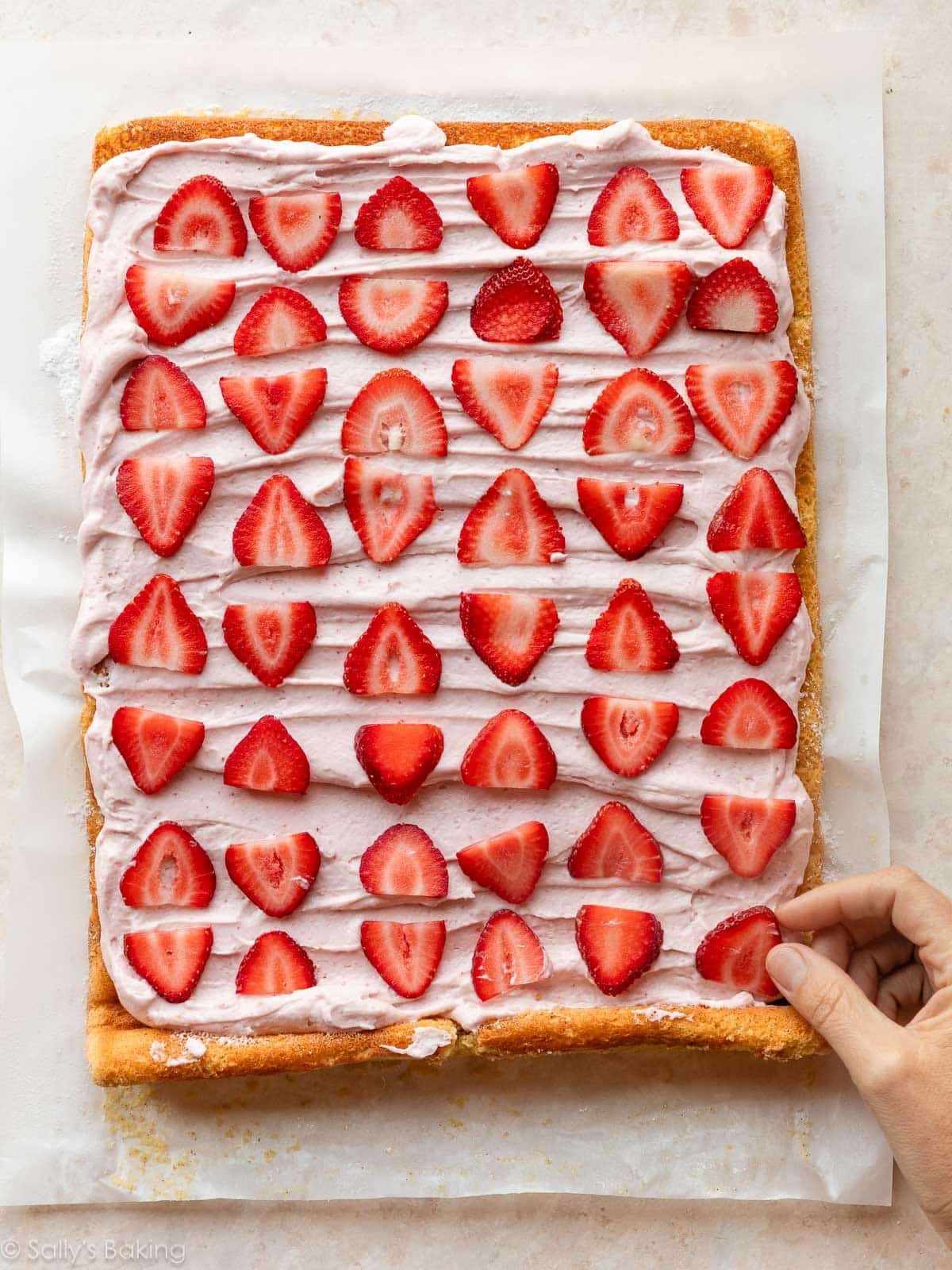
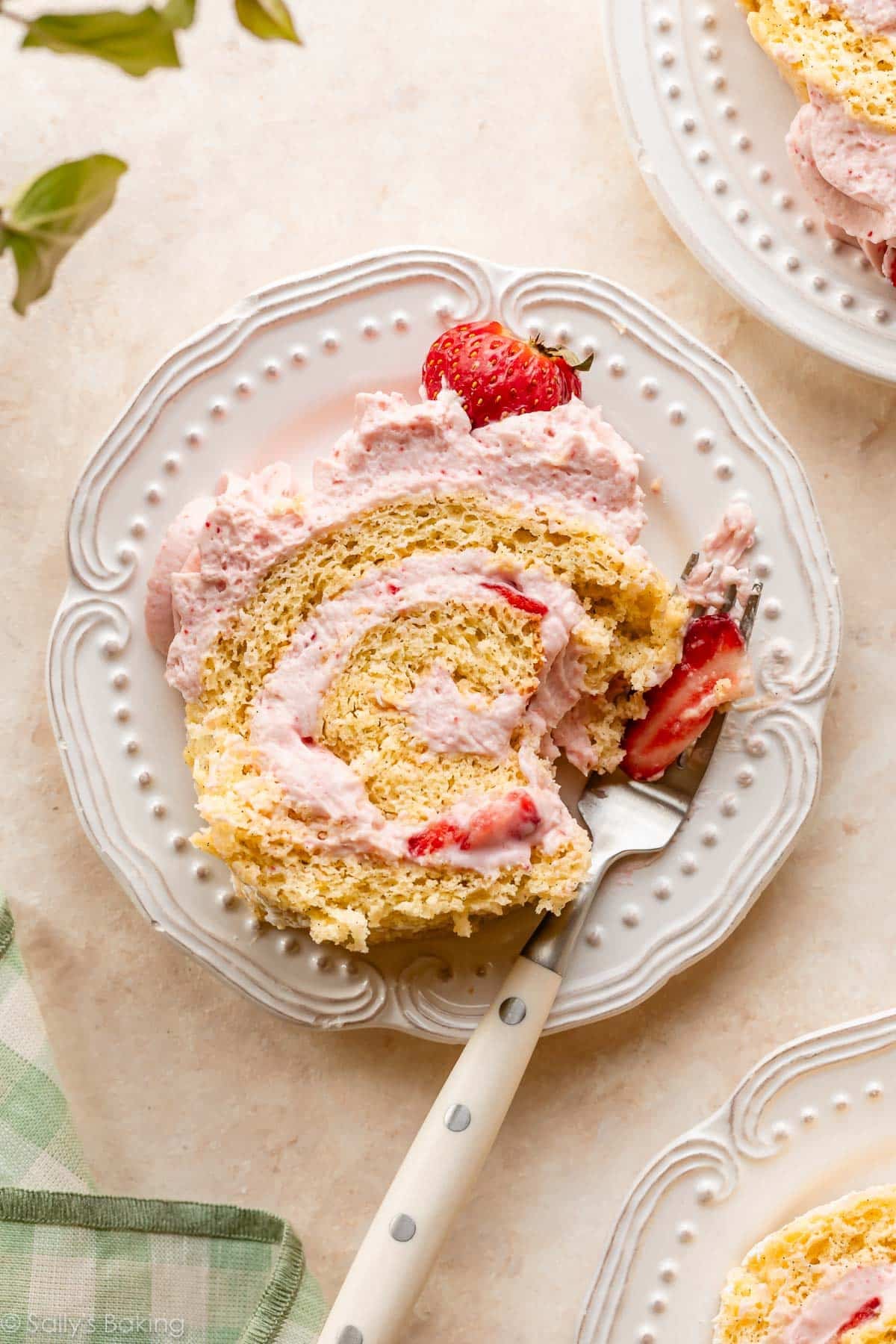
The preparation involves combining softened cream cheese with confectioners’ sugar and vanilla, then folding in the whipped heavy cream and the finely ground freeze-dried strawberry powder. This layering of textures and flavors creates a filling that is simultaneously decadent and refreshing, a perfect counterpoint to the subtle vanilla sponge. The recipe generously provides enough filling for a substantial swirl within the cake roll, often with extra for decorative piping or spreading on top, allowing for an impressive presentation. The addition of very thinly sliced fresh strawberries within the filling further enhances both texture and visual appeal, offering pockets of juicy fruit amidst the creamy backdrop.
Mastering the Roll: Techniques for Success
The act of rolling the cake is often perceived as the most intimidating step for novice bakers. However, with precise technique and understanding the "why" behind each action, it becomes an achievable and satisfying process. Key success tips for the cake roll technique include:
- Preparation is Key: Lining the sheet pan with parchment paper and greasing it thoroughly prevents sticking, allowing the cake to release cleanly. Dusting the warm cake with confectioners’ sugar or cocoa powder before the initial roll provides a non-stick surface and helps to absorb any residual moisture.
- The Warm Roll: The cake must be rolled while still warm, immediately after baking. As the cake cools, its structure stiffens, making it prone to cracking. Rolling it while warm sets the "memory" of the roll, making the final filling stage much smoother.
- Use a Clean Towel or Parchment: Rolling the warm cake in a sugar-dusted clean kitchen towel or a fresh sheet of parchment paper helps to shape it gently and uniformly, allowing it to cool in a coiled form.
- Complete Cooling: After the initial roll, the cake must cool completely in its rolled shape. This cooling period, often lasting at least an hour, allows the cake to fully set its form, significantly reducing the risk of cracks when unrolled for filling.
- Even Filling Distribution: Spreading the filling evenly ensures a consistent flavor and structure in every slice. Thinly sliced fresh strawberries should be added carefully to avoid creating bulky spots that could hinder re-rolling.
- Gentle Re-rolling: Once filled, the cake is re-rolled without the towel or parchment. This final roll requires a firm yet gentle hand to ensure the filling is evenly distributed and the cake maintains its spiral.
- Chilling for Stability: Chilling the finished cake roll for several hours or overnight is crucial. This allows the filling to firm up and the cake to set, making for cleaner, more elegant slices.
These techniques, honed over years of baking and shared through comprehensive guides, empower bakers to achieve professional-looking results in their home kitchens.
Broader Impact and Culinary Trends
The popularity of recipes like the strawberry cake roll reflects several broader trends in the culinary world and consumer behavior:
- Seasonal Eating and Local Sourcing: The emphasis on fresh strawberries aligns with a growing consumer preference for seasonal ingredients and supporting local produce markets. The peak strawberry season in spring and early summer naturally boosts interest in strawberry-centric desserts. Data from agricultural agencies often indicates a significant spike in strawberry sales during these months, directly influenced by consumer demand for fresh, vibrant produce for home cooking and baking.
- The Rise of Home Baking: The past decade has seen a resurgence in home baking, partly fueled by the accessibility of high-quality recipes online and a desire for wholesome, homemade treats. Online platforms, like the one hosting this recipe, play a crucial role in demystifying complex techniques and fostering a global community of enthusiastic bakers. Reader testimonials, such as Harper’s comment praising the "unbelievably good, and so simple" nature of the recipe and its crack-free roll, highlight the success and satisfaction experienced by home bakers.
- Ingredient Innovation: The incorporation of freeze-dried fruits is a notable trend. This method allows for intense natural flavor and color without the added moisture that fresh fruits can introduce, solving a common problem in baking. This innovation showcases how ingredient science contributes to enhanced recipe outcomes.
- Visual Appeal and Social Media: Desserts like the cake roll, with their striking spiral pattern and vibrant colors, are highly photogenic. This makes them ideal for sharing on social media platforms, further amplifying their popularity and inspiring others to try their hand at baking. The aesthetic appeal contributes significantly to a recipe’s viral potential.
From an economic perspective, the sustained popularity of such recipes translates into tangible benefits for various sectors. Ingredient suppliers, from flour mills and sugar refineries to dairy farms and strawberry growers, experience increased demand. The market for baking equipment, including sheet pans, stand mixers, and parchment paper, also sees a boost. Moreover, the detailed, step-by-step guidance provided with the recipe, which addresses potential challenges and ensures a high success rate, serves to build consumer confidence and encourage continued engagement in baking.
The strawberry cake roll stands as more than just a dessert; it is a testament to the enduring appeal of classic techniques combined with modern ingenuity. Its journey from an initial publication in 2017 to its refined current form, complete with enhanced visuals and detailed guidance, showcases the dynamic evolution of online culinary content. It empowers home bakers to create elegant, bakery-quality confections, fostering skill development and the sheer delight of sharing a beautiful, delicious treat. As spring and summer arrive, bringing with them the abundance of fresh strawberries, this particular cake roll remains a celebrated and achievable masterpiece for any celebratory table or simple pleasure.