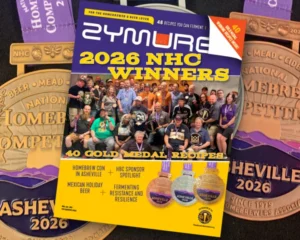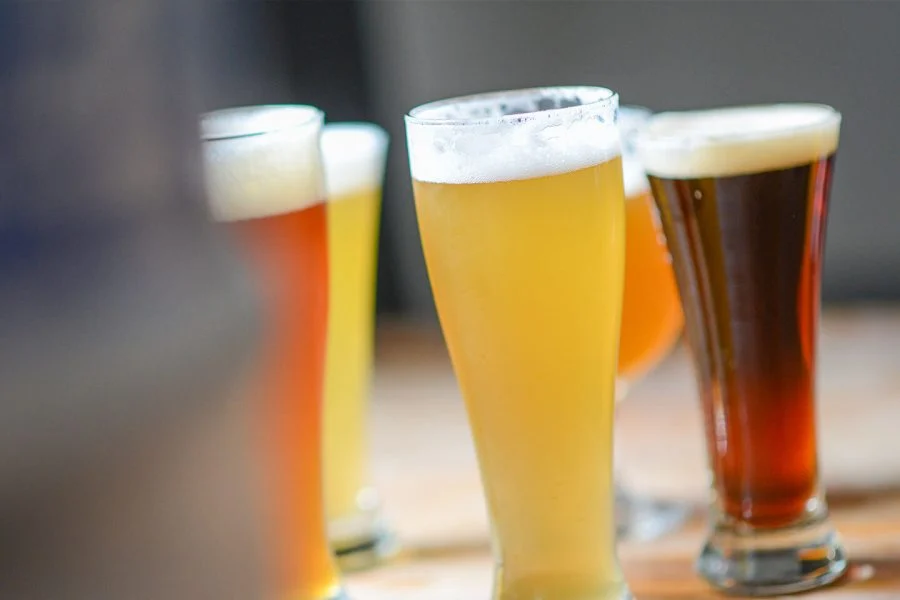

The vibrant and fiercely competitive world of amateur brewing reached its annual pinnacle as the results of the 2026 National Homebrew Competition Final Round were officially announced. Among thousands of hopeful participants from across the globe, David James of Eugene, Oregon, emerged as a standout champion. Representing the esteemed Cascade Brewers Society, James secured a prestigious gold medal in Category 19: Hazy IPA. Standing out in a crowded and technically demanding field, his expertly crafted brew triumphed over 93 exceptional entries, cementing his reputation as a master of modern hop-forward styles.
The victory not only highlights James’s meticulous attention to brewing science and artistry but also shines a spotlight on the thriving craft beverage community in the Pacific Northwest. As the homebrewing hobby continues to evolve with sophisticated equipment and precise ingredient sourcing, winning gold at the national level requires an extraordinary understanding of yeast management, hop chemistry, and water profiling.
The Anatomy of a Gold-Standard Hazy IPA
Category 19, dedicated to the wildly popular Hazy IPA style—often characterized by its tropical fruit aromatics, smooth mouthfeel, and restrained bitterness—is notoriously difficult to judge. Unlike traditional West Coast IPAs that rely on crisp clarity and sharp bitterness, the Hazy IPA demands a delicate balance of suspended proteins, hop biotransformation, and precise whirlpool additions to achieve its signature turbid appearance and juicy flavor profile.
According to preliminary insights from the National Homebrew Competition judging panel, entries in the Hazy IPA category were evaluated on a rigorous 50-point scale. Judges assess aroma, appearance, flavor, mouthfeel, and overall impression. James’s winning recipe successfully navigated these strict criteria, displaying vibrant notes of citrus, stone fruit, and low perceived bitterness without succumbing to the oxidation or astringency that often plagues amateur attempts at the style.
Outperforming 93 distinct entries in his specific flight is no small feat. The preliminary and final rounds of the competition demand that a beer maintain its aromatic integrity and flavor stability throughout transport, refrigeration, and judging, proving that James’s process yields a product capable of standing up to professional scrutiny.
Background Context and History of the National Homebrew Competition
Organized annually by the American Homebrewers Association (AHA), the National Homebrew Competition is the largest amateur beer, mead, and cider competition in the world. Established decades ago to foster the craft of homebrewing and celebrate amateur innovation, the event has served as a cultural incubator for the modern craft beer revolution. Many of today’s most successful commercial craft brewery founders trace their origins back to medals won on the AHA national stage.
The competition operates through a two-tier structure. Brewers first submit their entries to one of several first-round regional sites scattered across the country. Only entries that achieve top scores in their respective regions advance to the Final Round, where elite judges—many of whom hold Master Beer Judge Certification Program (BJCP) credentials—evaluate the top-tier beers to determine gold, silver, and bronze medalists.
Participation in the National Homebrew Competition requires deep dedication. Brewers must meticulously record their processes, adhere to strict stylistic guidelines, and bottle or keg their creations under sanitary conditions that rival commercial facilities. The scale of the event underscores its significance; thousands of entries are submitted annually across dozens of distinct categories spanning ales, lagers, wild ales, historical beers, meads, and ciders.

The Cascade Brewers Society and Eugene’s Craft Culture
David James’s victory is deeply rooted in the local brewing community of Eugene, Oregon. As a dedicated member of the Cascade Brewers Society, James benefits from a collaborative environment that encourages peer review, ingredient sharing, and technical education. Regional homebrew clubs like the Cascade Brewers Society act as localized laboratories where members routinely brew together, critique one another’s batches, and share institutional knowledge passed down through generations of Pacific Northwest brewers.
Eugene itself is internationally recognized as a hub for hop cultivation, craft brewing, and agricultural innovation. Situated near the Willamette Valley—one of the premier hop-growing regions in the United States—local brewers enjoy unparalleled access to freshly harvested hops, experimental varieties, and specialized brewing inputs. This geographic advantage undoubtedly contributes to the high caliber of brewing talent originating from the area.
Local club members and peers have lauded James for his achievement, noting that his dedication to the craft has been evident in his continuous experimentation with hop combinations and water chemistry. Within the Cascade Brewers Society, a national gold medal serves as validation of the club’s rigorous approach to beer education and recipe formulation.
The Broader Implications of Amateur Brewing Excellence
While homebrewing is primarily celebrated as a passionate hobby, its impact on the broader commercial beverage industry is profound. Historically, consumer palates have been shaped by the innovations of homebrewers who pushed the boundaries of traditional styles long before commercial breweries dared to produce them. The Hazy IPA style itself, which originated as an uncompromised homebrew innovation in the Northeast before sweeping across the country, is a prime example of how amateur experimentation dictates commercial trends.
Competitions like the National Homebrew Competition act as a testing ground for consumer trends. When judges award gold medals to specific interpretations of styles like the Hazy IPA, commercial breweries take notice of the flavor profiles, hop varieties, and technical parameters favored by elite palates. Furthermore, the event serves as a crucial pipeline for talent acquisition within the professional brewing industry. Assistant brewers, head brewers, and brewery owners frequently hone their craft in home kitchens and garages before scaling up to commercial production systems.
For David James, the gold medal represents a pinnacle of personal achievement within the hobby. Whether he chooses to remain a dedicated homebrewer or eventually transitions his award-winning recipe to a commercial collaboration, his accomplishment adds another chapter to the storied history of American amateur brewing.
Accessing Award-Winning Recipes and Industry Resources
In the wake of the 2026 competition, the American Homebrewers Association has made hundreds of medal-winning recipes available to its members, allowing enthusiasts worldwide to study and replicate the exact formulations used by champions like James. These resources include detailed malt bills, hop schedules, yeast strains, and fermentation temperature profiles designed to demystify the art of award-winning brewing.
As the craft beverage landscape continues to mature, platforms providing validated recipes and technical education remain vital for both novice and advanced brewers. Through community-driven organizations and rigorous competitive platforms, makers of fine beer continue to push the boundaries of flavor, ensuring that the tradition of homebrewing remains as dynamic, innovative, and influential as ever.