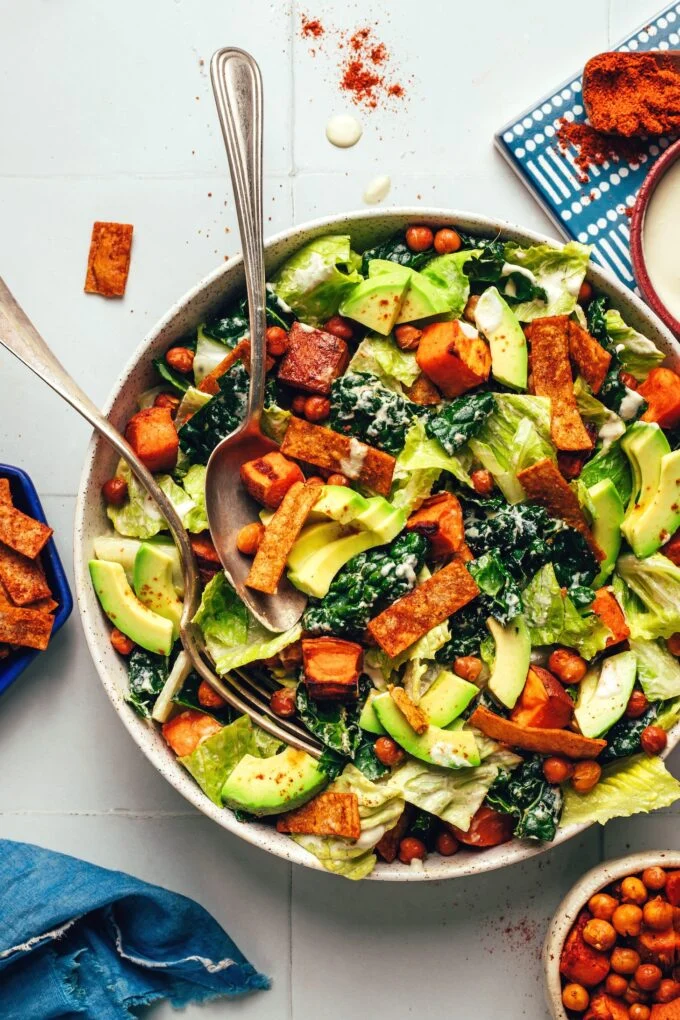

The culinary landscape of plant-based nutrition has witnessed a significant shift toward efficiency and nutrient density, a trend exemplified by the emergence of the Vegan Sweet Potato Chickpea Taco Salad. This dish represents a strategic fusion of traditional Mexican-inspired flavors with modern dietary requirements, focusing on a 30-minute preparation window that caters to the increasing consumer demand for "quick-prep" healthy meals. By utilizing roasted legumes and tubers as a primary protein and carbohydrate source, the recipe moves away from processed meat substitutes, opting instead for whole-food ingredients that provide a complex texture and robust nutritional profile.
The development of this specific salad reflects a broader movement within the gastronomic community to redefine the "taco salad" from a high-calorie, deep-fried indulgence into a structured, health-conscious entrée. Historically, the taco salad gained popularity in the United States during the mid-20th century, often characterized by a fried flour tortilla bowl filled with ground beef, iceberg lettuce, and heavy creams. The modern iteration, however, prioritizes leafy greens like kale and romaine, and replaces animal fats with monounsaturated fats derived from avocados and cashews.

Chronology of Preparation: The 30-Minute Efficiency Model
The success of the Vegan Sweet Potato Chickpea Taco Salad as a weeknight staple is predicated on a synchronized preparation timeline. The process is designed to maximize the use of oven time, ensuring that all components reach peak flavor and texture simultaneously.
- Phase One: The Roasting Cycle (Minutes 1–25): The foundation of the salad begins with the preparation of sweet potatoes and chickpeas. Culinary experts emphasize the importance of uniform dicing for the sweet potatoes to ensure even caramelization. When tossed in avocado oil—a fat chosen for its high smoke point—and seasoned with a blend of chili powder and smoked paprika, these ingredients undergo the Maillard reaction. This chemical process creates a savory, smoky crust that mimics the depth of flavor typically found in grilled meats.
- Phase Two: The Dressing Synthesis (Minutes 5–10): While the roasting process is underway, the focus shifts to the "Jalapeño Cashew Dressing." This component is a technical achievement in vegan emulsification. By blending raw cashews with water, lime juice, nutritional yeast, miso paste, and Dijon mustard, the recipe creates a creamy texture without the use of dairy. The addition of fresh jalapeño and garlic introduces a controlled heat and aromatic complexity.
- Phase Three: Green Base and Texture Integration (Minutes 20–30): The final stage involves the preparation of the salad base. A combination of romaine and kale is utilized to provide a balance between the crisp, high-water content of the romaine and the fibrous, nutrient-rich structure of the kale. The assembly concludes with the addition of the roasted elements and crushed tortilla chips, which provide the essential "crunch" factor that defines the taco salad category.
Nutritional Analysis and Supporting Data
From a nutritional standpoint, the Vegan Sweet Potato Chickpea Taco Salad offers a comprehensive macro and micronutrient profile that supports long-term satiety and metabolic health. According to data provided by the recipe’s developers, a single serving contains approximately 442 calories, providing a balanced distribution of 12.6 grams of protein, 58.7 grams of carbohydrates, and 19.4 grams of healthy fats.
The dietary fiber content is particularly noteworthy, standing at 11.9 grams per serving. This represents nearly 40% of the daily recommended intake for adults, which is critical for digestive health and the regulation of blood glucose levels. Furthermore, the inclusion of sweet potatoes elevates the Vitamin A content to 4020 IU, an essential nutrient for immune function and ocular health.

The use of chickpeas as a primary protein source aligns with global health trends favoring legumes. Research indicates that diets high in legumes are associated with a lower risk of cardiovascular disease and type 2 diabetes. Additionally, the replacement of traditional sour cream with a cashew-based dressing significantly reduces the saturated fat content while providing essential minerals such as magnesium and copper.
Market Context: The Rise of Accessible Veganism
The emergence of recipes such as the Sweet Potato Chickpea Taco Salad is a direct response to the "Flexitarian" movement—a demographic of consumers who are actively reducing their meat intake without strictly adhering to a vegan lifestyle. Market research suggests that the global plant-based food market is expected to surpass $160 billion by 2030. This growth is driven by consumers who seek meals that are not only environmentally sustainable but also culturally familiar and easy to prepare.
Culinary analysts observe that the "30-minute meal" has become a benchmark for success in the digital food media space. As professional and personal schedules become increasingly compressed, the ability to produce a restaurant-quality, plant-based meal in the same amount of time it takes to order and receive delivery is a powerful incentive for home cooking. The Minimalist Baker brand, which popularized this recipe, has built its reputation on this "accessible veganism," emphasizing limited ingredients and short preparation times.

Environmental Impact and Sustainability
Beyond personal health, the shift toward ingredients like chickpeas and sweet potatoes has significant environmental implications. Legumes are known for their nitrogen-fixing properties, which improve soil health and reduce the need for synthetic fertilizers. Furthermore, the water footprint of chickpea production is substantially lower than that of bovine agriculture.
Data from the Water Footprint Network indicates that producing one kilogram of beef requires approximately 15,415 liters of water, whereas one kilogram of pulses (including chickpeas) requires only about 4,055 liters. By substituting animal proteins with roasted chickpeas, consumers can significantly reduce their individual environmental impact. Sweet potatoes are similarly praised for their resilience and high yield per acre, making them a sustainable choice for a growing global population.
Expert Reactions and Culinary Implications
Culinary professionals have noted that the success of this salad lies in its "textural architecture." Chef and food scientist reactions suggest that the contrast between the soft, roasted sweet potatoes and the crunchy tortilla chips creates a sensory experience that is often missing in traditional vegan salads.

"The inclusion of miso paste and nutritional yeast in the dressing is a sophisticated move to introduce ‘umami’—the savory fifth taste," states one culinary analyst. "In the absence of meat and cheese, these ingredients provide the depth of flavor that satisfies the palate on a molecular level."
Furthermore, the recipe’s adaptability has been cited as a key factor in its popularity. While the base recipe is vegan, it serves as a "modular" meal that can be enhanced with additional proteins such as smoky shredded tofu or, for non-vegan consumers, shredded chicken. This versatility allows it to function as both a standalone entrée and a side dish for larger Mexican-inspired feasts.
Broader Implications for Public Health
As health authorities continue to grapple with rising rates of diet-related illnesses, the promotion of nutrient-dense, plant-based meals like the Sweet Potato Chickpea Taco Salad offers a practical solution. The high potassium content (902 mg) and low cholesterol (0 mg) profile of the dish are particularly beneficial for hypertensive individuals and those managing hyperlipidemia.

The integration of kale and romaine provides a significant dose of Vitamin C (24 mg) and calcium (142 mg), contributing to bone density and antioxidant defense. By making these nutrients available in a format that is flavorful and culturally relevant, culinary innovators are effectively lowering the barrier to healthy eating.
In conclusion, the Vegan Sweet Potato Chickpea Taco Salad is more than a mere recipe; it is a reflection of the modern intersection between speed, sustainability, and science-backed nutrition. As the culinary world continues to evolve, the emphasis on whole-food ingredients and efficient preparation is likely to remain a cornerstone of the global diet, proving that health-conscious eating does not require a sacrifice in flavor or time.