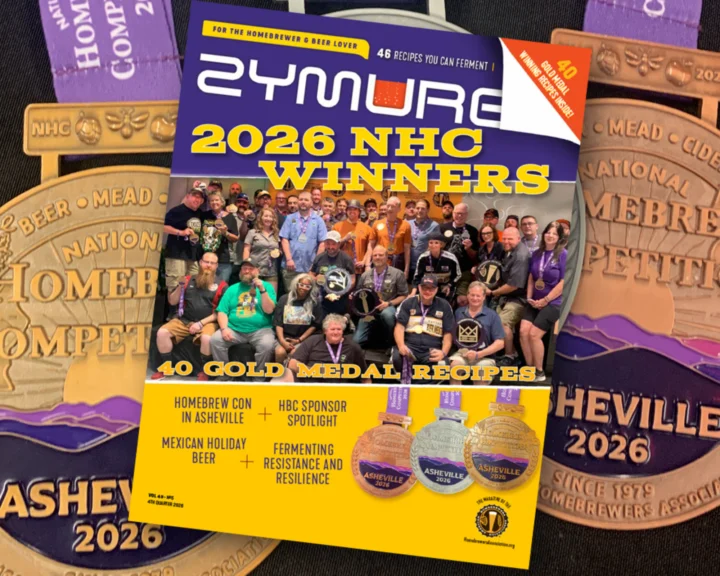

The American Homebrewers Association (AHA) has officially released the fourth-quarter edition of its flagship publication, Zymurgy magazine, for late 2026. This milestone issue arrives packed with comprehensive coverage of the year’s premier amateur brewing events, deep dives into historical and international brewing traditions, technical insights into modern fermentation equipment, and an expansive catalog of award-winning recipes. As the craft beverage community continues to evolve amid shifting consumer preferences and technological advancements, the Q4 2026 edition of Zymurgy serves as both an archive of this year’s pinnacle achievements and a forward-looking roadmap for hobbyists worldwide.
Main Facts of the Q4 2026 Release
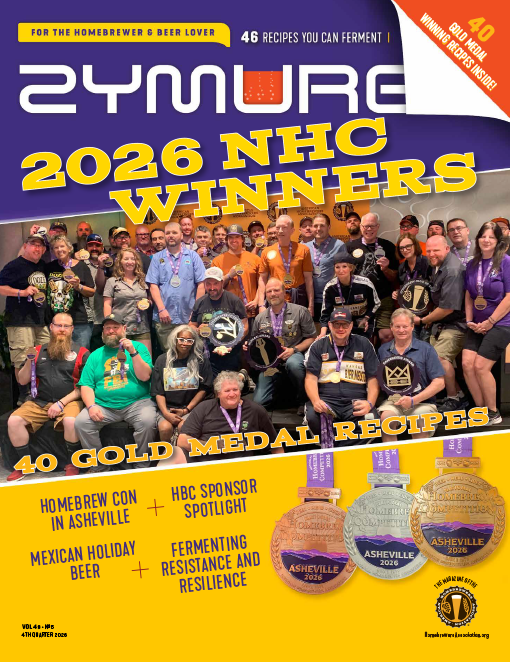
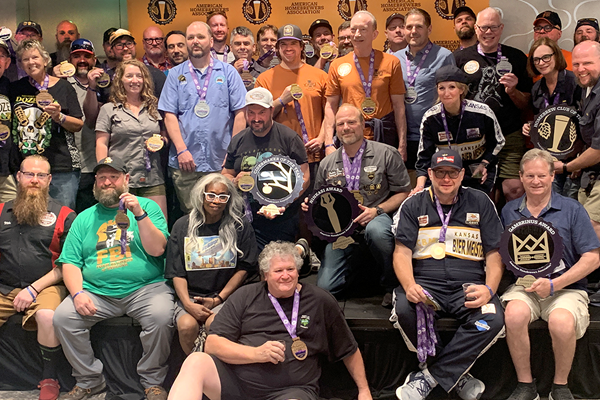
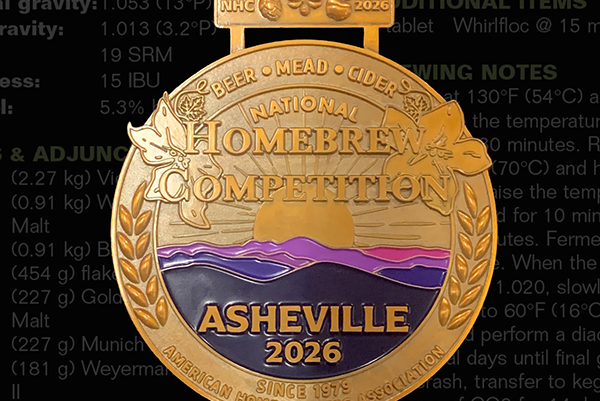
At the core of the latest publication is an exhaustive celebration of the 2026 National Homebrew Competition (NHC). The issue highlights the master craftspeople behind 40 gold-medal-winning recipes spanning beer, mead, and cider categories. Among the honorees are top-tier talents recognized during the competition’s major awards ceremony, headed by Benjamin Frymark, who claimed the prestigious title of Homebrewer of the Year, alongside the winner of the Samuel Adams Ninkasi Award.
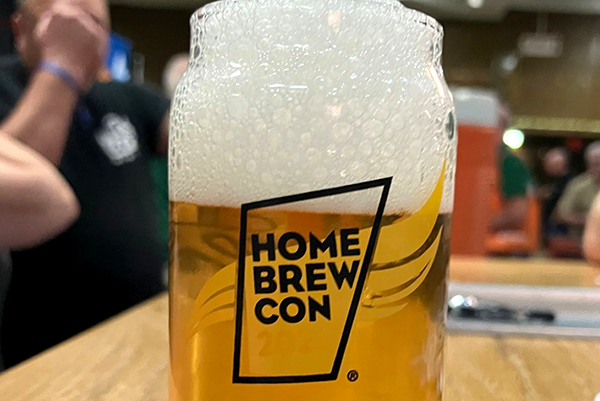
Beyond competition results, the issue chronicles the highly anticipated return of Homebrew Con, details Mexican holiday beer traditions—specifically the pursuit of the classic Noche Buena bock—and explores the vital role women have played in preserving global fermentation traditions through political and social turmoil. Furthermore, the magazine addresses contemporary homebrewing gear, examining the mechanics and utility of unitank fermenters, alongside culinary explorations into the production of garum, club collaborations, and the long-term strategic vision of the American Homebrewers Association.
Chronology of the 2026 National Homebrew Competition Season
The path to the pages of Zymurgy’s fourth-quarter issue represents the culmination of a year-long analytical and sensory evaluation process managed by the AHA. The timeline for the 2026 National Homebrew Competition began months prior with regional first-round judging events held across multiple geographic zones in the United States. During these preliminary rounds, thousands of entries submitted by registered AHA members underwent rigorous evaluation by nationally certified judges adhering strictly to the Beer Judge Certification Program (BJCP) style guidelines.
Following the regional evaluations, advancing entries converged for the final round of judging. The apex of this competitive timeline occurred during Homebrew Con 2026, where the final medals were awarded, and the community gathered for four days of intensive seminars, commercial tastings, and collaborative bottle shares. The publication of the Q4 issue in late 2026 marks the final phase of this annual cycle, making the validated winning formulas publicly accessible to the broader brewing community just in time for the cooler winter brewing season.
Supporting Data and Technical Highlights
The 2026 NHC competition data underscores the immense diversity and technical precision present in modern amateur brewing. The competition evaluated entries across 40 distinct style categories, requiring brewers to master disparate fermentation temperatures, water profiles, malt selections, and hop utilization schedules.
In the Q4 issue, Editor-in-Chief Dave Carpenter—who has led the editorial direction of the publication alongside his extensive background in beer journalism since joining the community—presents these findings with meticulous detail. Alongside the major award winners, the magazine provides six additional experimental and traditional recipes designed to test the limits of home production. Technical features within the issue unpack the mechanics of unitank systems, equipment that allows brewers to pitch yeast, carbonate, and condition under pressure within a single vessel, thereby minimizing oxygen exposure and streamlining the packaging process.
Cultural Context and Historical Significance
A notable departure from purely technical brewing instruction is the issue’s deep dive into the socio-cultural history of fermentation. In a feature article penned by Frances Tietje-Wang, the magazine examines how women historically utilized fermentation not merely as a culinary art, but as a critical survival mechanism. The piece outlines instances where women preserved nutrition, generated household income, and safeguarded cultural identity across periods of severe political suppression, including global conflicts, periods of colonization, institutionalized apartheid, and statutory Prohibition.
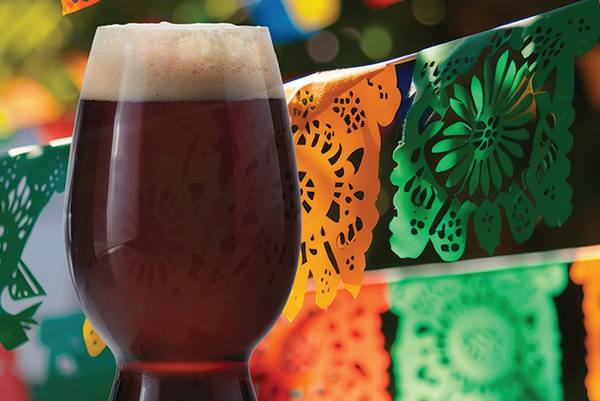
Complementing this historical perspective is Nick McLawhorn’s exploration of Mexico’s rich holiday beer heritage. Focusing on the technical and creative challenges of recreating Noche Buena—a traditional, ruby-hued bock style specifically brewed to accompany Mexican Christmas Eve celebrations—McLawhorn documents a four-batch journey to dial in the malt sweetness, decoction mashing techniques, and clean lager fermentation profiles necessary to mirror the iconic commercial offering.
Official Perspectives and Leadership
Under the editorial leadership of Dave Carpenter, Zymurgy continues to function as the primary educational mouthpiece for the AHA. While the magazine operates primarily as a member-exclusive benefit, the association has made select previews available to the public to demonstrate the value of its archival resources.
Industry analysts note that publications like Zymurgy play an indispensable role in sustaining grassroots interest in craft fermentation. By bridging the gap between historical preservation—such as the documentation of indigenous preservation methods and regional holiday brews—and cutting-edge hardware analysis, the AHA ensures that its membership base remains both culturally educated and technically proficient.
Broader Impact and Industry Implications

The release of the Q4 2026 issue arrives at a critical juncture for the broader beverage alcohol and home fermentation sectors. As commercial craft breweries face margin pressures, saturated markets, and shifting consumer demographics toward health-conscious or non-alcoholic options, the amateur brewing community continues to serve as an incubator for culinary innovation.
The widespread adoption of advanced home-scale technologies, such as professional-grade unitanks and precise temperature controllers, mirrors equipment shifts seen in commercial nano-breweries. Furthermore, the rising interest in alternative fermentation projects—such as the exploration of garum, an ancient fermented fish or legume sauce gaining traction in contemporary gastronomy—signals that home fermentation enthusiasts are expanding their scope far beyond traditional malt beverages.
By documenting these trends, publishing rigorously tested competition recipes, and honoring the community’s historical roots, the American Homebrewers Association through Zymurgy reinforces its position as the definitive authority on amateur fermentation. The Q4 2026 issue not only records the triumphs of the year’s best brewers but also establishes a rigorous standard for the future evolution of the craft.