
The American Homebrewers Association (AHA) has successfully concluded its inaugural board of directors election, a landmark event that signifies the organization’s transition into a fully independent entity. This election, held in March 2026, represents the first time the membership has directly shaped the leadership of the newly autonomous organization following its structural separation from its long-time parent organization, the Brewers Association. The results of the vote see four new leaders joining the board, tasked with steering the AHA through a transformative period in the hobbyist brewing landscape.
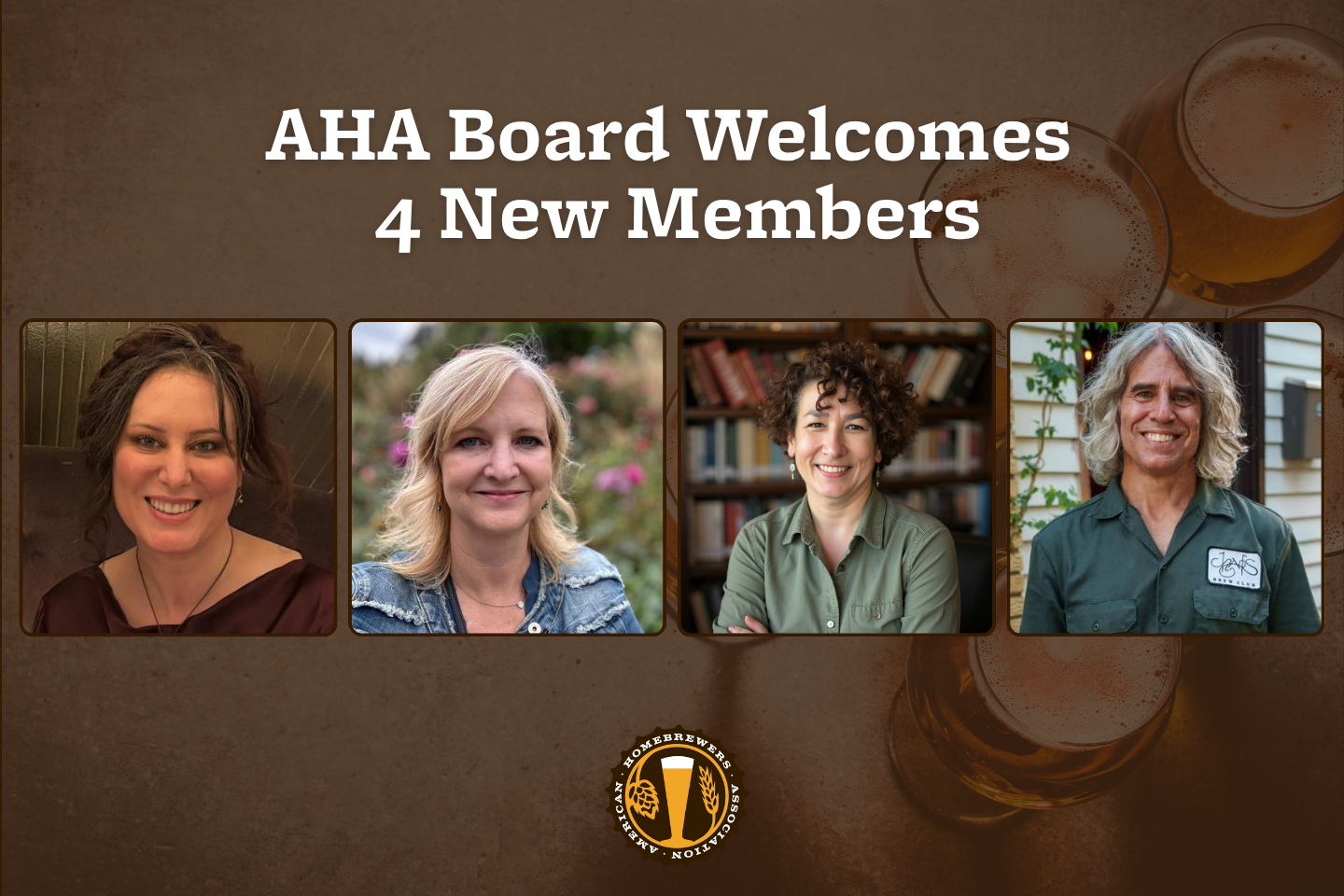
The democratic process saw a robust response from the community, beginning with an initial pool of 28 nominees from across the United States. This group was eventually narrowed down to a final slate of 10 candidates by a nominating committee, from which the general membership elected Jen Blair, Stephanie Butler, Jen Pereira, and Jeff Whelpley. These individuals will serve three-year terms, beginning with their official seating at the AHA’s 2026 annual meeting on June 20, 2026, in Asheville, North Carolina. Their arrival coincides with the AHA’s marquee event, Homebrew Con, where the organization’s strategic vision for the coming decade will be a primary focus.
A New Era of Governance and Independence
The 2026 election is more than a routine change in leadership; it is the culmination of a multi-year effort to establish the AHA as a self-governing 501(c)(6) membership organization and a 501(c)(3) educational foundation. Historically, the AHA operated as a division of the Brewers Association (BA), the trade group representing professional craft brewers. While this partnership was instrumental in the growth of the craft beer movement, the decision to move toward independence was driven by a desire for the AHA to have total control over its financial resources, advocacy efforts, and community-specific programming.
By operating as a 501(c)(6), the AHA can focus on the business of its members—protecting the rights of homebrewers and supporting the hobby’s infrastructure. Simultaneously, the establishment of the A-HA Foundation as a 501(c)(3) allows the organization to pursue charitable and educational missions, such as scholarship programs, scientific research into fermentation, and the preservation of brewing history, while offering tax-deductible opportunities for donors.
The incoming board members join an established group of directors, including Shawna Cormier, who serves as the Board Chair, Drew Beechum, and Gregory Roskopf. Together, this seven-member body will oversee the association’s transition, ensuring that the legal and operational foundations laid by the "Founding Board" are translated into long-term growth and stability.
Profiles of the Newly Elected Leadership
The four elected members bring a diverse range of expertise to the board, reflecting the multidisciplinary nature of modern homebrewing.
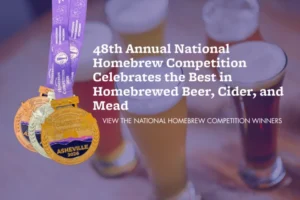
Jen Blair is a well-known figure in the brewing community, possessing a deep background in beer education and sensory analysis. As a Master Cicerone and National BJCP (Beer Judge Certification Program) judge, Blair’s expertise is expected to bolster the AHA’s educational initiatives and its management of the National Homebrew Competition, the world’s largest competition of its kind.
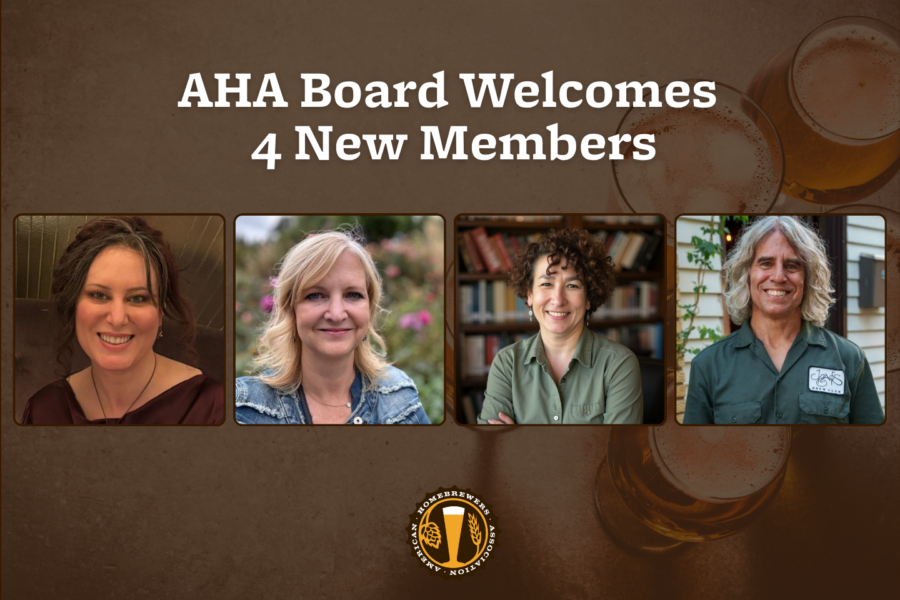
Stephanie Butler enters the board with a reputation for community building and grassroots organizing. Her focus on inclusivity and expanding the reach of homebrewing to underrepresented demographics aligns with the AHA’s stated goal of placing a "homebrewer in every neighborhood."
Jen Pereira brings a wealth of professional experience in organizational management and strategic planning. Her role will be critical in navigating the complexities of the AHA’s new dual-nonprofit status, ensuring that the association remains fiscally sound while maximizing member value.
Jeff Whelpley is recognized for his contributions to the technical and digital side of the hobby. As homebrewing increasingly intersects with digital recipe sharing, automated brewing systems, and online community platforms, Whelpley’s insights into technology and modern media will be vital for the AHA’s digital transformation.
Chronology of the Transition
The path to this historic election has been several years in the making. The following timeline outlines the key milestones in the AHA’s journey toward independence:
- 1978: The American Homebrewers Association is founded by Charlie Papazian in Boulder, Colorado, following the federal legalization of homebrewing.
- 2005: The AHA and the Association of Brewers merge with the Brewers Association of America to form the Brewers Association (BA).
- 2023-2024: Internal discussions begin regarding the feasibility of the AHA becoming an independent entity to better serve the specific needs of hobbyists versus professional brewers.
- Late 2024: The "Founding Board," including Sandy Cockerham and Gary Glass, is established to oversee the legal separation and the formation of the new 501(c)(6) and 501(c)(3) structures.
- January 2026: Nominations open for the first-ever member-elected board seats under the new independent structure.
- March 2026: Election takes place, with a record number of members participating in the digital ballot.
- June 20, 2026: The new board will be officially seated during the AHA Annual Meeting at Homebrew Con in Asheville, NC.
Honoring the Founding Board
As the AHA welcomes its new directors, it also bids farewell to two pivotal figures: Sandy Cockerham and Gary Glass. Both served as members of the Founding Board, a group tasked with the monumental challenge of untangling the AHA’s operations from the Brewers Association while maintaining service to its tens of thousands of members.
Gary Glass, in particular, has a long history with the organization, having served as the AHA Director for nearly two decades prior to the transition. His institutional knowledge and advocacy for homebrewers’ rights—including the successful push to legalize homebrewing in all 50 states—have left an indelible mark on the hobby. Sandy Cockerham, an accomplished judge and leader within the BJCP, provided the steady hand necessary to ensure that the AHA’s core values of education and competition were preserved during the reorganization.
Board Chair Shawna Cormier noted that the work of the Founding Board was "impressive to say the least," highlighting that their dedication provided the framework upon which the new board will build.
Implications for the Homebrewing Community
The shift to an independent, member-led board has significant implications for the future of the hobby. Homebrewing has faced various headwinds in recent years, including the widespread availability of high-quality craft beer and a shift in consumer habits among younger generations. However, the AHA sees this independence as an opportunity to pivot and innovate.
Financial Autonomy: Under the previous structure, AHA budgets were often tied to the broader goals of the professional brewing industry. As an independent 501(c)(6), the AHA can now reinvest 100% of its membership dues and sponsorship revenue directly into programs that benefit homebrewers, such as the AHA Member Deals program, Zymurgy magazine, and government affairs advocacy at the state and local levels.
Focused Advocacy: While the Brewers Association focuses on excise taxes and distribution laws for commercial breweries, the AHA’s advocacy can now focus exclusively on the needs of the individual. This includes protecting the right to share homebrew at festivals, clarifying regulations around homebrew clubs, and ensuring that hobbyists have access to the same ingredients and technology as professionals.
The "A-HA Foundation": The 501(c)(3) arm of the organization is expected to play a larger role in the coming years. By positioning homebrewing as a craft rooted in science, history, and culinary art, the foundation can seek grants and donations to fund educational content that reaches beyond the existing membership base, potentially revitalizing interest in the hobby among DIY enthusiasts and makers.
Looking Ahead: Asheville and Beyond
The seating of the new board in Asheville, North Carolina, is a symbolic choice. Asheville, often referred to as "Beer City USA," has one of the highest concentrations of breweries per capita in the United States and a deeply rooted homebrewing culture. Homebrew Con 2026 will serve as the first major gathering under the new leadership, providing a forum for members to interact directly with the directors they elected.
The AHA’s vision—"a homebrewer in every neighborhood and a homebrew club in every community"—remains the North Star for the organization. To achieve this, the board is expected to focus on modernization, looking for ways to integrate homebrewing into the broader "maker movement" and culinary trends like fermentation and sustainability.
As the association enters this new chapter, the successful execution of its first independent election provides a strong mandate for Blair, Butler, Pereira, and Whelpley. With a mix of seasoned veterans and fresh perspectives, the AHA Board of Directors is now positioned to lead the organization into its next 50 years, ensuring that the joy of brewing remains a vital part of American culture.
The American Homebrewers Association continues to invite all fermentation enthusiasts to join their ranks, offering resources ranging from the "National Homebrew Competition-validated" recipes to the extensive educational archives of Zymurgy magazine. As the dust settles on this historic election, the focus now turns to Asheville, where the future of homebrewing will officially begin its next phase of evolution.