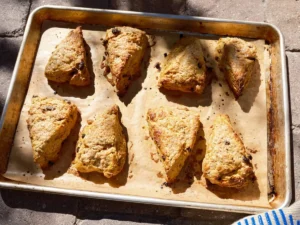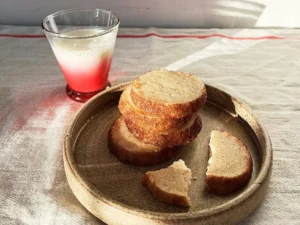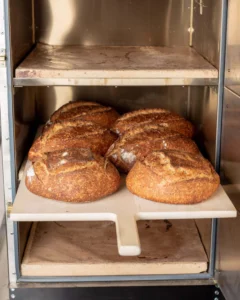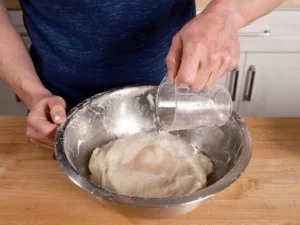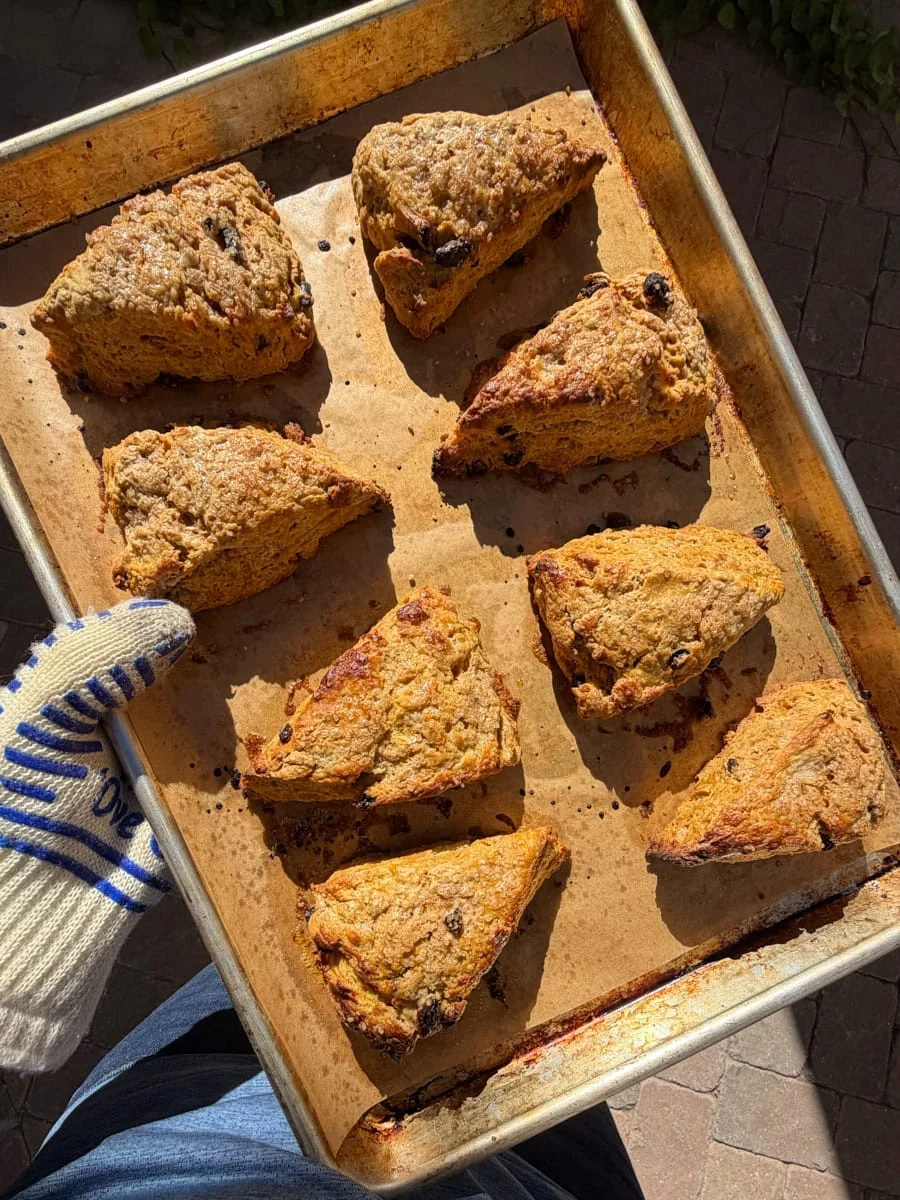

The quest for the perfect scone is a journey many bakers embark upon, seeking a balance between a yielding, moist interior and a desirably crisp exterior. For those who appreciate the nuanced tang of sourdough and the seasonal comfort of pumpkin, this pursuit often leads to a delightful intersection of flavors and textures. This article delves into the intricacies of crafting exceptionally tall and tender sourdough pumpkin scones, exploring the techniques and ingredient choices that elevate this popular baked good from ordinary to extraordinary, even at high altitudes.
At its core, this exploration is not merely about a single recipe, but about understanding the fundamental principles that govern scone structure and flavor. The author, an experienced baker with a focus on sourdough, shares insights gleaned from years of experimentation, particularly highlighting methods to achieve a desirable height and a delicate crumb, a challenge often amplified by the unique atmospheric conditions of high-altitude baking.
The Sourdough Distinction: Beyond Traditional Baking
The inclusion of sourdough starter discard is a key element that differentiates these scones from their conventional counterparts. Sourdough, a leavening agent born from a symbiotic culture of wild yeasts and bacteria, imparts a characteristic tang and contributes to the overall structure and flavor profile of baked goods. In the context of scones, the fermented nature of the starter, combined with other acidic ingredients like buttermilk, plays a crucial role in tenderizing the dough.
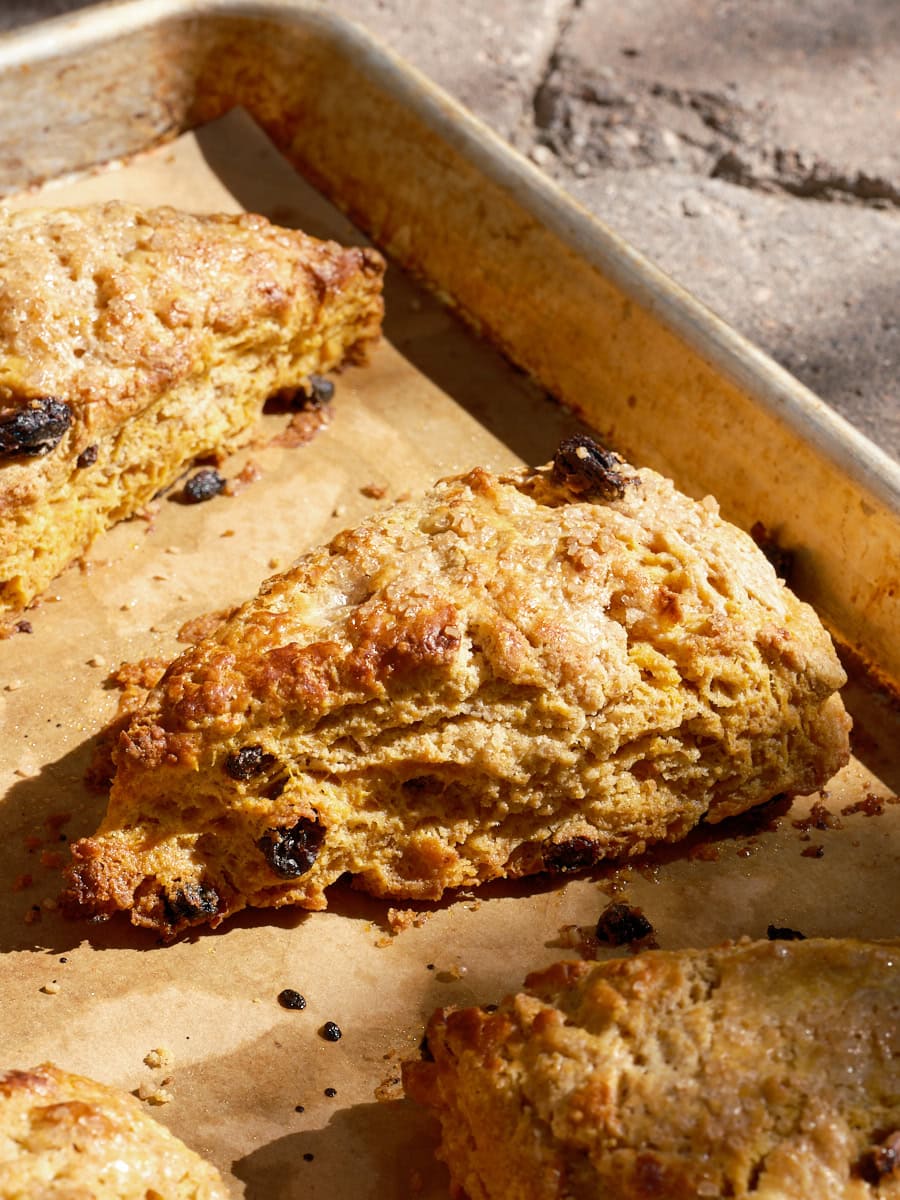
While traditional scones often rely on butter and minimal liquid for flakiness, these sourdough pumpkin scones embrace a different approach. The author contrasts this with their more traditional flaky sourdough scones, which utilize heavy cream for its high fat content to create distinct layers through fat encapsulation of flour particles. This new recipe, however, opts for buttermilk. The acidity of buttermilk, with its lower fat content (around 1-2% compared to heavy cream’s 36%), works in conjunction with the sourdough starter to relax and lengthen gluten strands. This is particularly beneficial when working with whole-grain flours, such as einkorn, which can have a more delicate gluten structure. The result is a tender, flaky crumb where the inherent tang of the buttermilk harmonizes beautifully with the fermented notes from the discard and the natural sweetness of pumpkin.
The Einkorn Advantage and Adaptability
The recipe specifically calls for whole-grain einkorn flour, a heritage grain known for its nutty flavor and distinct nutritional profile. Einkorn, one of the oldest cultivated wheat varieties, offers a unique earthiness that complements the sweet and spiced notes of pumpkin exceptionally well. The author notes that the rustic slant brought by the whole-grain flour balances the sweetness of the pumpkin, creating a more complex flavor profile.
However, recognizing that einkorn may not be readily available to all bakers, the article provides a practical alternative. For those without einkorn on hand, any whole wheat flour can be substituted. The author suggests specific whole wheat varieties like Red Fife, Butler’s Gold, or Marquis as ideal pairings due to their inherent flavor characteristics, further emphasizing the importance of the whole-grain component in achieving the desired rustic charm.
Achieving the Tall Scone: Techniques for Elevation
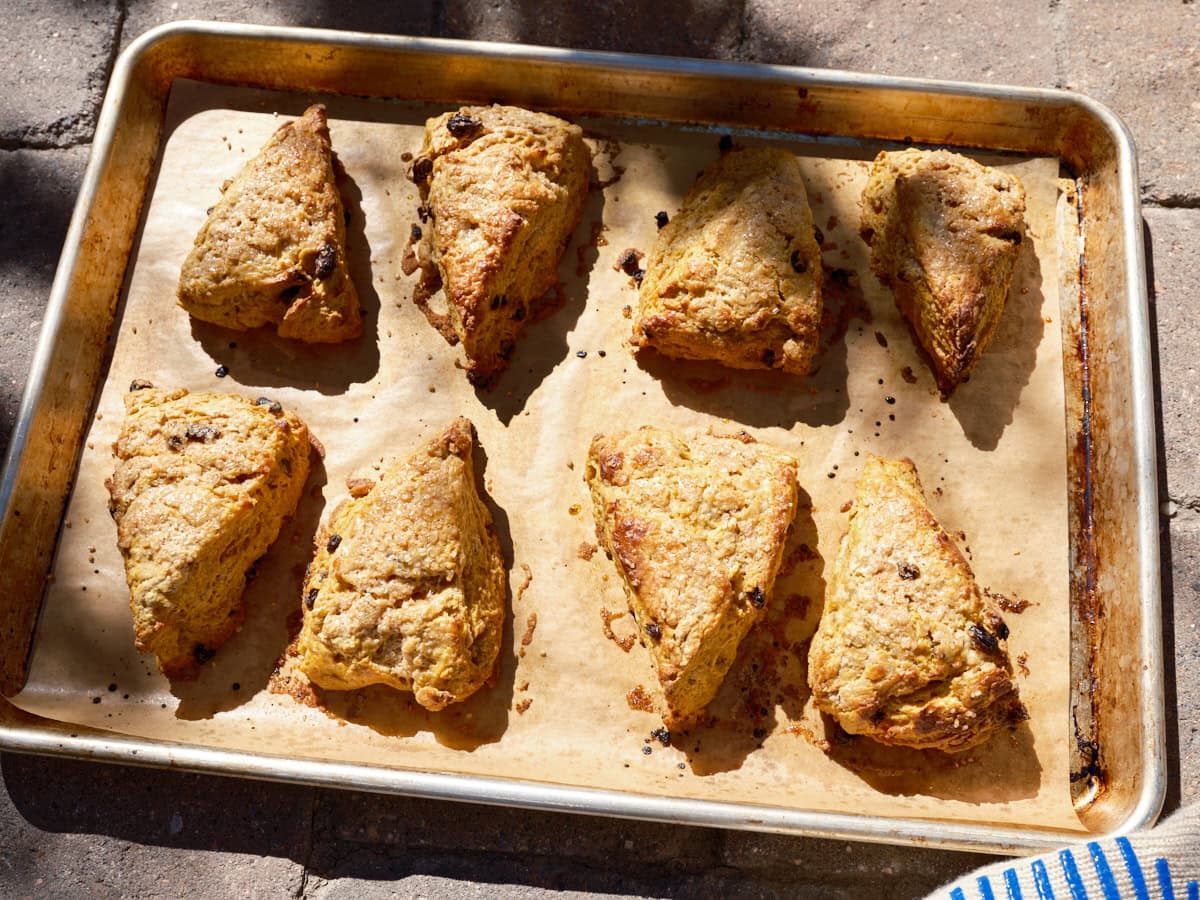
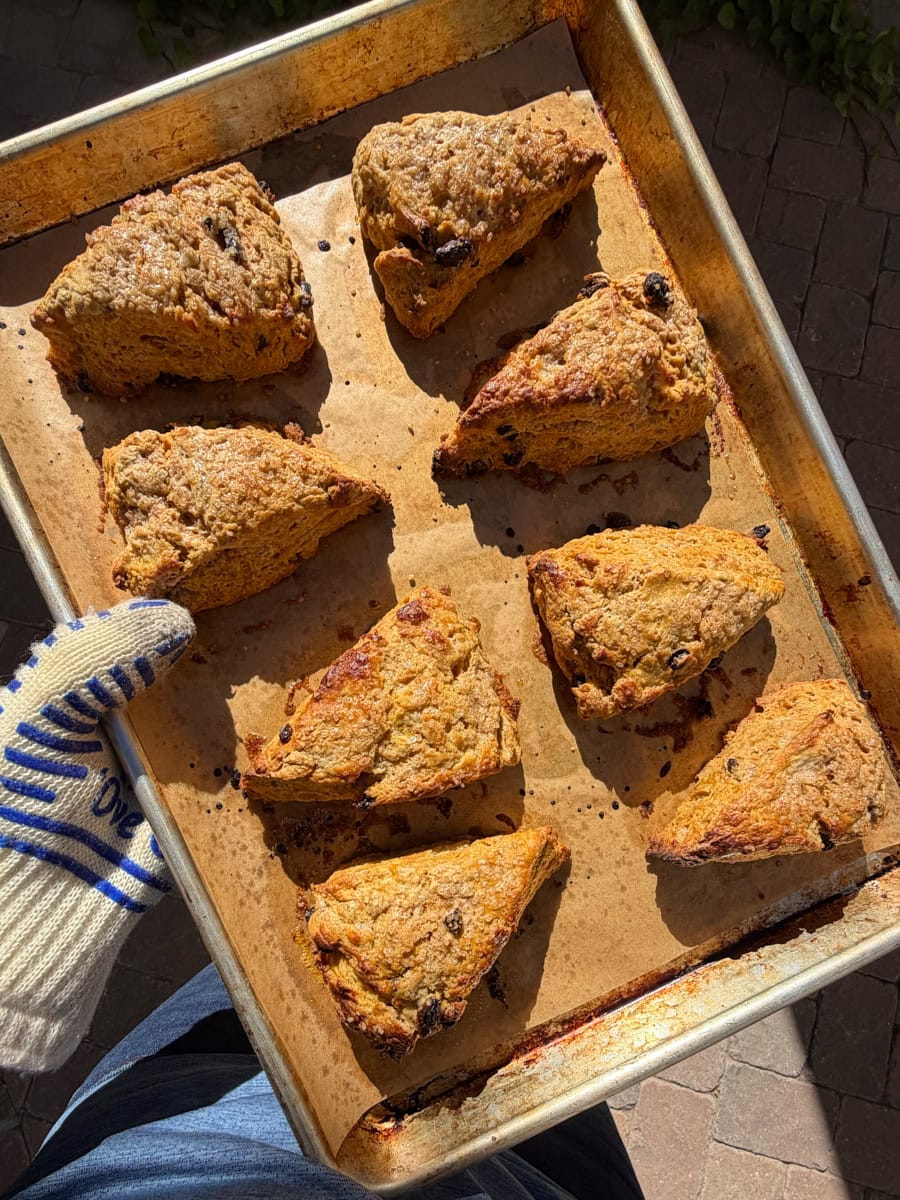
A significant focus of the article is on achieving a "super-tall rise" in these scones, moving away from the flatter, more spread-out varieties. The author identifies two primary techniques that contribute to this desirable height: the use of convection baking and a deliberate approach to dough handling.
Convection Baking for a Swift Set:
The article champions the use of convection baking, asserting that its intense and even heat is a significant asset in most baking endeavors, with the notable exception of bread baking requiring specific steam environments. In the context of scones, the initial blast of hot air from a convection oven quickly forms a crust on the outer edges of the dough. This rapid setting of the exterior prevents the scones from spreading excessively during their initial rise, thus encouraging them to bake upwards. For bakers whose ovens lack a convection setting, a practical workaround is suggested: increasing the baking temperature by approximately 25°F (about 14°C) for the initial minutes of baking. This can help to mimic the rapid crust formation achieved through convection.
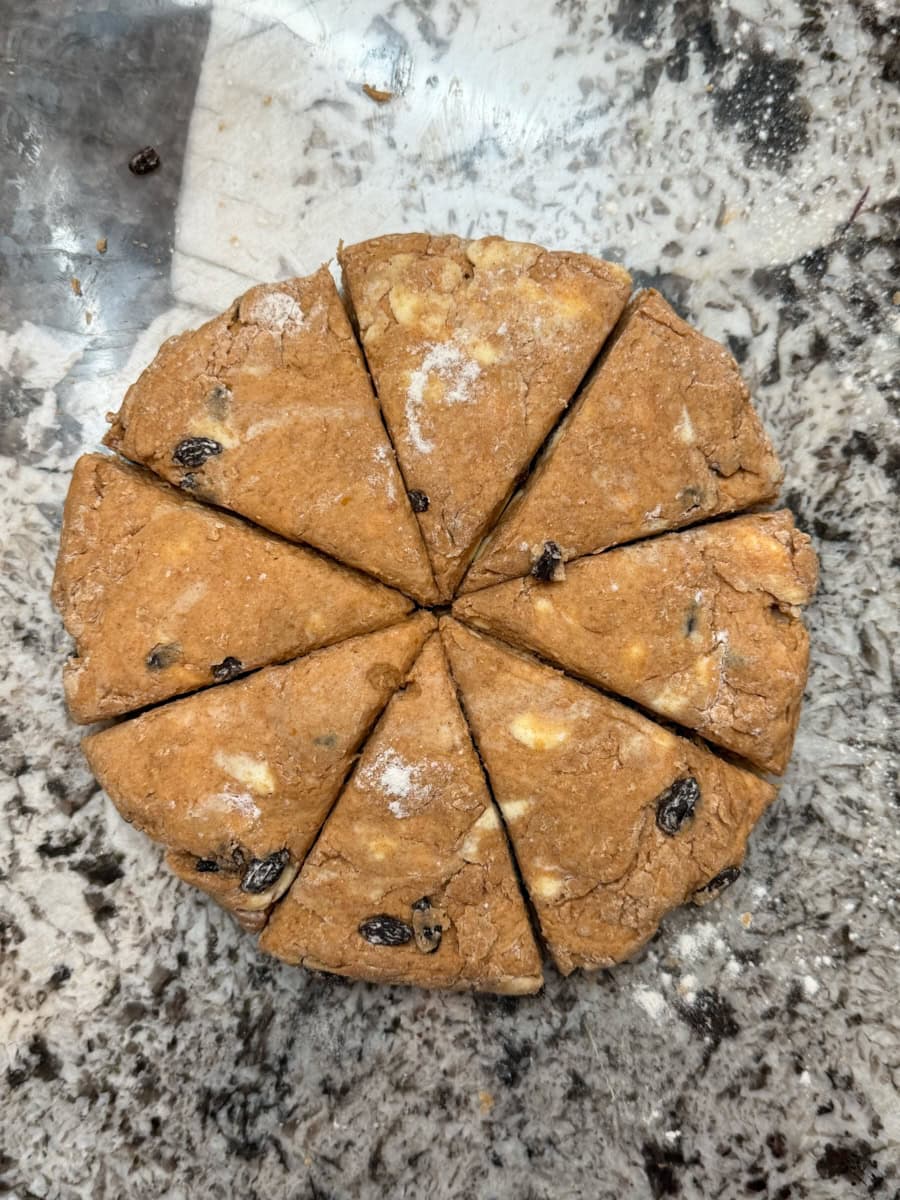
Dough Handling and High-Altitude Considerations:
Beyond baking method, the author’s extensive experience has led to the discovery of specific techniques for achieving a tall scone. While the exact details of these techniques are embedded within the recipe instructions, the article emphasizes their importance, particularly for bakers residing at high altitudes. The unique atmospheric conditions at higher elevations, characterized by lower air pressure and reduced humidity, can significantly impact baking. Just as with high-altitude sourdough bread baking, where minor adjustments are crucial for achieving optimal results, these subtle modifications in scone preparation can be the difference between a flat, spread scone and a tall, proud one. The article implicitly suggests that careful handling of the dough, perhaps involving minimal manipulation and precise shaping, plays a vital role in this height achievement.
Ingredient Synergy: The Role of Buttermilk and Pumpkin
The choice of buttermilk is presented not just as a liquid but as a critical component for achieving both flavor and texture. Its acidity is highlighted as the key factor in tenderizing the gluten, contributing to the scone’s soft interior. This contrasts with recipes that rely solely on the fat content of butter or cream for tenderness. The article elaborates on how the low pH of buttermilk interacts with the gluten, making it more extensible and thus more forgiving, especially with whole-grain flours.
Pumpkin puree, the seasonal star, is seamlessly integrated into the dough. Its natural sweetness and moisture contribute to the scone’s tender crumb and add a distinct autumnal flavor. The article implicitly suggests that the balance of spices often accompanying pumpkin in baked goods further enhances this flavor profile, creating a harmonious blend with the sourdough tang and the nutty undertones of the flour.
FAQs and Further Culinary Exploration
To address common baking queries, the article includes a comprehensive FAQ section. This section clarifies potential substitutions for key ingredients, such as pumpkin puree (sweet potato or butternut squash puree), einkorn flour (any whole wheat), buttermilk (a homemade cultured milk substitute or kefir), and inclusions like raisins (dried cranberries or blueberries). These FAQs demonstrate a thoughtful approach to recipe development, anticipating the needs and potential challenges of home bakers.
Furthermore, the article concludes with suggestions for utilizing any remaining pumpkin puree, linking to other recipes on the author’s platform, such as Pumpkin Cinnamon Sourdough Bread and Pumpkin Pancakes. This reinforces the seasonal theme and encourages a holistic approach to reducing food waste in the kitchen. The author also extends a special acknowledgment to Michele, crediting her with inspiration and assistance in developing the recipe over several years, underscoring the collaborative nature of culinary innovation.
In essence, these sourdough pumpkin scones represent more than just a recipe; they are a testament to the art of baking, where understanding ingredient interactions, mastering technique, and adapting to environmental factors converge to create a truly exceptional baked good. The emphasis on achieving a tall, tender scone, particularly in the context of high-altitude baking, offers valuable insights for bakers seeking to refine their craft and elevate their seasonal bakes.