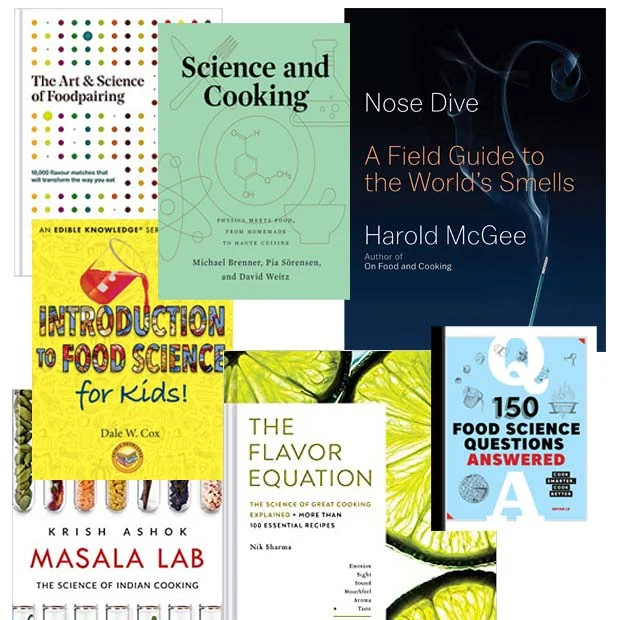

After an extended hiatus from publishing book recommendations that began following its 2013 literary roundup, the prominent food-science blog Khymos has officially resumed its curated reviews, releasing an extensive list of seminal publications dedicated to the intersection of gastronomy, physics, and chemistry. The newly unveiled compilation shines a spotlight on the burgeoning field of molecular gastronomy and culinary science, focusing heavily on a wave of influential texts published throughout 2020. This revival marks a significant milestone for culinary literature enthusiasts and professional kitchens alike, bridging the gap between rigorous scientific research and everyday domestic cooking.
Background Context of Culinary Science Integration
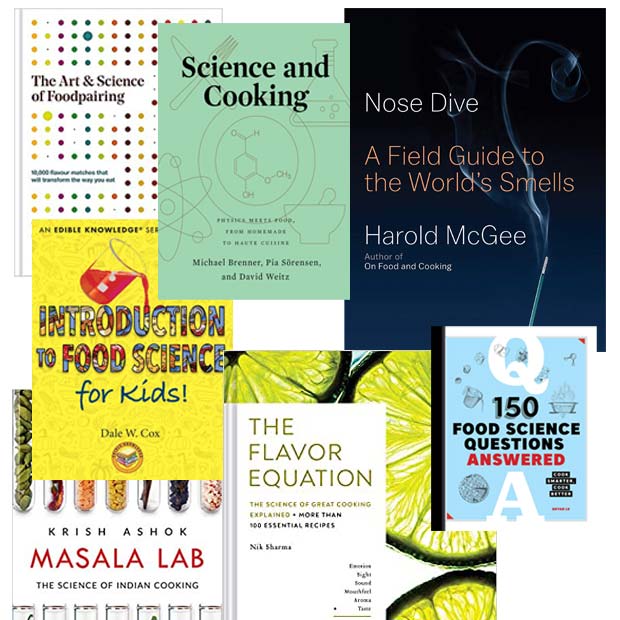
The formal study of molecular and physical gastronomy gained mainstream traction in the late 20th century, championed by pioneering scientists and chefs who sought to understand the chemical transformations occurring during the cooking process. Over the past two decades, this niche academic pursuit transformed into a global culinary movement. Platforms like Khymos have historically played a vital role in translating complex laboratory concepts—such as Maillard reactions, protein denaturation, and volatile aromatic compounds—into accessible knowledge for home cooks and culinary professionals.
The publication of these 2020 titles demonstrates a maturation of the genre. While early works primarily focused on breaking down Western haute cuisine, the recent literature expands into regional cooking traditions, sensory perception, specialized pairing methodologies, and foundational education for younger demographics.
Chronology and Key Literature of 2020
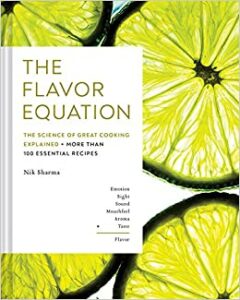
The featured works from the 2020 publishing calendar represent a diverse cross-section of academic, professional, and accessible science communication. Leading the recommendations is Nik Sharma’s The Flavor Equation, spanning 352 pages and integrating approximately 100 recipes. Sharma utilizes a distinct "Flavor Approach" framework embedded within individual recipes, alongside a broader examination of flavor theory from multiple perspectives, complete with a welcome inclusion of metric units.
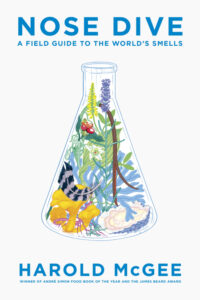
Parallel to Sharma’s work is Harold McGee’s monumental 688-page release, Nose Dive: A Field Guide to the World’s Smells. McGee, widely credited with igniting modern public interest in food science through his seminal 1984 work On Food and Cooking: The Science and Lore of the Kitchen, dedicates his latest volume entirely to the science of olfactory perception. Spanning environmental and culinary volatile molecules, the book serves as an exhaustive field guide to how humans perceive the chemical environment through scent.
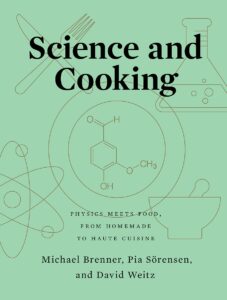
Academic rigor takes center stage in Science and Cooking: Physics Meets Food, From Homemade to Haute Cuisine by Michael Brenner, Pia Sørensen, and David Weitz. Drawing directly from their decade-long tenure teaching the wildly popular Harvard University general education course of the same name, the authors combine applied mathematics, chemistry, and physics with practical kitchen applications. The course, which has regularly featured world-renowned chefs and scientists on YouTube lectures, translates elite laboratory insights into actionable kitchen principles.
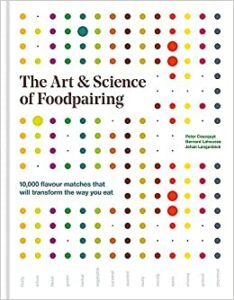
Expanding into the controversial yet commercially viable realm of flavor architecture, The Art and Science of Foodpairing by Peter Coucquyt, Bernard Lahousse, and Johan Langenbick compiles years of empirical data from the Foodpairing company. Building on early conceptual frameworks discussed at European culinary congresses such as The Flemish Primitives, the 388-page volume attempts to map out flavor affinities based on shared volatile compounds, offering chefs a methodological tool for recipe development.
Regional Cuisines and Educational Outreach
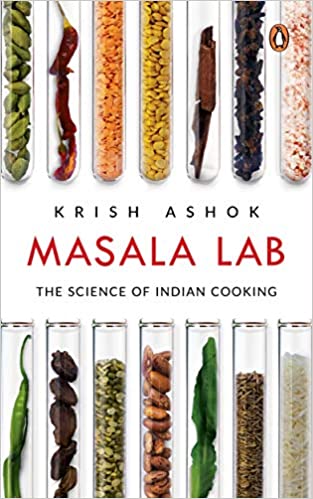
One of the most notable trends highlighted in the recent Khymos review is the application of scientific rigor to non-Western culinary traditions. Masala Lab by Krish Ashok, a 280-page exploration by an electronic and software engineer, applies empirical methodology to Indian regional cooking. By demystifying traditional techniques through the lens of thermodynamics and food chemistry, the book represents a growing shift toward globalizing the science of cooking.
To accommodate beginners and younger audiences, the 2020 publishing slate also featured targeted educational texts. Bryan Le’s 150 Food Science Questions Answered: Cook Smarter, Cook Better offers a structured Q&A format addressing culinary basics, ingredient groups, and food safety protocols. Meanwhile, Dale W. Cox’s Introduction to Food Science for Kids!: A Kitchen-Based Workbook targets children, leveraging domestic kitchens as practical laboratories to introduce fundamental scientific concepts early in life.
Supporting Data and Industry Impact
The resurgence of interest in food science literature coincides with a measurable shift in consumer behavior. According to recent publishing industry metrics, non-fiction titles focusing on home economics, baking science, and culinary education saw a substantial surge in readership and sales following global lifestyle shifts in 2020. Kitchen laboratories and home fermentation projects became widespread hobbies, directly correlating with the commercial success of accessible technical guides like those reviewed by Khymos.
Furthermore, the inclusion of standardized metric units across multiple reviewed titles—such as those by Sharma and the Harvard team—reflects a broader industry standard toward globalized, precise scientific communication in recipe writing, reducing variables in culinary experimentation.
Broader Implications and Future Outlook
The return of curated literature reviews from platforms like Khymos reinforces the ongoing evolution of the culinary arts into a multidisciplinary science. By bridging applied physics, organic chemistry, sensory psychology, and cultural anthropology, modern food writing has moved far beyond traditional recipe collection.
As chefs and home cooks increasingly demand evidence-based explanations for why techniques succeed or fail, these publications empower individuals to troubleshoot recipes, innovate with regional ingredients, and develop a deeper appreciation for the molecular mechanics of daily nutrition. The integration of these principles into educational curricula for children further ensures that the next generation of cooks will approach the kitchen not merely as an art form, but as a dynamic, testable science.