
A common yet often misunderstood health journey unfolds for many women in their late 40s and early 50s, characterized by profound cognitive and emotional shifts that are frequently misattributed to depression or generalized anxiety. What manifests as brain fog, memory lapses, debilitating fatigue, and mood swings can leave individuals feeling "barely alive," as one woman described her experience, only to discover that the root cause is not a mental health disorder but the intricate hormonal recalibrations of menopause. This often-overlooked connection highlights a critical gap in medical understanding and patient care, leading to prolonged suffering and inappropriate treatments before the true nature of their symptoms is revealed.
The Personal Odyssey: From Brain Fog to Clarity
The journey of many women through perimenopause and menopause often begins subtly, with frustrations that escalate over time. For one individual, the initial signs were everyday cognitive struggles – the inability to recall simple proper nouns, like the name of a familiar restaurant. What began as an occasional lapse, dismissed as a "sludginess typical for people who are middle-aged and beyond," intensified into a pervasive mental haze. This cognitive impairment extended beyond trivial matters, impacting professional life, rendering her unable to perform constructive work, staring blankly at computer screens, and struggling to maintain focus past morning hours. The feeling was akin to thoughts being "under a pile of garbage," a constant struggle against a pervasive mental exhaustion that permeated every aspect of her existence.
This profound shift from a previously sharp, capable mind to one shrouded in fog was far from typical. The mornings, once a period of clarity, became the sole window for productivity, forcing the individual to condense an eight-hour workday into a mere two or three. On the worst days, the haze was insurmountable, preventing any meaningful work, reading, or engagement. The debilitating nature of these symptoms spurred a quest for medical answers, yet the path was fraught with misdirection.
Over nearly two years, a revolving door of healthcare professionals offered similar diagnoses: depression. Multiple antidepressants were prescribed, each leaving her feeling "worse" or "like a zombie." A sleeping pill further exacerbated the drugged sensation. Extensive tests for common culprits like thyroid issues and anemia yielded no answers. Desperate, she experimented with various supplements, "mushroom coffee," and a plethora of products marketed for cognitive enhancement, all to no avail. The breakthrough came unexpectedly during a routine gynecological exam. A casual mention of vaginal dryness, a classic menopausal symptom, prompted a series of questions from her gynecologist that finally connected the dots: sleep patterns, mood, energy levels, hot flashes, and crucially, brain fog. "Funny you should mention brain fog," she recalled saying in her "usual hazy monotone," concluding, "I feel like I’m barely alive." This pivotal conversation led to a diagnosis of menopause and prescriptions for estradiol and progesterone. Within days, the transformation was dramatic, akin to "someone had flipped a switch." Clarity returned, productivity resumed, conversations became manageable, and, significantly, uninterrupted sleep, a distant memory for years, was finally restored.
Menopause: A Comprehensive Biological Transition
Menopause is fundamentally a life stage, not a disease or a medical condition, marking a natural biological transition in a woman’s life. It is officially reached after 12 consecutive months without a menstrual period, signifying the end of reproductive years. The period leading up to this, known as perimenopause, and the subsequent postmenopause, are characterized by significant fluctuations and a gradual decline in hormone levels, particularly estrogen and progesterone. These hormonal shifts are responsible for a wide array of symptoms, often extending far beyond the commonly discussed weight gain and reduced sex drive.
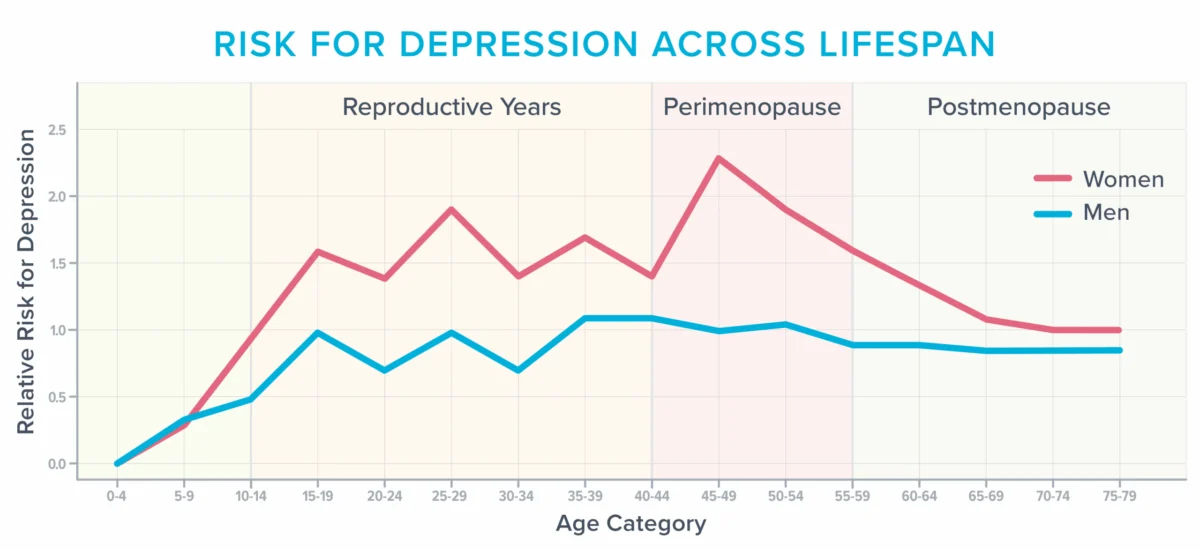
According to the American College of Obstetricians and Gynecologists, approximately 40 percent of women experience increased irritability, mood swings, anxiety, fatigue, and difficulty concentrating during and after menopause. This period also represents one of the most vulnerable times in a woman’s life for developing depression, a risk that is significantly amplified for those with a history of depressive episodes. Data illustrates a stark contrast between genders, with women’s risk of depression peaking around the perimenopausal years before gradually declining around age 50, while men’s risk remains relatively stable and lower throughout adulthood. The emotional toll can be profound, including inexplicable crying spells, heightened sensory sensitivity where normal sounds become physically painful, and a pervasive anxiety about previously innocuous situations.
Beyond the direct hormonal impact, the mid-life stage often coincides with a confluence of life stressors that can further exacerbate cognitive and emotional symptoms. Women in their 40s and 50s are frequently at the zenith of their careers, shouldering immense professional responsibilities that extend into their personal lives. Concurrently, they may be navigating the challenges of parenting adolescents, caring for aging parents, adjusting to an empty nest, or managing significant financial burdens. While these external factors undoubtedly contribute to mental strain, a lesser-known but critical trigger for cognitive and emotional distress during menopause is the vasomotor symptom: the hot flash.
The Pervasive Impact of Vasomotor Symptoms on Brain Health
Hot flashes (daytime) and night sweats (nocturnal) are categorized as vasomotor symptoms (VMS), referring to the constriction or dilation of blood vessels that influence processes like blood pressure and sweating. During a VMS episode, there is a surge in norepinephrine and cortisol levels, leading to blood vessel dilation in an attempt to dissipate heat. This physiological response results in increased blood pressure and heart rate, often accompanied by skin reddening, sensations of warmth spreading across the face, neck, and chest, sweating, heart palpitations, and feelings of anxiety, fatigue, or faintness.
The precise etiology of hot flashes around menopause is not fully understood, but a prominent theory posits that declining estrogen levels disrupt the hypothalamus, the brain region responsible for temperature regulation. This disruption causes the body’s internal thermostat to malfunction, erroneously signaling that the body is either too hot or too cold. For years, VMS were largely dismissed as mere inconveniences or sources of embarrassment. However, a growing body of research now reveals that hot flashes are far more than just uncomfortable; they can significantly impact cardiovascular health and brain function, leading an increasing number of experts to classify them as a treatable medical condition.
Scientific Evidence Linking VMS to Cognitive and Vascular Changes:
The connection between VMS and adverse health outcomes is supported by compelling scientific data. A study involving 226 women, utilizing continuous VMS monitoring, MRI scans, sleep diaries, and smartwatches, provided critical insights. Researchers observed a notable abundance of "whole-brain white matter intensities" – patchy brain lesions – in women who experienced the most frequent hot flashes. While previously considered a normal consequence of aging, neuroscientists now recognize these lesions as predictive of future cognitive decline, doubling the risk of dementia diagnosis and tripling the likelihood of future stroke.
This increased prevalence of white matter intensities is believed to stem, in part, from pathological changes in the brain’s blood vessels. A three-year longitudinal study of 492 women corroborated this theory, demonstrating that women with frequent hot flashes also exhibited unhealthy vascular changes, specifically an impaired ability of blood vessels to dilate in response to increased blood flow. Furthermore, frequent VMS have been linked to elevated markers of systemic inflammation and vascular dysfunction, including C-reactive protein (CRP), homocysteine, and endothelin-1, all indicating chronic stress on the cardiovascular system that directly impacts cerebral blood flow and neuronal health.

The Devastating Role of Sleep Disruption:
Beyond direct vascular effects, frequent hot flashes profoundly impact brain health by severely disrupting sleep. Many women are unaware that night sweats are the culprit behind their fragmented sleep, often attributing their awakenings to general insomnia or even sleep apnea. This misattribution occurs because the intense heat of a night sweat may have dissipated by the time the surge of cortisol and norepinephrine jolts them awake, leaving them to wonder why they are repeatedly waking for no discernible reason.
These chronic, frequent awakenings have severe consequences for brain function. They impede the brain’s ability to consolidate memories, metabolize metabolic toxins that accumulate during wakefulness, and efficiently store daily information – leading directly to the frustrating "brain fog" and memory lapses. Furthermore, prolonged sleep loss can result in reduced connectivity in the hippocampus, a brain region vital for learning and memory. Simultaneously, the amygdala, the brain’s emotional processing center, becomes hyper-reactive, contributing to heightened stress, anxiety, irritability, frustration, and even rage. These detrimental brain changes can manifest within just days or a week of insufficient sleep, underscoring the severe cumulative impact of years of menopausal sleep disruption.
Barriers to Diagnosis and Effective Treatment
The path to accurate diagnosis and effective treatment for menopause-related cognitive and emotional symptoms is frequently obstructed by systemic challenges within healthcare. One significant issue lies in diagnostic tools: the Patient Health Questionnaire (PHQ-9) depression scale, commonly used to diagnose depression, shares four overlapping symptoms with menopause-related sleep deprivation (trouble sleeping, feeling tired or having little energy, poor appetite or overeating, and feeling down, depressed, or hopeless). Checking off these four items can lead to a depression diagnosis, even when the underlying cause is chronic sleep disturbance stemming from menopause.
Compounding this issue is a widespread lack of menopause-specific training among healthcare professionals. Surveys indicate that 80 percent of medical residents feel "barely comfortable" discussing menopause, and few residency programs, including obstetrics and gynecology, offer comprehensive training in this critical area. This educational deficit explains why many clinicians fail to inquire about hot flashes or sleep disturbances when women present with fatigue, lack of motivation, and concentration issues.
Even when VMS are clearly linked to cognitive and emotional symptoms, many healthcare providers exhibit hesitancy in prescribing menopausal hormone therapy (MHT), often citing concerns about safety and risk. This reluctance, described by Michigan-based menopause-trained gynecologist Dr. Jerrold H. Weinberg as "defensive medicine," stems from a fear of litigation, influenced by several-decades-old research that linked certain types of hormones to a slightly increased risk of breast cancer or stroke.
However, more recent and refined research has clarified that this small increased risk is highly dependent on factors such as age, hormone dose, type of preparation, and duration of use. Current medical consensus, supported by organizations like the Menopause Society, states that for women younger than 60 and within 10 years of menopause onset, the benefits of MHT for moderate to severe menopausal symptoms often outweigh the risks. Dr. Weinberg further emphasizes that MHT can offer significant health benefits, including a reduced risk of Alzheimer’s disease and osteoporosis, making it a viable and often beneficial option for most women. Despite this evidence, some clinicians opt for antidepressants, which can improve mood, sleep, and reduce hot flashes, but carry their own side effects and often mask the underlying hormonal imbalance rather than addressing it directly.
Empowering Self-Advocacy in Menopausal Health
Given these systemic challenges, proactive self-advocacy is crucial for women navigating menopause. Experts like Dr. Weinberg and Helen Kollias, PhD, a physiology and molecular biology expert and science advisor at Precision Nutrition, offer key strategies:
- Seek Specialized Care: Prioritize healthcare professionals who list menopause as an area of focus or have specific certification from organizations like the Menopause Society (their database is a valuable resource).
- Document Symptoms Meticulously: Maintain a detailed log of symptoms, noting their frequency, intensity, triggers, duration, and impact on daily life. This documentation serves as an objective record, particularly helpful during appointments when brain fog or nervousness might impede clear communication, and aids in assessing treatment efficacy.
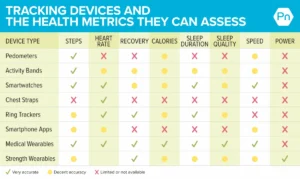
- Be Specific in Communication: Vague statements like "I don’t sleep well" are less effective than precise descriptions, such as "During the past seven days, I’ve only gotten four uninterrupted hours once, waking an average of five times a night, with my longest stretch of sleep being three hours." Utilize data from smartwatches or health apps to provide concrete evidence of sleep patterns and other physiological metrics.
- Engage in Shared Decision-Making: Actively participate in discussions about treatment options, including the benefits and risks of MHT. This collaborative approach can shift a clinician’s mindset away from "defensive medicine" and ensure that treatment plans align with personal values and health goals. Ask probing questions about specific risks, alternative treatments, and how the proposed treatment aligns with your overall health profile.
Holistic Strategies for Enhancing Mental and Emotional Well-being
Beyond medical interventions, lifestyle modifications play a pivotal role in managing menopausal symptoms and enhancing overall well-being. These strategies, while beneficial at any life stage, become particularly crucial during the menopausal transition:
- Lean into Fundamental Health Strategies: Reaffirm commitment to core healthy behaviors:
- Prioritize nutrition: Focus on whole, unprocessed foods.
- Engage in regular physical activity: Tailored to energy levels.
- Implement stress management techniques: Mindfulness, meditation, deep breathing.
- Optimize sleep hygiene: Consistent sleep schedule, conducive environment.
- Foster social connectedness: Maintain strong relationships.
- Cultivate a sense of purpose: Engage in meaningful activities.
- Experiment with Creatine: This supplement, beyond its known benefits for muscle and bone mass, can bolster mood, improve brain function, reduce mental fatigue, and counteract some negative effects of sleep deprivation. A daily dose of 5 to 7 grams of creatine monohydrate is often effective.
- Regular Light Exposure: Morning and late afternoon sunlight are particularly potent in regulating circadian rhythms, improving sleep quality, and boosting mood and concentration. Studies show that morning sunlight exposure correlates with quicker sleep onset, longer sleep duration, and fewer nocturnal awakenings.
- Modify Exercise Regimen: While exercise is vital, intense sessions can be counterproductive during periods of fatigue, increasing injury risk and recovery time. Instead, integrate short bursts of moderate activity for alertness (e.g., 5-10 minute walks or quick sets of squats) and gentle exercises like yoga or stretching for relaxation before bed. Listen to your body, adjusting intensity and volume based on sleep and recovery, opting for Zone 2 cardio or reduced resistance training volume on challenging days.
- Investigate Cognitive Behavior Therapy for Insomnia (CBT-I): This evidence-based therapy equips individuals with skills and cognitive reframes to improve sleep quality, such as maintaining a consistent wake-up time regardless of prior night’s sleep.
- Address Stress Realistically: Acknowledge that capacity may differ from younger years. Critically assess current responsibilities, track time and bandwidth usage, and identify areas for reduction or delegation. Learning to say "no" more often and without regret is a powerful tool for self-care.
- Utilize Cooling Technology: A cooler sleep environment can significantly reduce night sweats and improve sleep quality. This can involve adjusting the thermostat, using fans, or investing in cooling mattress pads.
- Implement Frequent Breaks: During bouts of brain fog, productive work is unlikely. Institute short, intentional breaks (e.g., 20 minutes of doing nothing, a 5-minute mind-body scan) to refresh and regain focus.
- Adopt a Circulation-Promoting Diet: Foods beneficial for heart health also support brain health. The MIND and Mediterranean diets, rich in vegetables, fruits, whole grains, healthy fats, beans, and fish, are associated with a reduced risk of Alzheimer’s disease and depression. Nitrate-rich foods like beets and dark, leafy greens can temporarily improve memory by dilating blood vessels and increasing blood flow to the brain.
Reframing Menopause: An Opportunity for Growth
While the challenges of menopause, particularly the cognitive and emotional struggles, can be profoundly frustrating, this life stage presents a unique, often hidden, opportunity for profound self-re-evaluation. The forced slowdown and diminished capacity compel individuals to critically assess their priorities and determine what truly matters. For the individual whose journey began with forgotten restaurant names, the experience of diminished cognitive function forced an existential inquiry: "Do I really need to be doing this?" This question, far broader than career concerns, allowed for a fundamental reassessment of how to allocate limited mental resources. It led to embracing a different pace—reducing work hours, simplifying household tasks, and consciously prioritizing relationships and personal well-being.
Thanks to a combination of appropriate hormone therapy and these intentional life adjustments, energy and mental clarity were restored. Yet, the habit of concluding the workday earlier persisted, not out of necessity, but out of choice. Menopause, therefore, can become a catalyst for reclaiming agency, establishing healthier boundaries, and intentionally shaping a life that aligns with newfound wisdom and priorities, transforming a period of perceived loss into one of empowered self-discovery.