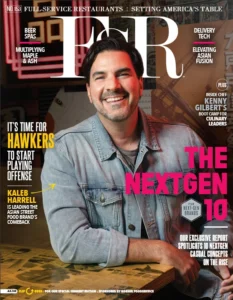

At a time when the global restaurant industry is increasingly defined by the efficiencies of scale, the speed of service, and a growing trend toward corporate "sameness," independent full-service restaurants are proving to be the primary architects of modern dining innovation. These establishments continue to redefine the culinary landscape by offering personal, memorable, and community-rooted experiences that cannot be replicated by larger chains. The release of the annual report, FSR’s Top 50 Independent Restaurants of 2026, serves as a comprehensive look at the mom-and-pop owners, chef-driven concepts, and dedicated hospitality teams that are setting the gold standard for creativity and character in American dining.
This year’s selections span a diverse array of markets, from major metropolitan hubs like Chicago and Miami to emerging culinary destinations like Dayton, Kentucky, and Williams Bay, Wisconsin. The list is curated based on a rigorous evaluation of reader nominations, culinary distinctiveness, and the depth of the connection each restaurant maintains with its local community. These 50 establishments are united by a shared commitment to thoughtful hospitality and a distinct point of view, reinforcing the idea that independent hospitality remains the heartbeat of the American service industry.
The Evolution of Independent Hospitality: A Four-Year Perspective
The 2026 report marks a significant milestone in the tracking of independent restaurant performance. Following the challenges of the early 2020s, the independent sector has undergone a period of intense transformation. Looking back at the Top 50 lists from 2023, 2024, and 2025, a clear trajectory emerges. While the 2023 list focused heavily on resilience and recovery, the 2024 and 2025 reports highlighted the return of experiential dining and the rise of "micro-niche" cuisines.
The 2026 list reflects a "maturation of the independent," where restaurants are no longer just surviving but are actively leading industry trends in sustainability, labor practices, and cultural storytelling. Data from the National Restaurant Association indicates that while chain restaurants grew their footprint by 3.2% over the last fiscal year, independent full-service restaurants saw a 5.4% increase in "guest loyalty scores," suggesting that consumers are increasingly prioritizing unique, localized experiences over standardized convenience.
Cultural Storytelling and Heritage Cooking
A prominent theme in this year’s report is the use of dining as a medium for historical preservation and cultural education. Leading this movement is Minyoli in Chicago, which opened in 2024. Under the leadership of chef and owner Rich Wang, Minyoli specializes in Taiwanese juàncūn cuisine—a style of home cooking born in the post-war military villages of Taiwan. By focusing on the "effervescent pickling techniques" of northern China and the red-braised methods of the Shanghai River Delta, Wang offers a narrative of migration and fusion that resonates deeply with the city’s diverse population.
Similarly, Hamdi in Seattle, which opened in 2022, brings the depth of Turkish and Anatolian cooking to the Pacific Northwest. Owners Chef Berk Guldal and Katrina Guldal utilize open-fire techniques and traditional tools, such as the zırh knife for hand-mincing kebap, to honor centuries-old traditions with the precision of fine dining. These restaurants demonstrate that for the modern independent, the menu is often a secondary component to the story being told.
The Reinvention of the American Steakhouse
The 2026 list also highlights a shift in the traditional steakhouse model. Moving away from the dark-wood, masculine tropes of the past, modern independent steakhouses are embracing playfulness, refined technique, and local sourcing.
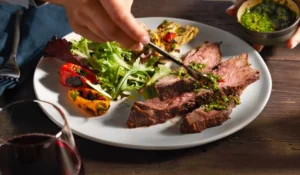
A5 Steakhouse in Denver, a three-time Michelin Guide Recommended establishment, exemplifies this shift with its use of seam butchery and wood-fired cooking. In Columbus, Ohio, Butcher & Rose has introduced a sophisticated design aesthetic featuring floral accents and local artwork, proving that the steakhouse experience can be both elegant and contemporary. Meanwhile, Stock & Bond in Oklahoma City and KAUBOI in Scottsdale are interpreting the genre through regional lenses—Oklahoma live-fire traditions and Japanese robata techniques, respectively.
Consistency as a Benchmark of Excellence
While new openings often capture the most attention, the Top 50 of 2026 places a heavy emphasis on "enduring icons"—restaurants that have maintained excellence for decades. Aria in Atlanta has achieved 25 years of consistency under owner Andrés Loaiza, balancing its storied history with a commitment to modern American evolution. Mizuna in Denver, founded by Frank and Jacqueline Bonanno in 2001, continues to serve as a culinary incubator, having launched the careers of dozens of chefs who now run their own acclaimed concepts.
In Miami Beach, News Cafe remains a cultural anchor. Originally opened in 1988 and now operated by VE Hospitality Group, the 24-hour establishment has been thoughtfully preserved to maintain its Ocean Drive legacy while updating its menu for a new generation of travelers. These institutions prove that longevity in the independent sector is built on the foundation of genuine hospitality and the ability to evolve without losing one’s identity.
Emerging Trends: Social Dining and "Eatertainment"
The 2026 report identifies a growing intersection between high-quality culinary programs and social activity. Justin Amick’s Painted Pickle and The Painted Pin in Atlanta represent a new wave of "social dining" where guests engage in pickleball or boutique bowling alongside wood-fired pizzas and craft cocktails. This trend reflects a shift in consumer behavior where dining is viewed as a holistic entertainment event rather than a solitary meal.
Regional Analysis and Economic Impact
The geographic distribution of the 2026 Top 50 highlights the decentralization of American culinary influence. While traditional food capitals like Miami, Atlanta, and Denver are well-represented, the inclusion of restaurants in markets like Lexington, Kentucky (Mileta) and Canton, Georgia (Riverstone Corner Bistro) underscores the rising sophistication of secondary and tertiary markets.
Independent restaurants are vital drivers of local economies. According to industry analysis, for every dollar spent at an independent restaurant, approximately 68 cents stays within the local community, compared to 43 cents for chain establishments. The restaurants on this year’s list are not only culinary leaders but are also significant employers and supporters of local supply chains, from ranchers in Texas (The Ranch at Las Colinas) to seafood purveyors in Charleston (Fleet Landing).
The Full 2026 Top 50 Independent Restaurants List
The following establishments have been recognized for their outstanding contribution to the American dining landscape:
- Minyoli (Chicago, IL): Specialized Taiwanese juàncūn cuisine led by Rich Wang.
- A5 Steakhouse (Denver, CO): A modern, playful reimagining of the classic steakhouse.
- Aria (Atlanta, GA): A 25-year icon of modern American dining and hospitality.
- Bicyclette Cookshop (Naples, FL): A kitchen-led eatery by James Beard semifinalist Kayla Pfeiffer.
- Big Rock Italian Chophouse (Birmingham, MI): A historic railroad depot turned luxury dining destination.
- Bistecca (Portland, OR): Wood-fired Italian traditions met with Pacific Northwest ingredients.
- Buena Vida Tapas Bar (Atlanta, GA): Authentic Spanish soul on the Atlanta Beltline.
- Butcher & Rose (Columbus, OH): An artistic and sophisticated take on steak and seafood.
- Cento (Columbus, OH): A milestone 100th concept celebrating Italian tradition.
- Chicheria Mexican Kitchen (Atlanta, GA): Baja California-inspired flavors and organic blue corn.
- Ciao Ristorante (Louisville, KY): Classic Italian comfort in the historic Irish Hill neighborhood.
- Culaccino (Franklin/Nashville, TN): Heartfelt Italian heritage by Frank Pullara.
- Del Mar (Multiple Locations, FL/OH): A sun-washed journey through Mediterranean coastal cuisine.
- Donatella Restaurant (Miami, FL): An intimate Italian escape in the Art Deco district.
- Fiamma (Ketchum, ID): Live-fire cooking anchored by Sun Valley seasonality.
- Fleet Landing Restaurant & Bar (Charleston, SC): A maritime staple focused on sustainable seafood.
- Fox and The Hen (Denver, CO): Inventive American breakfast by Chef Carrie Baird.
- Georgia Boy (Atlanta, GA): An immersive, Michelin-recognized chef’s table experience.
- Hamdi (Seattle, WA): Precise Turkish and Anatolian craftsmanship.
- Hey Luigi (Portland, OR): A cocktail and pasta bar celebrating aperitivo culture.
- Honey Salt (Las Vegas, NV): A farm-driven cornerstone of the Las Vegas independent scene.
- il Bracco (Dallas/Houston/Scottsdale): A commitment to handmade pastas and butchery.
- KAUBOI Scottsdale (Scottsdale, AZ): A Japanese steakhouse built around robata traditions.
- Lansdowne (Portland, OR): An intentional, destination-worthy tasting menu.
- Marabu Restaurant (Miami, FL): Cuban cuisine reimagined through coal and open flame.
- Mercato della Pescheria (Las Vegas/Miami): The energy of an Italian fish market.
- Mileta (Lexington, KY): Gracious hospitality and housemade Italian-inspired fare.
- Mizuna (Denver, CO): The gold standard of Denver fine dining for over two decades.
- News Cafe (Miami Beach, FL): An iconic Ocean Drive fixture reintroduced for a new era.
- North of Bourbon (Louisville, KY): Southern cooking with Appalachian roots and NOLA soul.
- OH! Mexico (Miami Beach, FL): A long-standing pillar of authentic Mexican culture.
- Opus at The Belfry House (Williams Bay, WI): A focused French-Asian tasting menu experience.
- Osteria Marco (Denver, CO): The convivial energy of a downtown Italian tavern.
- Pacific Beach Shore Club (San Diego, CA): A high-volume destination for coastal Mexican fare.
- Painted Pickle (Atlanta, GA): The intersection of elevated dining and social pickleball.
- The Painted Pin (Atlanta, GA): A premier upscale entertainment and dining venue.
- Paperfish Sushi (Miami, FL): A marriage of Japanese precision and Peruvian zest.
- Pricci (Atlanta, GA): Milanese-inspired fine dining with a robust wine program.
- Q39 BBQ (Kansas City, MO): Pit-to-plate competition-style BBQ.
- Riverstone Corner Bistro (Canton, GA): A community-focused home for Southern comfort.
- Scout Sports Tavern (Watersound, FL): A vintage sports lounge with elevated American classics.
- Sexy Roman (Scottsdale, AZ): Polished Roman dining inside the W Scottsdale.
- Soby’s New South Cuisine (Greenville, SC): A defining force in the Southern culinary revival.
- Stock & Bond OKC (Oklahoma City, OK): High Plains beef and live-fire cooking.
- The Citizen (Alys Beach, FL): A polished coastal tavern along Scenic Highway 30A.
- The Ranch at Las Colinas (Las Colinas, TX): A pioneer of the ranch-to-table movement.
- The Wine Kitchen (Leesburg, VA): An intimate, seasonal Italian fixture in a historic setting.
- Vast Restaurant (Oklahoma City, OK): Modern American dining with panoramic city views.
- Vya (Portland, OR): A modern Spanish perspective on Portland’s Division Street.
- Wayfarer Tavern (Dayton, KY): A collaborative pizzeria with a multi-regional point of view.
Implications for the Future of Dining
The success of the 2026 Top 50 Independent Restaurants suggests that the "personal touch" is the most valuable currency in the modern hospitality industry. As automation and AI begin to permeate the quick-service and casual-dining sectors, full-service independent restaurants are doubling down on human connection.
Industry analysts predict that by 2027, the gap between "commodity dining" (focused on speed) and "experience dining" (focused on independent craft) will widen further. The establishments recognized this year are not merely serving food; they are creating cultural infrastructure. Their ability to survive and thrive in an era of corporate consolidation provides a roadmap for the future of the industry—one where heart, character, and community remain the ultimate competitive advantages.