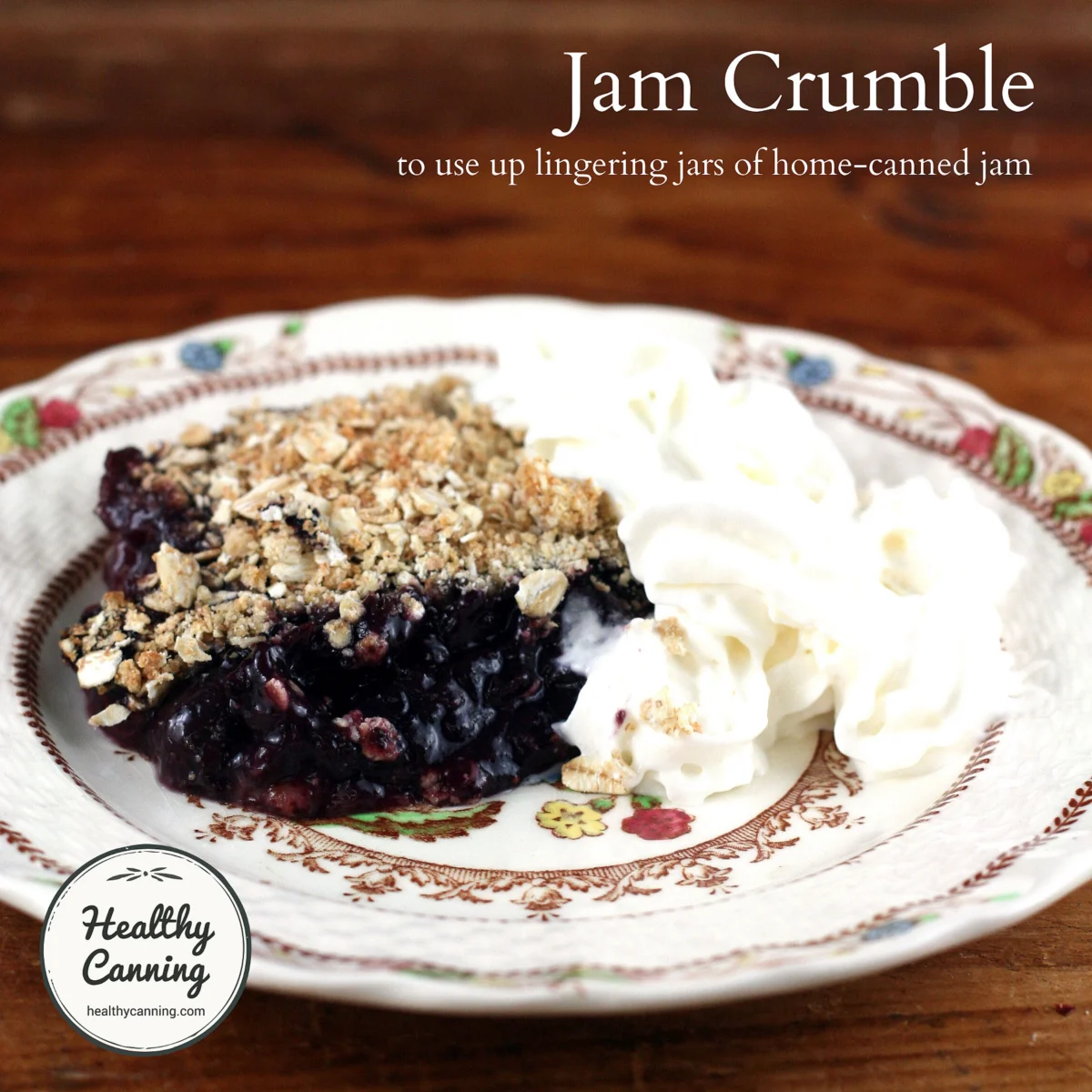

The practice of home food preservation, a cornerstone of domestic economy and culinary tradition, often results in a logistical challenge: the management of surplus inventory. As seasonal fruit windfalls lead to high-volume canning sessions, many households find themselves with a "pantry backlog" of jams, jellies, and preserves that exceed daily consumption rates. To address this imbalance and mitigate potential food waste, culinary experts and home economists are increasingly advocating for the "upcycling" of these preserves into secondary gourmet products, most notably the jam crumble. This technique transforms aging or excess inventory into a sophisticated dessert, leveraging the concentrated sugars and set pectins of the jam to create a stable, flavorful fruit base that requires significantly less preparation time than traditional fresh-fruit pastries.
The Resurgence of Home Preservation and the Surplus Dilemma
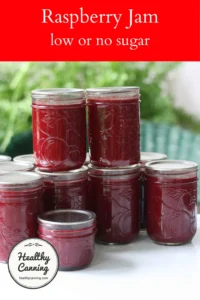
In recent years, global supply chain fluctuations and a renewed interest in self-sufficiency have driven a significant uptick in home canning activities. According to industry data, sales of canning jars and preservation equipment reached historic highs between 2020 and 2023. While this movement has bolstered food security and revived artisanal skills, it has also created a phenomenon known as "preserve fatigue." Households that processed large quantities of strawberry, raspberry, or stone-fruit jams during peak harvest seasons often find that their consumption of breakfast spreads cannot keep pace with their production.
Furthermore, the shelf life of home-canned goods, while impressive, is not indefinite. While the USDA’s National Center for Home Food Preservation notes that properly processed high-acid foods like jams remain safe as long as the vacuum seal is intact, the sensory qualities—color, texture, and vitamin content—begin to degrade after 12 to 18 months. The jam crumble serves as a strategic intervention, allowing home cooks to utilize these "lingering jars" before they lose their peak organoleptic properties.

Technical Composition and Culinary Mechanics
The jam crumble operates on a simplified chemical principle compared to traditional fruit crisps. In a standard crumble, fresh fruit must be macerated with sugar and thickened with starch (such as flour or cornstarch) during the baking process to prevent the dessert from becoming overly aqueous. Jams and preserves, however, have already undergone this reduction and thickening process. The pectin—a naturally occurring starch in fruit that is activated by heat and acid during the canning process—provides a pre-stabilized structure.
When subjected to the dry heat of an oven at 175°C (350°F), the sugars in the jam undergo further caramelization, deepening the flavor profile. The use of two different jam varieties, layered or swirled, introduces a complexity of acidity and sweetness that is difficult to achieve with single-note fresh fruit fillings. For instance, the high acidity of a redcurrant jam can be balanced by the mellow sweetness of a late-season peach preserve, creating a sophisticated palate for the final dessert.
Procedural Chronology: From Harvest to Table
The lifecycle of a jam crumble represents a multi-stage timeline of food management. Understanding this chronology allows the home cook to optimize the flavor and texture of the final product.
- The Harvest and Initial Preservation: The process begins during the peak growing season. Fruit windfalls—excess produce that must be processed immediately to prevent spoilage—are converted into jams. This stage involves boiling fruit with sugar and pectin, followed by a boiling water bath process to ensure shelf stability.
- The Storage Phase: Jars are moved to a cool, dark pantry. Over several months, the flavors inside the jars mature. It is during this phase that the "surplus" is identified as the next harvest season approaches and inventory remains high.
- The Identification of Utility: Homeowners assess their stock. Jars that are approaching the one-year mark or those that were "experimental" batches are earmarked for repurposing.
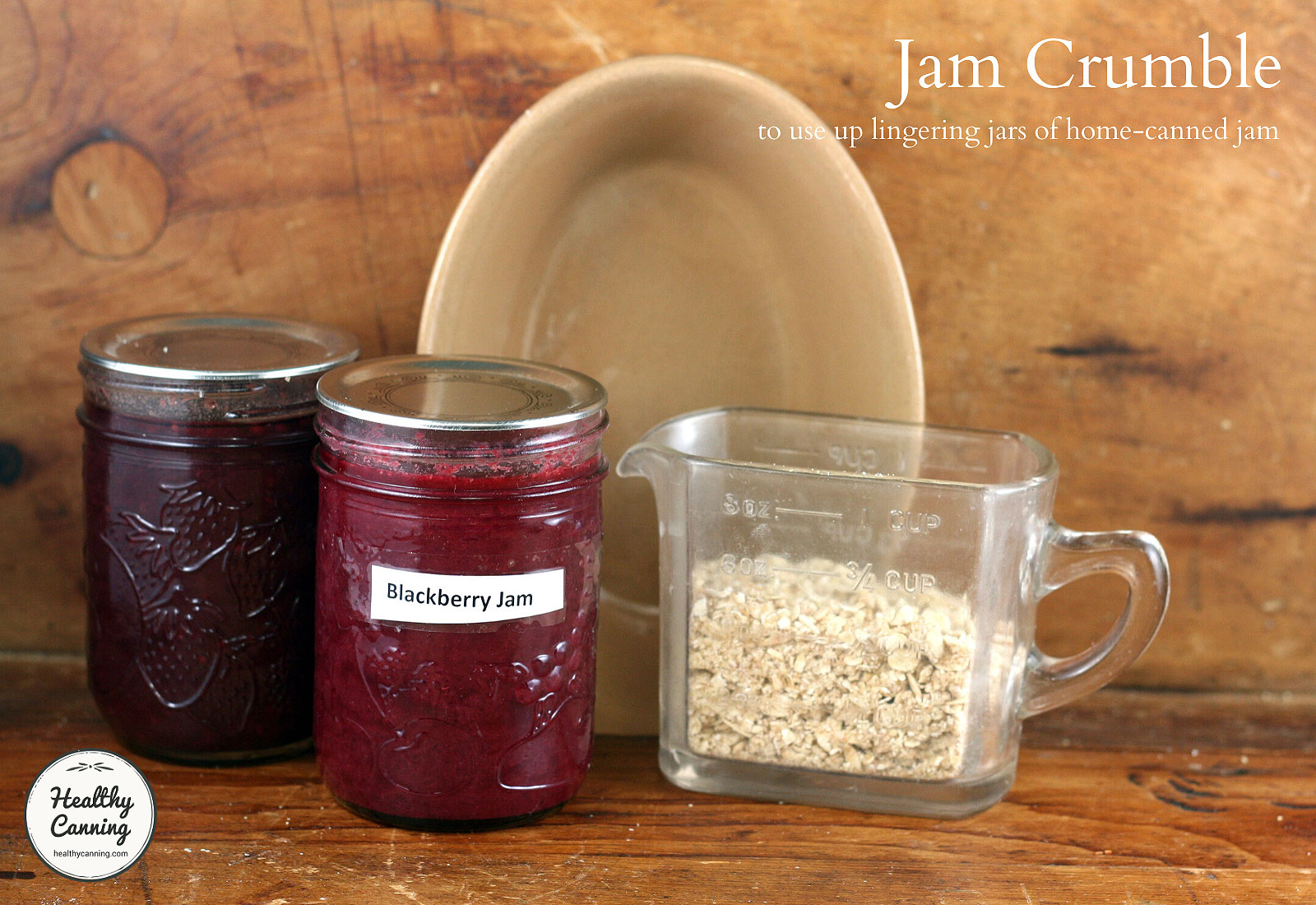
- The Assembly (Prep Time: 10 Minutes): The identified preserves (typically 500 ml or two 250 ml jars) are emptied into a baking dish. This stage is remarkably efficient, as the "filling" requires zero preparation beyond opening the lid.
- The Baking Phase (Cook Time: 35 Minutes): The crumble is topped with a dry, fat-rubbed mixture and baked until the preserve base is bubbling and the topping has achieved a golden-brown Maillard reaction.
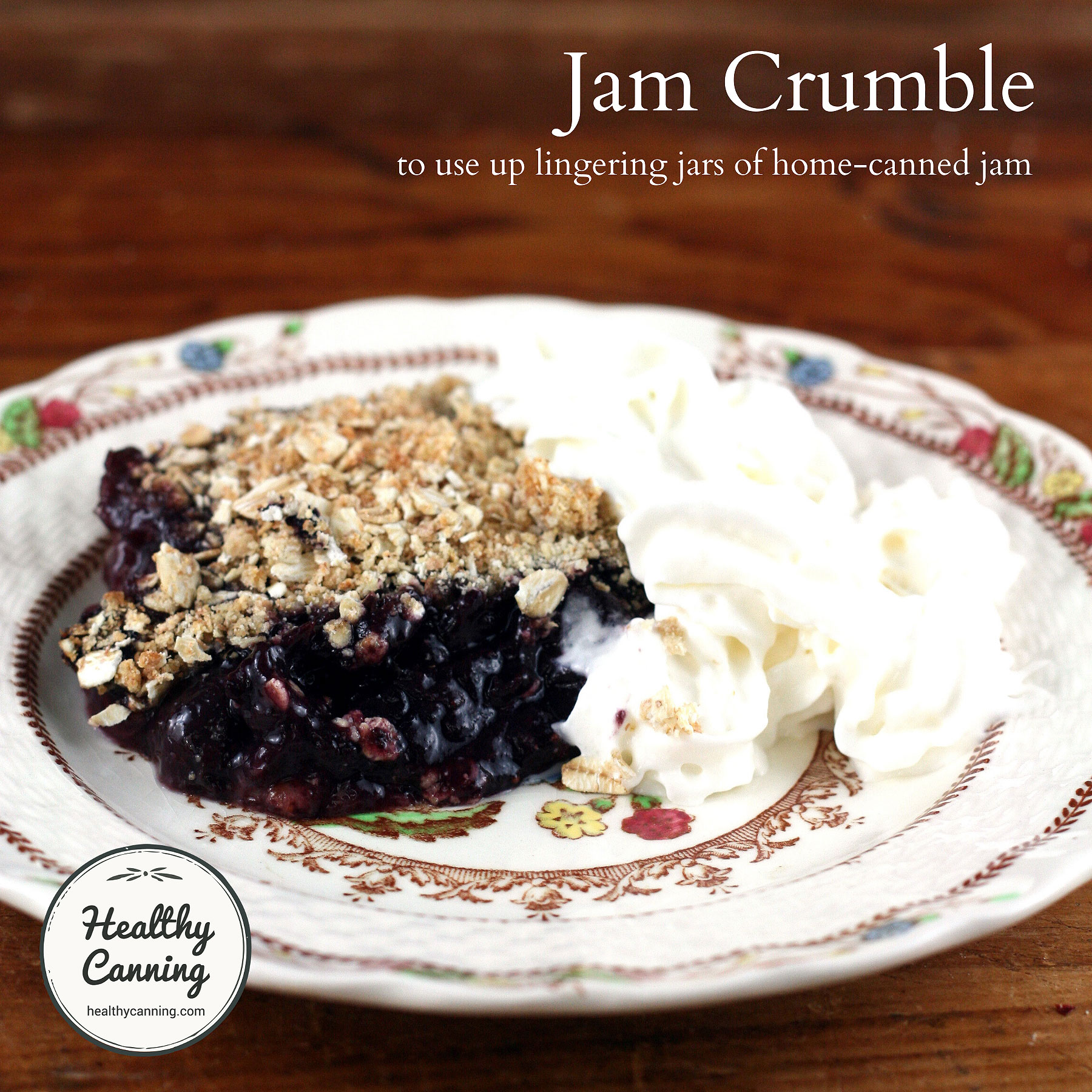
- The Service: The final product is served, often accompanied by whipped cream or vanilla bean ice cream to provide a temperature and texture contrast to the warm, dense fruit base.
Ingredient Analysis: The Crumble Architecture
The success of the jam crumble relies heavily on the texture of the topping, which must provide a crisp, structural counterpoint to the soft, viscous jam. The recipe highlights two primary methods for achieving this balance:
The Convenience Methodology
The use of an oatmeal pancake mix as a base for the crumble topping is a notable "kitchen hack" that ensures consistency. Pancake mixes already contain leavening agents and finely milled flours that, when combined with additional oats and fats, create a light, sandy texture that resists becoming soggy when placed atop the moisture-heavy jam.
The Traditional Methodology
For those seeking a more rustic texture, a manual blend is recommended. The composition typically includes:
- Oats (1/2 cup): Rolled oats provide the primary structural integrity and a nutty flavor profile. They are high in beta-glucan, a soluble fiber that adds nutritional value.
- Flour (2 tbsp): Acts as the binding agent for the fats.
- Sugar (1 tbsp): Facilitates the browning process and balances the salt.
- Butter (2 tbsp): The lipid component essential for the "short" texture of the crumble.
Culinary professionals suggest that adding spices such as nutmeg or cinnamon can bridge the flavor gap between the topping and the fruit base, especially when using stone-fruit or berry jams.
Economic and Environmental Implications
The conversion of jam to crumble is a significant act of "zero-waste" cooking. Food waste is a major global issue; the Food and Agriculture Organization (FAO) of the United Nations estimates that approximately one-third of all food produced for human consumption is lost or wasted. By utilizing preserves that might otherwise be discarded due to pantry overcrowding or minor color changes, consumers contribute to a more sustainable food system.
Economically, the jam crumble is highly cost-effective. A standard 500 ml jar of artisanal jam can cost between $8 and $15 at retail, while home-canned versions represent a significant investment in labor and raw materials. Repurposing these preserves into a dessert that serves six people reduces the "cost per serving" of the original fruit harvest and eliminates the need to purchase expensive out-of-season fresh berries for baking.
Nutritional Analysis and Health Considerations
The nutritional profile of a jam crumble is highly variable, depending largely on the sugar content of the preserves used. However, the recipe’s flexibility allows for health-conscious modifications:
- Sugar-Free and Low-Sugar Options: The use of jams processed with low-methoxyl pectin and sugar substitutes makes this dessert accessible to those on diabetic or low-calorie diets.
- Whole Grain Integration: The inclusion of oats increases the fiber content, which can help mitigate the glycemic impact of the fruit sugars.
- Weight Management: Within systems like Weight Watchers™, a jam crumble made with sugar-free preserves and a controlled-portion oat topping is classified as a "friendly" dessert option, providing satiety through fiber and flavor intensity.
Expert Perspectives on Safety and Quality
Master Food Preservers and food safety experts emphasize that while repurposing jam is an excellent practice, certain quality controls must be maintained. "The integrity of the seal is paramount," notes a spokesperson for regional preservation groups. If a jar shows signs of mold, off-odors, or a broken vacuum seal, it must be discarded and never used in baking.
Additionally, experts suggest that the "bulk-prep" of crumble topping is a major efficiency gain for modern households. By tripling or quadrupling the topping recipe and storing the excess in the freezer, a homemade dessert can be moved from the pantry to the oven in under five minutes, rivaling the convenience of ultra-processed commercial snacks while maintaining the quality of homemade ingredients.
The Future of Zero-Waste Pastry
The jam crumble represents a broader trend in the culinary world toward "pantry-first" cooking. As consumers become more mindful of their environmental footprint and more appreciative of the labor involved in traditional food preservation, recipes that bridge the gap between long-term storage and immediate consumption will continue to gain popularity.
In conclusion, the jam crumble is more than a simple dessert; it is a strategic solution to the modern problem of food surplus. By understanding the science of pectin, the economics of preservation, and the procedural efficiency of "upcycling," home cooks can ensure that every jar of summer fruit finds its way to a productive and delicious end. Whether using a windfall of raspberries or a lingering jar of apricot jam, this method stands as a testament to the enduring value of the well-stocked—and well-managed—pantry.