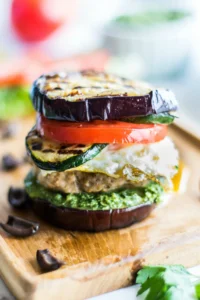

The Mediterranean Diet, celebrated for its emphasis on whole, unprocessed foods, continues to gain widespread recognition as a superior dietary pattern. Its core principles revolve around a rich abundance of vegetables, fruits, whole grains, beans, legumes, nuts, seeds, fish, herbs, and the judicious use of extra-virgin olive oil. This approach is less about rigid restrictions and more about a flexible, flavorful, and sustainable lifestyle. Its popularity stems from its focus on "real foods" rather than prescriptive rules, making it an adaptable choice for individuals seeking to enhance their well-being.
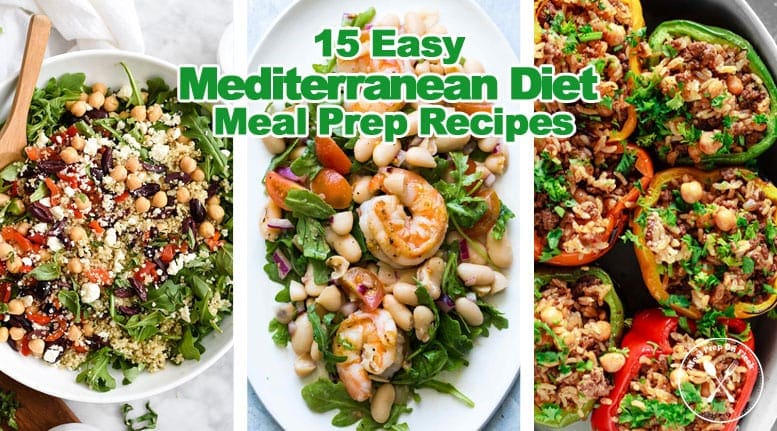
This dietary style is fundamentally a lifestyle, prioritizing plant-based meals, heart-healthy fats such as olive oil, and lean proteins like fish and seafood. Moderate consumption of poultry, eggs, and dairy is also encouraged, with red meat and sweets reserved for occasional indulgence. This balanced framework has been the subject of extensive research, with numerous studies highlighting its profound health benefits.
Proven Health Benefits of the Mediterranean Diet
Scientific inquiry has consistently underscored the positive impact of the Mediterranean Diet on a spectrum of health markers. Research, including findings cited by CNN in their 2024 analysis of top diets, indicates a significant reduction in the risk of developing chronic conditions such as type 2 diabetes and high cholesterol. Furthermore, adherence to this eating pattern has been associated with a decreased likelihood of cognitive decline, including dementia and memory loss, and has shown promise in mitigating symptoms of depression. Studies have also linked it to a lower incidence of breast cancer. Beyond disease prevention, the Mediterranean Diet is credited with contributing to stronger bones, promoting cardiovascular health, and potentially leading to a longer lifespan. This holistic approach to nutrition positions it as a powerful tool for long-term wellness.
The Pillars of Mediterranean Eating
The Mediterranean Diet’s efficacy is rooted in its core components, as outlined by authoritative sources like the Mayo Clinic. These pillars form the foundation of this health-promoting eating style:
- Abundant Vegetables and Fruits: A wide variety of colorful produce forms the cornerstone of daily meals, providing essential vitamins, minerals, and antioxidants.
- Whole Grains: Opting for whole grains like quinoa, farro, and whole wheat bread ensures a steady intake of fiber, which aids digestion and promotes satiety.
- Legumes and Beans: Lentils, chickpeas, and other beans are excellent sources of plant-based protein and fiber, contributing to a balanced and filling diet.
- Nuts and Seeds: These provide healthy fats, protein, and micronutrients, adding crunch and nutritional value to meals.
- Fish and Seafood: Regular consumption of fatty fish, rich in omega-3 fatty acids, is a hallmark of the diet, supporting heart and brain health.
- Olive Oil as the Primary Fat: Extra-virgin olive oil is the preferred source of fat, offering monounsaturated fats and antioxidants.
- Herbs and Spices: These are used generously to flavor food, reducing the reliance on salt and adding complexity to dishes.
- Moderate Poultry and Dairy: Lean poultry and dairy products are consumed in moderation as part of a balanced intake.
- Limited Red Meat and Sweets: Red meat and sugary treats are typically reserved for infrequent consumption, aligning with the diet’s focus on whole, nutrient-dense foods.
The inherent flexibility and flavor profile of Mediterranean-style eating make it particularly amenable to meal preparation. The ability to prepare grains, roast vegetables, cook proteins, and mix dressings in advance allows for convenient assembly of diverse and satisfying meals throughout the week. This efficiency is a key factor in its widespread adoption by individuals seeking to maintain a healthy diet amidst busy schedules.
The Crucial Role of Extra-Virgin Olive Oil
Within the framework of the Mediterranean Diet, extra-virgin olive oil holds a place of particular significance. Its inclusion is not merely for flavor; it is a signature ingredient that contributes substantially to the diet’s health benefits. Extra-virgin olive oil, characterized by its minimal processing, retains a higher concentration of beneficial compounds, including monounsaturated fats and polyphenols, which possess antioxidant and anti-inflammatory properties. While some may opt for more neutral oils for high-heat cooking, for the preparation of classic Mediterranean dishes and for general meal prep, extra-virgin olive oil remains the most traditional and flavor-appropriate choice. Its distinctive taste and texture enhance the overall culinary experience of Mediterranean cuisine.
Embracing the Mediterranean Lifestyle Through Meal Prep
The allure of the Mediterranean Diet extends beyond its health benefits to its practicality, especially when integrated with meal preparation strategies. The focus on colorful, satisfying ingredients like quinoa, couscous, farro, roasted vegetables, chickpeas, salmon, chicken, and flavorful Greek yogurt sauces, all brought together by olive oil-based dressings, creates meals that are both nourishing and enjoyable. This makes the concept of meal prepping around Mediterranean principles not only feasible but highly rewarding.
A Culinary Journey: 15 Easy Mediterranean Diet Meal Prep Recipes
To illustrate the versatility and accessibility of Mediterranean eating, here is a curated selection of 15 easy meal prep recipes that embody the spirit of this healthful lifestyle:
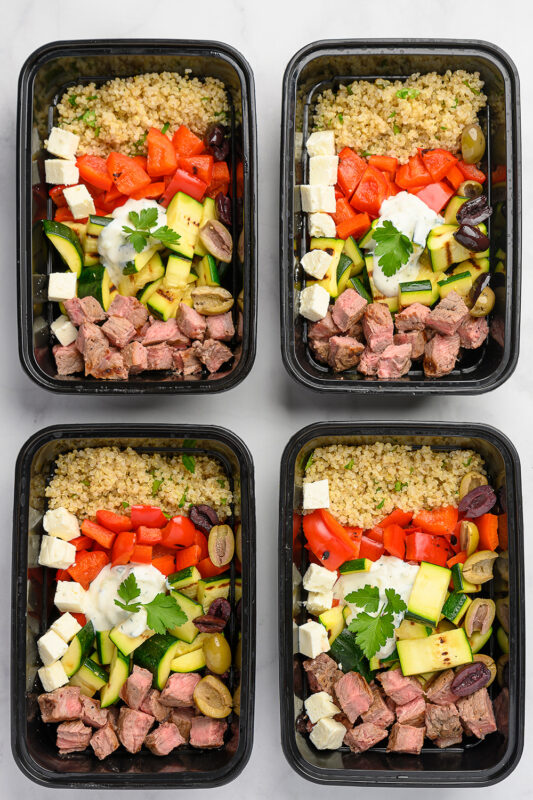
Mediterranean Style Meal Prep Bowls
These bowls are a customizable staple, allowing for a delightful mix-and-match of prepped components. They typically feature a base of grains like quinoa or farro, topped with roasted vegetables such as bell peppers and zucchini, a protein source like grilled chicken or chickpeas, and a lemon-herb dressing. The visual appeal of vibrant colors and the array of textures make these bowls a weekly favorite.
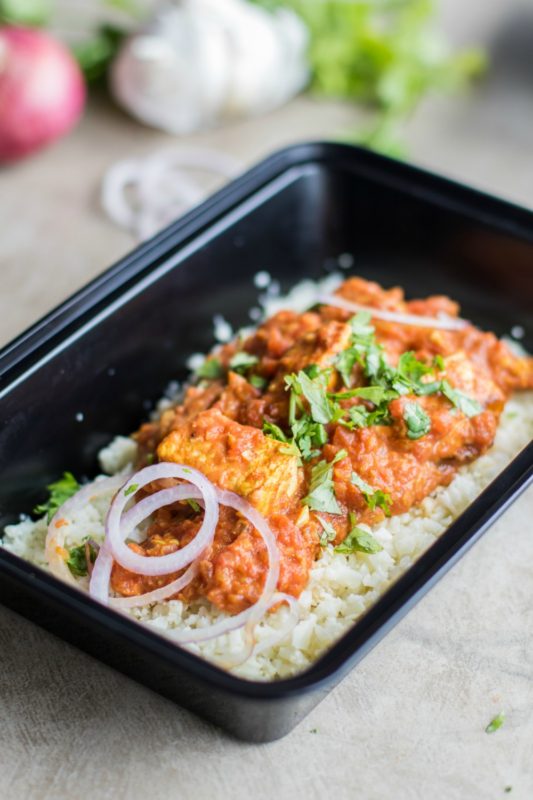
Tofu Tikka Masala
While not traditionally Mediterranean, this popular vegan adaptation of Tikka Masala can be incorporated into a Mediterranean-inspired meal prep by focusing on its robust spice profile and the use of nutrient-rich ingredients. When prepared with a base of whole grains and served alongside a fresh cucumber-tomato salad, it offers a flavorful and satisfying plant-based option. The key is to ensure the overall meal aligns with the broader principles of whole foods and balanced nutrition.
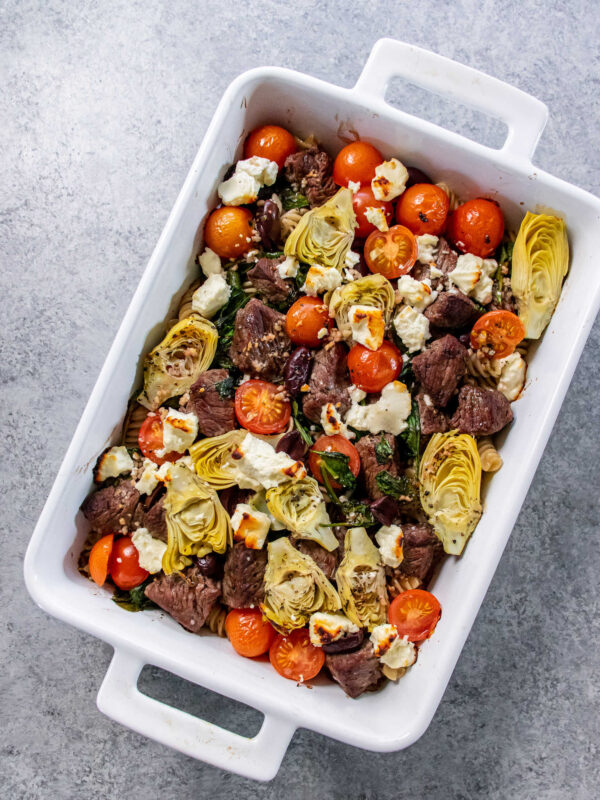
Mediterranean Pasta Bake
A hearty and comforting option, the Mediterranean Pasta Bake typically incorporates whole wheat pasta, a medley of roasted vegetables like eggplant, bell peppers, and cherry tomatoes, lean protein such as chicken or white beans, and a light tomato-based sauce, often finished with a sprinkle of feta cheese. Preparing this dish in larger batches makes it ideal for portioning into individual containers for easy lunches or dinners.
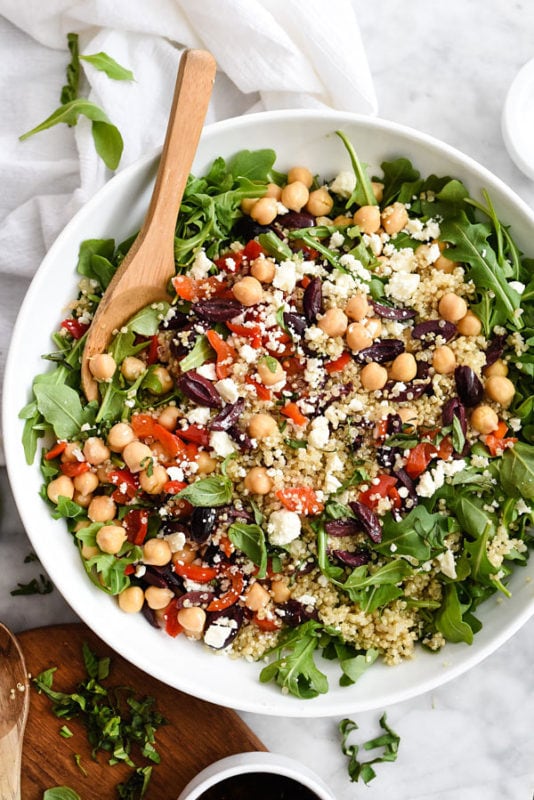
Mediterranean Quinoa Salad
This vibrant salad is a powerhouse of nutrients and flavor. It typically combines fluffy quinoa with chopped cucumbers, tomatoes, red onions, bell peppers, Kalamata olives, and crumbled feta cheese. A simple lemon-oregano vinaigrette ties all the elements together. Its versatility allows for additions like grilled chicken, shrimp, or cannellini beans to boost protein content, making it a complete meal.
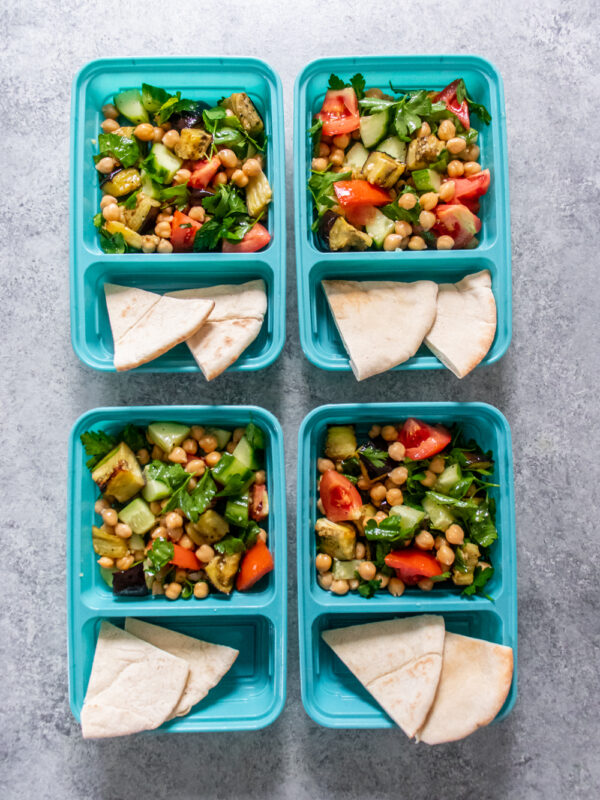
Mediterranean Roasted Eggplant Salad
Roasted eggplant, with its tender, smoky flavor, forms the base of this delightful salad. It is often paired with other roasted vegetables, fresh herbs like parsley and mint, and a zesty lemon-tahini dressing. This salad can be served as a side dish or as a main course when combined with a protein source, offering a unique and satisfying texture profile.
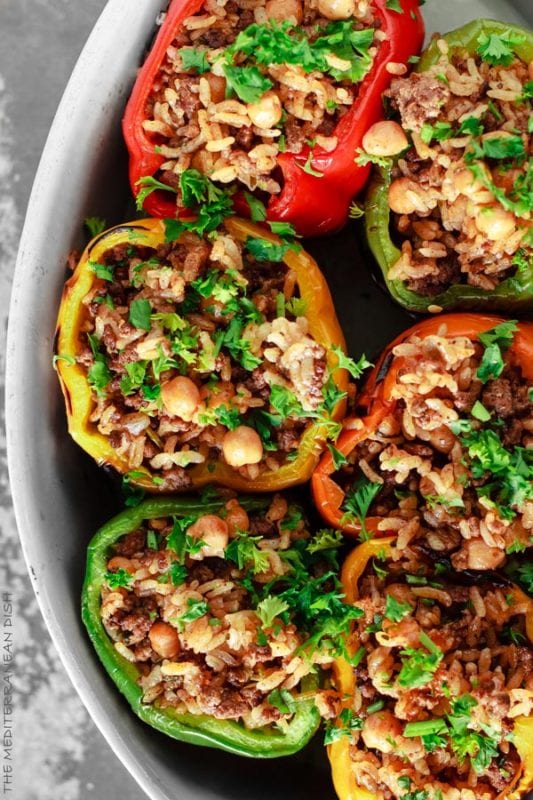
Mediterranean Stuffed Bell Peppers
Bell peppers, a vibrant canvas for flavor, are stuffed with a wholesome mixture of ingredients such as lean ground turkey or lentils, quinoa or brown rice, diced tomatoes, onions, and a blend of Mediterranean herbs. Baked until tender, these stuffed peppers are a visually appealing and nutritionally balanced meal that holds up well for meal prepping.
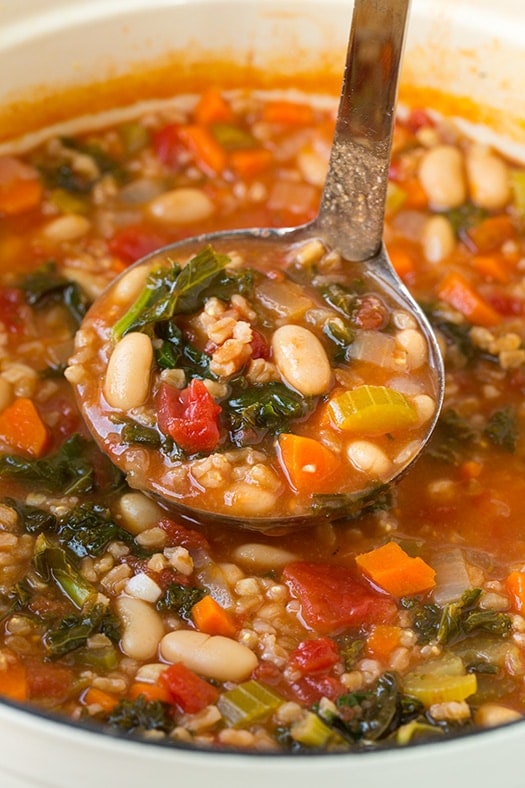
Mediterranean Kale, Cannellini & Farro Stew
This hearty and warming stew is a perfect example of how simple, wholesome ingredients can create a deeply satisfying dish. It features nutrient-dense kale, creamy cannellini beans, and chewy farro, simmered in a flavorful vegetable broth with aromatic herbs and spices. This stew is not only packed with fiber and protein but also freezes exceptionally well, making it an excellent choice for bulk meal preparation.
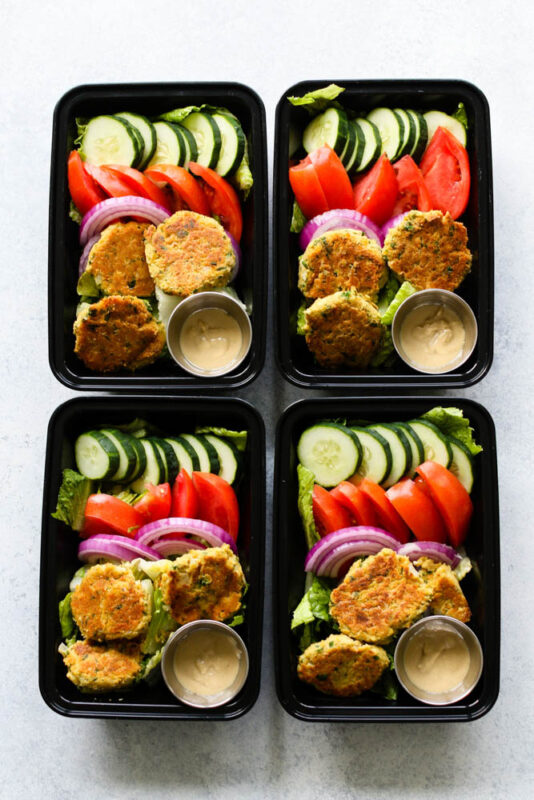
Super Easy Falafel Meal Prep
Falafel, the beloved chickpea fritters, can be a cornerstone of Mediterranean meal prep. Prepared in advance, falafel can be enjoyed in various ways: tucked into whole wheat pita with fresh vegetables and tahini sauce, crumbled over salads, or served as part of a larger mezze platter. Their protein and fiber content make them a satisfying vegetarian option.
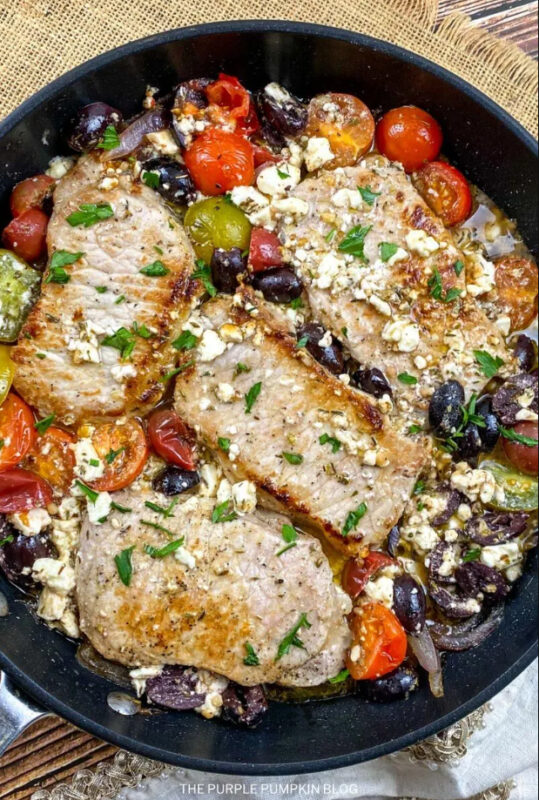
Flavorful One-Pan Mediterranean Pork Chops for Busy Weeknights
This recipe highlights the efficiency of one-pan cooking. Pork chops are seasoned with Mediterranean herbs and spices and then roasted alongside a medley of vegetables like bell peppers, onions, and cherry tomatoes. The minimal cleanup and the opportunity to prepare multiple servings at once make this an ideal meal prep solution for those seeking convenience without compromising on flavor or nutrition.
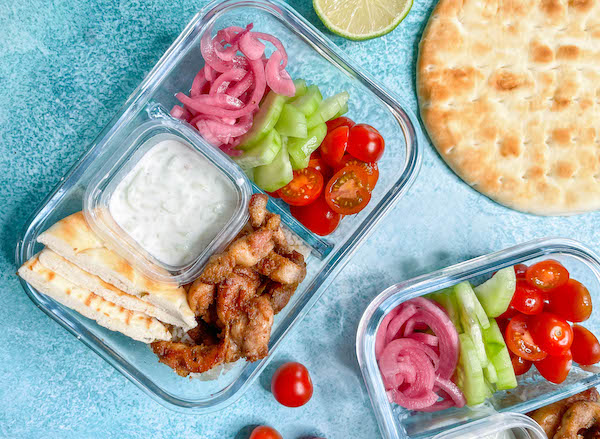
Mediterranean Chicken Shawarma Bowl
Drawing inspiration from Middle Eastern flavors, this bowl features marinated chicken shawarma, often served over a bed of fluffy couscous or rice. Accompanied by fresh elements like diced tomatoes, cucumbers, and a drizzle of tahini or yogurt sauce, this bowl offers a vibrant and flavorful meal that can be easily prepped and assembled.
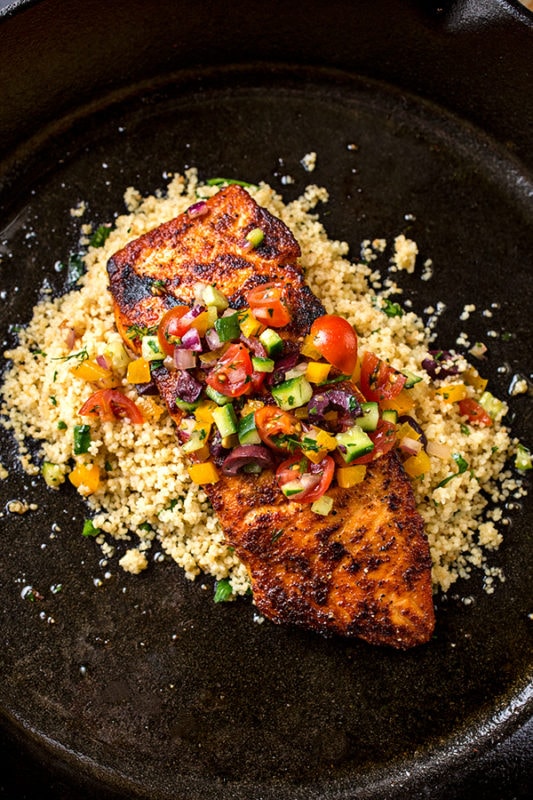
Pan Seared Salmon
Salmon, a rich source of omega-3 fatty acids, is a star player in a Mediterranean diet. Pan-searing ensures a perfectly cooked fillet with a crispy skin. This can be prepped and then reheated or served cold over salads or grain bowls. Its versatility and health benefits make it a go-to protein for meal prep.
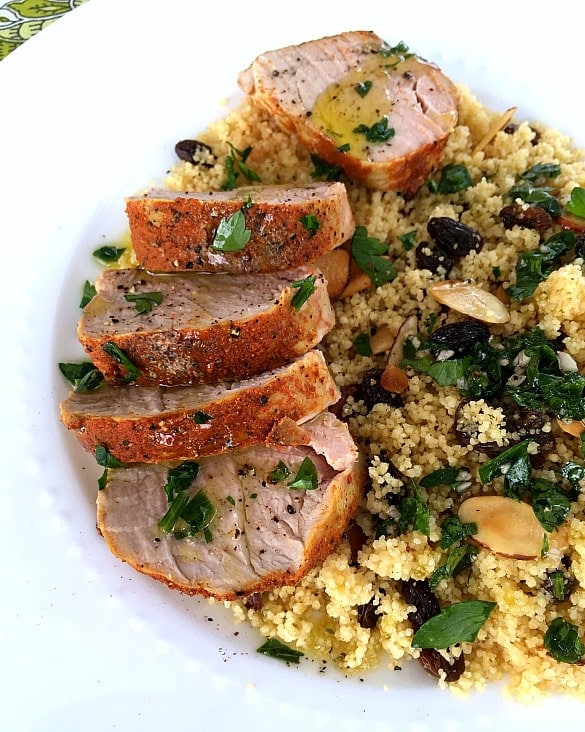
Mediterranean Pork Tenderloin & Couscous in the Slow Cooker
The slow cooker offers a hands-off approach to preparing flavorful Mediterranean dishes. Pork tenderloin, infused with Mediterranean herbs and spices, is slow-cooked alongside vegetables and couscous, resulting in a tender and aromatic meal that can be portioned out for the week. This method minimizes active cooking time and maximizes convenience.
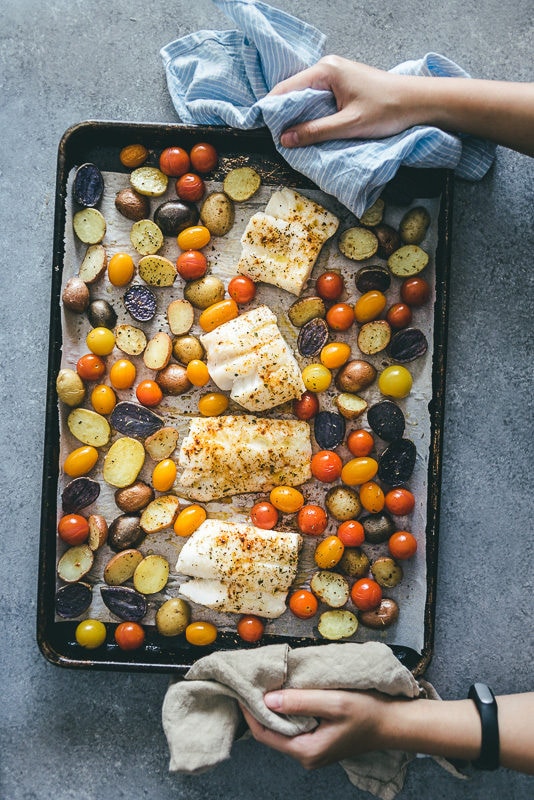
One Pan Baked Cod & Veggies
Similar to the one-pan pork chops, this recipe utilizes the efficiency of sheet pan cooking. Cod fillets are baked with a variety of Mediterranean vegetables, such as asparagus, cherry tomatoes, and bell peppers, seasoned with herbs and a drizzle of olive oil. This results in a light, healthy, and easily portioned meal that requires minimal effort.
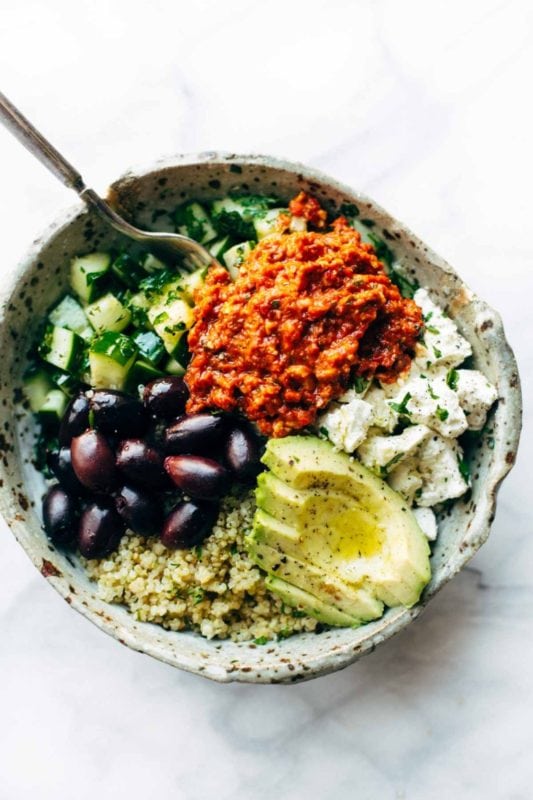
Mediterranean Quinoa Bowls with Roasted Red Pepper Sauce
These bowls combine the goodness of quinoa with roasted red peppers, which form the base of a rich and flavorful sauce. Additional ingredients can include chickpeas, cucumbers, and fresh herbs, creating a visually appealing and nutritionally complete meal. The vibrant sauce adds a unique depth of flavor that elevates the simple components.
Sweet Potato Wedges with Tahini
While often served as a side, these sweet potato wedges, tossed in tahini dressing and herbs, can be a substantial part of a meal prep. Their natural sweetness, combined with the nutty flavor of tahini, creates a delightful contrast. They can be paired with a protein source or added to salads for extra substance and flavor.
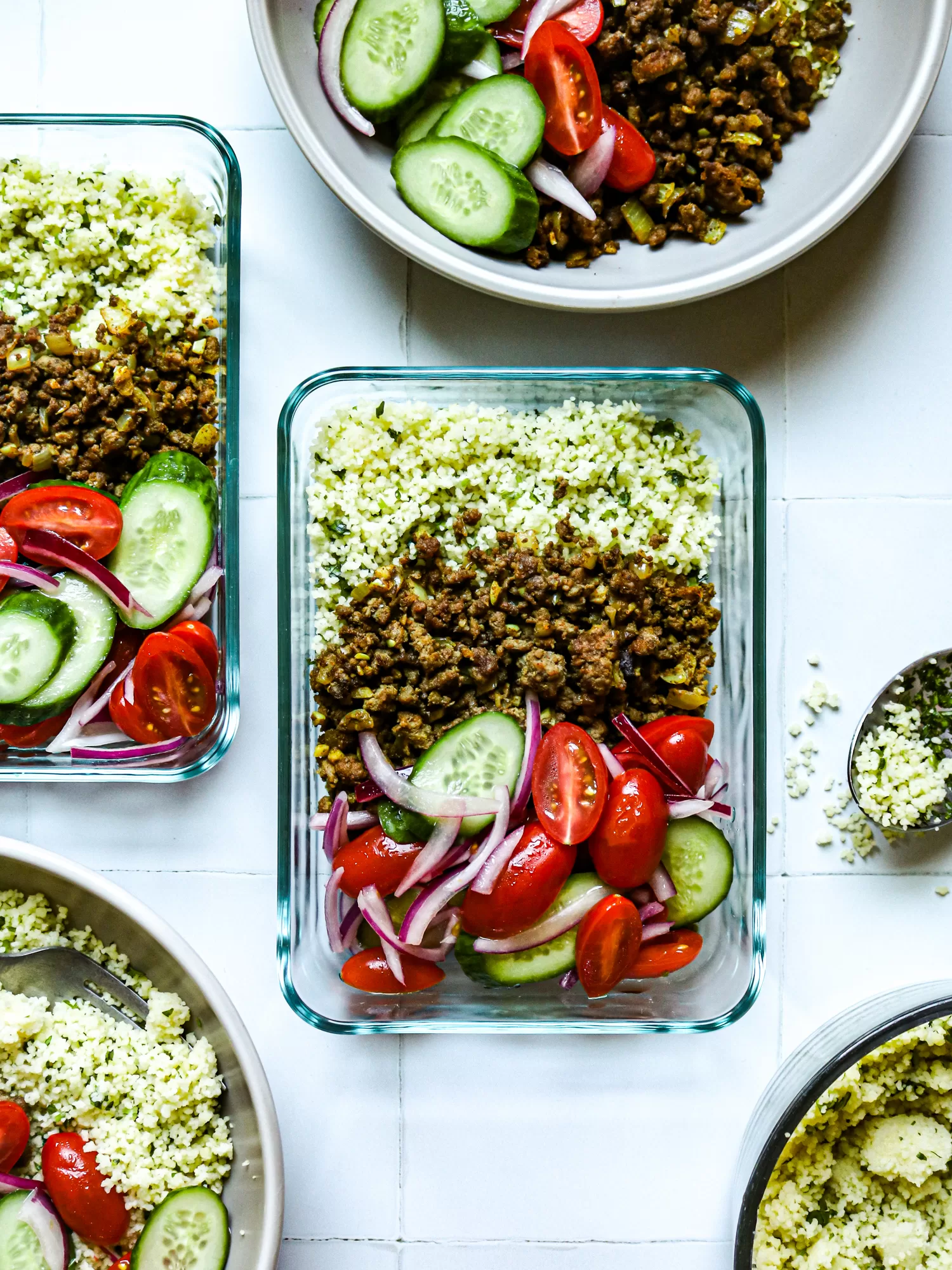
Shawarma-Spiced Beef and Couscous
This recipe offers a flavorful and hearty option for beef lovers. Tender beef is seasoned with aromatic shawarma spices and served with fluffy couscous. The dish can be enhanced with fresh herbs and a side of vegetables for a well-rounded meal. The robust flavors hold up well to meal prepping, ensuring a delicious meal throughout the week.
The accessibility and adaptability of these recipes underscore why the Mediterranean Diet is not just a trend but a sustainable and enjoyable way of eating. By embracing meal preparation, individuals can consistently integrate the principles of this time-tested dietary pattern into their daily lives, reaping its extensive health and wellness rewards. The emphasis on fresh, whole ingredients, combined with simple preparation techniques, makes the Mediterranean Diet a realistic and delicious choice for achieving long-term health goals.