
The casual dining landscape has undergone a seismic shift over the last decade, and few brands illustrate this transformation more vividly than Ruby Tuesday. After a period of strategic silence and significant footprint contraction, the Maryville, Tennessee-based chain is re-emerging with a vocal marketing strategy and a robust menu overhaul designed to reclaim its position in the American culinary consciousness. Under the guidance of returning Chief Marketing Officer Kevin FitzPatrick, the brand is attempting to balance its heritage—anchored by its signature Garden Bar—with modern culinary trends that appeal to a younger, more diverse demographic.
The narrative of Ruby Tuesday in recent years has been one of survival and stabilization. The brand’s journey through the late 2010s and into the 2020s serves as a case study for the "middle-market squeeze" that has challenged many legacy casual dining institutions. At its zenith, Ruby Tuesday operated approximately 840 locations, serving as a staple of suburban shopping centers and American malls. However, shifting consumer habits, the rise of fast-casual competitors, and the catastrophic impact of the COVID-19 pandemic forced a radical restructuring. In October 2020, the company filed for Chapter 11 bankruptcy protection, a move necessitated by the sudden cessation of indoor dining and the burden of expensive, underperforming leases.
During the bankruptcy proceedings, Ruby Tuesday underwent a significant "right-sizing" of its portfolio. The chain, which had already seen its unit count dip to 724 by May 2016, emerged from bankruptcy in early 2021 with a leaner fleet of 209 restaurants. Today, that number sits at approximately 180 corporate and franchised locations. This smaller footprint, while representing a fraction of its former scale, has allowed the company to focus on operational excellence and brand consistency rather than managing a bloated and inefficient real estate portfolio.

Leadership and the Return to Growth
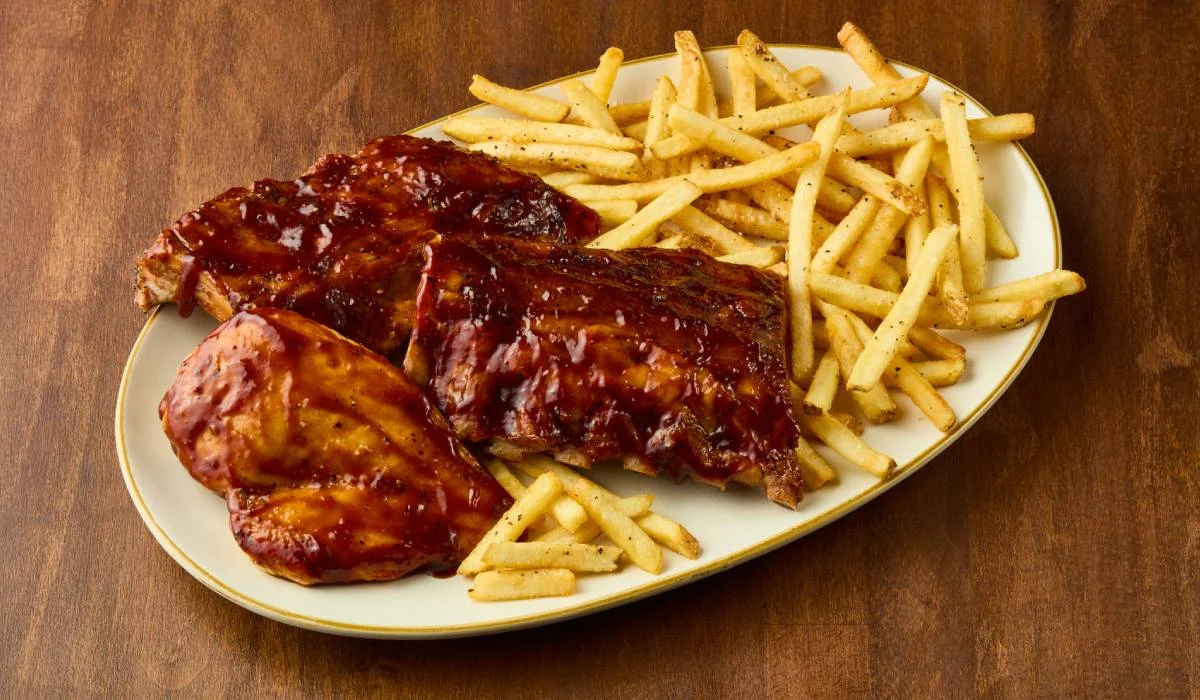
The return of Kevin FitzPatrick as CMO in March 2024, following a successful stint at Wingstop, signals a new chapter for the brand. FitzPatrick, who previously served with Ruby Tuesday from 2021 to 2024, understands the internal mechanics of the company’s post-bankruptcy identity. His current mission is to transition the brand from a defensive posture to an offensive one. For the past several years, the company focused on shedding liabilities and reinforcing its "core equity points"—the Hickory Bourbon Salmon, the baby back ribs, the classic burgers, and the Garden Bar. Now, with a stabilized foundation, the brand is ready to "speak up" again.
The strategy is multifaceted: maintain the loyalty of the core customer who seeks reliable American classics, while simultaneously introducing "unexpected" flavors and formats that resonate with Gen Z and Millennial diners. This was evidenced by the recent launch of 14 new limited-time menu items, one of the most ambitious culinary rollouts in the brand’s recent history.
Menu Innovation: The Duality of Bowls and Abundance
The centerpiece of Ruby Tuesday’s current menu evolution is a strategic duality. On one hand, the brand is introducing lighter, flavor-forward "bowls" that target a younger, female-leaning demographic. These bowls represent a departure from the traditional heavy-plate offerings of casual dining, incorporating fresh ingredients and global flavors that are often associated with fast-casual leaders like Cava or Chipotle. By bringing these options into a full-service environment, Ruby Tuesday aims to capture the "lifestyle diner" who prioritizes health and variety without sacrificing the sit-down experience.
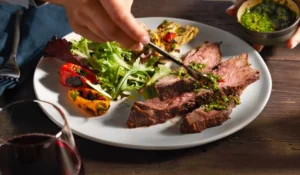
On the other hand, the brand is leaning into a philosophy of "abundance" to combat the perceived erosion of value in the restaurant industry. As many competitors pivot toward smaller portions and "value meals" that consist of downsized burgers and fries, Ruby Tuesday is doubling down on significant portions. FitzPatrick emphasizes that the brand wants to ensure guests feel physically and financially satisfied. This includes plates featuring large cuts of meat—often exceeding a pound of food—to ensure that the "perceived value" matches the "actual value."

The culinary team has also integrated bold, trending flavors to elevate recognizable products. The inclusion of Mike’s Hot Honey and jalapeño-infused dishes taps into the "swicy" (sweet and spicy) trend that has dominated social media and food blogs. Furthermore, the brand has introduced a "Dubai Chocolate" dessert option. This move is particularly noteworthy as it brings a high-end, viral global food trend—originated by the Fix Dessert Chocolatier in Dubai—to secondary and tertiary markets that may not have access to niche city-center boutiques.
Garden Bar 2.0: The Competitive Moat
Perhaps the most significant differentiator for Ruby Tuesday is its Garden Bar. In an era where many casual dining chains have removed salad bars due to labor costs and food safety concerns, Ruby Tuesday has chosen to invest in the format. The "Garden Bar 2.0" has been rolled out to more than half of the brand’s locations, featuring an expanded array of ingredients, specialty cheeses, and deconstructed salad components.
The decision to keep the bar "deconstructed" was a direct result of consumer feedback. Internal observations and store-level data revealed that guests preferred to "jigsaw" their own creations rather than select from pre-mixed salads with predetermined dressings. This customization aspect allows the Garden Bar to function as a "living, breathing" entity that can adapt to seasonal produce and changing tastes.
From a value perspective, the Garden Bar remains a formidable tool. Offered as an unlimited option, it often comes in at a price point lower than a single salad at a premium fast-casual outlet. For families and budget-conscious diners, the "unlimited" nature of the bar provides a safety net against hunger that fixed-portion competitors cannot match.

Navigating the Macroeconomic Landscape
The revitalization of Ruby Tuesday comes at a precarious time for the restaurant industry. According to data from PAR Technology, nearly half of restaurant operators reported lower foot traffic in early 2024. The industry is grappling with "consumer fatigue" as diners react to years of menu price inflation. FitzPatrick notes that external economic factors, such as fluctuating gas prices, have a direct and measurable impact on restaurant visits. When the cost of a tank of gas rises significantly, it often results in a household cutting one restaurant meal out of their monthly budget.
To combat this, Ruby Tuesday is positioning itself as a high-quality alternative to fast food. The brand is vocal about the fact that its food is "handmade in the back," contrasting its scratch-kitchen approach with the increasingly expensive and processed offerings of traditional Quick Service Restaurants (QSRs). With daily deals that include $5.99 smashburgers and $10 ribeyes, the brand is aggressively courting the "disenchanted fast-food customer" who is tired of paying premium prices for drive-thru quality.
Operational Evolution and Data-Driven Growth
Ruby Tuesday’s strategy for the future is not just about what is on the plate, but how the brand learns from its guests. In a move that FitzPatrick describes as "old-school," corporate leaders have spent significant time in stores, manually observing guest behavior at the Garden Bar. This "paper and pencil" approach to data collection has led to changes in how ingredients are organized and the order in which they are presented to improve flow and guest satisfaction.
Furthermore, the brand has increased its investment in staff training. The recent menu extension included an additional week of training for back-of-house and front-of-house staff to ensure that the new, more complex items are executed with precision. This focus on operational consistency is critical as the brand prepares to ramp up its media presence and reintroduce itself to the public.

Broader Implications for the Casual Dining Sector
The efforts of Ruby Tuesday reflect a broader trend in the casual dining sector: the "return to the core." After years of attempting to be "everything to everyone," successful legacy brands are realizing that their survival depends on identifying their unique "equity points" and modernizing them. For Ruby Tuesday, that means the Garden Bar and "abundance."
The success of this pivot will be closely watched by industry analysts. If Ruby Tuesday can successfully leverage its smaller, more efficient footprint to deliver high-value, trend-relevant dining experiences, it may provide a blueprint for other legacy chains struggling to find their footing in a post-pandemic world. The message from the brand is clear: they are still here, they are listening, and they are betting on the idea that the American diner still craves a sit-down meal that offers both quality and quantity.
As the brand moves forward, the focus will remain on "giving back to the guest." Whether through the "Dubai Chocolate" that brings a piece of global luxury to a local neighborhood or a smashburger deal that undercuts the local McDonald’s, Ruby Tuesday is attempting to prove that casual dining is not a relic of the past, but a vital and evolving part of the American culinary future. The quiet years are over; the brand is ready to see if its new story resonates with a public that is increasingly hungry for real value.