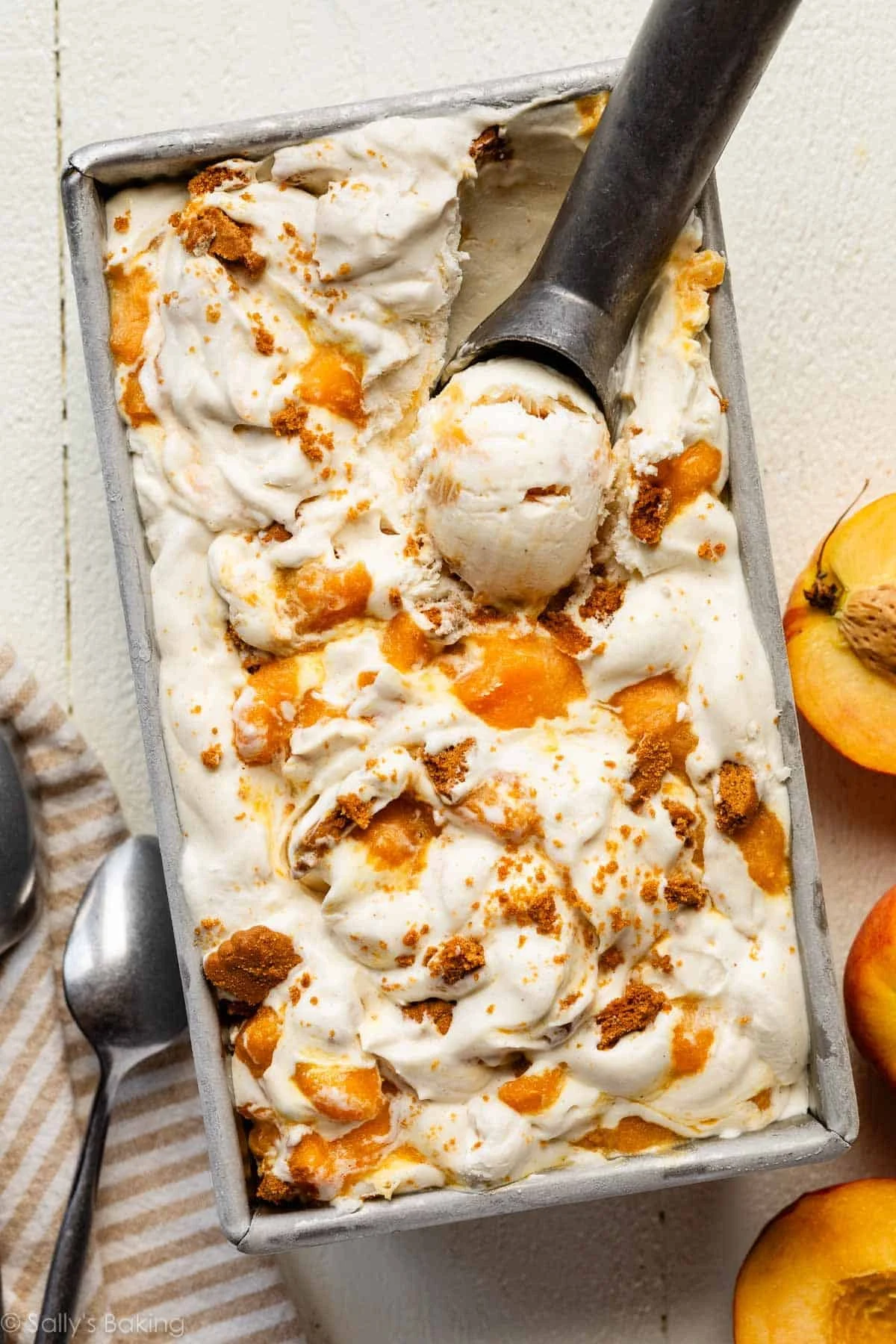

This innovative dessert, a no-churn peach cheesecake ice cream, represents a notable convergence of popular dessert trends and simplified culinary techniques. Combining the rich, tangy profile of cheesecake with the sweet, juicy essence of fresh peaches and the distinctive, spiced crunch of Biscoff cookies, this recipe offers a creamy, flavorful frozen treat that requires no specialized ice cream maker, becoming ready for enjoyment after approximately eight hours in a freezer. Its composition, relying on a minimal number of readily available ingredients, underscores a growing consumer preference for convenience without compromising on gourmet quality or fresh flavor.
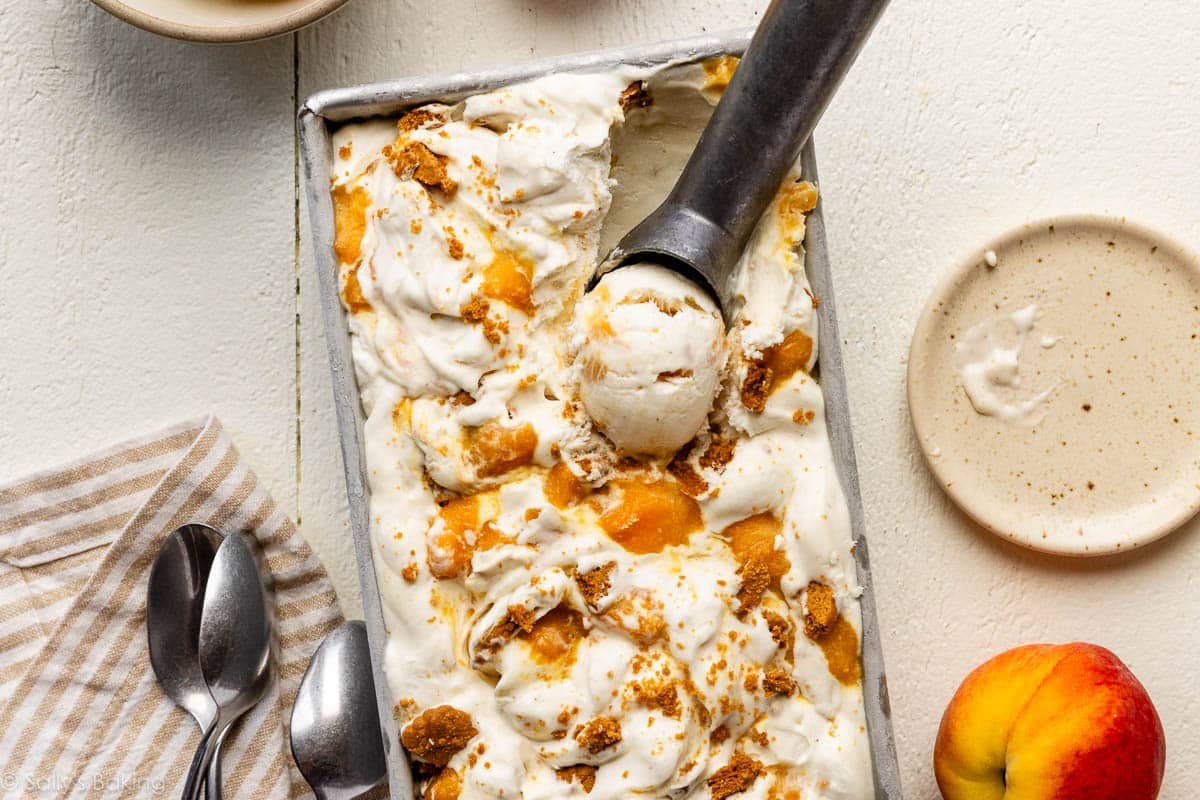
A Brief History of Frozen Desserts and the No-Churn Phenomenon
The concept of frozen desserts dates back millennia, with records suggesting ancient civilizations, including the Persians, Romans, and Chinese, enjoyed sweetened ice and snow. The evolution into what we recognize as modern ice cream began in the 16th century, primarily in Italy and France, before spreading across Europe and eventually to the Americas. Early ice cream production was an arduous process, requiring specialized equipment and constant churning of an ice bath. The 19th century saw the invention of hand-cranked ice cream makers, making homemade ice cream more accessible, though still labor-intensive. The 20th century ushered in industrial production, making ice cream a ubiquitous commodity.
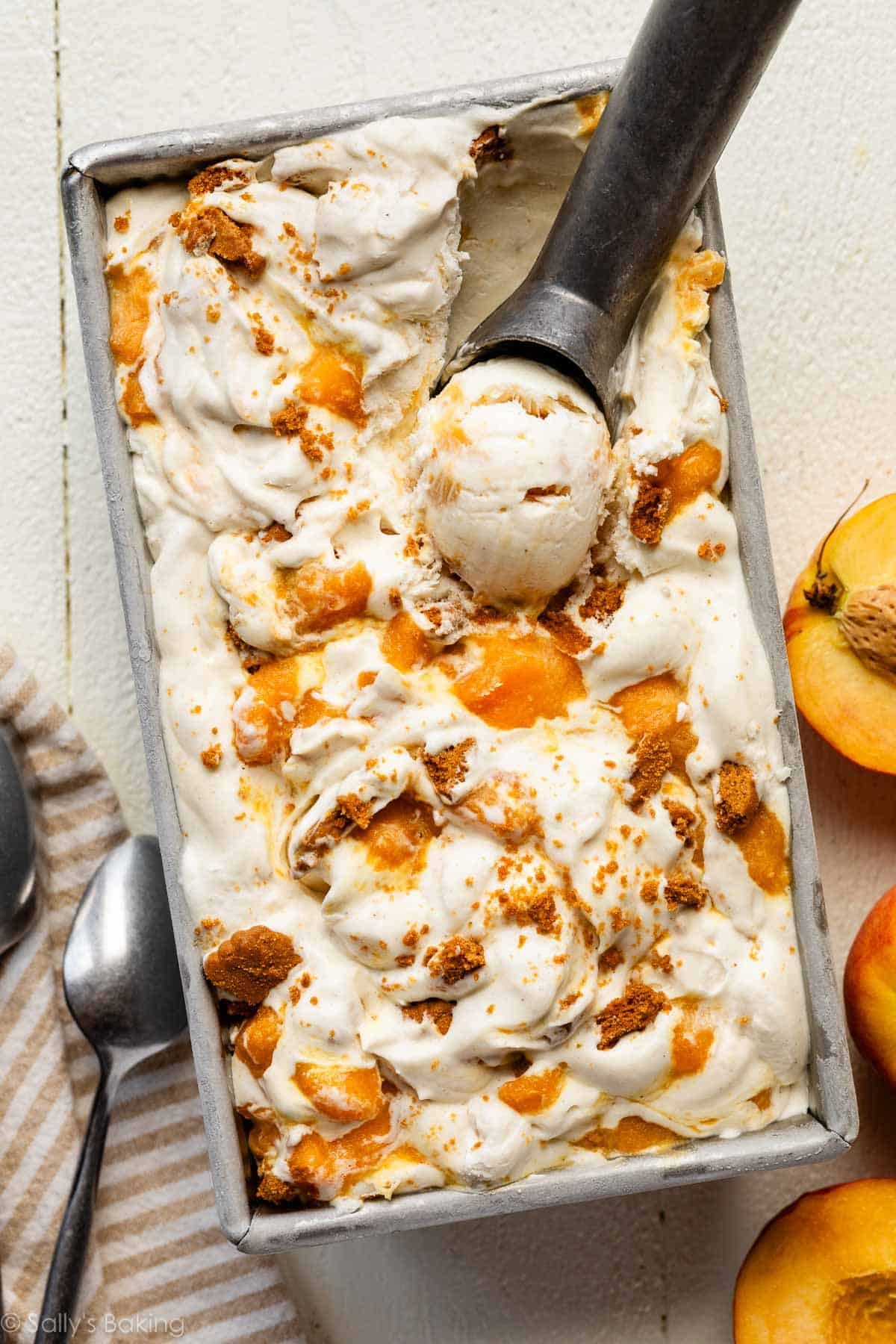
The recent resurgence of interest in homemade ice cream, coupled with a demand for simplified preparation methods, has given rise to the "no-churn" movement. This technique gained significant traction in the early 2010s, with culinary figures like Martha Stewart popularizing foundational no-churn vanilla ice cream recipes. The core principle involves whipping heavy cream to stiff peaks and then folding it into sweetened condensed milk, a combination that achieves a remarkably creamy texture without the need for churning. The high fat content of heavy cream and the sugar in condensed milk effectively inhibit the formation of large ice crystals, which are typically responsible for a gritty texture in un-churned frozen mixtures. This method democratized homemade ice cream, making it achievable for individuals without dedicated ice cream machines, aligning perfectly with contemporary trends towards accessible gourmet home cooking.
The Allure of Key Ingredients: Peaches, Cheesecake, and Biscoff
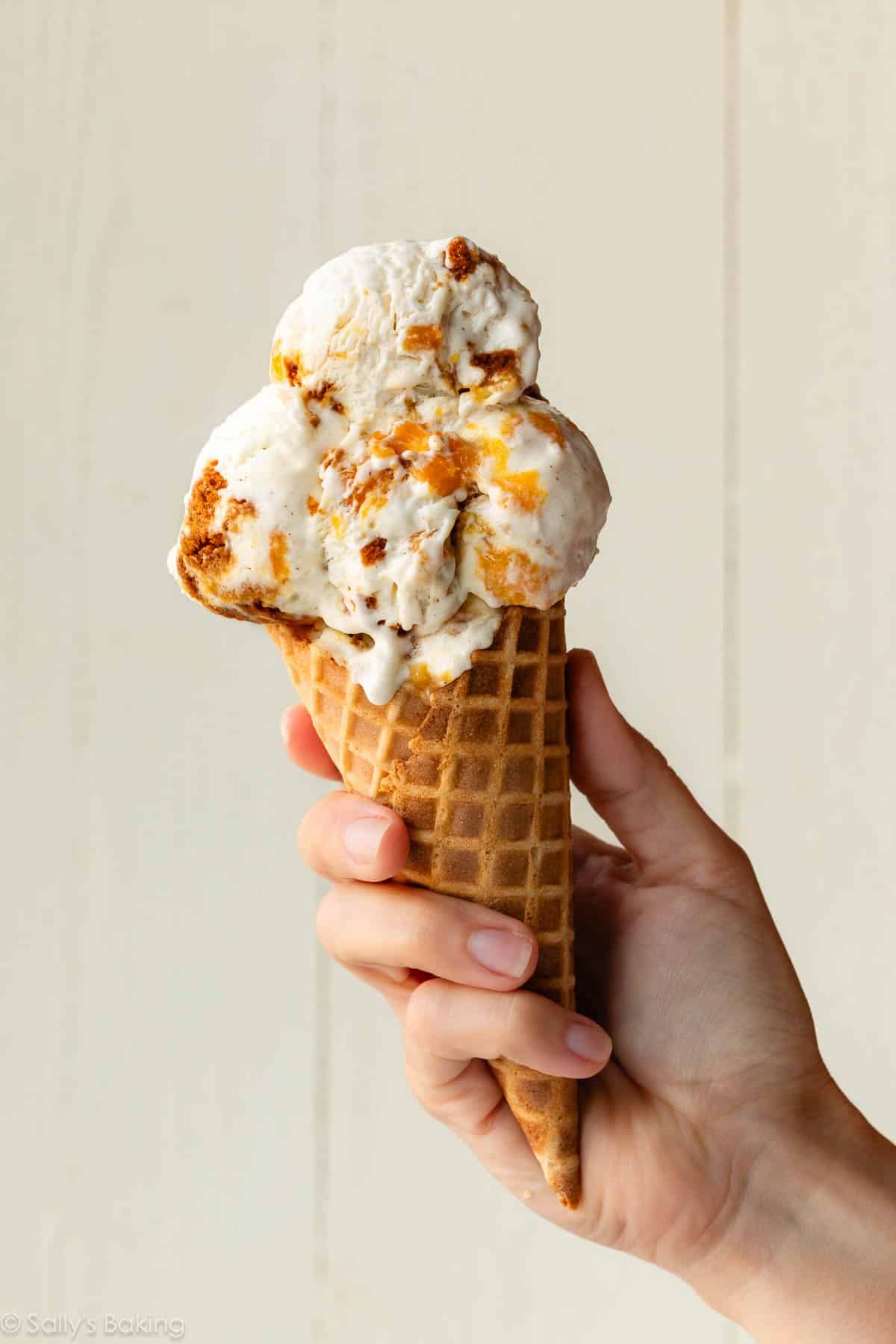
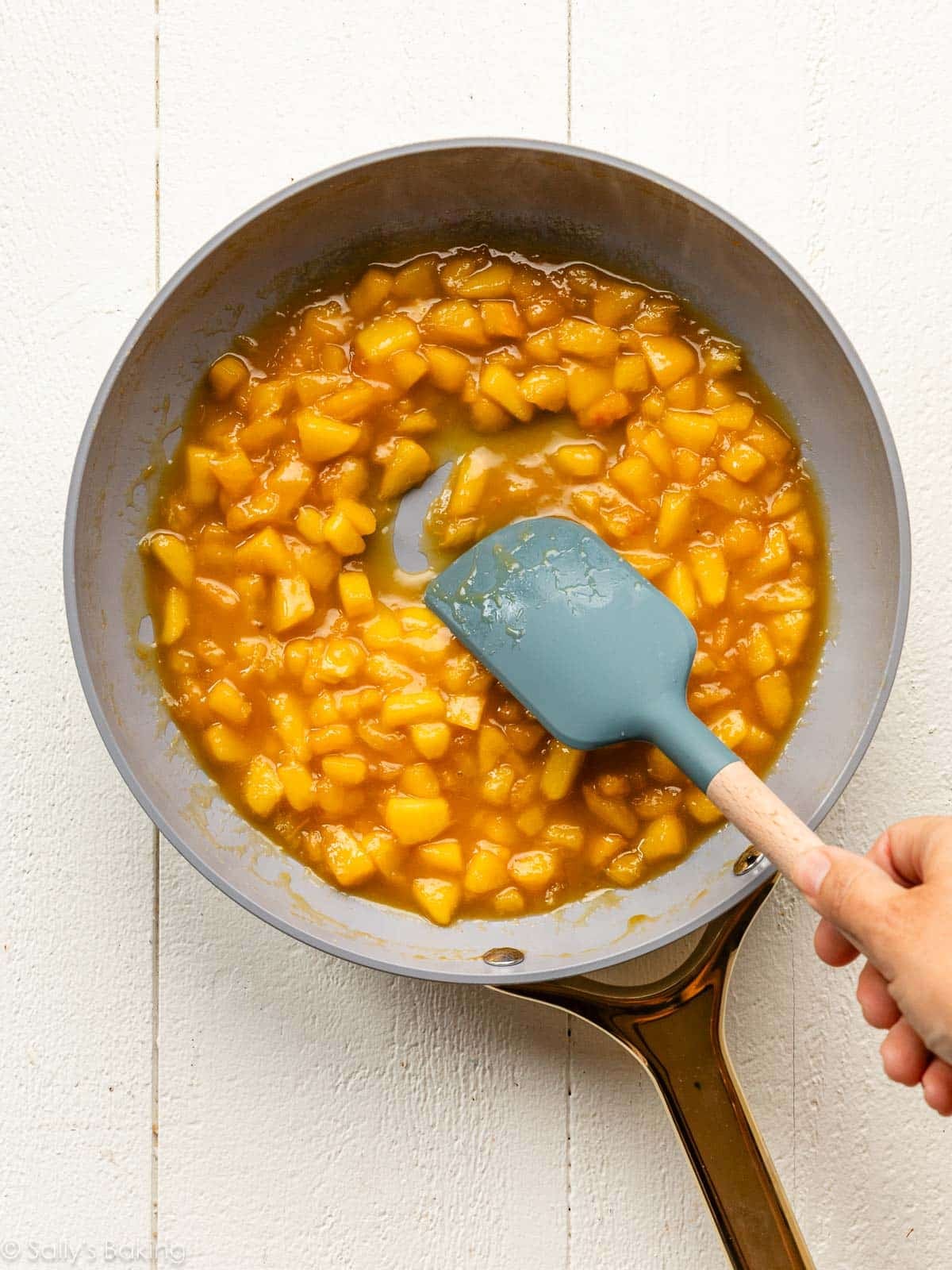
The no-churn peach cheesecake ice cream strategically leverages the universal appeal of its primary flavor components. Peaches, a quintessential summer fruit, are celebrated globally for their delicate sweetness, juicy texture, and vibrant aroma. Originating in China, peaches have been cultivated for thousands of years and are now grown in temperate regions worldwide, with key producers including China, Italy, Spain, and the United States. In culinary applications, fresh peaches are versatile, lending themselves to both sweet and savory dishes, but they particularly shine in desserts, where their natural sugars and slight acidity create a balanced flavor profile. The preparation method in this recipe, involving a brief stove-top cook-down with brown sugar and butter, is critical. This process not only intensifies the peach flavor but also breaks down the fruit’s cellular structure, preventing the formation of undesirable icy chunks in the final frozen product, yielding a texture akin to a rich preserve.
Cheesecake, another cornerstone of this dessert, boasts an equally rich history, tracing its origins to ancient Greece. Modern cheesecake, particularly the New York-style variant, is renowned for its dense, creamy texture and distinct tangy flavor, primarily derived from cream cheese. The inclusion of cream cheese in the no-churn ice cream base provides a characteristic tang and adds to the overall richness and stability of the frozen mixture. This elevates the dessert beyond a simple fruit ice cream, infusing it with a sophisticated, dessert-shop quality. Culinary experts often highlight the balance that cream cheese brings, cutting through the sweetness of other components and adding a complex mouthfeel.
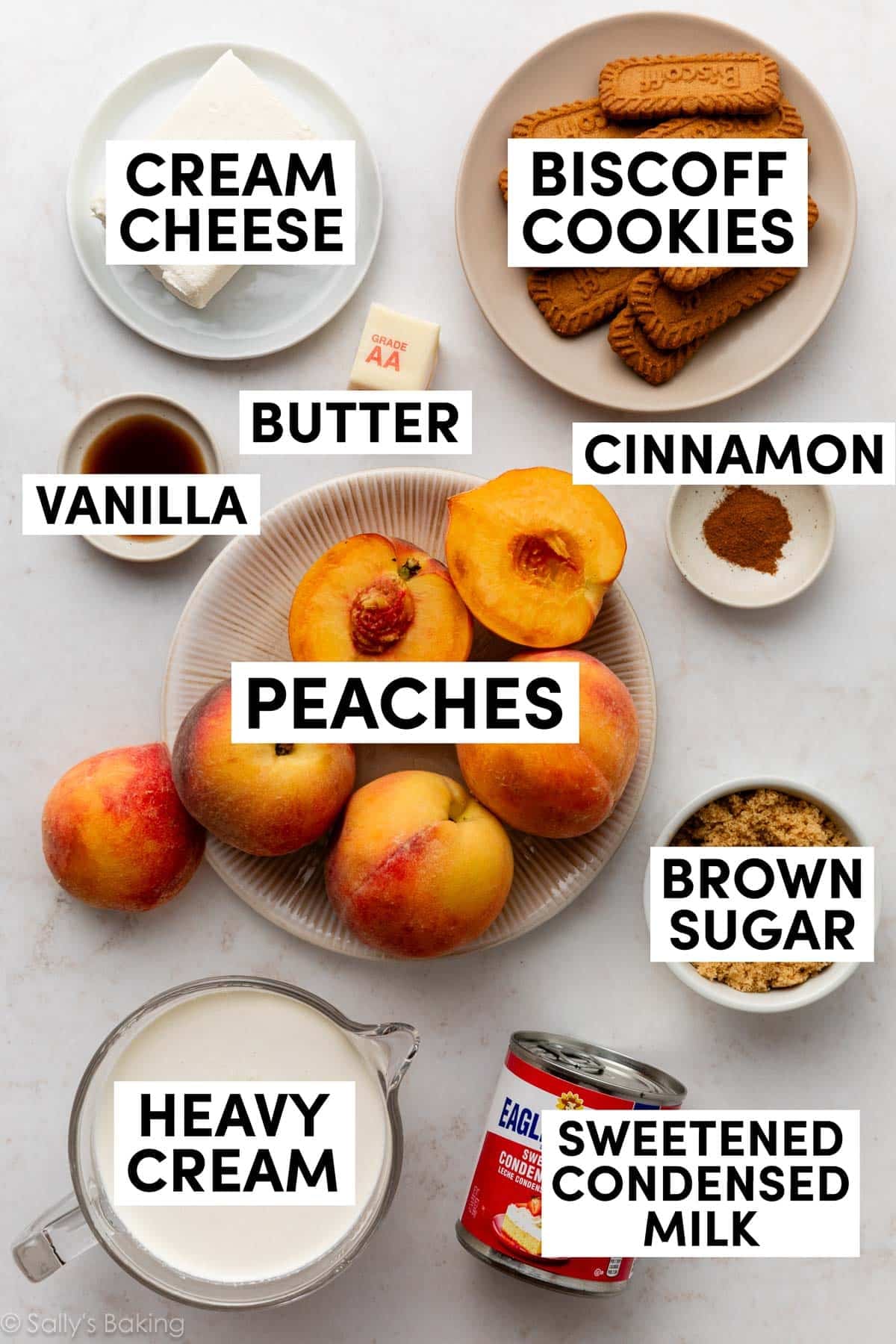
Completing the flavor triad are Biscoff cookies, also known as speculoos. These spiced shortbread biscuits, originating from Belgium and the Netherlands, are characterized by their caramelized flavor and a delicate blend of spices, including cinnamon, nutmeg, and ginger. Traditionally enjoyed with coffee, Biscoff cookies have seen a meteoric rise in popularity as a dessert ingredient, particularly in crumbles, pie crusts, and as a mix-in for ice creams and milkshakes. Their crisp texture and unique spice profile provide an excellent counterpoint to the creamy, fruity base of the ice cream, adding a layer of textural complexity and an unexpected warmth that enhances the overall sensory experience. The use of Biscoff in this recipe not only adds flavor but also serves as a textural element, reminiscent of a cheesecake crust.
The Art and Science of No-Churn Production
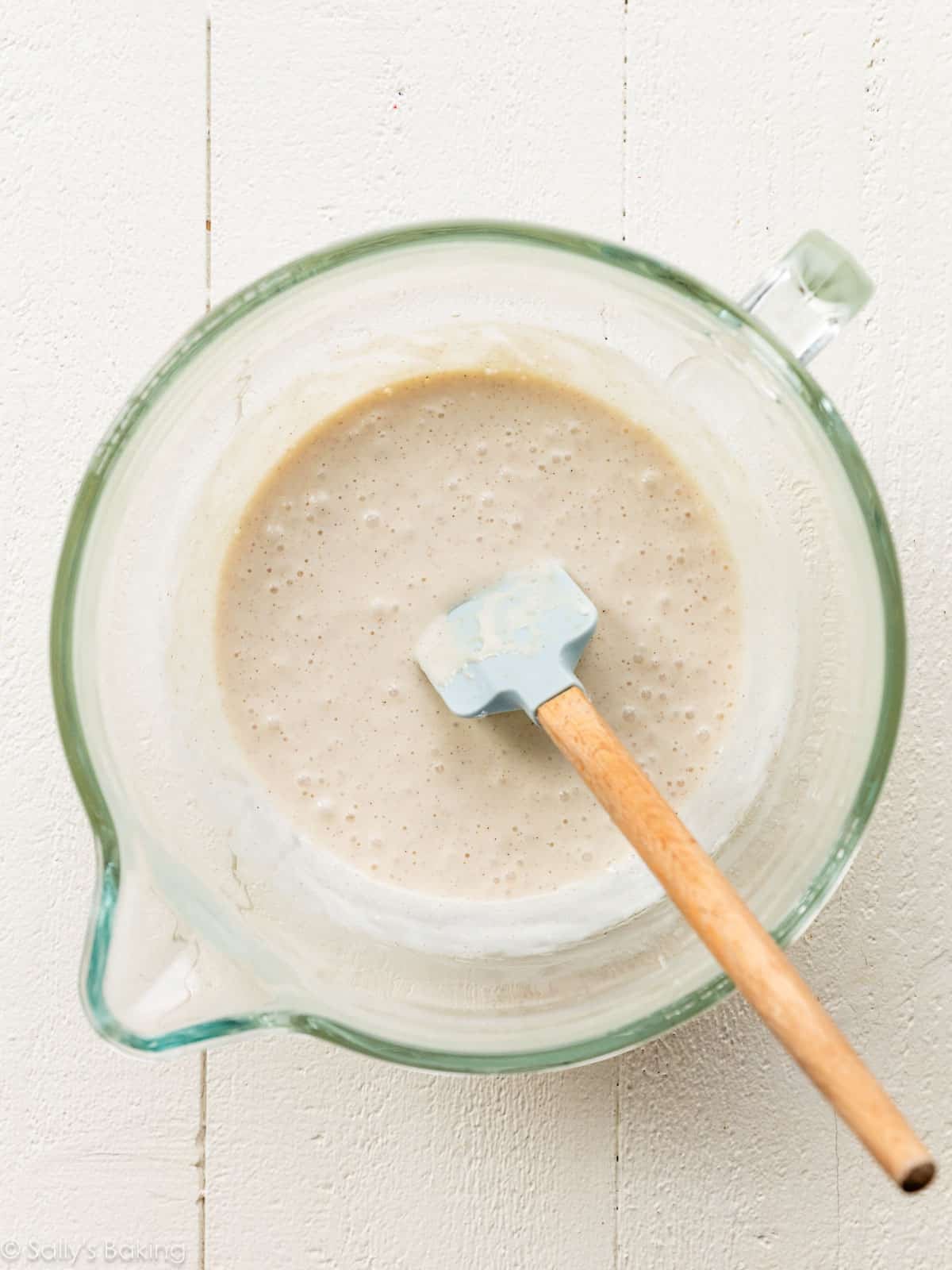
The technical elegance of no-churn ice cream lies in its simplicity and effectiveness. Unlike traditional churned ice cream, which relies on continuous agitation during freezing to incorporate air and prevent large ice crystal formation, no-churn methods achieve a similar result through careful ingredient selection and preparation. The high fat content (typically 35-40%) in heavy whipping cream is crucial; when whipped, it creates a stable foam that traps air, contributing to the light and airy texture. Sweetened condensed milk, a concentrated product of milk and sugar, serves multiple roles: it provides sweetness, contributes to the creamy mouthfeel, and, most importantly, its high sugar content acts as an antifreeze, lowering the freezing point of the mixture and further inhibiting the growth of large, detectable ice crystals.
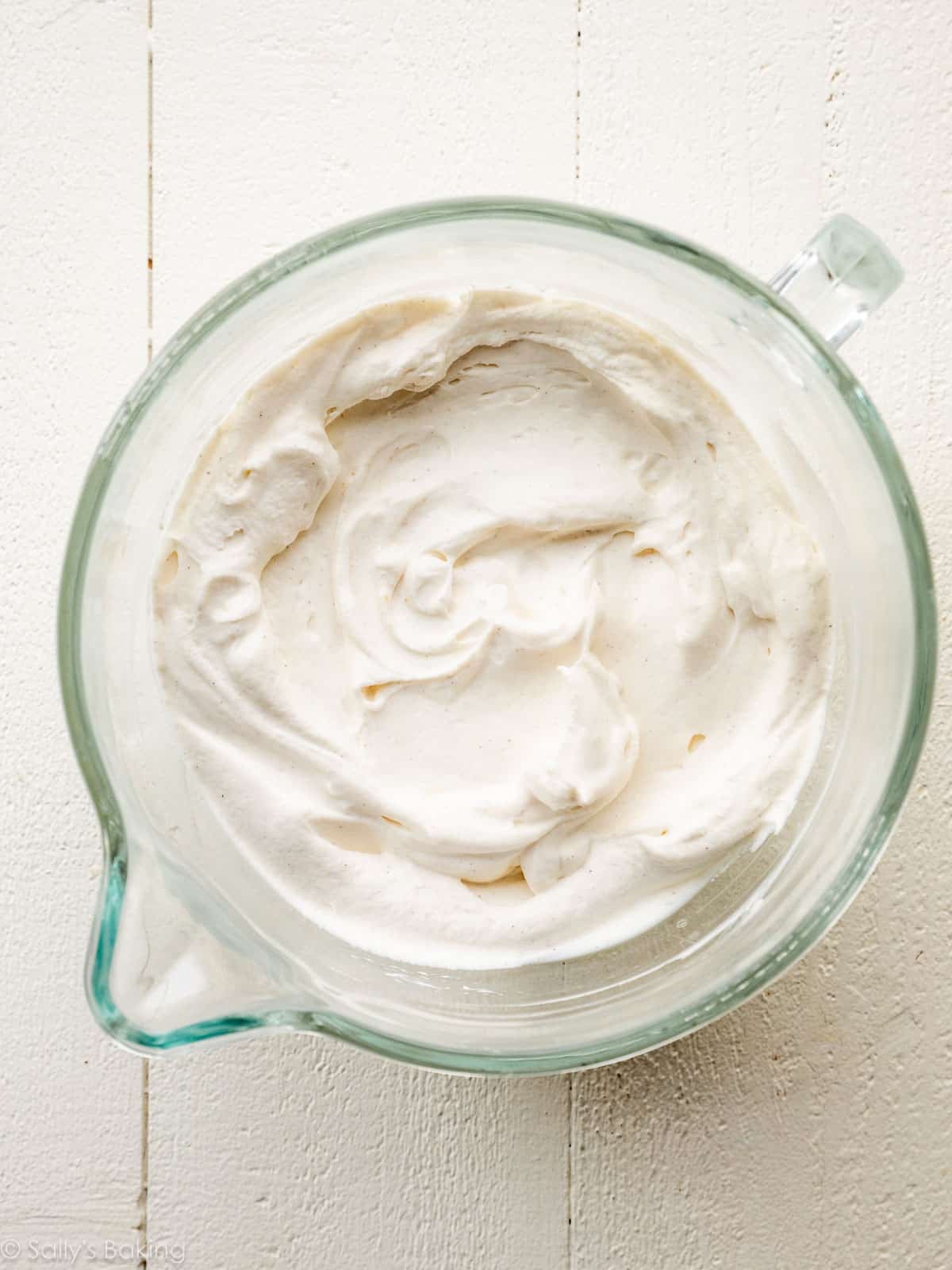
Food scientists explain that the combination of air (from whipped cream), fat, and sugar creates a matrix that freezes smoothly. The addition of cream cheese, as seen in this peach cheesecake variant, further enhances the texture by increasing the fat and protein content, contributing to an even richer, denser, and more stable frozen structure. The methodology involves precise steps: whipping the heavy cream to stiff peaks, ensuring maximum air incorporation; then separately beating softened cream cheese until exceptionally smooth to avoid lumps; combining this with sweetened condensed milk, vanilla, and cinnamon for the base flavor; and finally, gently folding the whipped cream into the cream cheese mixture. The cooling of the cooked peach swirl before incorporation is a critical detail, as introducing warm fruit would destabilize the whipped cream and compromise the final texture. This meticulous approach ensures that despite the absence of an ice cream maker, the end product rivals, and in some cases surpasses, the creaminess of conventionally churned ice creams.
Market Trends and Consumer Impact
The popularity of recipes like the no-churn peach cheesecake ice cream reflects broader shifts in consumer behavior and culinary trends. Data from market research firms consistently indicate a growing interest in home cooking and baking, particularly for indulgent desserts. This trend, accelerated by recent global events that encouraged more time spent at home, highlights a desire among consumers to create high-quality, customized treats without needing professional-grade equipment or extensive culinary training. The "no-churn" category specifically taps into the demand for convenience-driven solutions that still deliver an authentic, homemade experience.
Furthermore, the integration of multiple beloved dessert profiles—ice cream, cheesecake, and fruit pie—into a single, accessible recipe speaks to a trend of "hybrid" desserts. These creations offer a multi-faceted sensory experience, appealing to a wider range of palates and often generating significant social media engagement, which further propels their popularity. The inclusion of Biscoff cookies also aligns with a rising demand for unique and globally inspired flavor components, moving beyond traditional mix-ins.
From an economic perspective, such recipes indirectly support various segments of the food industry. The demand for fresh, seasonal peaches benefits fruit growers and local markets, particularly during summer months. The consistent use of dairy products like heavy cream and cream cheese sustains dairy farmers and processors. Even specialized ingredients like Biscoff cookies see increased sales as they become integral to popular home recipes.
Assembly and Broader Implications
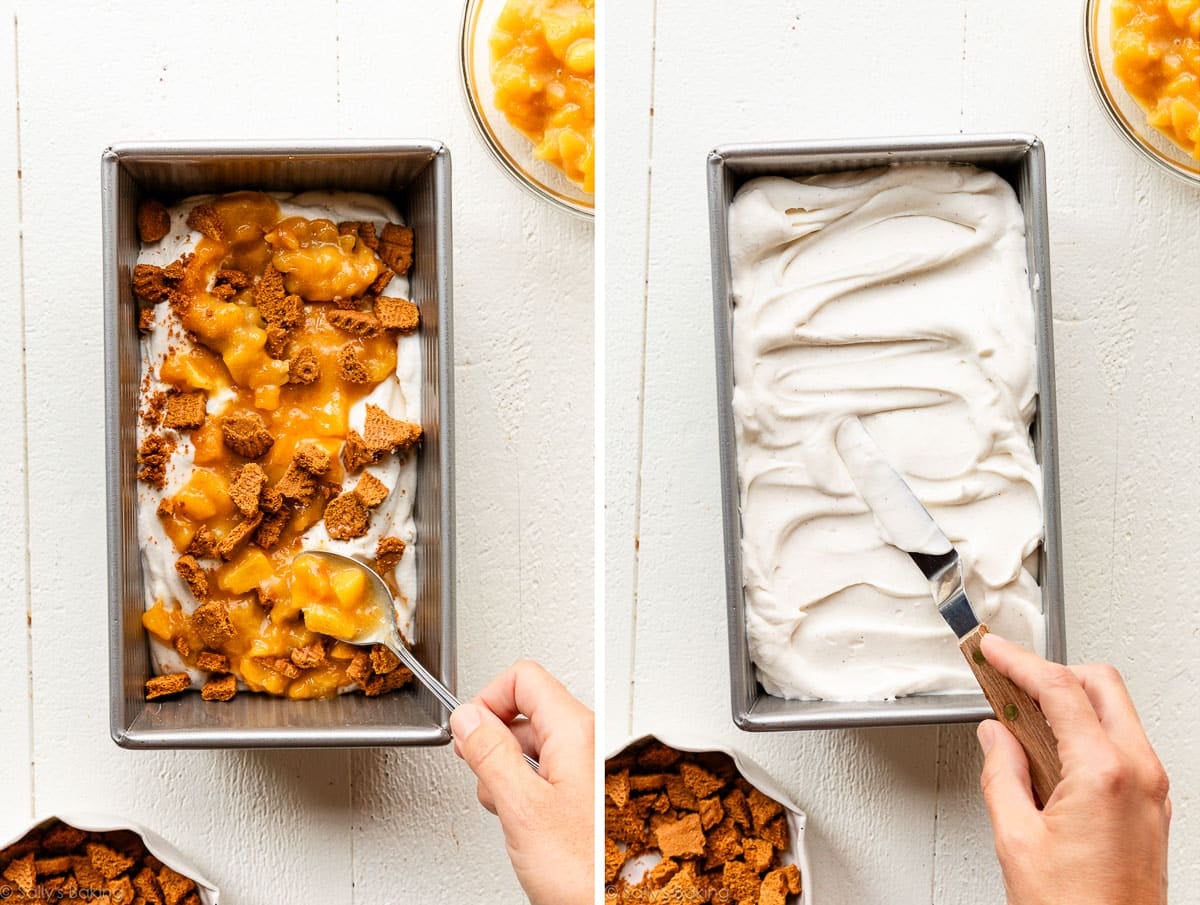
The assembly process of this no-churn ice cream is straightforward, designed for ease of execution. Layers of the creamy base are alternated with the cooled peach swirl and crumbled Biscoff cookies in a freezer-safe pan, typically a loaf pan. A gentle swirl with a knife ensures even distribution and creates an appealing marbled effect. The subsequent freezing period of at least eight hours allows the mixture to set into its final, scoopable consistency.
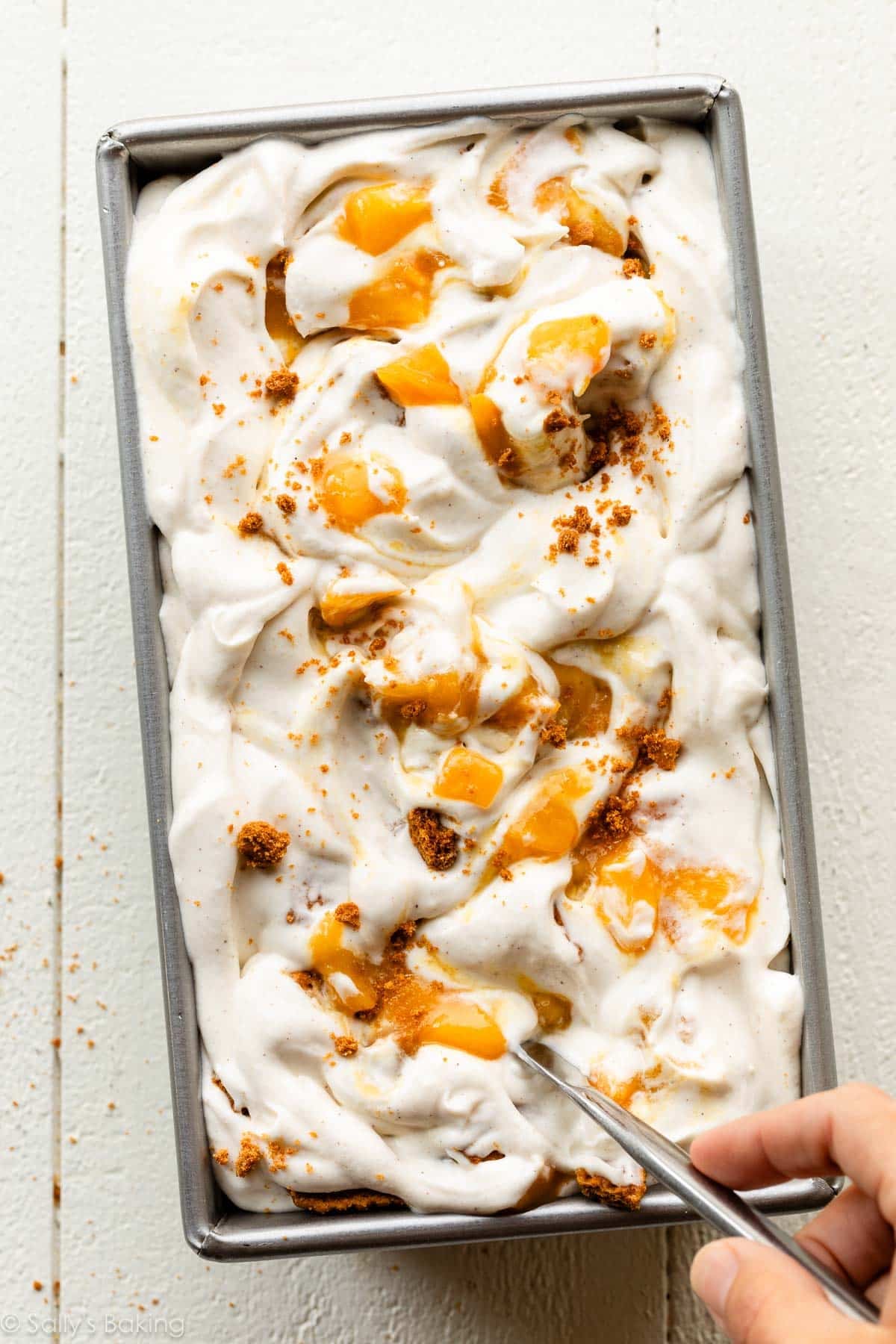
The broader implication of such accessible, gourmet-quality recipes is the empowerment of home cooks. They demonstrate that creating sophisticated desserts does not necessitate specialized machinery or advanced techniques. This fosters culinary confidence and encourages experimentation, leading to further innovation in the home kitchen. The ability to customize ingredients—for instance, substituting graham crackers for Biscoff, as suggested in expert tips, or exploring other seasonal fruits—adds to the recipe’s versatility and appeal. The suggestion of pairing it with homemade salted caramel sauce further exemplifies how a simple base can be elevated with additional components, catering to diverse taste preferences.
In conclusion, the no-churn peach cheesecake ice cream is more than just a recipe; it is a testament to the evolving landscape of home gastronomy. It embodies a perfect blend of convenience, rich flavor, and textural complexity, all achieved through a streamlined process. Its popularity underscores significant trends in food culture: the pursuit of homemade quality, the appreciation for hybrid desserts, and the ever-present desire for simplified culinary methods that bring gourmet experiences within reach of every home kitchen. As summer approaches, this dessert stands as a compelling example of how culinary innovation continues to enrich our dining experiences, one creamy, peachy scoop at a time.